Queenstown New Zealand Destination Guide 2026: The Ultimate Alpine and Adventure Capital

Queenstown, New Zealand, situated on the shores of the crystal-clear glacial lake Wakatipu and framed by the dramatic peaks of the Remarkables mountain range, remains the preeminent destination for global travelers seeking both high-octane thrills and refined alpine relaxation. Long before it cemented its status as the commercial bungy jumping capital of the world—sparked by AJ Hackett at the historic Kawarau Bridge in 1988—this dramatic corner of the Southern Alps drew visitors seeking natural serenity following the opening of Coronet Peak, the region’s pioneering ski field, in 1947.
Today, this destination balances its reputation as the adventure capital of the world with a conscious evolution toward luxury tourism, culinary excellence, and accessible nature-based itineraries. Despite ongoing commercial development and regular accolades in international travel publications, Queenstown maintains its welcoming small-town atmosphere, serving as a primary gateway to Fiordland National Park, Milford Sound, and the wider Otago wine region.
Historical Evolution and Chronology of Tourism Development
The transformation of Queenstown from a remote 19th-century gold-mining settlement into an international tourism mecca spans over a century of infrastructure and recreational milestones.
- 1860s: The discovery of gold in the Shotover River and surrounding areas triggers a massive influx of prospectors, establishing regional settlements like Arrowtown and the historic Crown Range routes.
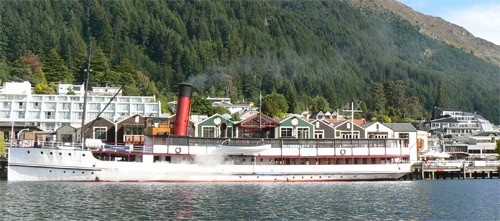
- 1912: The commissioning of the coal-fired steamship TSS Earnslaw provides essential transport across Lake Wakatipu, later transitioning into one of the Southern Hemisphere’s most enduring maritime tourism attractions.
- 1947: The opening of Coronet Peak marks the inception of commercial skiing in New Zealand, establishing the region as a viable winter sports destination.
- 1960s: Jet boating originates in New Zealand waters, quickly becoming a defining fixture of the local tourism economy.
- 1988: The invention of commercial bungy jumping at the Kawarau Bridge by AJ Hackett introduces modern adventure tourism to the region, fundamentally shifting Queenstown’s global brand identity.
- 2026: Ongoing modernization projects, including upgraded gondola infrastructure and streamlined regional transport networks, reflect the destination’s ongoing adaptation to contemporary global travel demands.
Seasonal Weather Patterns and Optimal Travel Windows
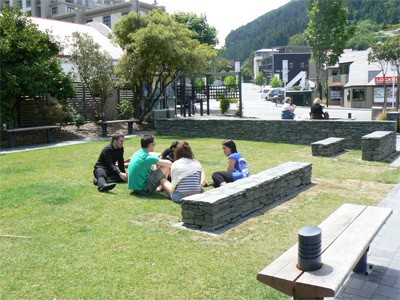
Queenstown operates under a distinct four-season alpine climate, with tourism metrics peaking during the Southern Hemisphere’s summer (December through February) and winter (June through October) months.
Summer brings extended daylight, with sunsets frequently occurring after 9:30 p.m., facilitating an array of outdoor pursuits including mountain biking, hiking, and water sports. Average daytime temperatures range from 20°C to 25°C (68°F to 77°F). However, high demand necessitates advance booking for accommodations across all tiers.
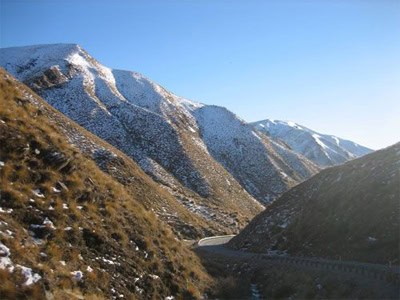
Winter transforms the landscape into a premier snow-sports hub. Skiing and snowboarding enthusiasts frequent four major alpine facilities: Coronet Peak, The Remarkables, Cardrona Alpine Resort, and Treble Cone. Snow conditions typically remain stable from June through October, drawing international athletes and winter tourists alike.
Shoulder seasons offer distinct advantages. Autumn (March to May) delivers striking foliage transformations, grape harvests in the nearby Gibbston Valley, and stable weather. Spring (September to November) features alpine garden tours and significantly reduced visitor congestion, making it an ideal period for travelers prioritizing tranquility.
Entry Regulations and Financial Requirements
International visitors arriving in New Zealand must comply with strict entry protocols, primarily involving the New Zealand Electronic Travel Authority (NZeTA) and associated tourism levies.

Travelers must secure an NZeTA prior to departure, typically costing NZ$17 via the official mobile application or NZ$23 through the online portal. Additionally, most foreign nationals are subject to the International Visitor Conservation and Tourism Levy (IVL), set at NZ$100. Combined, the total entry processing fee ranges from NZ$117 to NZ$123 per person. The NZeTA remains valid for a two-year period, permitting multiple entries for stays up to three months per visit. Officials recommend submitting applications a minimum of 72 hours prior to international boarding. Citizens of Australia and holders of New Zealand passports are exempt from the IVL requirement.
Transit Infrastructure and Regional Accessibility
Queenstown Airport (ZQN), located approximately 8 kilometers from the town center in Frankton, handles both domestic and international traffic. Its mountainous approach is widely recognized as one of the most visually dramatic descents in commercial aviation. Direct international services connect Queenstown with major Australian hubs, including Sydney, Melbourne, Brisbane, and the Gold Coast, operated by carriers such as Air New Zealand, Qantas, Jetstar, and Virgin Australia. Domestically, frequent connections link the airport with Auckland, Wellington, and Christchurch.

Upon arrival, ground transportation options include public transit, private shuttles, and vehicle rentals. The Orbus public transit system operates Route 1 between the airport and the town center at regular intervals. Fares utilize the Bee Card system, priced at NZ$2.50, while cash fares default to NZ$10. Taxis and shared shuttle services are readily available outside the terminal, with standard fares to the town center ranging from NZ$35 to NZ$50 for private taxis and NZ$20 to NZ$35 for shared services.
Given the compact nature of Queenstown’s 1.5-square-kilometer central business district and strict parking limitations, local authorities and tourism operators frequently recommend minimizing car rentals in favor of walking or utilizing specialized shuttle networks. Comprehensive intercity coach networks, operated by providers like InterCity and various regional services, connect Queenstown to Wanaka, Christchurch, Dunedin, Te Anau, and Invercargill.
Core Attractions and Outdoor Adventure Offerings
Queenstown’s tourism portfolio centers on adrenaline-inducing activities alongside accessible natural landmarks.
The Skyline Gondola transports visitors 480 meters above the town to the summit of Bob’s Peak, offering panoramic vistas of Lake Wakatipu and the surrounding alpine ranges. The complex features modern 10-person cabins, dining facilities, and the gravity-fueled Luge track. Standard adult gondola admission is priced at NZ$69, with family and activity packages available.
Jet boating remains a signature regional experience. The Shotover River, accessible via Arthurs Point, hosts high-speed excursions through narrow rock canyons. Operators such as Shotover Jet manage specialized fleets capable of executing 360-degree spins, with adult fares averaging NZ$199.
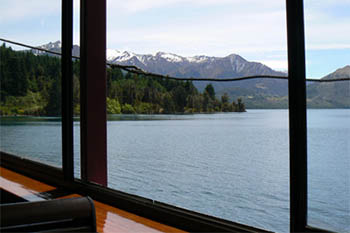
For aquatic excursions further afield, day trips to Milford Sound and the more secluded Doubtful Sound operate daily from Queenstown. Visitors can traverse Fiordland National Park via coach, fixed-wing aircraft, or helicopter, culminating in nature cruises through glacial fiords characterized by sheer rock faces and cascading waterfalls. For hikers seeking multi-day expeditions, the Milford Track—managed as one of New Zealand’s premier Great Walks—requires advance registration months ahead of the November-to-April season due to strict conservation quotas.
Culinary Scene, Accommodation, and Nightlife
The local hospitality sector caters to a diverse demographic, ranging from budget backpackers to ultra-luxury clientele. Hostels, including prominent properties in the central district, offer dormitory accommodations ranging from NZ$35 to NZ$45 per night, while mid-range hotels and alpine lodges generally span NZ$250 to NZ$400 per night during peak periods.
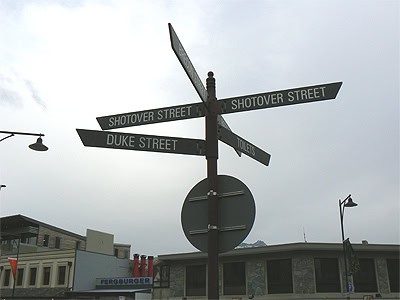
Dining options reflect international culinary trends alongside regional specialties. The area is globally recognized for Central Otago Pinot Noir produced in the nearby Gibbston Valley. Casual dining institutions, such as Fergburger on Shotover Street, maintain high visitor volumes with extended operating hours, while fine dining establishments like The Bunker offer intimate settings featuring regional game and locally sourced produce.
Health, Safety, and Travel Guidance
New Zealand maintains exceptionally high standards of public safety, modern healthcare infrastructure, and potable municipal water systems. However, environmental factors require careful preparation. The Southern Hemisphere’s high UV index demands robust sun protection regardless of the season, and rapid weather shifts in the alpine environment necessitate layered clothing and waterproof outerwear.
Travelers engaging in high-risk adventure sports—such as skydiving, paragliding, whitewater rafting, and bungy jumping—are strongly advised to verify that their comprehensive travel insurance policies explicitly include hazardous sports riders, as standard international medical policies frequently exclude extreme recreational activities. While serious crime remains statistically rare, petty theft targeting unattended vehicles and campsites does occur, prompting local law enforcement to advise standard security precautions for all visitors.