The Peloponnese peninsula, a sprawling landmass connected to the Greek mainland, serves as a cornerstone of Mediterranean history, mythology, and geography. While coastal tourism in Greece is frequently dominated by the Aegean islands, the Peloponnese offers a more rugged, historically layered alternative. Central to this region is the city of Kalamata, which acts as a gateway to the Messinian Gulf. Beyond its global recognition for olive production, the area is experiencing a resurgence in tourism driven by travelers seeking to move away from the high-density infrastructure of the islands in favor of more secluded, authentic experiences. This shift is supported by recent data from the Hellenic Statistical Authority, which indicates a consistent rise in overnight stays in the Messinia region, reflecting a broader trend of visitors prioritizing natural conservation areas and cultural heritage over traditional resort-style holidays.
The Geography and Historical Context of Messinian Coastal Tourism
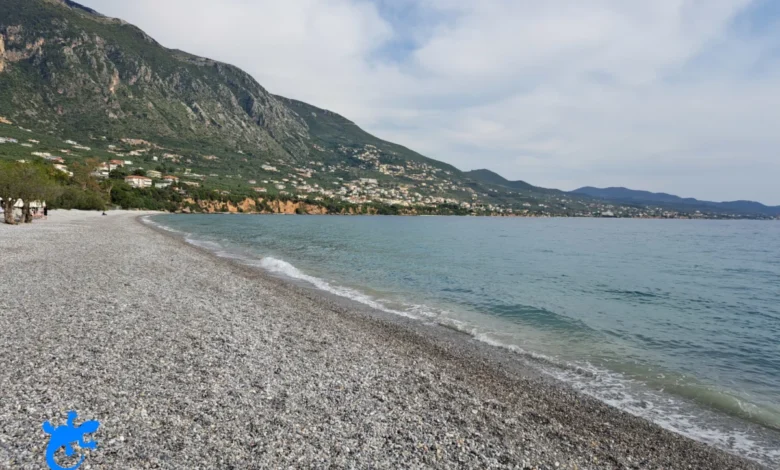
The coastline surrounding Kalamata is defined by the stark contrast between the towering Taygetus mountain range and the deep cerulean waters of the Mediterranean. This topography has historically served as a natural barrier, preserving the region from the rapid, large-scale commercial development seen elsewhere in Greece. As a result, the beaches of the Peloponnese—many of which have been designated as part of the Natura 2000 network—remain ecological sanctuaries.
The integration of tourism with environmental stewardship has become a focal point for regional authorities. In collaboration with organizations such as Mythical Peloponnese, local stakeholders are implementing strategies to promote sustainable tourism. These efforts aim to protect endemic biodiversity, including the nesting sites of the Caretta caretta (Loggerhead sea turtle), while maintaining the economic viability of the coastal towns that rely on seasonal tourism.

A Curated Selection of Coastal Destinations
The following list identifies ten beaches of significant interest within the proximity of Kalamata, selected for their historical importance, ecological status, and recreational offerings.
1. Kalamata Beach
As the urban coastline of the city, Kalamata Beach serves as the primary hub for regional tourism. Awarded the Blue Flag certification—a prestigious eco-label awarded to beaches that meet stringent environmental, educational, and safety criteria—the beach spans several kilometers. Its urban integration offers a unique duality: the convenience of a modern boardwalk filled with commercial amenities, paired with high-quality water standards. It serves as the baseline for regional tourism, effectively managing high foot traffic through its expansive sandy layout.
2. Stoupa Beach
Located further south, Stoupa has evolved from a small village into a favored destination for families. The area is characterized by shallow, protected waters that provide a safe environment for younger swimmers. The local infrastructure reflects a balanced development model, featuring a pedestrian-friendly esplanade that supports local tavernas and smaller, boutique-style accommodations, effectively avoiding the high-rise sprawl of larger international resorts.
3. Santova Beach
Santova represents the shift toward the "lifestyle" beach segment. Situated just a short drive from the city center, it is a primary venue for organized beach events. Its pebble-and-sand composition and the prevalence of beach bars indicate a market target focused on the demographic of younger, leisure-seeking travelers.

4. Mikri Mantinia Beach
The village of Mikri Mantinia provides a specialized experience for families. Beyond the standard beach offerings, the area has invested in water-based recreational facilities. Its proximity to the foothills of the Taygetus mountains creates a unique microclimate that often remains cooler than the city center, a factor frequently cited in regional tourist surveys as a primary reason for repeat visits.
5. Voidokilia Beach
Perhaps the most scientifically and historically significant beach in the region, Voidokilia is part of the Gialova Lagoon, a protected area under the EU Habitats and Birds Directives. The beach is a semi-circular bay that remains largely untouched by modern construction. Its importance extends to the archaeological sites surrounding it, including Nestor’s Cave and the ruins of the Old Navarino Castle. The site serves as a case study for the successful integration of heritage conservation and public access.
6. Peroulia Beach
Peroulia offers a landscape characterized by dense vegetation and olive groves. It serves as a reminder of the agricultural heritage of the Messinia region. The beach is noted for its high-quality water and is favored by those seeking a more tranquil, natural environment away from the urbanized sections of the coast.
7. Foneous Beach
Located near Kardamili, Foneous is an example of a small-scale, high-value natural asset. Measuring less than 100 meters in length, its geographical composition—dramatic limestone cliffs and sea caves—makes it a focal point for geological tourism. Its status as a "hidden gem" is sustained by the local community’s efforts to maintain its natural aesthetic, limiting large-scale commercial signage or development.

8. Mavrovouni Beach
Situated on the eastern coast of the Mani Peninsula, Mavrovouni is one of the most expansive stretches of sand in the region. At six kilometers in length, it is uniquely positioned to handle high visitor volume without the congestion common to smaller beaches. It is a critical site for the study of coastal winds, attracting an international community of windsurfers, and acts as a vital habitat for the Loggerhead sea turtle, necessitating strict local enforcement of nighttime beach usage rules during nesting seasons.
9. Kalogria Beach
Beyond its natural beauty, Kalogria holds a significant position in modern literary history. As the setting for Nikos Kazantzakis’s Zorba the Greek, the beach has become a site of cultural pilgrimage. The preservation of this site is often cited by regional tourism boards as a method of "cultural branding," linking physical geography to international literature to attract a diverse demographic of visitors.
10. Kitries Beach
Kitries serves as a hub for the regional fishing industry. Unlike the larger, amenity-heavy beaches, the draw here is the culinary experience. The direct link between the local fishing fleet and the shoreline tavernas provides an example of a "short-circuit" supply chain, which is increasingly becoming a benchmark for sustainable tourism in the Mediterranean.
Broader Economic and Environmental Implications
The development of these beaches is not merely a matter of leisure but a complex economic strategy for the Peloponnese. Official projections from the Ministry of Tourism suggest that the "lesser-known" beaches of the mainland are vital for mitigating the environmental and social pressures on more popular islands like Mykonos or Santorini. By diversifying the tourism product, the Peloponnese is attempting to extend the tourism season beyond the peak summer months.

However, this growth brings challenges. The increased foot traffic in ecologically sensitive areas like the Gialova Lagoon requires constant monitoring. Local authorities are currently evaluating the impact of seasonal tourism on water quality and waste management systems. The objective is to maintain the Blue Flag status of these locations, which serves as a primary marketing tool for international tour operators.
Furthermore, the integration of history and nature—such as the archaeological sites near Voidokilia—adds a layer of educational value to the tourism experience. This model of "cultural-ecological tourism" is likely to define the future of the region. By focusing on the preservation of the landscape and the support of local, small-scale businesses, the Peloponnese is positioning itself as a sustainable alternative in an increasingly competitive global travel market. As the region continues to develop its infrastructure, the emphasis remains on balancing the demands of global visitors with the preservation of the natural and historical assets that make the Peloponnese a unique destination.
Related posts: