Exploring the Wonders of Egypt with an Infant: A Comprehensive Guide for Adventurous Families

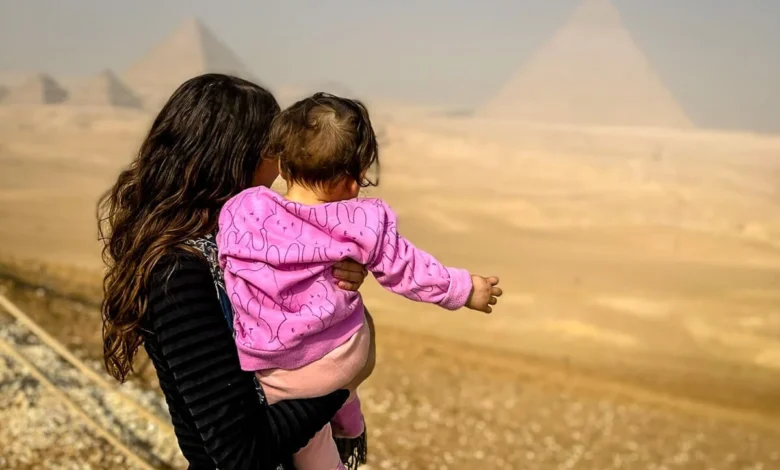
Traveling to Egypt with an infant presents a unique intersection of ancient history and modern logistical challenges. While the nation’s iconic landmarks—ranging from the Giza Plateau to the temples of the Nile—are among the world’s most significant cultural treasures, navigating these sites with a nine-month-old requires meticulous planning. Recent travel trends indicate a growing demographic of adventurous parents who are unwilling to forgo international travel during their children’s infancy, viewing these experiences as essential for family bonding and early-childhood enrichment.

The logistics of an Egyptian excursion begin at Cairo International Airport. For travelers from the United States and most European nations, the procurement of an e-Visa prior to arrival is a critical step that bypasses the administrative delays of on-site visa processing. Currency management remains a foundational element of travel in the region; while the Egyptian pound is the local currency, the presence of standardized, government-regulated taxi desks at the airport provides a secure and transparent alternative to the informal, often unpredictable, transport offers typically encountered in the arrivals hall. These official services issue receipts detailing the driver’s identity and the fixed fare, thereby eliminating the need for negotiation.

Strategic accommodation is perhaps the most vital component for families traveling with infants. In Cairo, the neighborhood of Maadi offers a stark contrast to the dense, high-traffic urban centers. Characterized by its greenery and status as a primary hub for the expatriate community, Maadi provides a predictable, family-friendly environment with easy access to modern amenities and pediatric services. Conversely, the immediate vicinity of the Giza Pyramids, while geographically convenient, is often cited by travelers as lacking the infrastructure and residential quality required for a comfortable stay with an infant.

In the southern reaches of the country, Aswan presents a distinct experience, particularly on Elephant Island. This locale is notable for its car-free environment, which is a significant safety advantage for families with mobile toddlers or infants in carriers. The local hospitality sector, featuring guesthouses run by Nubian families, offers an authentic immersion into the region’s culture. For those requiring the amenities associated with global hospitality brands, the Mövenpick Resort on Elephant Island or the historic Sofitel Legend Old Cataract provide international standards of comfort, including high chairs, baby cots, and high-quality food preparation standards that mitigate health risks.

Transportation infrastructure in Egypt remains a point of contention for international visitors. While the proliferation of ride-sharing platforms like Uber has improved accessibility, the scarcity of functional, high-quality safety restraint systems remains a reality. Seasoned travelers emphasize that parental vigilance is non-negotiable; in many instances, this requires testing multiple vehicles before locating one with functional seatbelts to accommodate a travel car seat. The practice of holding infants on laps during transit, while common in local culture, is strongly advised against by international travel health organizations.

Safety in Egypt is often a topic of inquiry for prospective tourists. The general guidance from global intelligence and foreign office advisories remains consistent: maintain awareness of surroundings, avoid politically sensitive areas or demonstrations, and adhere to standard precautions regarding hygiene. The consumption of tap water is strictly discouraged, as is its use for brushing teeth. By applying basic common sense and focusing on established tourist routes, the risk of negative encounters is statistically low. Furthermore, the local population is overwhelmingly hospitable toward families, frequently engaging with infants in a manner that reflects the region’s deep-seated cultural appreciation for children.

For those planning a two-week itinerary, a balanced approach is recommended to prevent travel fatigue. A typical schedule might allocate four days to Cairo to cover the Citadel of Saladin, the Islamic architecture of the Muizz Street area, the National Museum of Egyptian Civilization, and the Giza Plateau. Following this, a flight to Aswan allows for three days of exploration, including the Philae Temple—situated on an island and accessible by motorboat—and the Unfinished Obelisk. Luxor, with its high density of pharaonic sites, serves as the next logical stop, offering the Valley of the Kings and the Karnak Temple complex. The trip concludes with a transit to the Red Sea coast in Hurghada, where the focus shifts to relaxation.

The logistical feasibility of visiting these sites is significantly enhanced by the use of appropriate gear. Sidewalks in older parts of Egypt are notoriously uneven, rendering standard strollers largely ineffective outside of large, modern shopping malls or resort grounds. A high-quality baby carrier is essential for navigating the dusty paths of the Valley of the Kings or the narrow corridors of the Khan el-Khalili bazaar. While baby food is readily available in major urban centers through retail chains like Carrefour or via delivery applications like Breadfast and Talabat, parents are encouraged to carry a portable changing mat, as public facilities are not as standardized as those in North America or Europe.

The timing of such an excursion is perhaps the most critical factor. The climate in Egypt is extreme; summer temperatures can reach levels that are hazardous for infants. The period between mid-autumn and early spring is the optimal window for travel. However, prospective visitors should consult the calendar for the month of Ramadan. During this period, the rhythms of the country shift; many businesses operate on adjusted hours, and food service outside of hotel premises can be significantly restricted during daylight hours.
Reflecting on the broader impact of such travel, the experience serves as a testament to the adaptability of modern families. The ability to visit the site of ancient civilizations while managing the needs of a nine-month-old child underscores the importance of preparation and the universal language of human connection. The interactions between the local population and the visiting family often bridge cultural divides, as children are frequently the focal point of community interaction.

Ultimately, the decision to take an infant to Egypt involves weighing the logistical burden against the educational and personal value of the experience. The consensus among those who have undertaken such a journey is that while the trip requires a departure from the convenience of domestic travel, the cultural rewards are unparalleled. By choosing family-oriented accommodations, prioritizing safety in transit, and maintaining a flexible, child-centered pace, the journey through the cradle of civilization can be as manageable for a parent as it is memorable for the family. As the global travel landscape continues to evolve, the integration of family-centric needs into international itineraries will likely remain a hallmark of the modern, informed traveler.