When Chef Enrique Olvera inaugurated his flagship restaurant, Pujol, in the heart of Mexico City in 2000, the local fine-dining landscape was largely stagnant. At the time, the concept of a white-tablecloth establishment applying rigorous, high-concept techniques to indigenous ingredients like mole was not merely novel; it was largely unheard of within the domestic market. More than two decades later, that singular vision has served as the catalyst for a radical transformation of the Mexican capital, propelling it from an overlooked regional hub into one of the most significant cultural and luxury destinations in the world.
The ascent of Mexico City is no longer a localized trend but a documented economic phenomenon. As of 2025, the city hosted approximately 15.5 million hotel guests, marking a nearly 5 percent increase over the previous year. This influx of capital and visitors has fundamentally altered the city’s urban character, creating a surge in demand for bespoke experiences, high-end hospitality, and curated retail that matches the sophistication of global capitals like London, Tokyo, or Paris.
A Chronology of Transformation: From Polanco to the World Stage
The trajectory of this shift can be traced through a few pivotal milestones. In the early 2000s, Mexico City often struggled with a reputation for instability and safety concerns, which acted as a significant barrier to international tourism. Pujol, which eventually relocated from its original, intimate quarters in Polanco to a sprawling, modernist space designed to blur the lines between indoor dining and nature, became a beacon for "gastronomic tourism."

By the time the Michelin Guide officially arrived in Mexico City in 2024—awarding Pujol two stars—the city had already established a critical mass of world-class culinary talent. This institutional recognition served as the final validation for a scene that had been maturing for years. However, the transformation extends well beyond the plate. The last decade has seen a deliberate, systematic development of the city’s cultural infrastructure, including the rise of influential art spaces such as the 2022 opening of the contemporary gallery and cultural center LagoAlgo, and the 2023 launch of Masa. These institutions have transformed the city into a mandatory stop for the international art set, complementing the long-standing brilliance of the Museo Nacional de Antropología.
The Rise of the Ultra-High-Net-Worth Experience
As the profile of the average visitor has shifted toward the ultra-high-net-worth (UHNW) demographic, the demand for personalized service has skyrocketed. Mónica Quintero, a Mexico City-based luxury concierge and co-founder of Odysya, notes that the nature of requests from her clients has fundamentally changed. "They are no longer just looking for a reservation at a famous restaurant," Quintero explains. "They are looking for deep, local, and exclusive access to the city’s private art collections, architectural tours, and design studios."
This shift has created a new economic reality for local businesses. Eduardo Plaschinski, who alongside his mother, Karen Plaschinski, operates the successful all-day dining brand Niddo, has witnessed this growth firsthand. Expanding from a staff of 15 to 100 employees across six locations in less than a decade, the Plaschinskis represent the successful scaling of local entrepreneurship in response to the city’s newfound popularity. "People were always scared of coming here," Eduardo notes. "The reputation has shifted, and the city is now being viewed through a lens of immense opportunity."
The Boutique Hospitality Boom
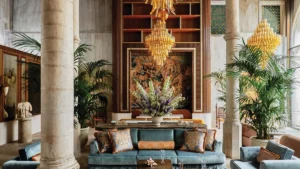
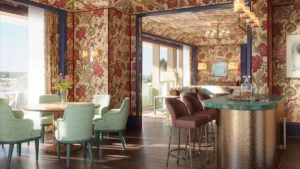
Perhaps the most visible sign of this evolution is the transformation of the city’s lodging market. Historically dominated by international luxury chains like the Four Seasons, the market has seen a rapid influx of independent, high-end boutique properties that emphasize a "sense of place."

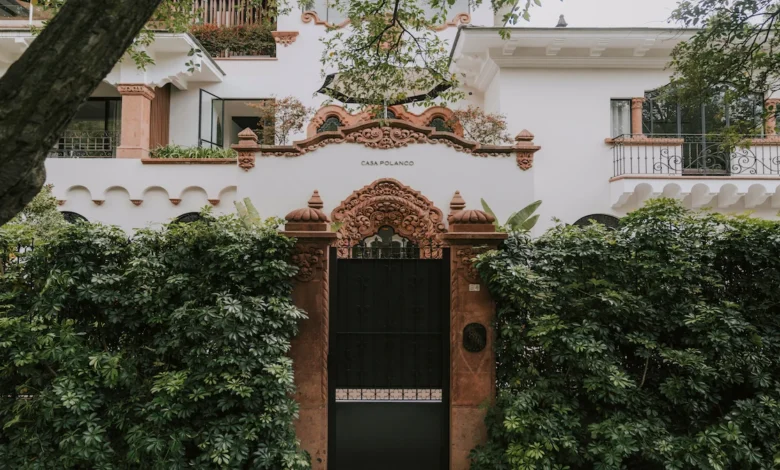
Casa Polanco, which opened in 2022, serves as a prime example. Situated in a restored 1940s mansion overlooking the greenery of Lincoln Park, the hotel offers an aesthetic experience that feels curated rather than corporate. Similarly, the recent debut of El Cortés, a Relais & Châteaux property in the Roma neighborhood, signals a move toward smaller, more intimate luxury. With only 15 rooms and an art collection curated by proprietor Carlos Zaragoza, the hotel provides a level of exclusivity that appeals to the modern traveler who seeks to avoid the cookie-cutter experience of mass-market resorts like those found in Los Cabos or Punta Mita.
Economic Implications and the Retail Shift
The luxury retail sector is following the hospitality boom, with a projected 5 percent growth in the luxury market over the next five years, according to WGSN analyst Catalina Marín. This growth is driven by a unique synergy between international heritage brands and local Mexican identity.
Major houses, including Cartier, have begun to integrate local historical contexts into their presence in the capital. The 2023 exhibition Cartier Design: A Living Legacy at the Museo Jumex was a watershed moment, demonstrating that luxury brands can no longer simply transplant global marketing strategies; they must engage with the local culture to remain relevant. "We are seeing a lot of synergies between local events and these designers," Marín notes. "The international visitor is surprised to see a window from an international brand that highlights a local artist or a connection to Mexican tradition."
This, in turn, has fueled the success of local brands. Montserrat Messeguer, a label specializing in high-end western wear and artisanal boots, has transcended its regional roots to find an international following, including global celebrities. Similarly, the emergence of luxury concept stores like Lengua and the rise of local design stars like LVMH Prize finalist Patricio Campillo illustrate that Mexico City is no longer just a consumer of luxury—it is a producer of it.

Challenges of Rapid Urban Expansion
Despite the undeniable economic benefits, this rapid ascent has brought significant challenges. The gentrification of neighborhoods like Roma, Condesa, and Juárez has led to rising real estate costs and concerns regarding the displacement of long-term residents. As the cost of living climbs to meet the demands of international travelers and digital nomads, the city faces the classic dilemma of modern urban growth: how to accommodate global investment while preserving the cultural fabric that made the city attractive in the first place.
However, for stakeholders like Quintero and the Plaschinskis, the prevailing sentiment remains one of optimism. The influx of visitors and the maturation of the luxury sector have brought professional opportunities and infrastructure improvements that were previously inaccessible.
Conclusion: A City at a Crossroads
Mexico City’s transition into a top-tier global destination is complete. It has successfully moved past the era where its appeal was primarily rooted in affordability or novelty. Today, it stands as a sophisticated, multi-faceted metropolis that offers a level of depth—in its art, its gastronomy, and its hospitality—that few cities can match.
As the luxury market continues to diversify, the focus for the city’s leaders and business owners will likely shift toward sustainability and managed growth. The challenge moving forward will be to maintain the "local" essence that defines the city’s unique charm while continuing to provide the world-class service that the new, discerning demographic of global travelers now expects. With its blend of historic, colonial architecture, cutting-edge contemporary design, and a culinary scene that continues to set global benchmarks, Mexico City has effectively redefined its role on the world stage, asserting itself not just as a capital of a nation, but as a capital of culture.