The Royal Theater of Rabat: A Monumental Bridge Between Moroccan Heritage and Future Ambition

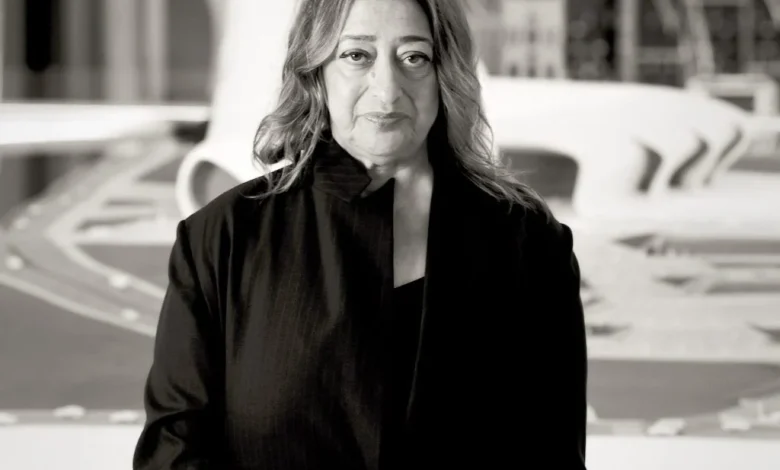
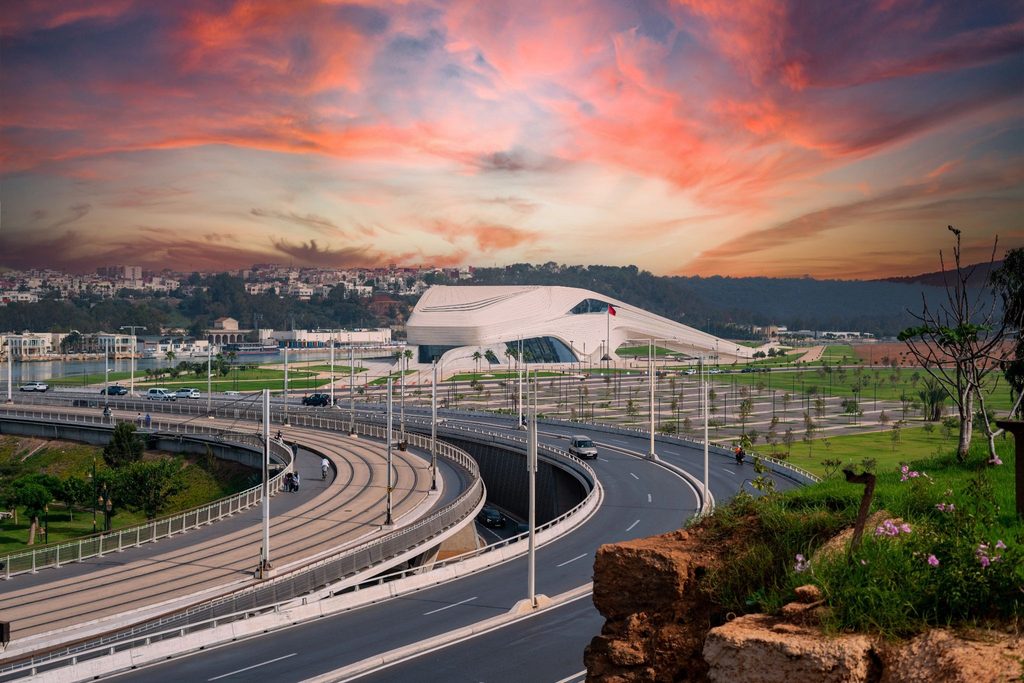
The Royal Theater of Rabat officially opened its doors to the public in April 2026, marking the culmination of a fifteen-year architectural odyssey that bridges the vision of the late Pritzker Prize laureate Zaha Hadid with the modern cultural aspirations of the Kingdom of Morocco. Situated at the mouth of the Bouregreg valley, the structure serves as a pivotal element in the Rabat, City of Lights initiative—a strategic urban development program aimed at elevating the Moroccan capital’s global stature. Following a decade of design conceptualization and a five-year intensive construction phase, the theater’s inaugural performance on April 22, 2026, featuring 100 local artists and the Orchestre Philharmonique du Maroc, signaled a new era for North African performing arts.
A Chronology of Construction and Conception
The timeline of the Royal Theater is a testament to the long-term planning required for monumental infrastructure. The project was conceived around 2010 when the Zaha Hadid Architects (ZHA) firm began drafting designs that would eventually define the landscape of the Bouregreg riverfront. Construction officially broke ground in 2014, requiring complex engineering to achieve the building’s signature fluid, organic geometry. By 2021, the primary structural shell was finalized.
Despite the formal inauguration in October 2024—conducted during a high-profile state visit by French President Emmanuel Macron—the facility underwent extensive technical calibration and interior outfitting before its operational debut. The wait, while lengthy, was necessitated by the intricate requirements of the theater’s acoustic systems and stage machinery, which represent some of the most advanced technological integrations on the African continent.
Architectural Significance and Design Philosophy
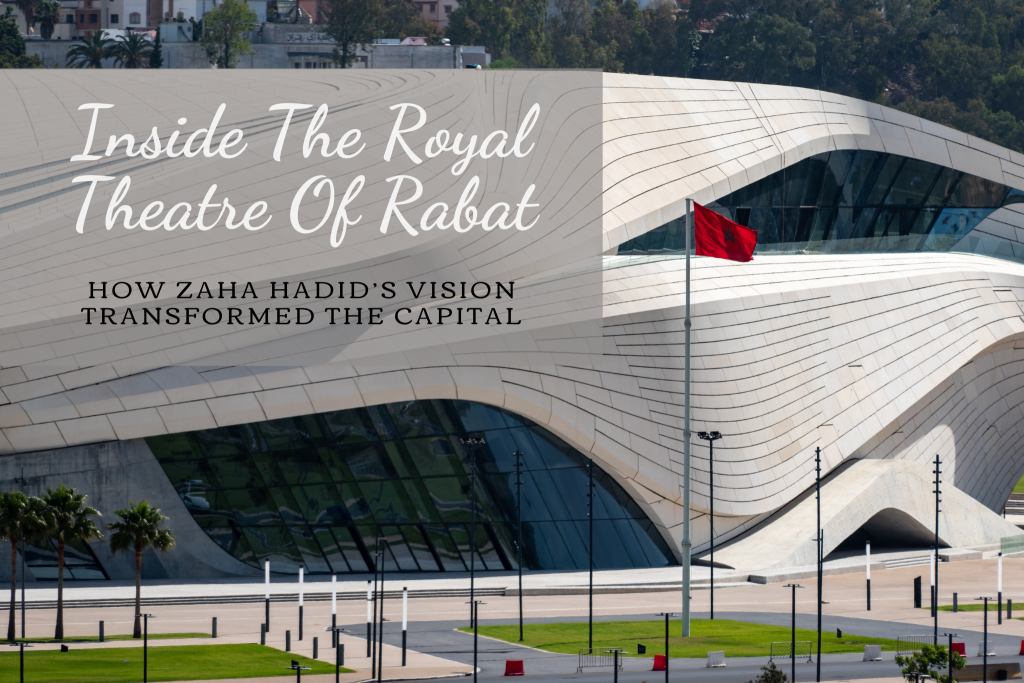
Zaha Hadid, who passed away in 2016, famously sought to defy the limitations of the "right angle." The Royal Theater of Rabat stands as one of her final major commissions, executed posthumously by her firm under the direction of Patrik Schumacher. The building’s design is a dialogue between futuristic form and traditional Moroccan aesthetics.
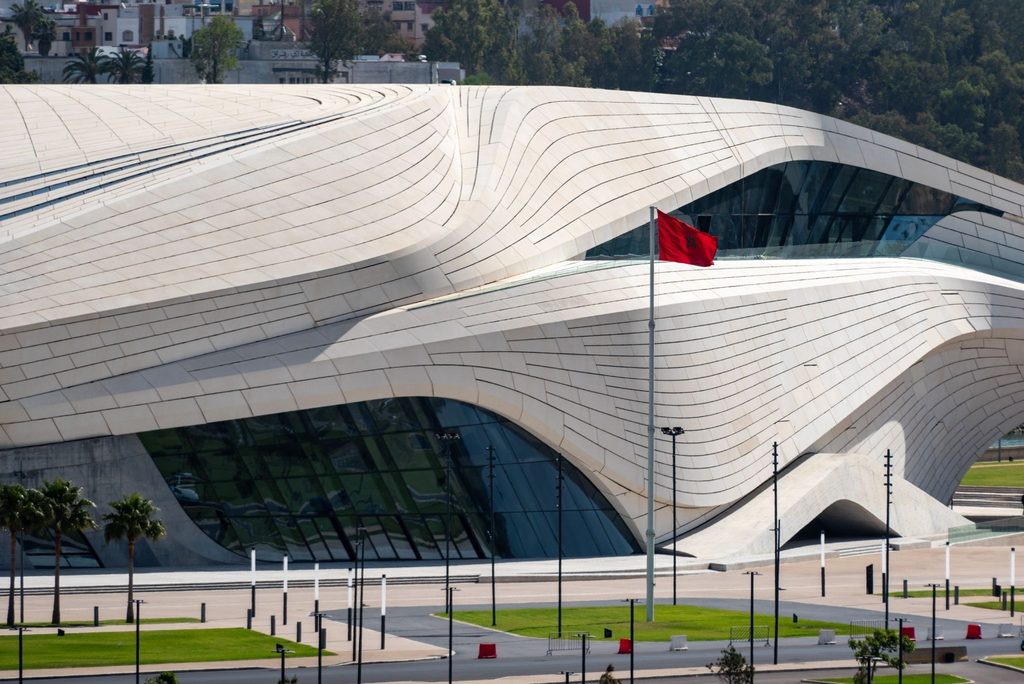
The exterior, characterized by undulating white surfaces that appear to shift with the Atlantic light, draws inspiration from the geometry of zellige tilework and the intricate patterns of Islamic architecture. Unlike traditional structures that impose themselves upon the landscape, the theater’s fluid design mimics the natural erosion patterns of the Bouregreg valley. This "dynamic architecture" is intended to evoke a sense of movement, reflecting the fluidity of the river it overlooks and the evolving nature of Moroccan culture itself.
Technical Infrastructure and Capacity
The theater is engineered to support a diverse range of artistic disciplines, addressing a historical gap in Morocco’s cultural infrastructure. The facility comprises three primary performance zones:
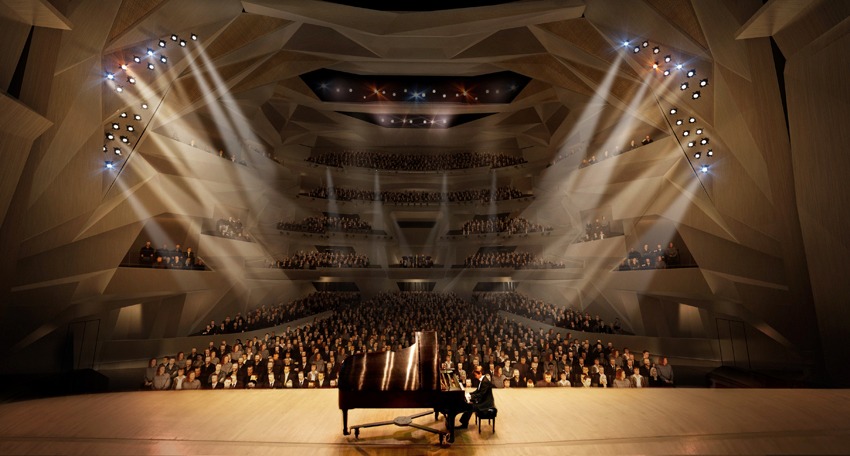
- The Main Auditorium: With a capacity of 1,800, this space is acoustically optimized for grand-scale productions, including opera, symphonic concerts, and large-scale ballet.
- The Studio Theater: A 520-seat venue designed for intimate performances, experimental theater, and smaller chamber music ensembles.
- The Open-Air Amphitheatre: Capable of hosting 7,000 spectators, this space is strategically oriented toward the river, providing an ideal setting for large-scale festivals and cultural events that define the Moroccan seasonal calendar.
The technological sophistication of the stage machinery ensures that the venue can compete with major global cultural centers in London, Paris, and New York, facilitating international-standard productions without the need for significant logistical compromise.
Strategic Context: Culture as Economic Infrastructure
The development of the Royal Theater is not merely a cultural project; it is a key pillar of the "Rabat, City of Lights" master plan. Under the directives of King Mohammed VI, the capital has undergone a massive structural transformation. The objective is to leverage culture as an engine for economic growth, tourism development, and soft power.

Morocco’s artistic landscape is historically rich, encompassing Andalusian classical music, Gnawa ritual music (recognized as UNESCO Intangible Cultural Heritage), Malhun, and various Amazigh folk traditions. Historically, however, these art forms were often performed in underfunded or temporary venues. By providing a permanent, world-class home for these traditions, the state is signaling a transition from being a consumer of global culture to a primary producer and host.
The decision to feature only Moroccan artists at the inaugural performance—led by conductor Dina Bensaïd—was a deliberate policy choice. It served to validate the theater as a house for domestic talent, ensuring that the venue’s primary identity is rooted in the local creative ecosystem rather than the importation of foreign acts.
Implications for Tourism and Regional Development
The theater is located within a historic cluster, neighboring the 12th-century Hassan Tower and the Mausoleum of Mohammed V. Its presence completes a triangle of heritage and modernity that transforms the Bouregreg valley into a major tourist destination.
For international travelers, Rabat has historically functioned as a transit point between the larger tourist hubs of Marrakech and Fes. The addition of the Royal Theater—paired with the existing UNESCO-listed medina—provides a compelling reason for extended stays in the capital. Data from the Moroccan Ministry of Tourism suggests that cultural infrastructure projects of this magnitude typically correlate with a 15-20% increase in overnight stays by international visitors, as they provide a anchor for multi-day itineraries.
The Legacy of Zaha Hadid
The completion of this project holds specific significance within the architectural community as it remains one of the final, tangible expressions of Zaha Hadid’s vision. For her firm, the challenge was to ensure that the building’s execution remained faithful to the early concepts Hadid drafted over a decade ago.
Architectural critics have noted that the building fulfills Hadid’s fundamental mandate for public space: that the structure should be an emotional experience in itself. By integrating the building into the topography of the valley, the architects have ensured that the structure acts as a bridge, both physically and metaphorically, between the historic Salé and the modern urbanism of Rabat.
Future Outlook
While the theater is now operational, its long-term success will depend on the sustainability of its programming and its ability to engage the local community. The challenge for the management of the Royal Theater will be to maintain a balance between elite international programming and the preservation of indigenous Moroccan musical traditions.
The successful launch in April 2026 confirms that the facility is physically prepared for this role. As the Bouregreg river flows between the ancient and the modern, the Royal Theater stands as a permanent fixture, catching the Atlantic light and anchoring the capital in a new, ambitious era of artistic production. For the people of Morocco, the theater represents a long-awaited realization of the country’s potential to command a central place in the global cultural dialogue. The structure stands as a testament to the fact that, in the realm of great public architecture, the wait—however long—is ultimately measured by the enduring impact of the work on the city and its people.