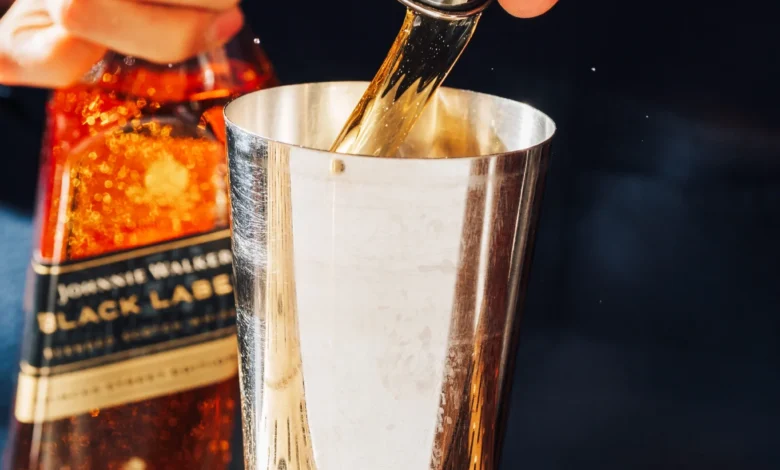
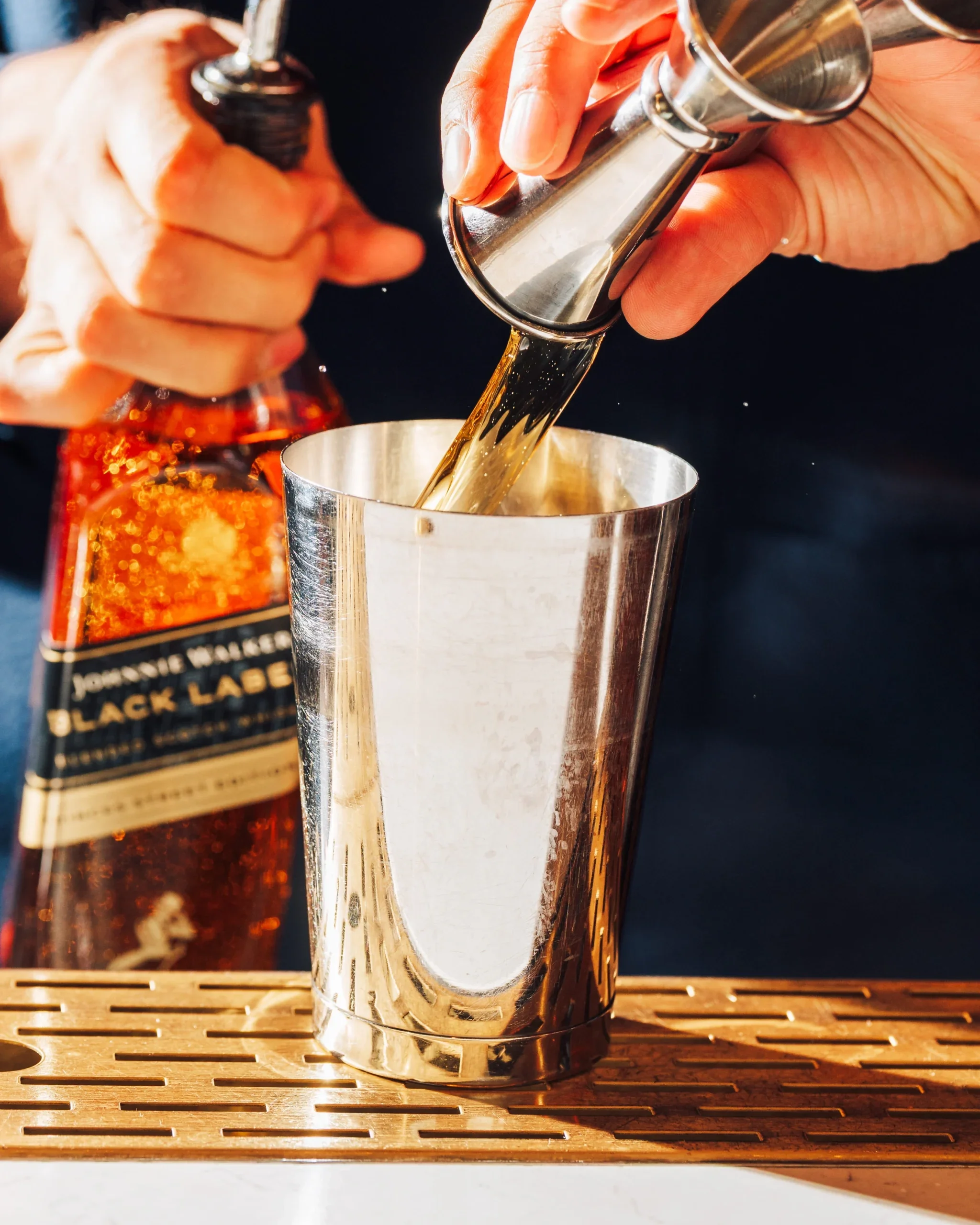
For decades, the mention of Scotch whisky often conjured a singular, rigid image: the amber liquid served neat in a heavy-bottomed crystal glass, perhaps with a solitary drop of water to “open up” the bouquet. This traditionalist dogma, which long insisted that mixing the spirit was a sacrilege, is currently undergoing a radical, nationwide transformation. Across Scotland, a new generation of mixologists is dismantling the old guard’s prohibitions, positioning Scotch as a versatile, complex foundation for the modern cocktail. This cultural shift is reaching its zenith this autumn with the launch of Scotland Served, an ambitious nationwide festival running from October 14 to November 1, 2026, which aims to redefine the global perception of the country’s most famous export.
The festival, encompassing over 400 venues ranging from historic pubs and boutique hotels to avant-garde cocktail bars, serves as both a celebration and a manifesto. It marks a moment where Scotland is moving beyond the “shortbread tin” aesthetic—a term used by local industry veterans to describe the clichéd, nostalgic marketing of the past—and into a cosmopolitan, outward-looking hospitality landscape. By drawing inspiration from the high-octane bar scenes of Hong Kong, Singapore, and London, Scottish bartenders are not merely replicating international trends; they are filtering them through a distinctly Caledonian lens, utilizing local ingredients and a heritage-rich supply chain to innovate in real time.
A Chronology of Change: From Tradition to Innovation
The shift toward the "cocktail-forward" Scotch culture did not happen overnight. It is the culmination of a decade-long investment in visitor experiences and a professionalization of the Scottish bar sector.
In the early 2010s, the focus of the Scotch industry remained almost exclusively on production and the sanctity of the single malt. However, as the global spirits market expanded, brands began to recognize that to engage a younger, more diverse demographic, they needed to meet consumers where they were: in the cocktail bar. By 2020, investment in “experience centers” became the new gold standard.
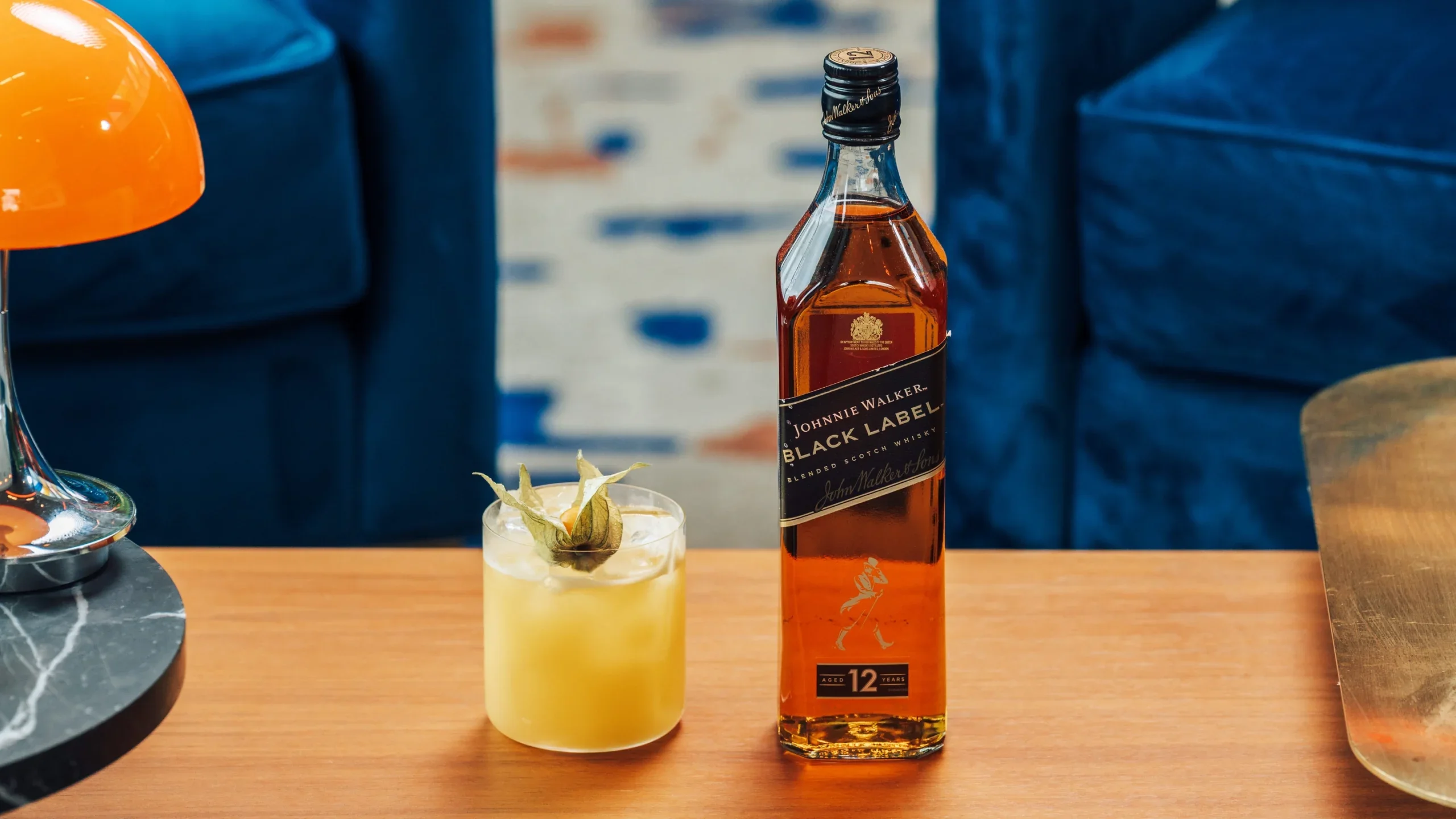
The opening of Johnnie Walker Princes Street in Edinburgh acted as a catalyst for this change. The eight-floor visitor experience, which culminates in the 1820 Rooftop Bar, proved that consumers were hungry for a narrative-driven approach to drinking. This was followed by the 2025 opening of the Eden Mill distillery in St Andrews, which integrated a high-end, top-floor cocktail bar overlooking the Eden Estuary, signaling that the distillery of the future is as much a social hub as a production facility.
Scotland Served acts as the current chapter in this timeline, running concurrently with the World Class Global Finals. This alignment is deliberate. By bringing more than 50 of the world’s most acclaimed bartenders to Scotland, the festival creates an environment of intense peer-to-peer learning and cultural exchange, ensuring that the influence flows both ways.
The Cosmopolitan Shift in Scottish Hospitality
At the heart of this evolution are figures like Barry and Kirstie Oattes, owners of the Kelvingrove Cafe in Glasgow. Their perspective is representative of a broader movement within the Scottish bar community to treat hospitality as a craft on par with culinary arts.
“Scotland’s hospitality scene has evolved enormously,” the Oattes explain. “We have moved beyond the traditional aesthetic and embraced a much more cosmopolitan approach. There is a real appetite among Scottish hospitality professionals to learn, travel, collaborate, and bring new ideas home.”
This ethos of collaboration is visible in the festival’s programming. The ability to take a technique from a Tokyo-based bar—such as the precise, meditative ice carving or the use of seasonal, hyper-local ingredients—and apply it to a peated Islay whisky is what defines this new wave. It is an adaptation, not an imitation. By utilizing the depth and versatility of Scotch, bartenders are finding that the spirit can stand up to, and even elevate, ingredients that were previously considered too delicate for such a robust base.
The Economic and Cultural Implications
The festival is supported by major industry stakeholders, including Diageo, whose brands Johnnie Walker and The Singleton serve as the primary anchors for the event. James Kemp, head of luxury customer marketing and trade advocacy at Diageo, notes that the festival is an essential platform for pride.
“At a time when Scotch is being embraced by cocktail culture around the world, Scotland Served is an opportunity to celebrate the creativity happening in bars across the country,” Kemp stated. “Scotch whisky is something that we should all be extremely proud to call our own.”
The implications for the Scottish economy are significant. Tourism associated with spirits production has historically been concentrated in rural areas surrounding distilleries. By bringing this activation into the urban centers—from the iconic Panda & Sons and Hey Palu in Edinburgh to The Gate and The Absent Ear in Glasgow—the festival bridges the gap between rural production and urban consumption. It creates a seamless narrative for the tourist, who can visit a distillery in the morning and witness the creative culmination of that same spirit in an Edinburgh cocktail bar by night.
Global Talent and Local Stages
The caliber of talent participating in the festival underscores its international significance. The "takeover" model, where visiting world-class bartenders collaborate with local teams, ensures that the festival is a living laboratory of mixology.
The schedule for the 2026 festival is as follows:
- October 17: Ago Perrone (The Connaught Bar, London) and Erik Lorincz (Kwānt, London) at The American Bar, Gleneagles.
- October 17: Lorenzo Antinori (Bar Leone, Hong Kong) at Kelvingrove Cafe, Glasgow.
- October 18: Bannie Kang (Side Door, Singapore) at The Gate, Glasgow.
- October 21: Maura Millia (The Rosewood Chancery, London) at Hey Palu, Edinburgh.
These events are not merely guest appearances; they are designed to showcase how Scotch can transcend borders. For instance, having a mixologist from Singapore—a market that has long been at the forefront of the cocktail movement—work with a Glasgow-based team on a Scotch-based cocktail creates a unique synthesis of global technique and local flavor profile.
The Future of the Spirit
Eleanor Morgan, head of whisky at Diageo GB, emphasizes that the primary goal of this cultural shift is to break down the "traditional expectations" that have kept Scotch in a box for so long. "Scotch is a spirit of incredible depth and versatility," Morgan observes. "There are so many new ways to experience it that go beyond traditional expectations."
This philosophy is likely to have long-term effects on how Scotch is marketed globally. By de-emphasizing the "neat-only" narrative, the industry is opening up the category to a wider demographic. The cocktail culture offers a "gateway" for new consumers who might find the intensity of a neat, high-ABV malt intimidating. Once these consumers are familiar with the flavor profiles of various regions—the brine of the islands, the fruitiness of Speyside, the smoke of Islay—through cocktails, they are statistically more likely to transition to enjoying the spirit in its unadulterated form.
As Scotland Served progresses through the end of October, it leaves behind a legacy of elevated standards. The festival is not just a temporary celebration; it is a signal that the Scottish hospitality industry has arrived on the world stage. By blending the profound heritage of its most iconic product with the cutting-edge trends of international mixology, Scotland is successfully modernizing its image while simultaneously honoring the complex, storied nature of its national spirit. The result is a more inclusive, experimental, and vibrant landscape that invites both the purist and the novice to rediscover Scotch in a glass, shaken or stirred.