The Essential Paris Travel Guide: A Comprehensive Five-Day Itinerary for Navigating the French Capital

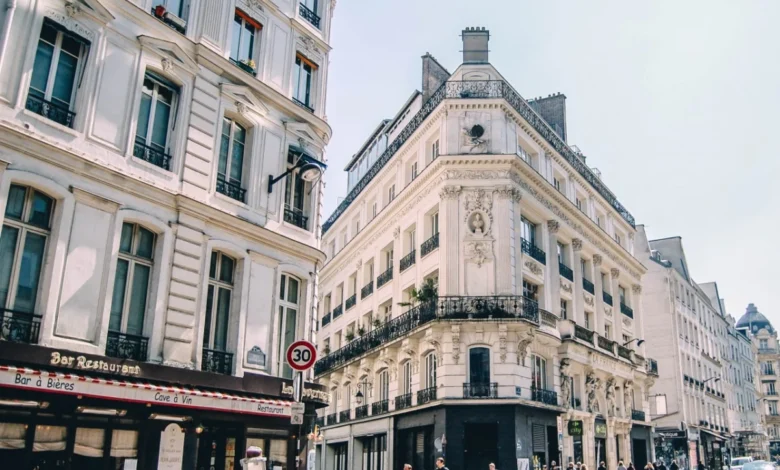
Paris, the capital of France and a global epicenter for art, gastronomy, and historical architecture, remains one of the most visited cities in the world. With an estimated 40 million visitors annually prior to recent global shifts, the city presents a complex logistical challenge for travelers attempting to distill its immense cultural offerings into a short-term visit. This guide provides a structured, data-driven approach to a five-day itinerary, optimized for efficiency and cultural immersion, while offering context on the city’s transit, historical significance, and economic considerations for the modern tourist.
Logistics and Accessibility
Arrival in Paris is primarily facilitated through Charles de Gaulle (CDG) Airport, the second-busiest airport in Europe, which handles over 70 million passengers annually. For those traveling from within Europe, the high-speed rail network (TGV) offers a sustainable and efficient alternative, arriving at key transport hubs such as Gare du Nord, Gare de l’Est, and Gare de Lyon.
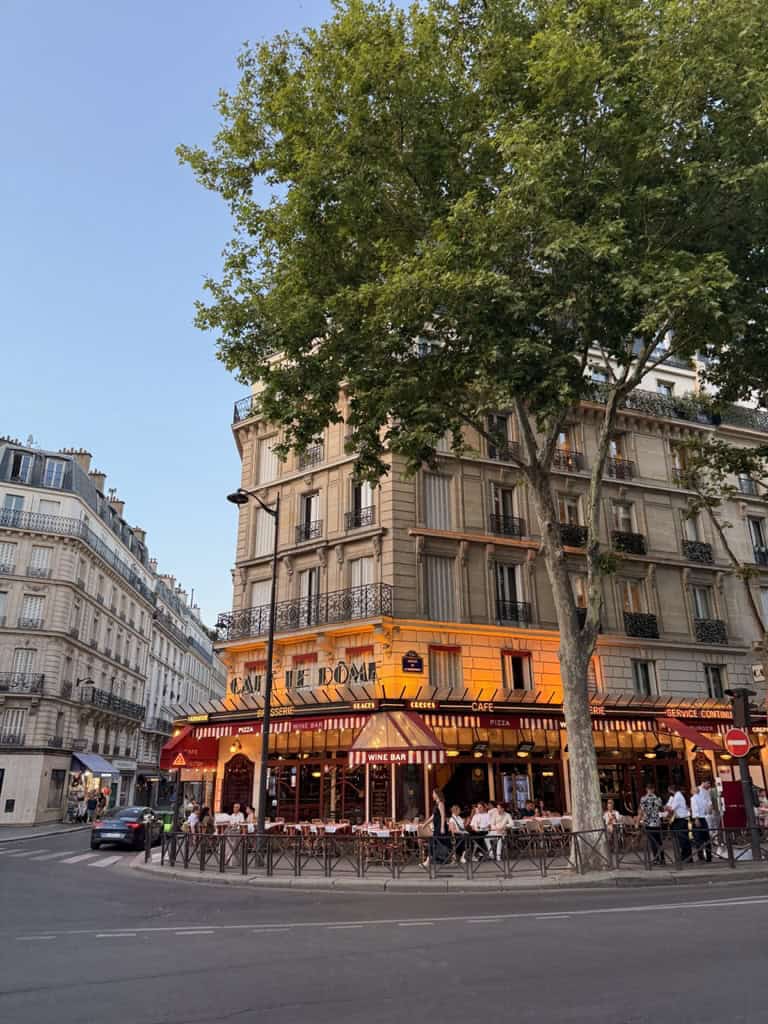
Once within the city, the Paris Métro remains the most efficient transit system. Comprising 16 lines and over 300 stations, the network moves approximately 1.5 billion passengers per year. Experts advise purchasing a multi-day Paris Visite pass, which provides unlimited access to the Métro, bus, and RER lines, significantly reducing the cost compared to individual ticket purchases. While walking is often touted as the best way to experience the city’s architecture, the sheer scale of the 20 arrondissements—each with its own distinct character and zoning—necessitates a combination of public transit and strategic pedestrian routes.
Chronological Itinerary: A Strategic Five-Day Framework
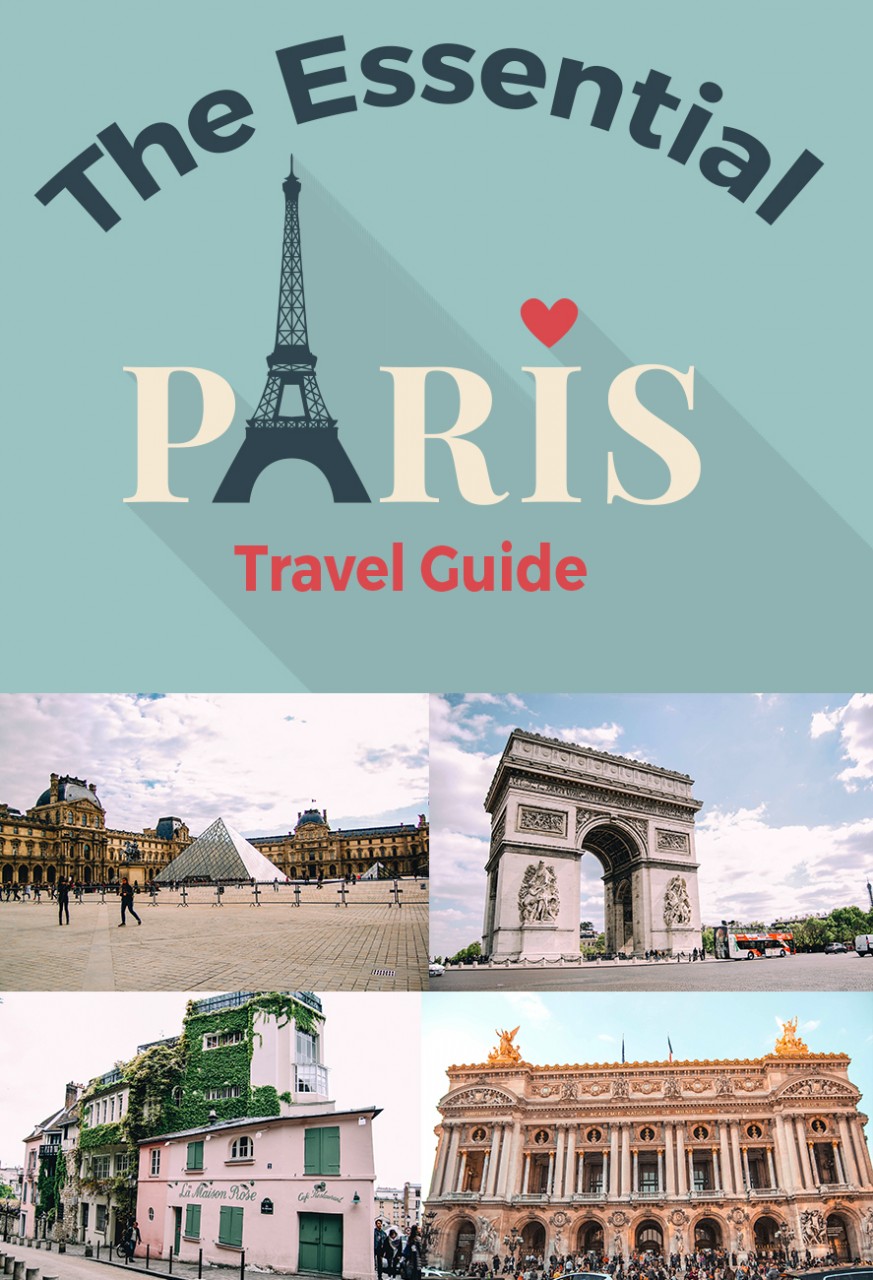
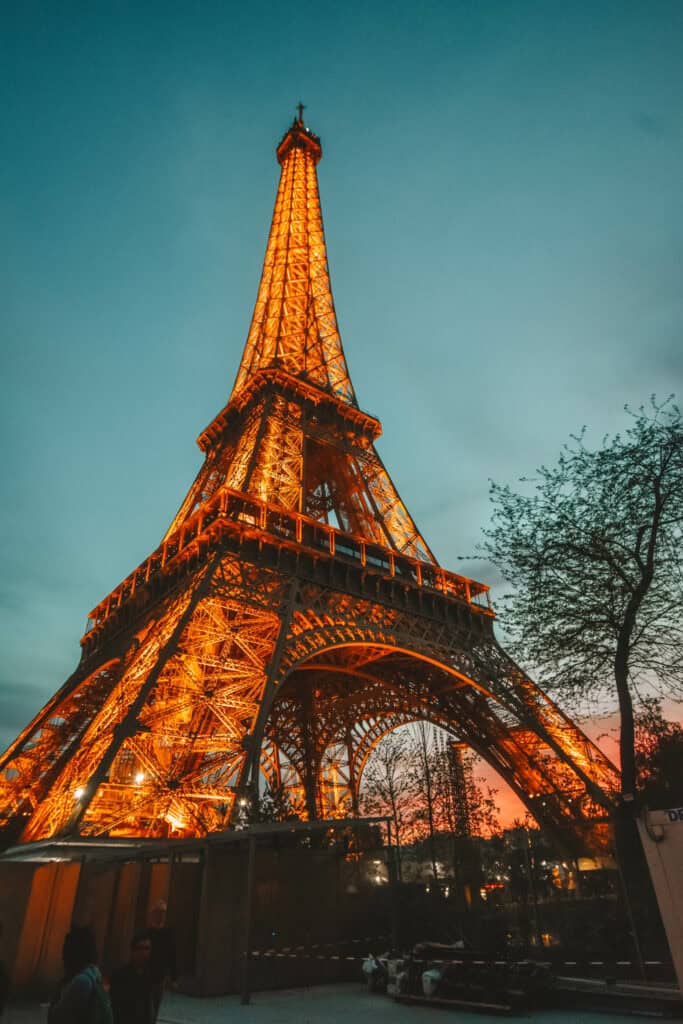
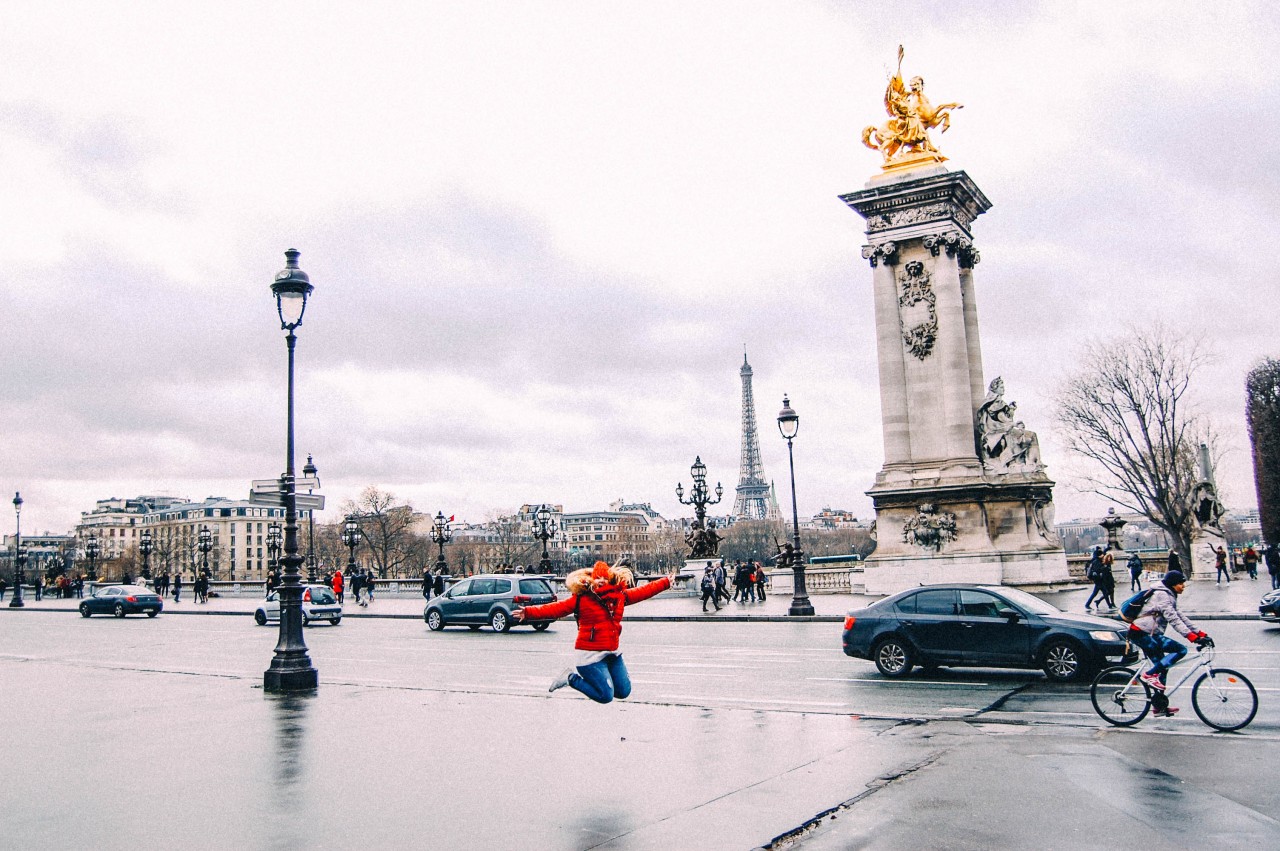
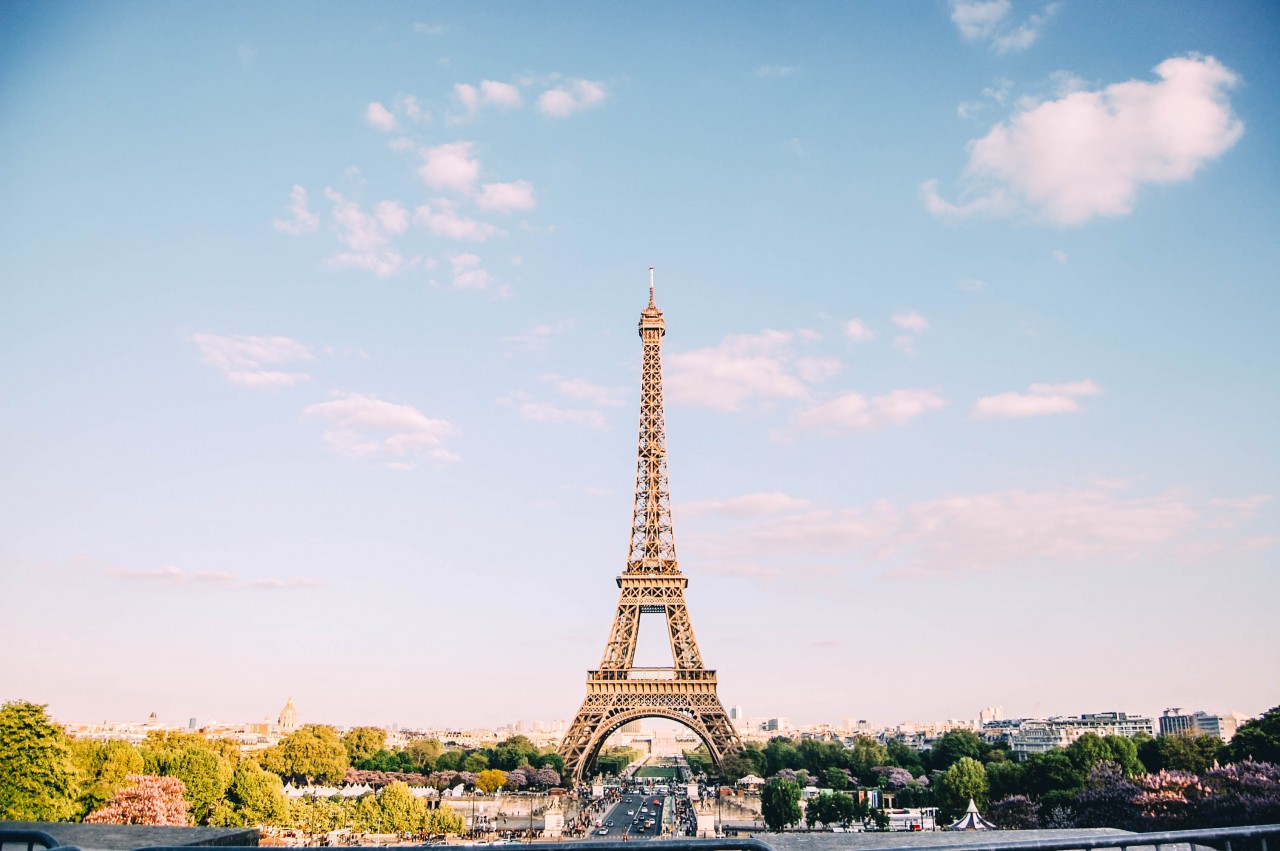
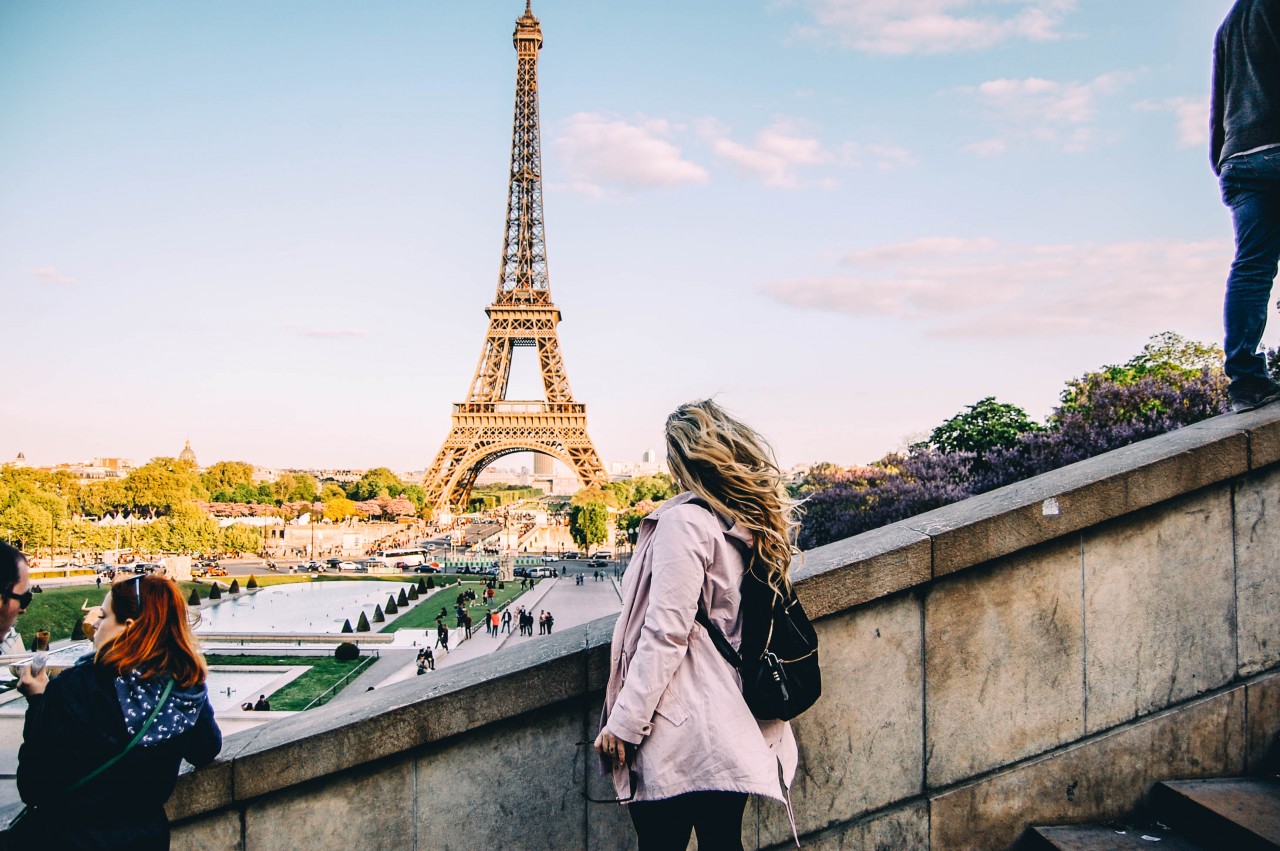
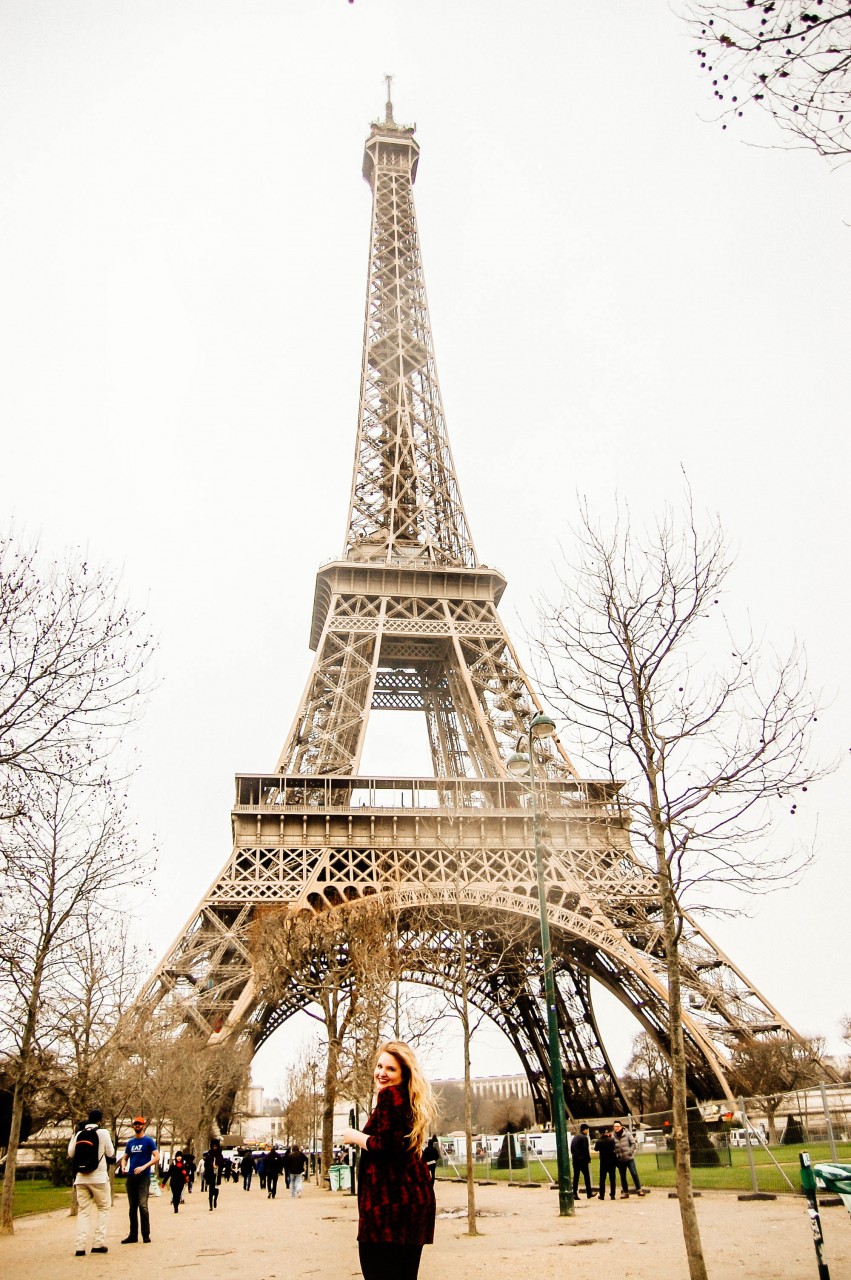
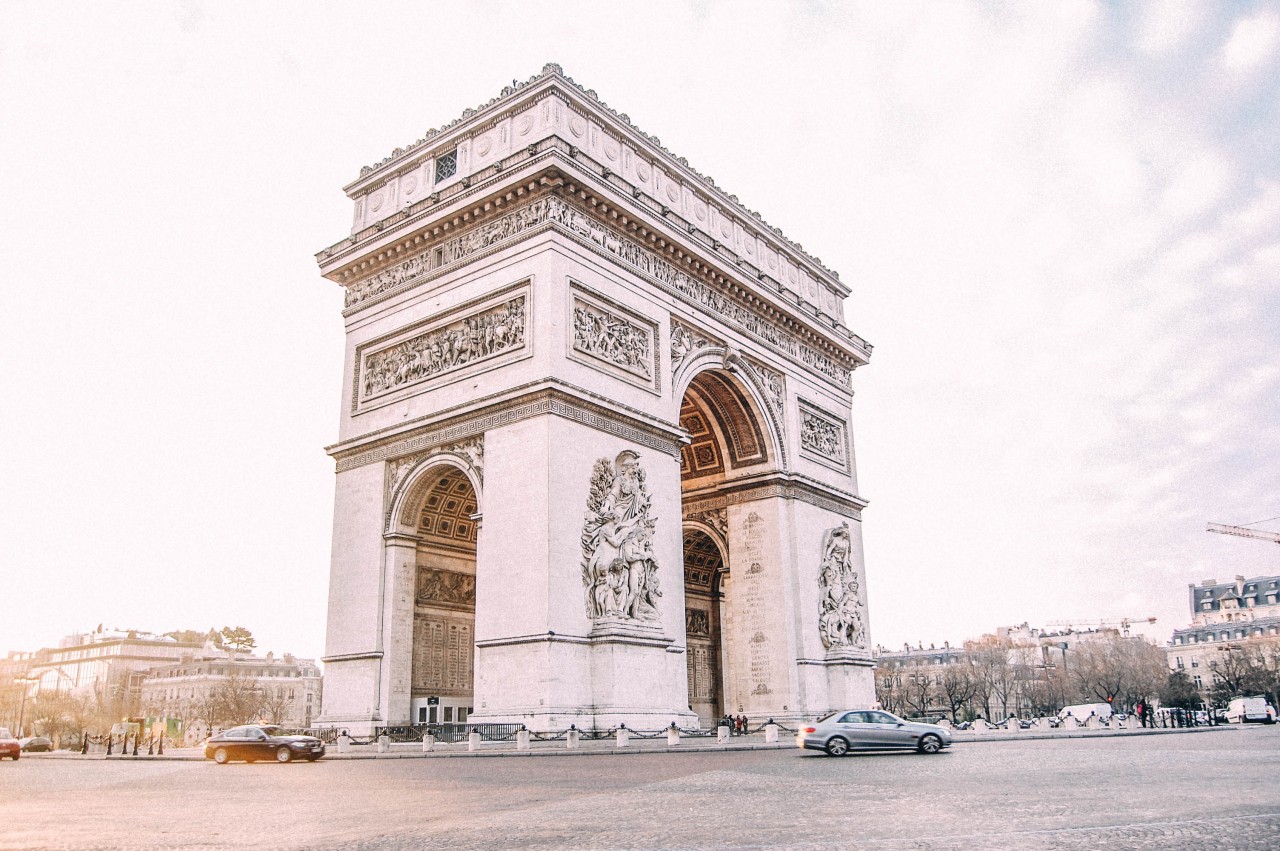
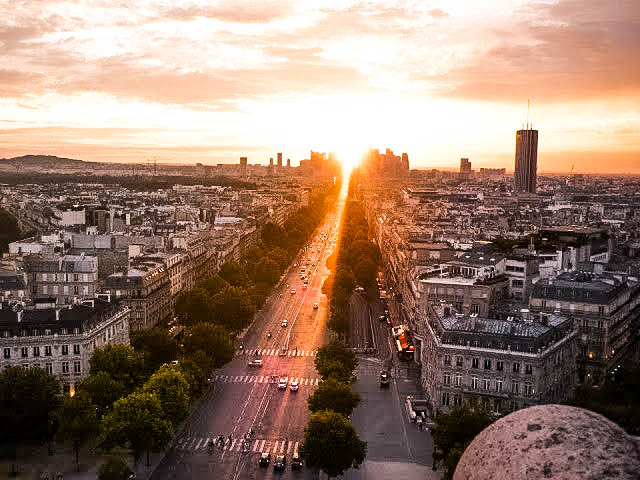
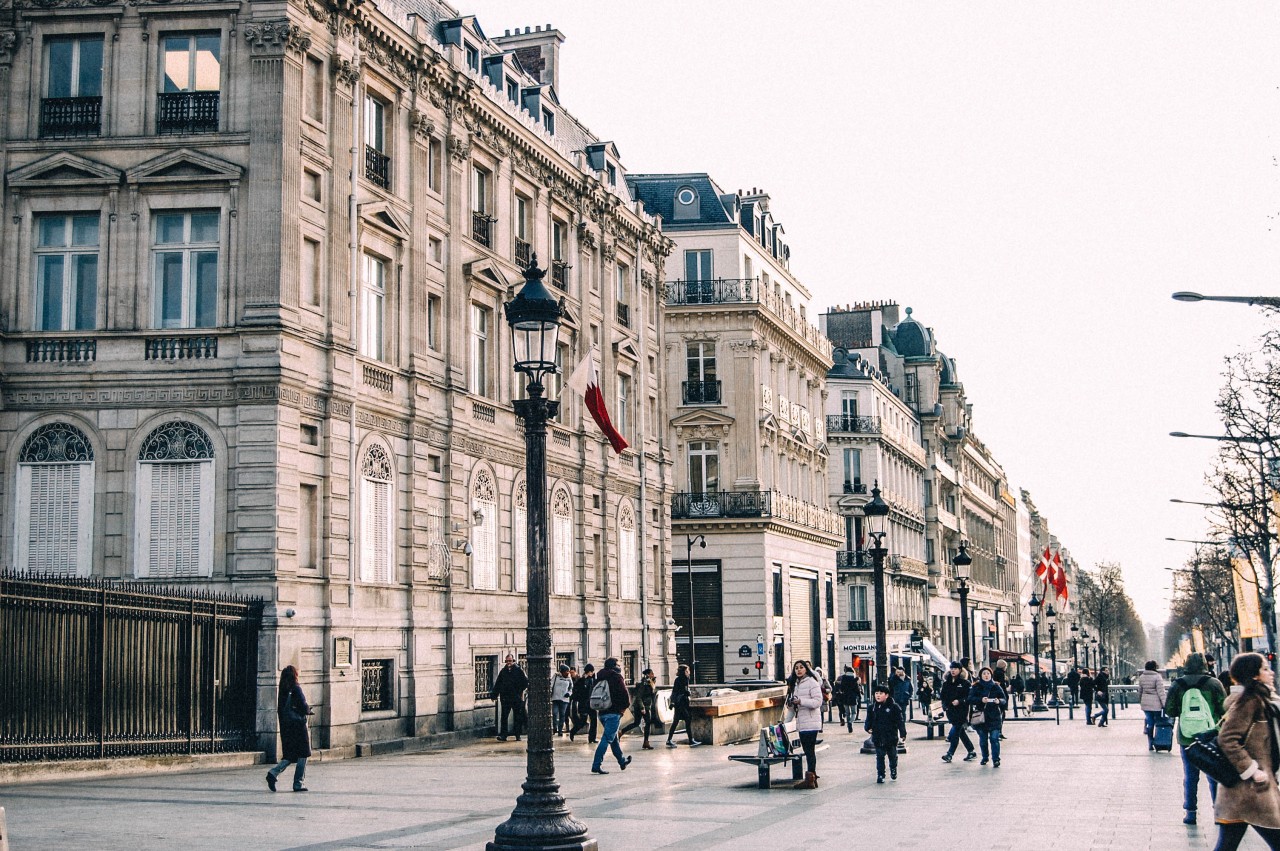
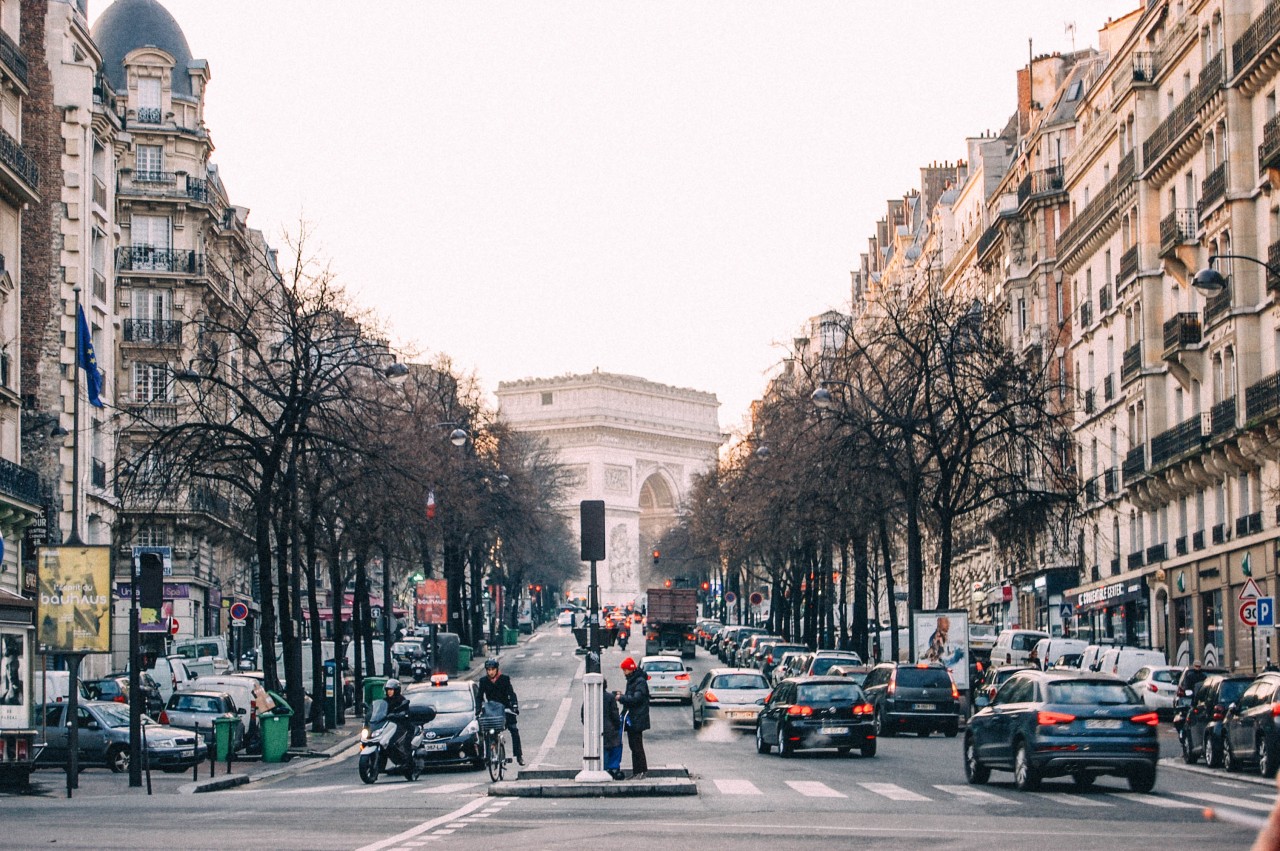
Day 1: The Iconic Landmarks. The itinerary begins at the Eiffel Tower, completed in 1889 for the Exposition Universelle. Statistics show that the tower welcomes nearly seven million visitors each year; therefore, pre-booking tickets at least 60 days in advance is essential. Following the tower, the route proceeds to the Trocadéro for panoramic views, continuing toward the Arc de Triomphe. This monument, commissioned by Napoleon in 1806, sits at the heart of the Place Charles de Gaulle and serves as the western terminus of the Champs-Élysées.
Day 2: Historical Foundations and Art. The second day focuses on the Île de la Cité, the geographical and historical birthplace of Paris. Notre-Dame Cathedral, despite the ongoing restoration following the 2019 fire, remains a central focal point of Gothic architecture. Adjacent is Sainte-Chapelle, renowned for its 13th-century stained glass. The afternoon transitions to the Latin Quarter, an area historically associated with the Sorbonne and student life, before concluding with a visit to the Pantheon, the final resting place of notable French figures such as Victor Hugo and Voltaire.
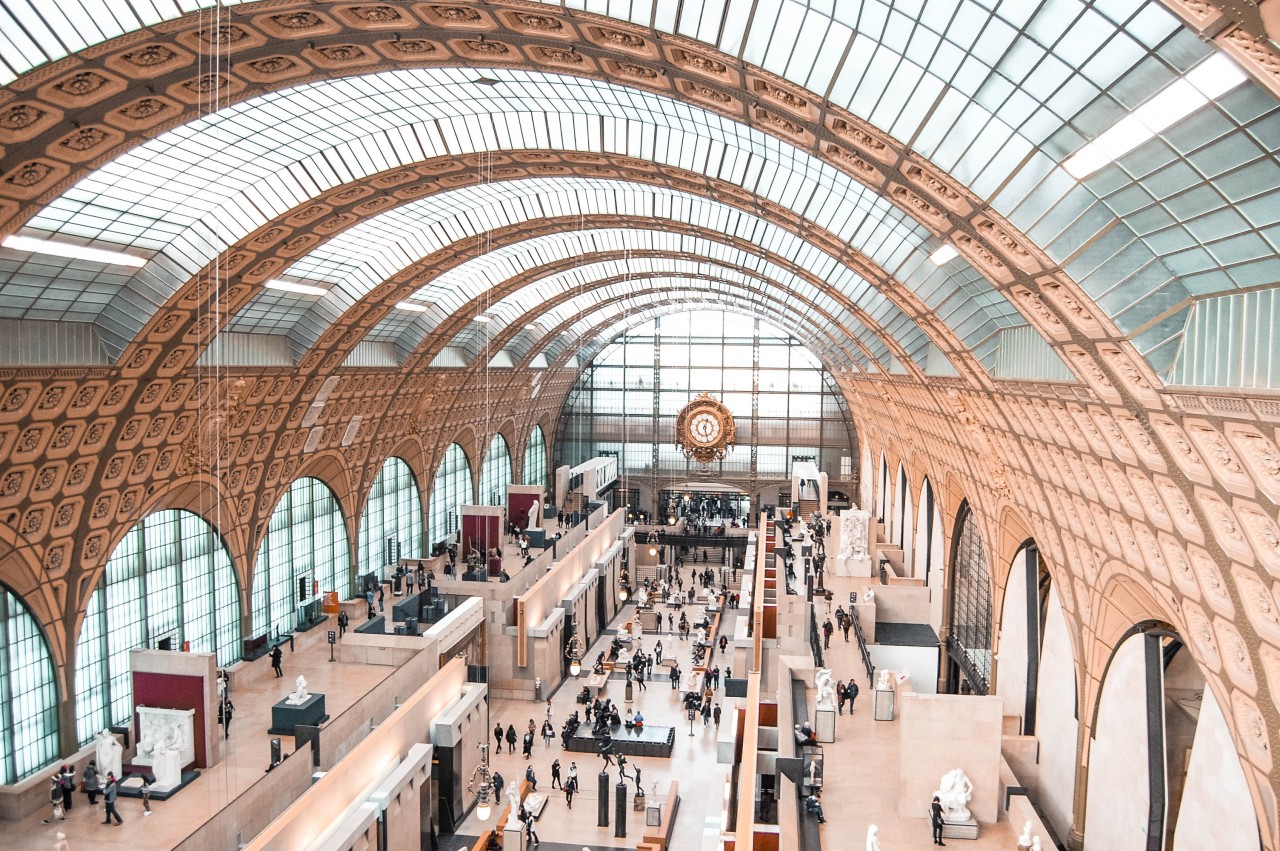
Day 3: The Left Bank and Impressionism. The focus shifts to the Musée d’Orsay. Housed in a repurposed Beaux-Arts railway station, the museum holds the world’s largest collection of Impressionist and Post-Impressionist masterpieces. This is followed by the Jardin du Luxembourg, a 23-hectare park established in 1612. The day concludes with an evening visit to the Louvre, the world’s most visited museum, which houses approximately 35,000 objects on display. Data confirms that the Louvre requires a minimum of three hours for a superficial viewing, though a structured approach is recommended to navigate the 72,735 square meters of exhibition space.
Day 4: The Royal Legacy at Versailles. A mandatory excursion for visitors is the Palace of Versailles, located approximately 20 kilometers southwest of Paris. Originally a hunting lodge built by Louis XIII, it was transformed into the seat of French political power by Louis XIV. The site encompasses over 800 hectares, including the Hall of Mirrors, the Royal Apartments, and the expansive gardens. Given that the palace receives over 8 million visitors annually, it is recommended to allocate a full day for the visit to ensure sufficient time for the Petit Trianon and the estate of Marie Antoinette.
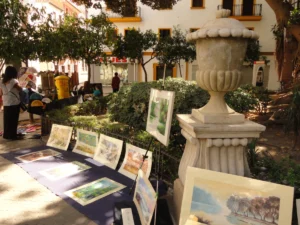
Day 5: Montmartre and Local Culture. The final day centers on the 18th arrondissement, specifically the hilltop district of Montmartre. Historically an enclave for 19th-century artists like Picasso and Dalí, the area retains a village-like atmosphere. The Sacré-Cœur Basilica, a Romano-Byzantine structure, offers one of the highest elevation points in the city. The afternoon should be reserved for the Galeries Lafayette, a historic department store famous for its glass dome, providing both retail options and a vantage point of the cityscape.
Economic Considerations and Budgeting
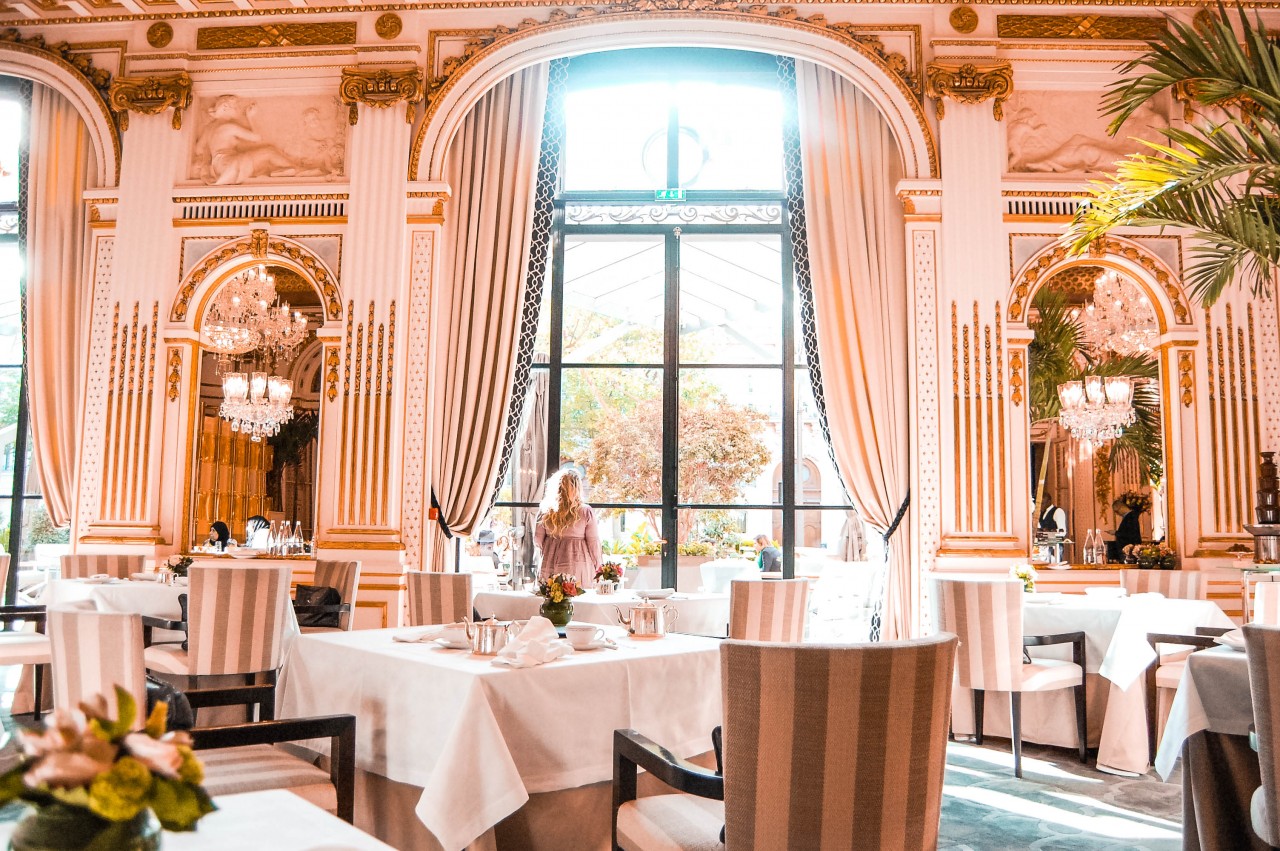
Paris consistently ranks as one of the world’s most expensive cities, with inflation and tourism demand influencing costs. A budget-conscious traveler can maintain costs by utilizing the city’s extensive boulangerie network for meals and opting for municipal parks rather than private attractions. Conversely, the luxury market remains robust, with the Peninsula and similar heritage hotels setting the benchmark for high-end hospitality.
Financial reports from the Paris Tourism Office indicate that visitor spending is increasingly shifting toward "experiential" tourism, such as guided walking tours and river cruises. These services provide significant value for time-constrained travelers, as they offer historical context that is often missed during self-guided tours.
Implications of River Cruising
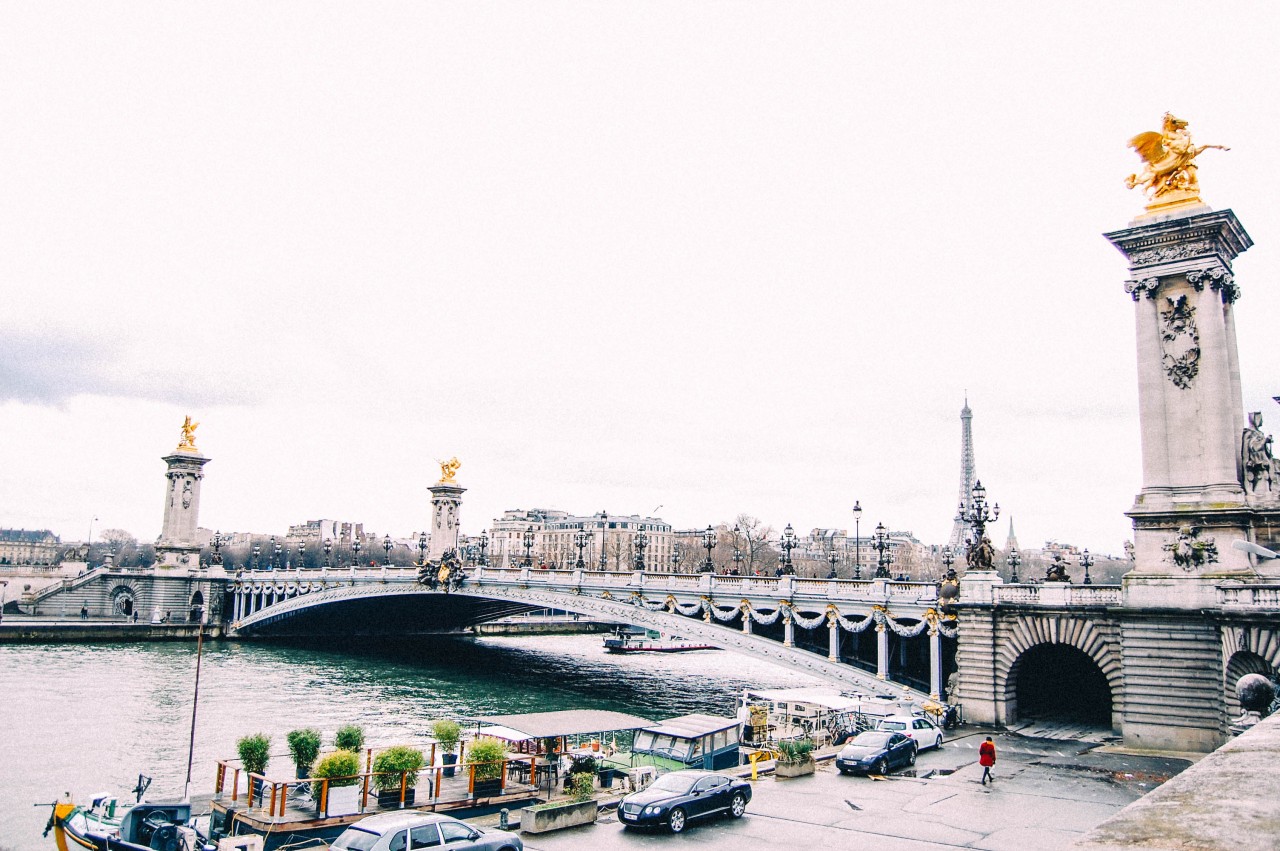
In recent years, river cruising along the Seine has emerged as a preferred method for exploring both Paris and the surrounding Normandy region. Unlike traditional hotel-based stays, river cruises provide a centralized base that navigates through the heart of France. This logistical shift allows travelers to access inland sites—such as the D-Day landing beaches or the medieval villages of Honfleur—without the repetitive stress of checking in and out of hotels.
Professional analysis suggests that this mode of travel reduces the "transit fatigue" common in multi-city European itineraries. Furthermore, the development of smaller, boutique river vessels has allowed for more personalized itineraries, focusing on local gastronomy and viticulture, particularly in the regions of Burgundy and Provence.
Frequently Asked Questions
What is the optimal duration for a first visit?
Data suggests that a five-day stay is the minimum required to achieve a balanced itinerary that covers both major state monuments and the informal cultural experience of the city’s distinct neighborhoods.
Are there alternatives to the Louvre?
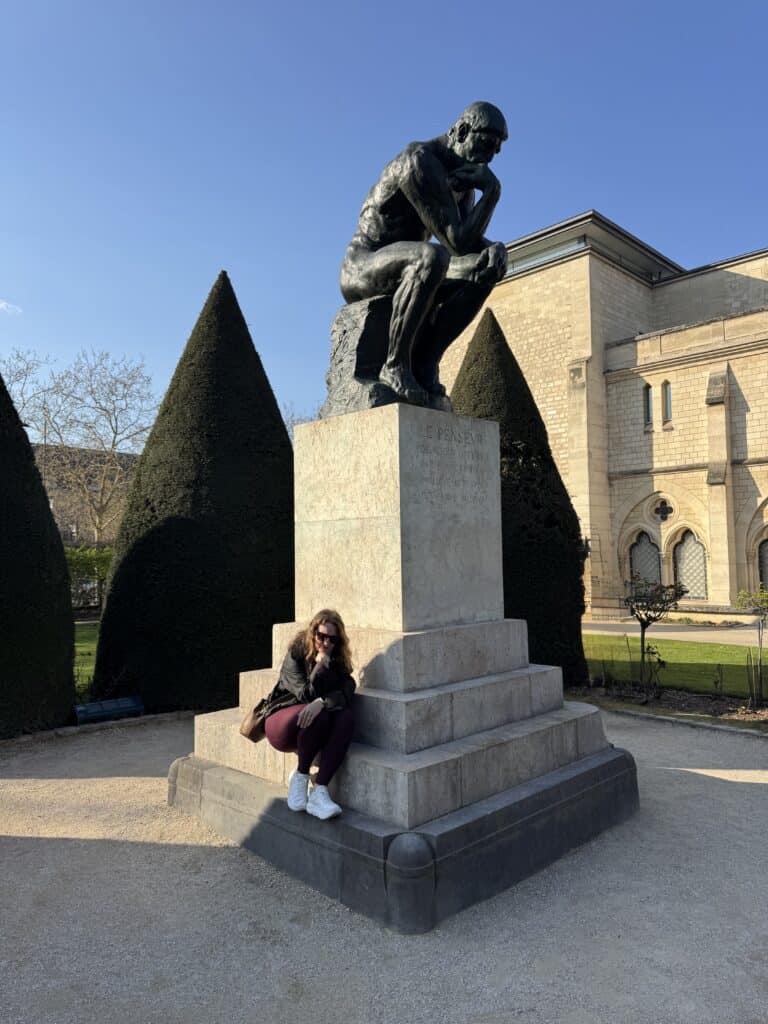
Yes. The Musée d’Orsay and the Musée de l’Orangerie offer significant historical and artistic value with substantially less logistical congestion. The Rodin Museum, in particular, provides a serene environment that contrasts with the high-traffic corridors of the Louvre.
How can one navigate the language barrier?
While English is widely spoken in tourist sectors, basic proficiency in French pleasantries (e.g., "Bonjour," "Merci," "S’il vous plaît") is highly regarded and often leads to improved service in local establishments.
Conclusion: A City in Flux
Paris remains a city of profound historical weight and modern dynamism. Whether navigating the corridors of the Louvre or walking the streets of Montmartre, the visitor is participating in a long-standing tradition of global cultural exchange. By utilizing a structured itinerary and leveraging the city’s efficient transit and historical resources, travelers can maximize their exposure to the capital’s unique contributions to art, politics, and culinary history. The key to a successful visit lies not merely in the volume of sites visited, but in the strategic integration of historical education and the experiential appreciation of the city’s daily rhythm.