Scotland remains one of the most compelling destinations in the United Kingdom, characterized by its dramatic geological features, centuries of layered history, and a robust tourism economy that continues to evolve. As the country experiences a surge in popularity, authorities have introduced new regulatory measures, including a 5% visitor levy on overnight accommodations in Edinburgh starting in July 2026. This shift reflects the broader challenges of managing high-volume tourism in historic urban centers while maintaining the infrastructure required to support millions of annual visitors.
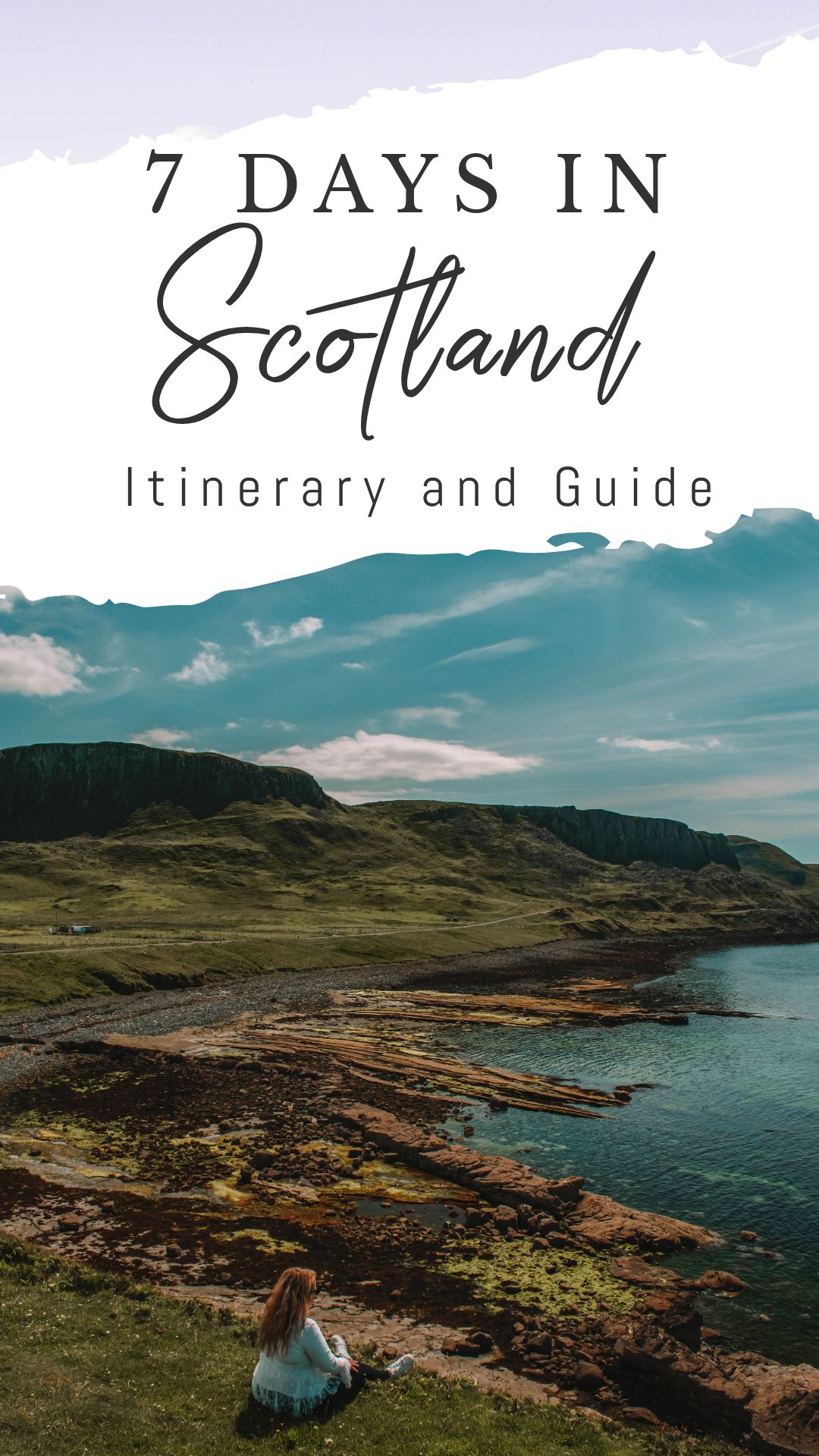
The following seven-day itinerary provides a structured framework for navigating both the urban density of the Scottish capital and the remote, rugged terrain of the Highlands. This route is designed to maximize geographic efficiency, allowing travelers to transition from the central belt to the western isles and the northern regions within a single week.
Logistics and Preparation
For travelers intending to traverse the Scottish Highlands, renting a vehicle is the most practical method of transport. While Scotland features a well-developed public rail network, the flexibility required for a seven-day itinerary—specifically for accessing remote coastal roads and mountainous terrain—favors private transit. Motorists should note that driving occurs on the left side of the road. While arterial roads are well-maintained, rural routes often consist of single-track lanes, requiring careful navigation and adherence to designated passing places.
Climate remains a primary factor in travel planning. Scotland’s weather is notoriously unpredictable, with significant precipitation possible regardless of the season. Standard preparations should include high-quality, waterproof outerwear and sturdy, moisture-resistant footwear.

Phase One: The West Coast and Island Exploration
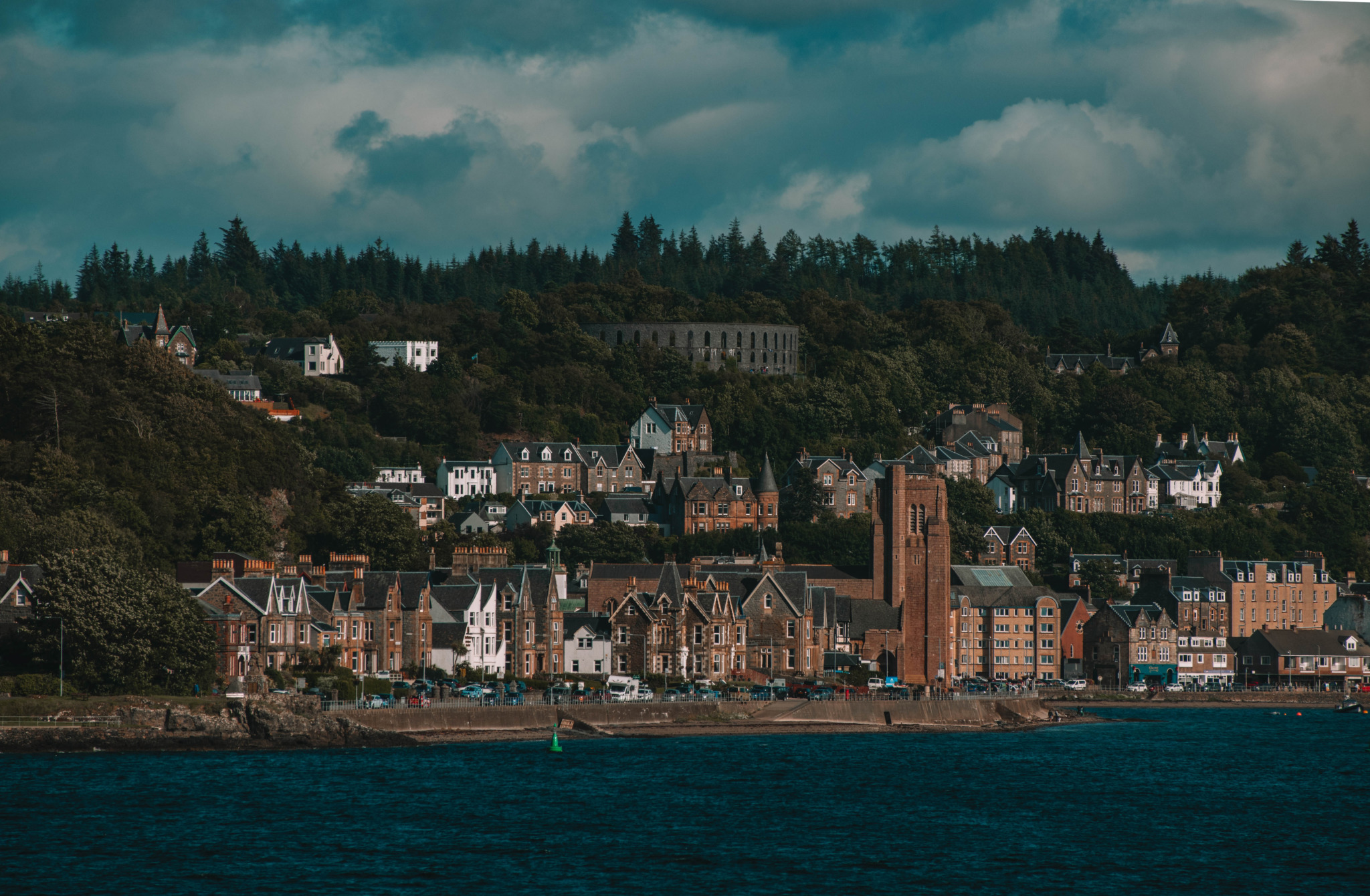
Beginning the journey in the west allows travelers to bypass the immediate urban environment of Edinburgh in favor of the coastal landscape. A direct transit from the airport to Oban—a roughly three-hour drive—serves as the entry point to the Inner Hebrides.

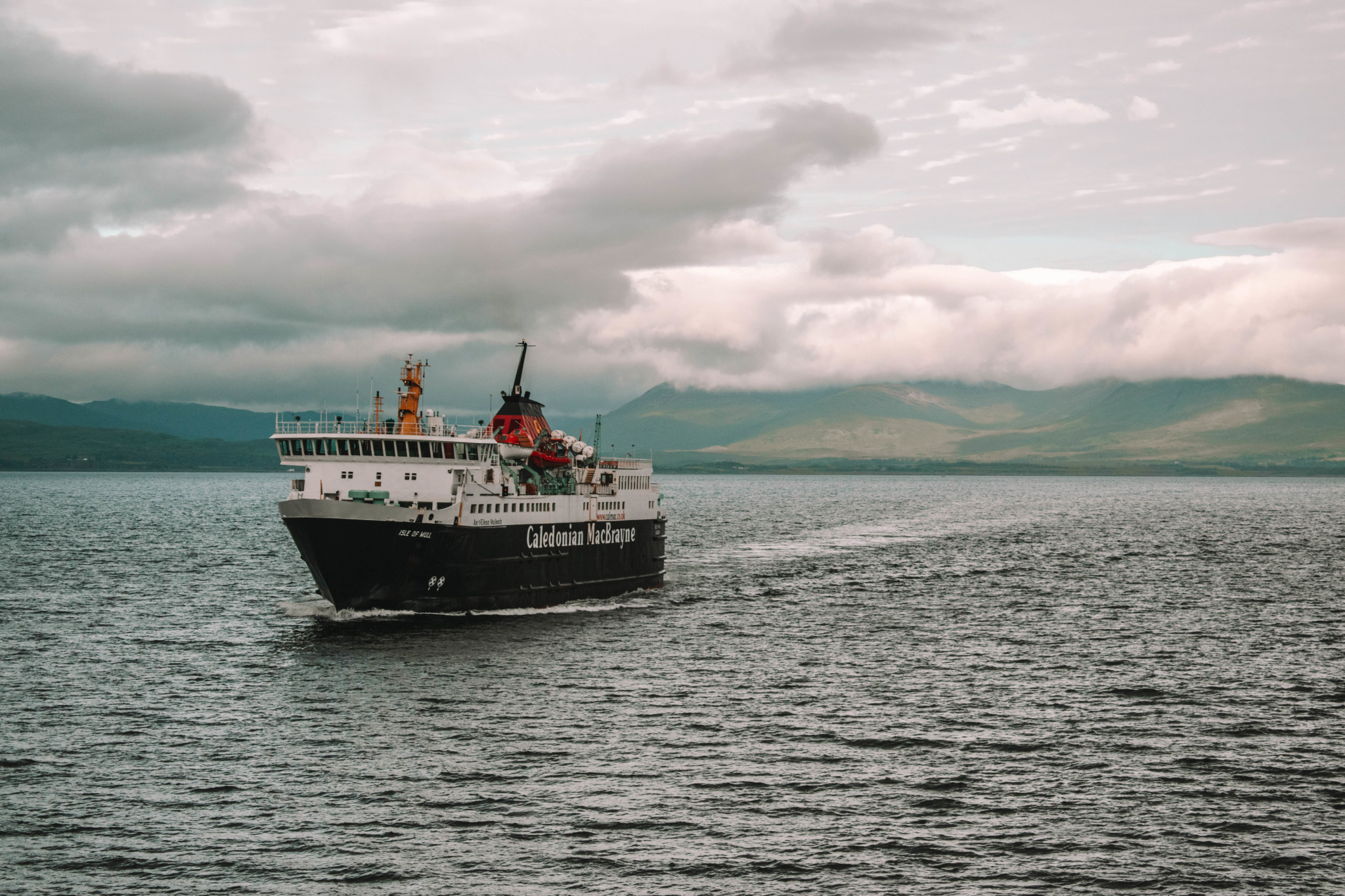
Oban is geographically significant as the “Gateway to the Isles.” A popular excursion from this hub is the three-island tour, which typically operates between April and October. This circuit encompasses the Isle of Mull, Staffa, and Iona. The Isle of Mull, the second-largest island of the Inner Hebrides, is a center for biodiversity, featuring diverse wildlife populations, including white-tailed sea eagles and dolphins.
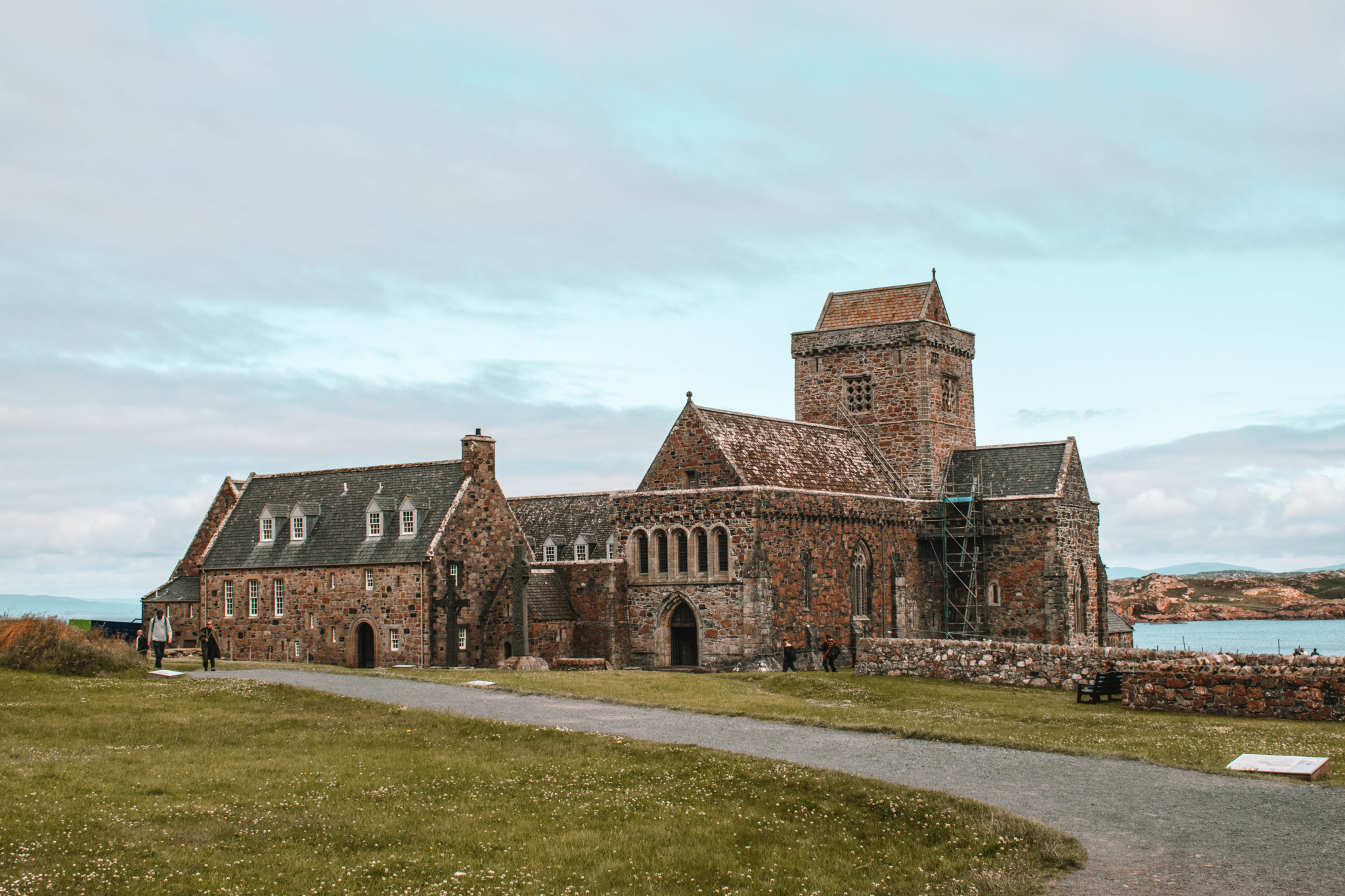
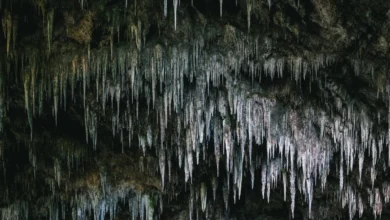
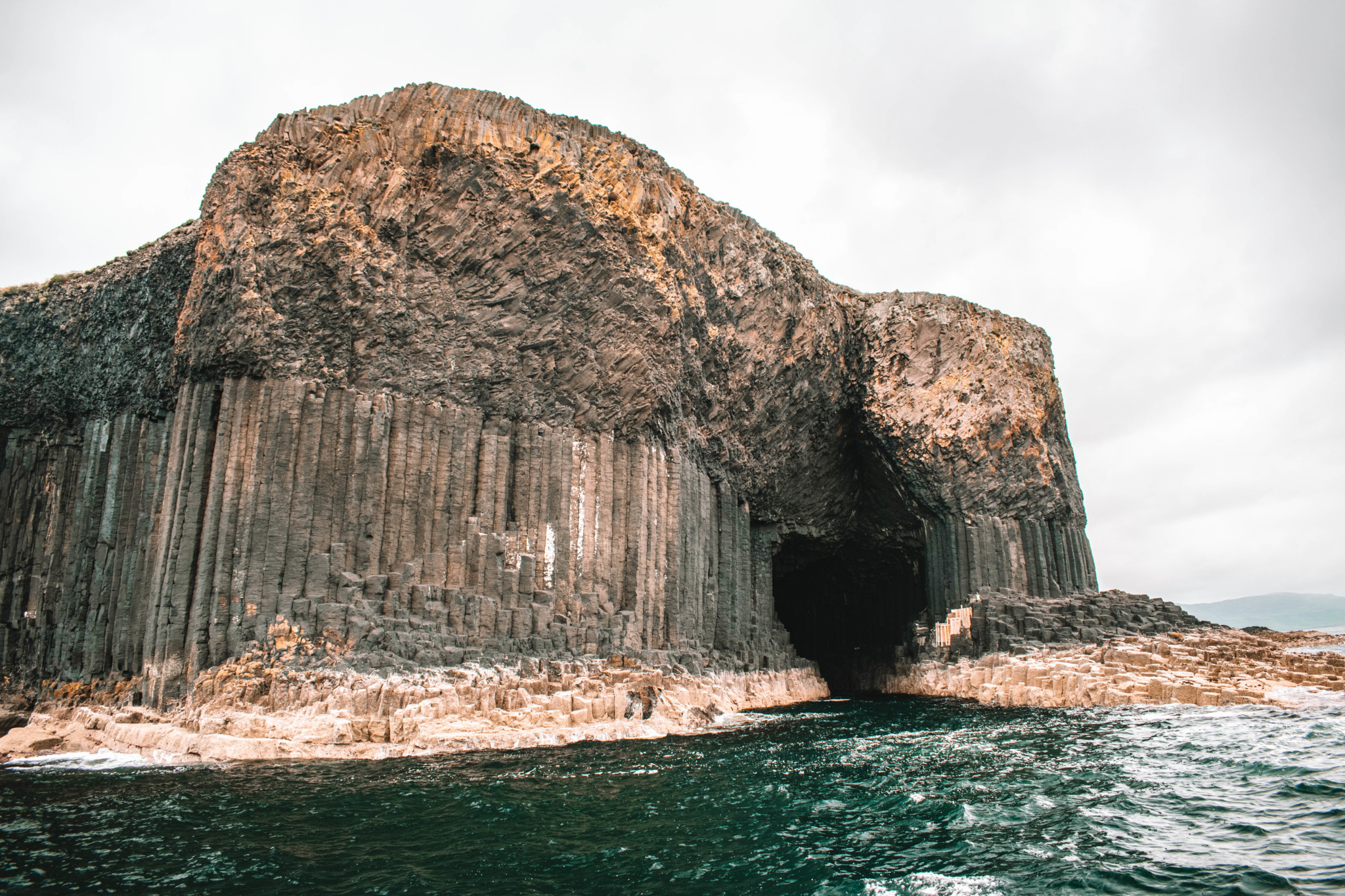
Staffa is renowned for its unique geological composition, specifically the basaltic columns that form Fingal’s Cave. This site serves as a testament to the volcanic activity that shaped much of the Scottish west coast. Conversely, the Isle of Iona provides a historical anchor; it has served as a religious and cultural center since St. Columba established a monastery there in 563 AD. The juxtaposition of Iona’s ecclesiastical history with the natural formations of Staffa underscores the multifaceted appeal of the region.
Phase Two: Highland Topography and Cultural Heritage
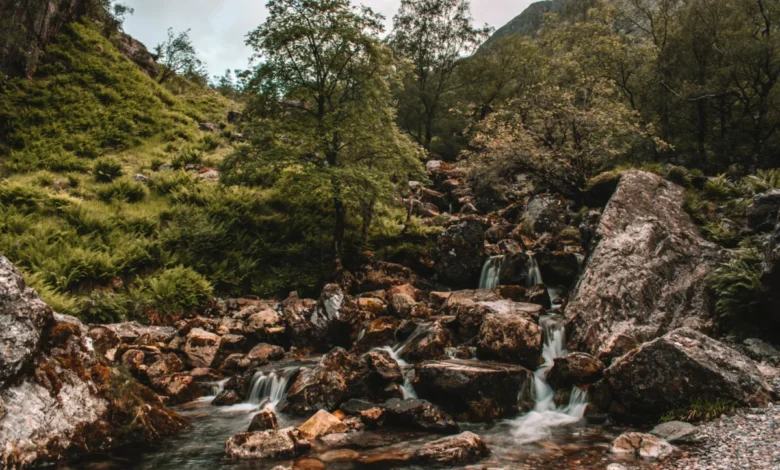
Moving inland, the Glencoe region in the Scottish Highlands represents a critical point of interest. Geologically part of the Lochaber Geopark, Glencoe is characterized by its deep, glacial valleys and dramatic peaks. Historically, the area is remembered for the 1692 Massacre of Glencoe, a significant event in the aftermath of the Jacobite uprisings. This intersection of natural beauty and profound tragedy remains a focal point for researchers and tourists alike.
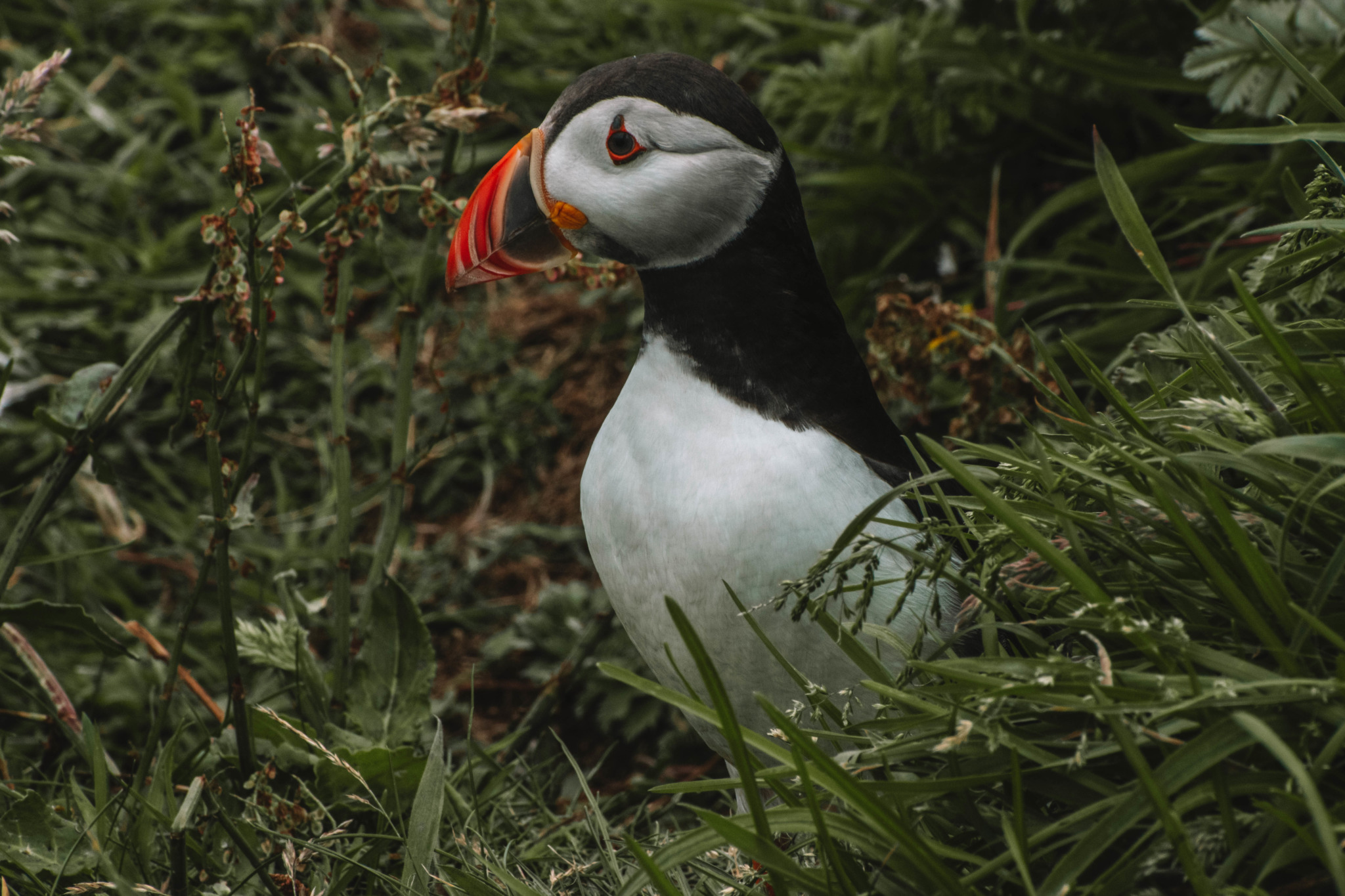
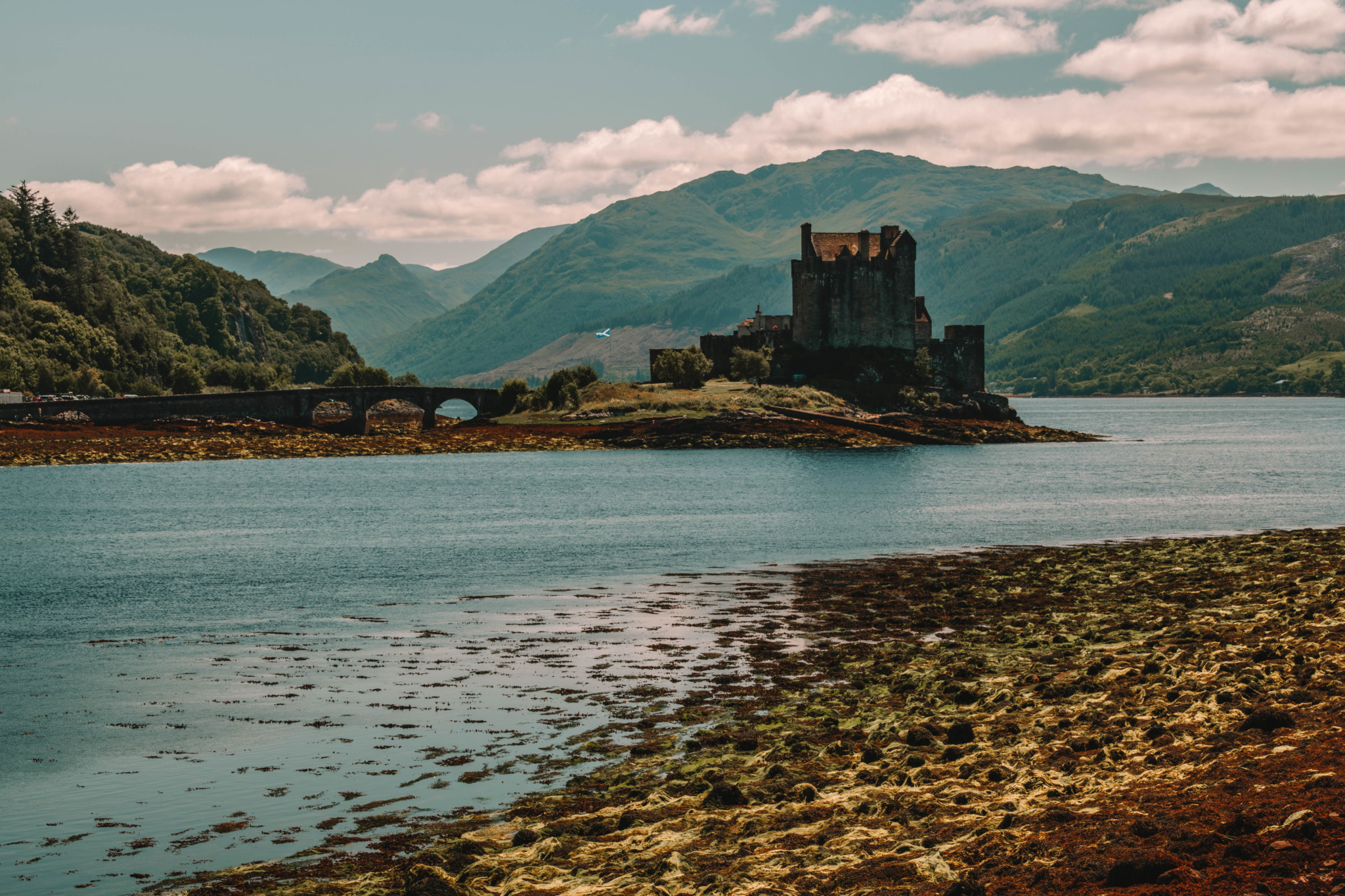
The transition toward the Isle of Skye involves passing Eilean Donan Castle, a 13th-century fortification strategically situated where three sea lochs meet. The castle, having undergone extensive restoration in the early 20th century, is one of the most recognizable landmarks in Scotland, frequently appearing in academic studies on Scottish defensive architecture and popular media.

Skye itself, the largest of the Inner Hebrides, offers a high concentration of natural sites. The Quiraing, a landslip on the Trotternish Peninsula, provides a panoramic view of the island’s rugged terrain. The Old Man of Storr, a large pinnacle of rock, stands as a prominent feature of the island’s skyline. These sites are increasingly subject to conservation efforts as foot traffic rises, with local authorities advocating for sustainable tourism practices to protect the fragile Highland ecosystem.
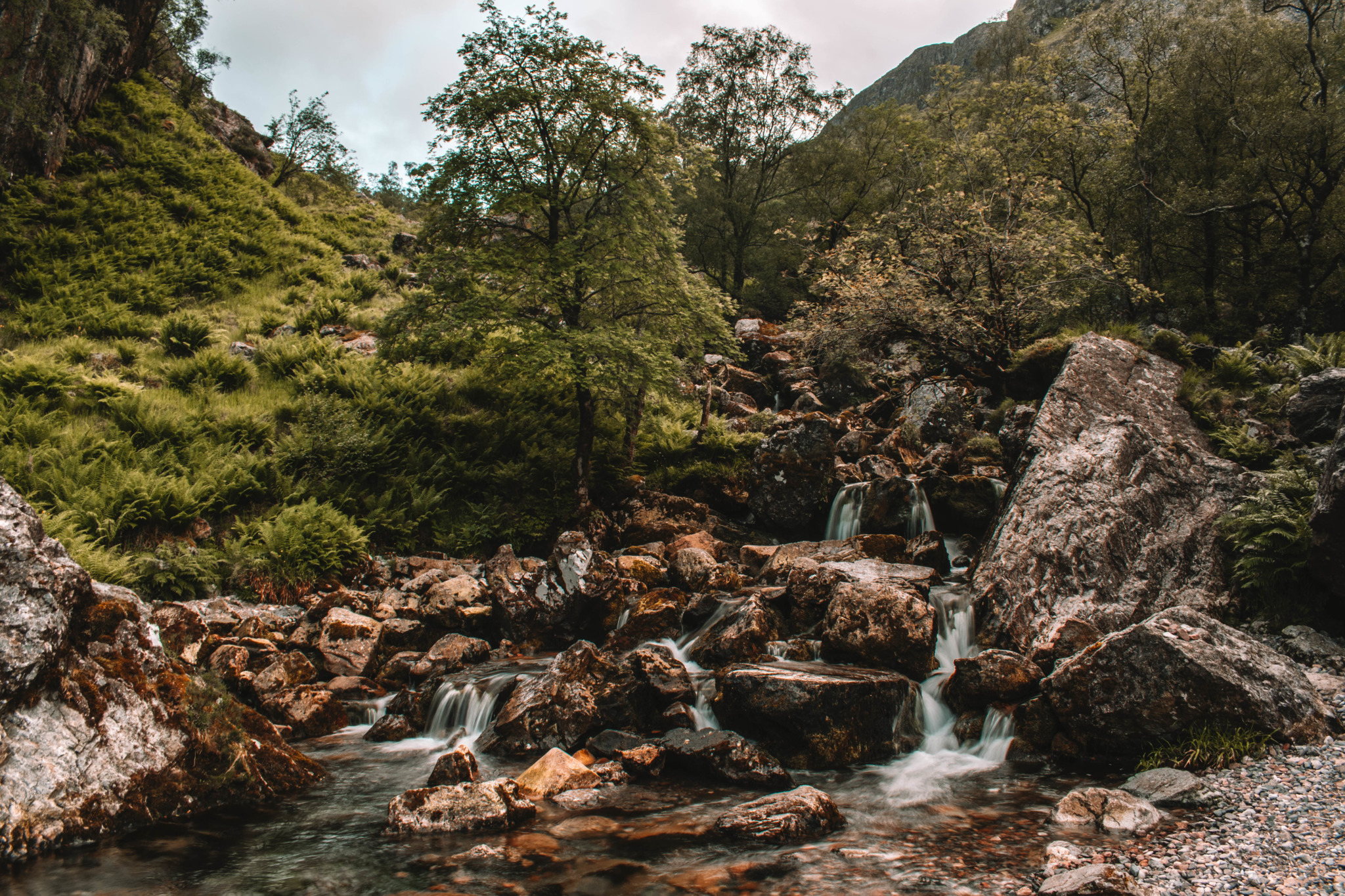
Phase Three: The Mystery of the Lochs and Highland Traditions
Continuing the itinerary, the Loch Ness area offers a blend of historical tourism and folklore. Loch Ness is the largest body of freshwater in the UK by volume, containing more water than all the lakes in England and Wales combined. The legend of the Loch Ness monster, which gained international prominence in 1933, has turned the region into a major site for cryptozoology and cultural tourism. Urquhart Castle, located on the banks of the loch, offers a historical perspective, as it was one of the most significant defensive sites in the Highlands before its partial destruction in the 17th century.

Cultural immersion continues at the Highland Games, a traditional event featuring athletic competitions such as the caber toss, stone put, and Highland dancing. These events serve as a preservation mechanism for Gaelic language, music, and physical prowess, reflecting the endurance of Scottish clan traditions.
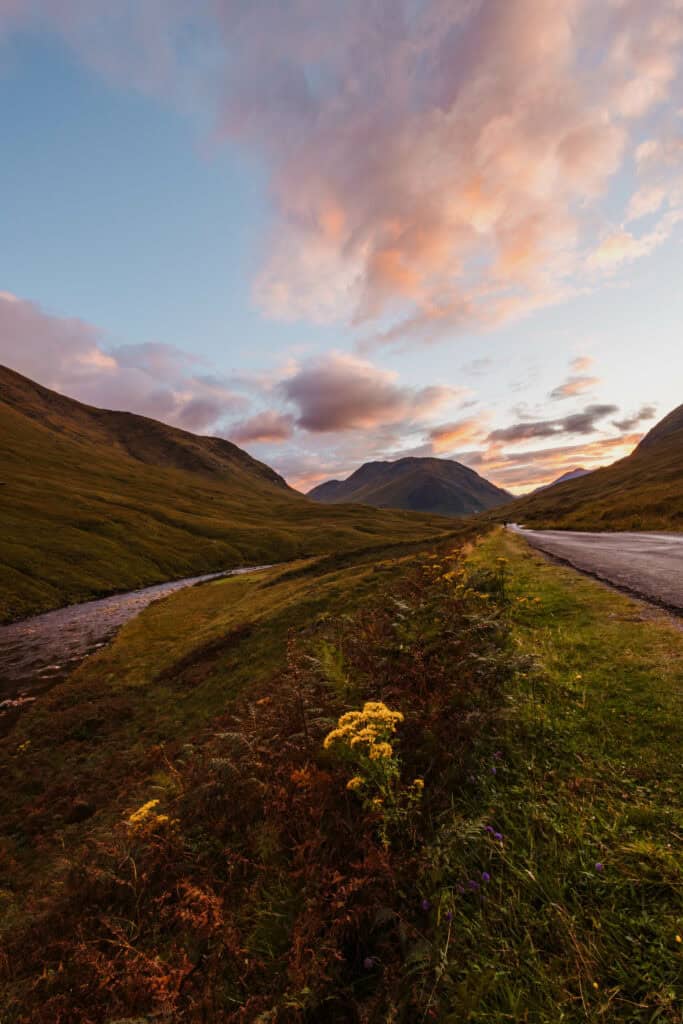
Phase Four: The Urban Center of Edinburgh
The final two days of the seven-day period are dedicated to Edinburgh. The city is divided into the medieval Old Town and the neoclassical New Town, both of which are UNESCO World Heritage sites.
Key landmarks include:
- Edinburgh Castle: Situated on Castle Rock, the fortress has seen continuous human occupation since the Iron Age and serves as a repository for the Honours of Scotland (the Crown Jewels).
- The Royal Mile: This historic thoroughfare connects the Castle to the Palace of Holyroodhouse, the official residence of the British monarch in Scotland.
- The National Museum of Scotland: An institution of significant academic value, holding extensive collections on Scottish antiquities, science, and global culture.
The architectural integrity of the city is best observed through its varying styles, from the tight, winding wynds of the Old Town to the wide, grid-patterned streets of James Craig’s New Town, established in 1767 to alleviate urban overcrowding.
Economic and Cultural Implications
The 2026 visitor levy in Edinburgh marks a policy shift designed to reinvest in the city’s infrastructure. As tourism contributes billions to the Scottish economy, the focus has shifted toward sustainability. The balance between maintaining the authenticity of historic sites and accommodating the influx of international visitors remains a subject of ongoing debate among urban planners and heritage conservationists.

For those with additional time, the Cairngorms National Park offers an expansion into the UK’s largest national park, providing a contrast to the western coastal routes. Furthermore, Aberdeen and the granite-based architecture of the northeast provide a different perspective on Scottish industrial and maritime history, particularly through the lens of the 19th-century granite trade.
This itinerary covers a vast range of the Scottish experience, from the geological wonders of the Hebrides to the legislative and cultural heart of the capital. It provides a baseline for understanding the scale and diversity of the country, while acknowledging the necessity of careful, respectful travel in environments that are as historically significant as they are physically vulnerable.