Solo travel has emerged as one of the most significant trends in the global tourism industry, representing a fundamental shift in how individuals engage with the world. While the allure of total autonomy and self-discovery is a primary driver for this movement, the psychological barrier of confidence remains a central challenge for both novice and experienced voyagers. The transition from the planning phase to the actual departure often triggers a phenomenon known as "pre-trip anxiety," a state where meticulous preparation clashes with the primal fear of the unknown. As the travel sector adapts to the rising demand for independent exploration, understanding the mechanisms of solo travel confidence—ranging from logistical preparedness to behavioral psychology—has become essential for ensuring both traveler safety and personal fulfillment.
The Phenomenon of Pre-Trip Anxiety
The transition from excitement to apprehension is a documented psychological occurrence among solo travelers. For many, the weeks leading up to a journey are filled with high-energy research, booking logistics, and social engagement. However, as the departure date approaches, the reality of being solely responsible for one’s safety and navigation in a foreign environment can lead to a sudden decline in self-esteem and confidence.
Industry reports and traveler testimonials highlight a recurring pattern: the "shadow of the young self." This involves a regression into past insecurities, where travelers who are otherwise successful and capable in their professional lives suddenly feel ill-equipped to handle the nuances of a solo international trip. A case study involving a traveler preparing for a journey to Thailand illustrates this perfectly: despite months of researching blogs, consulting peers, and organizing domestic affairs, the traveler reported feeling "terrified" just one week before departure. This specific type of anxiety is often not rooted in a lack of information, but rather in the weight of total self-reliance.
A Chronology of Solo Travel Confidence Building
Developing the resilience required for independent travel is a process that begins long before an individual reaches the airport. This progression can be categorized into three distinct phases: the preparatory phase, the execution phase, and the integration phase.
Phase I: Pre-Departure Strategic Planning
Confidence is frequently a byproduct of thorough preparation. Experts in travel safety suggest that the "fear of the unknown" can be mitigated by converting unknowns into manageable data points.
- The First Night Security Protocol: One of the most effective ways to build immediate confidence is to have the first 24 hours of a trip planned in detail. This includes pre-arranged transport from the airport to a confirmed accommodation. Knowing exactly where one is sleeping upon arrival eliminates the most vulnerable window for a solo traveler.
- Information Redundancy: Relying solely on digital tools is a common pitfall. Confidence is bolstered when a traveler possesses physical backups of essential documents, including passports, insurance details, and maps.
- Incremental Exposure: For those new to solo travel, confidence is built through "micro-trips"—short, domestic solo journeys that allow an individual to test their problem-solving skills in a lower-stakes environment before committing to an international expedition.
Phase II: On-the-Ground Behavioral Psychology
Once at the destination, confidence serves as a traveler’s primary defensive mechanism. Law enforcement and travel safety experts emphasize that "situational awareness" is more about external projection than internal feeling.
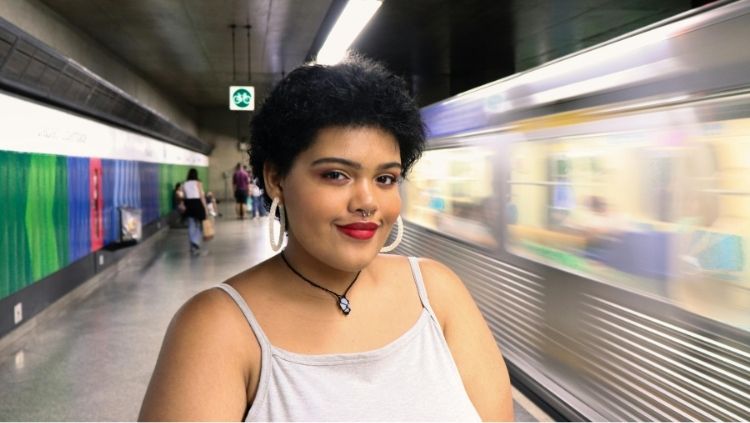
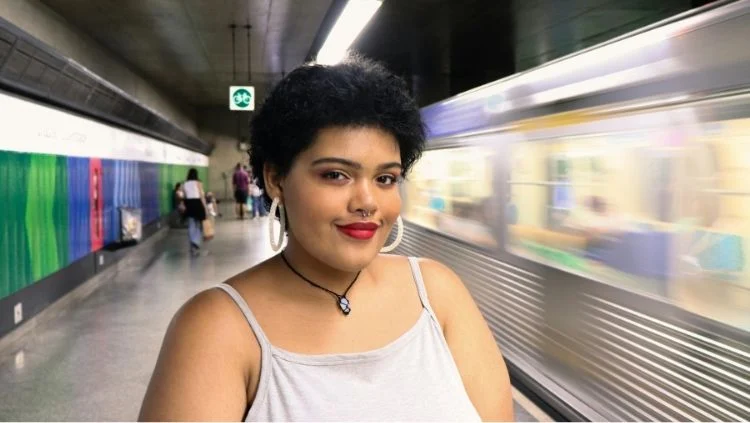
- The "Fake It ‘Til You Make It" Strategy: In high-pressure situations, such as being lost in a crowded market, projecting an image of purpose is vital. Standing tall, maintaining a steady pace, and avoiding the constant checking of a smartphone in public spaces can deter potential opportunists.
- The "Lobby Safe" Method: If a traveler feels overwhelmed or lost, the recommended protocol is to step into a neutral, safe space—such as a hotel lobby or a reputable café—to regroup. This prevents the traveler from appearing vulnerable on the street while they consult a map or call for transport.
- Social Boundary Setting: A key component of solo travel confidence is the ability to say "no" firmly and without apology. Whether dealing with aggressive street vendors or unwanted social advances, maintaining clear boundaries is essential for both safety and mental well-being.
Phase III: Post-Trip Integration
The final phase involves the realization that the challenges faced during the trip have resulted in a permanent increase in self-efficacy. This is where the "Roosevelt Principle"—the idea that facing fear creates strength—manifests. Travelers return home with a refined understanding of their own capabilities, which often translates into increased confidence in their professional and personal lives.
Supporting Data: The Growth of Independent Exploration
The rise in solo travel is supported by significant market data. According to a 2023 survey by a leading travel insurance provider, nearly 60% of travelers intended to take a solo trip within the next 12 months. Google Search trends also indicate a 761% increase in searches for "solo travel" over the last five years.
Demographically, the surge is led by women and the "silver traveler" cohort (individuals over the age of 55). For women, solo travel is often framed as an act of empowerment, while for older travelers, it represents a period of "active aging" and the pursuit of lifelong learning. This data suggests that solo travel confidence is not merely a personal trait but a burgeoning social movement that challenges traditional notions of group-based leisure.
Expert Analysis and Situational Awareness
Security analysts suggest that the perception of safety is often disconnected from statistical reality. While a traveler may feel anxious about violent crime, the most common risks for solo travelers are non-violent: petty theft, transport scams, and health issues.
"Confidence is a traveler’s armor," notes a security consultant specializing in international tourism. "Lacking confidence makes an individual appear as a ‘soft target’ for con artists. Conversely, a traveler who moves with intention and maintains situational awareness—knowing who is around them and where the exits are—is significantly less likely to be targeted."
Furthermore, the role of technology in building confidence cannot be overstated. The advent of real-time GPS, translation apps, and instant communication with home networks has lowered the barrier to entry for solo travel. However, experts warn against "digital over-dependence," which can lead to a lack of engagement with one’s surroundings, ironically decreasing safety through a loss of situational awareness.
The Broader Impact: Self-Reliance as a Social Asset
The implications of solo travel extend far beyond the individual’s itinerary. There is a profound socio-psychological benefit to the cultivation of self-reliance. Solo travel presents a unique environment where an individual is the sole decision-maker for every aspect of their existence—from meal choices to emergency management.

This level of autonomy fosters a specific type of cognitive flexibility. When a solo traveler navigates a language barrier or corrects a logistical error, they are engaging in "forced problem-solving." This builds a "competence loop": a successful action leads to increased confidence, which in turn encourages the traveler to take on more complex challenges.
Ultimately, solo travel is less about what the world sees in the traveler and more about what the traveler discovers within themselves. The ability to sit alone in a restaurant, to navigate a foreign transit system, and to manage one’s own company for extended periods are all markers of high emotional intelligence and psychological resilience.
Conclusion: The Future of Independent Travel
As we move toward the middle of the decade, the travel industry is expected to continue its pivot toward the solo demographic. Hotels are increasingly offering single-occupancy rooms without the traditional "single supplement" penalty, and tour operators are designing "solo-only" itineraries that provide a balance of independence and social opportunity.
However, the core of the experience remains the individual’s internal state. Solo travel confidence is a skill that can be studied, practiced, and mastered. It is a combination of meticulous planning, behavioral awareness, and the courage to embrace vulnerability. By viewing fear not as a deterrent but as a natural precursor to growth, solo travelers can unlock a level of freedom that is rarely found in the comforts of group travel. As the data suggests, those who face the "pre-departure shadow" and board the plane anyway are rewarded with a profound and lasting sense of their own capability.
Last updated: June 30, 2024 (Data and trends reflect the current 2023-2024 travel cycle).