From Digital Nomad to Polar Guide: The Evolution of Adventure Travel and the Shift Away from the Influencer Economy

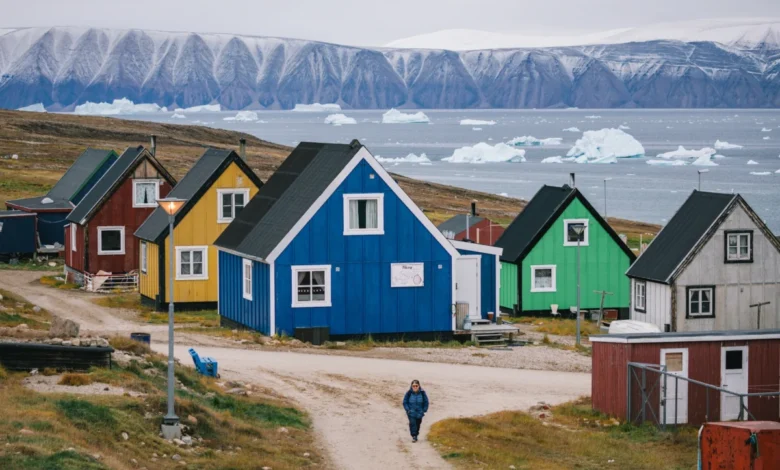
The landscape of travel content creation is undergoing a quiet yet profound transformation, highlighted by the career pivot of prominent expedition writers and photographers moving away from traditional digital media and toward hands-on wilderness leadership. After spending over a decade documenting remote destinations, industry professionals are increasingly abandoning the algorithmic pressures of the modern influencer economy in favor of specialized, immersive field roles. This transition is most acutely visible in the polar tourism sector, where experts are trading social media monetization for expedition guiding and direct conservation advocacy in the Arctic and Antarctica.
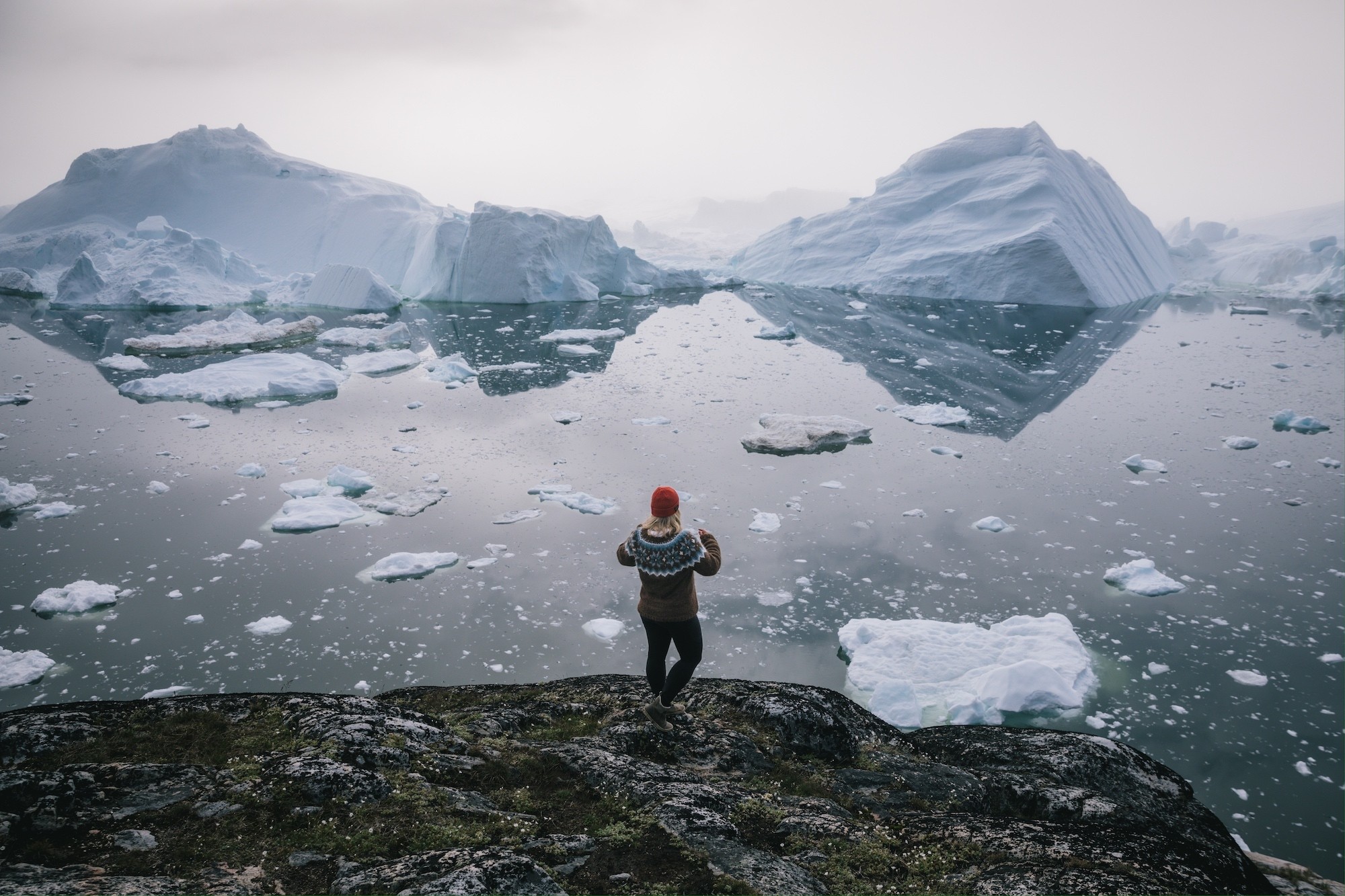
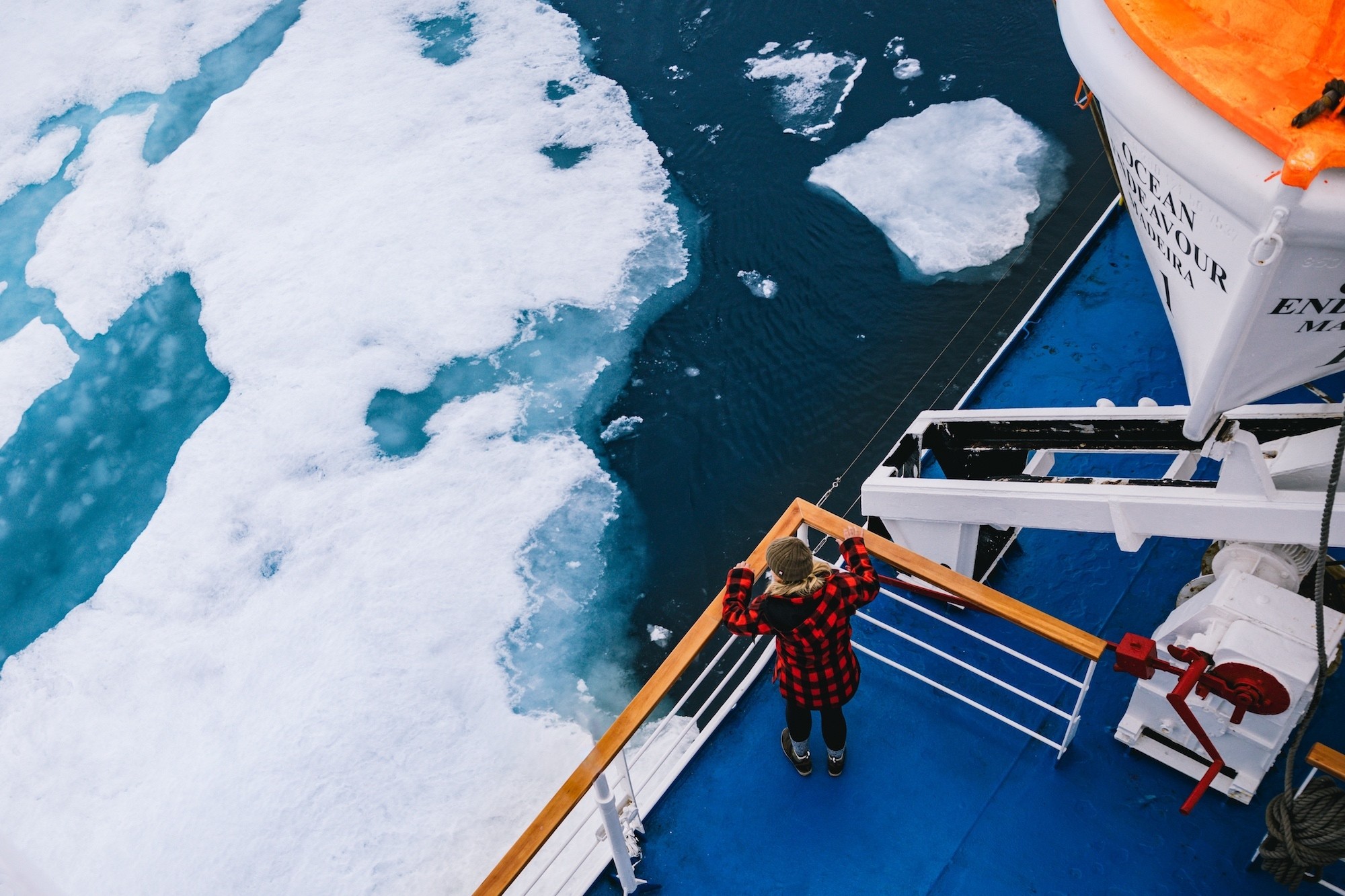
The operational reality of polar tourism demands specialized logistics, heavy reliance on expedition vessels, and strict adherence to environmental safety protocols. The Arctic—a vast, geographically isolated region bound by sea ice for the majority of the calendar year—becomes accessible to commercial and scientific vessels only during a brief window in the northern summer months. Traveling within these high-latitude environments requires ice-strengthened ships, small inflatable Zodiac craft for shore landings, and close coordination with local Indigenous communities.
Industry data indicates a steady rise in consumer demand for remote, high-latitude expeditions following the global travel disruptions of the early 2020s. Travelers are increasingly seeking out high-impact, educational journeys rather than conventional mass-market vacations. This surge in popularity has placed a renewed emphasis on responsible tourism, as regulatory bodies and expedition operators grapple with the delicate balance between expanding public access to fragile ecosystems and protecting vulnerable wildlife populations, including polar bears, bowhead whales, and migratory seabirds.
The Shift from Digital Curation to Field Leadership
For many travel creators who built their audiences during the height of the digital blogging boom, the post-pandemic era introduced significant burnout. The continuous demand for high-frequency content, coupled with shifting social media algorithms and a oversaturated commercial market, created an environment defined by continuous digital hustle and competitive saturation. For creators focused on nature and wildlife, this environment often proved counterproductive to genuine creative expression and mental well-being.
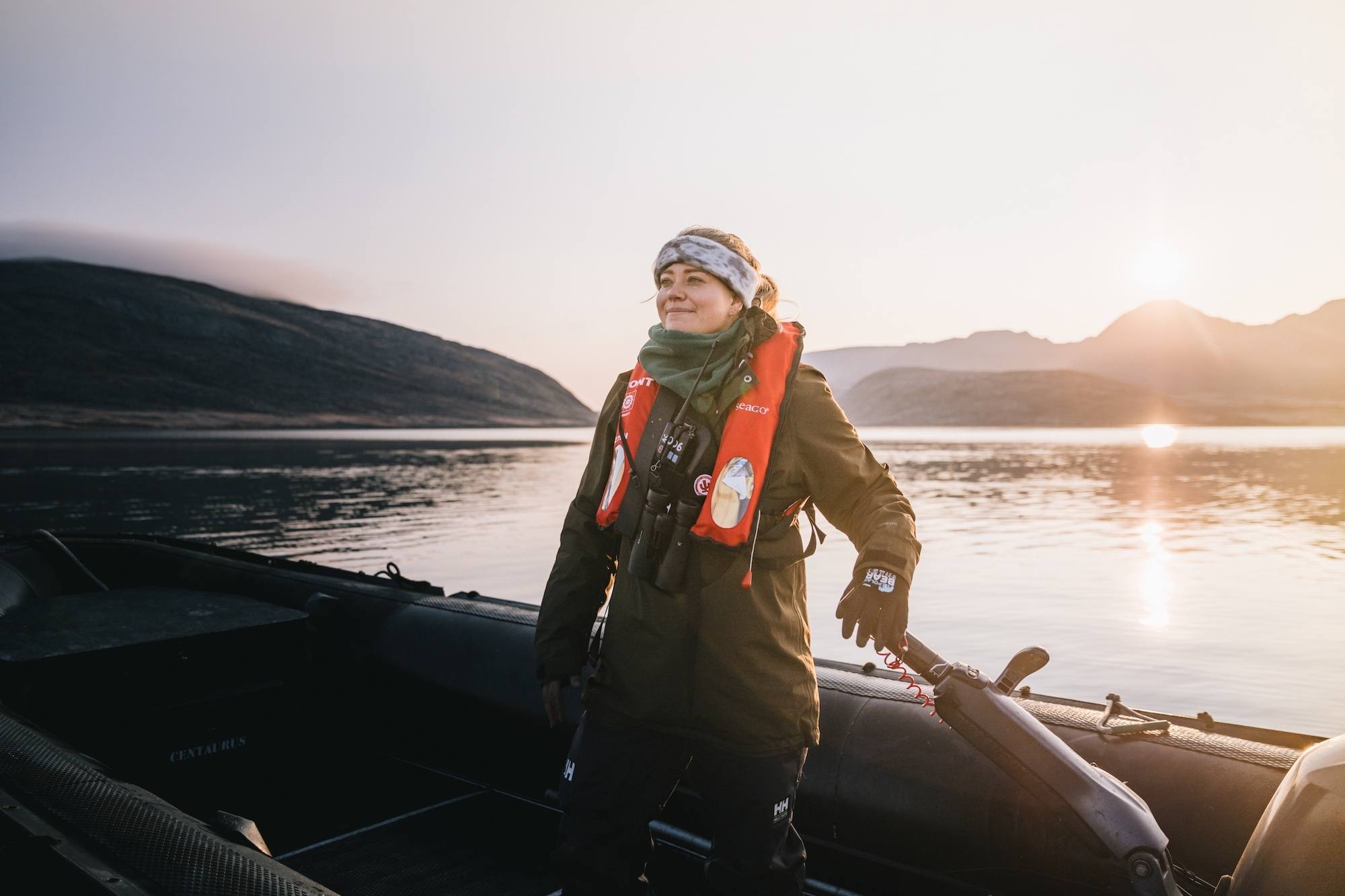
Rather than maintaining a purely observational role through lenses and keyboards, seasoned travel writers are pivoting toward operational roles within established expedition companies. This move allows professionals to integrate their communication skills directly with field logistics. By stepping onto the decks of polar vessels as resident experts, naturalists, and guides, these individuals are re-establishing a sense of community and shared purpose that digital platforms rarely provide.
Operating within companies that prioritize long-term staff retention and familial corporate structures—such as Adventure Canada, an expedition cruise line founded by Canadian adventurers and operated with a core team of returning naturalists—offers a stark contrast to the isolation of freelance digital content creation. In these tightly knit environments, both crew members and passengers frequently return season after season, fostering a specialized subculture rooted in remote exploration, education, and mutual respect for polar environments.
Logistics and Realities of Arctic Expeditions
Navigating the high Arctic demands rigorous preparation and deep contextual knowledge of local geography, meteorology, and wildlife behavior. Unlike traditional cruise tourism, expedition travel is inherently unpredictable. It is dictated entirely by shifting sea ice concentrations, unpredictable weather patterns, and marine mammal sightings.

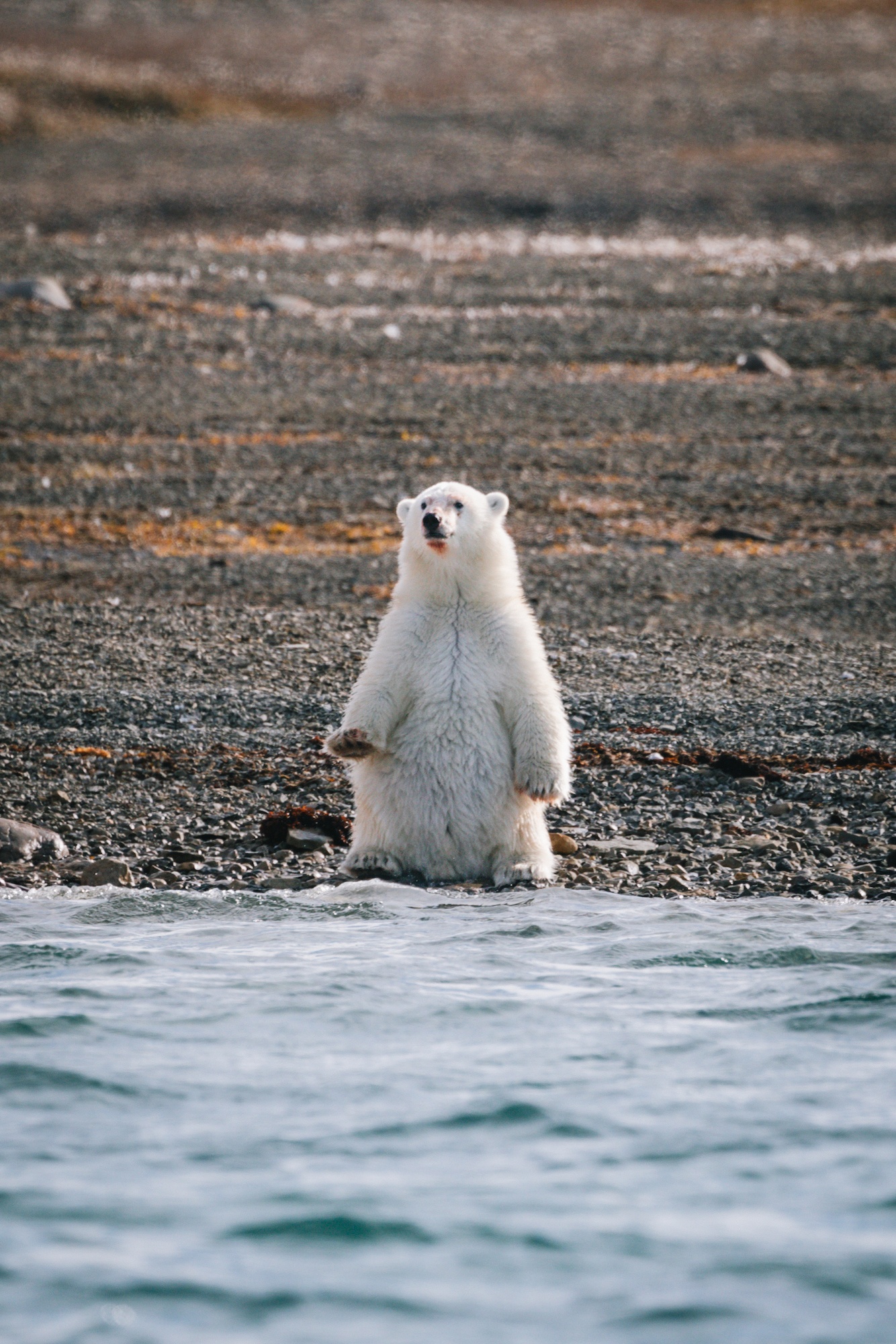
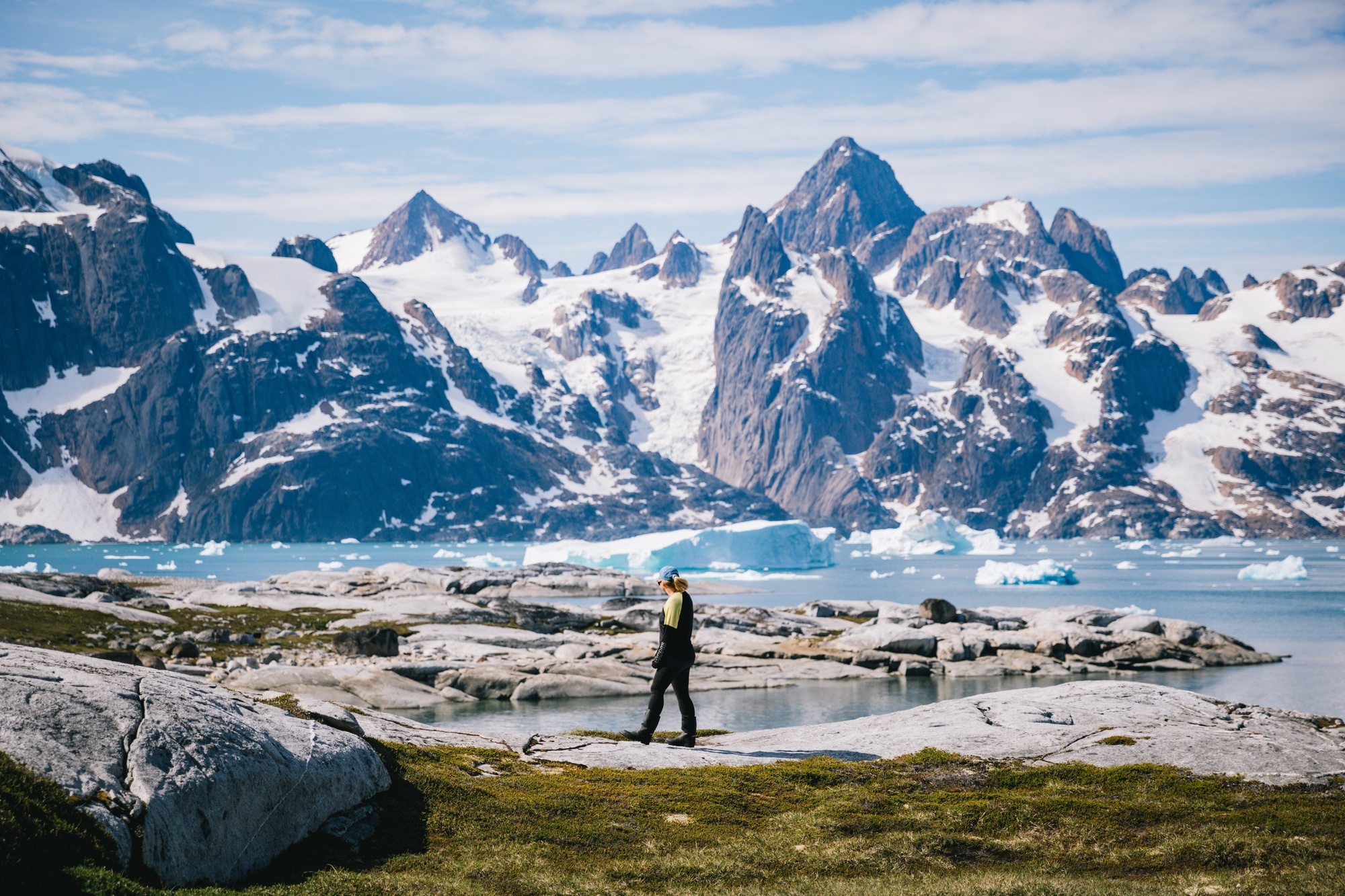
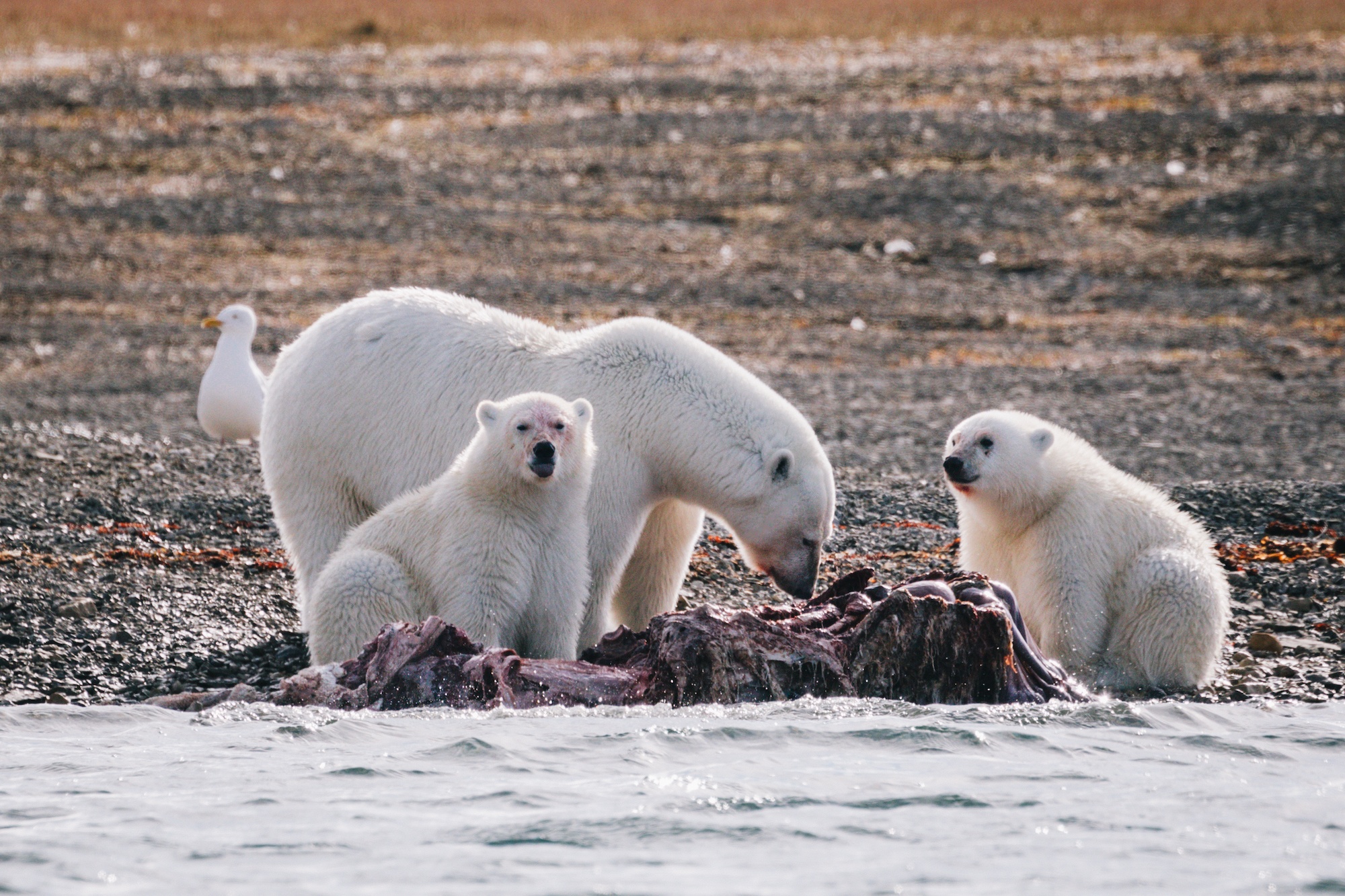
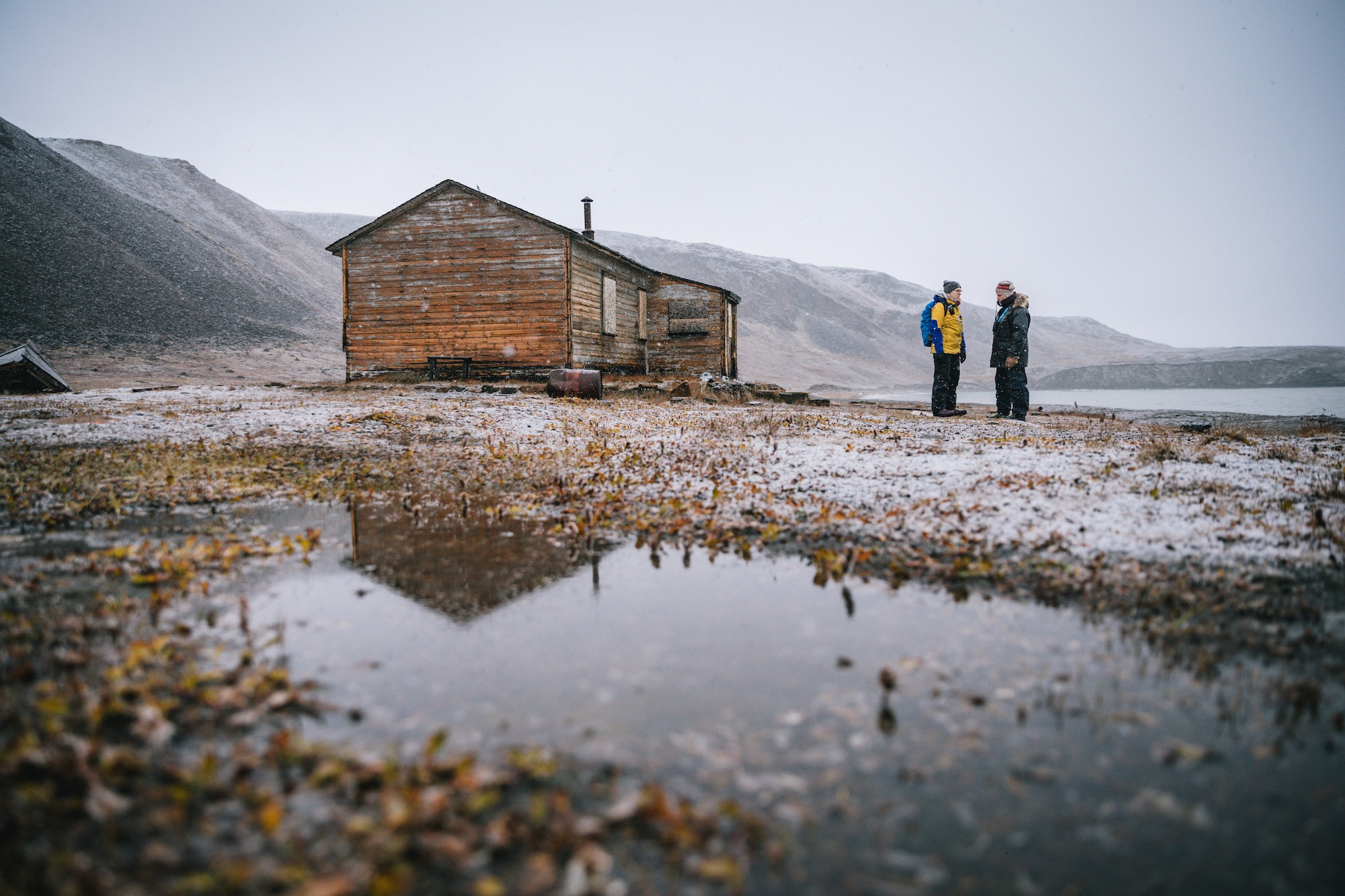
A typical summer season in the Canadian Arctic and Greenland involves navigating through fjords choked with glacial ice, visiting remote settlements to engage with Inuit communities, and conducting shore excursions on historic sites such as Beechey Island, where relics of the Franklin expedition remain preserved in the permafrost. Wildlife encounters—ranging from herds of narwhals and beluga whales to apex predators like polar bears hunting along the ice floes—require constant vigilance from ship bridges and Zodiac drivers alike.
Guiding in these conditions goes far beyond hospitality; it functions as an educational bridge between urban travelers and fragile polar ecosystems. Expedition staff are tasked with monitoring environmental conditions, ensuring strict compliance with wildlife viewing guidelines, and interpreting the complex geopolitical, ecological, and cultural realities of the modern North for passengers.
Economic Restructuring in Travel Media
The business model of travel publishing has faced severe financial pressures over the past decade, driven by declining ad revenues, unpredictable search engine updates, and changing consumer trust regarding sponsored content. In response, established writers and photographers are diversifying their professional operations, moving away from passive advertising models toward direct referral networks and boutique travel consultation.
By functioning as specialized consultants or independent referral agents for high-end expedition lines, trusted travel authorities can leverage their firsthand field experience to guide consumers toward appropriate voyages. This direct-to-consumer advisory model aligns the financial incentives of the creator with the actual satisfaction and preparedness of the traveler. Rather than promoting destinations based on short-term sponsorship deals, these professionals rely on their multi-season experience in the field to match prospective passengers with specialized itineraries that suit their physical capabilities and educational interests.
This economic restructuring allows creators to step back from the performative aspects of influencer culture. By securing revenue streams through expedition guiding and verified trip curation, professionals gain the creative freedom to focus on deep-dive storytelling, environmental journalism, and long-term advocacy for the regions they document.
Conservation Implications and the Rise of the Polar Ambassador
Environmental scientists and tourism boards have long debated the ecological footprint of opening polar regions to commercial tourism. While fossil-fuel consumption by expedition vessels contributes to carbon emissions in vulnerable environments, proponents argue that firsthand exposure to the realities of climate change transforms travelers into vocal, lifelong advocates for polar preservation.
Observations from the field consistently record the rapid retreat of marine glaciers, thinning sea ice, and shifting wildlife migration patterns. When travelers witness these phenomena firsthand—guided by experts who can articulate the historical and scientific context of Arctic warming—the abstract concept of climate change is replaced by tangible, emotional urgency.
Industry analysts note that passengers returning from polar expeditions exhibit higher rates of engagement with conservation organizations, sustainable policy advocacy, and community-support initiatives for northern Indigenous populations. By cultivating a network of informed travelers who act as informal ambassadors upon their return, the expedition tourism sector aims to leverage commercial travel as a tool for global environmental awareness.
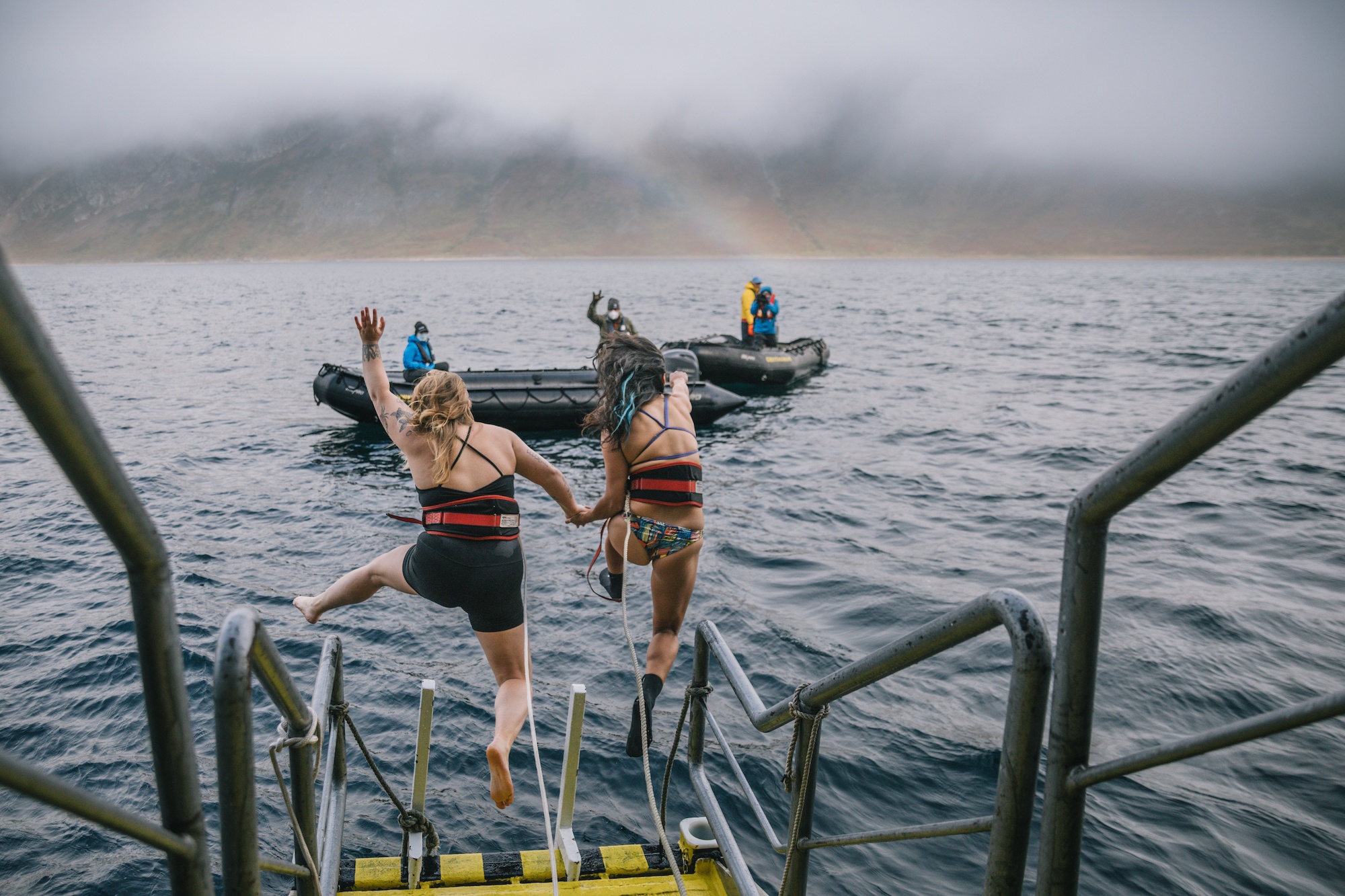
As the industry continues to evolve, the blending of field expertise, specialized travel consultation, and authentic storytelling represents a maturing of the adventure travel sector. For professionals leaving behind the digital treadmill, the cold, unpredictable waters of the Arctic offer not just a workplace, but a sustainable path forward rooted in genuine engagement with the natural world.
Related posts: