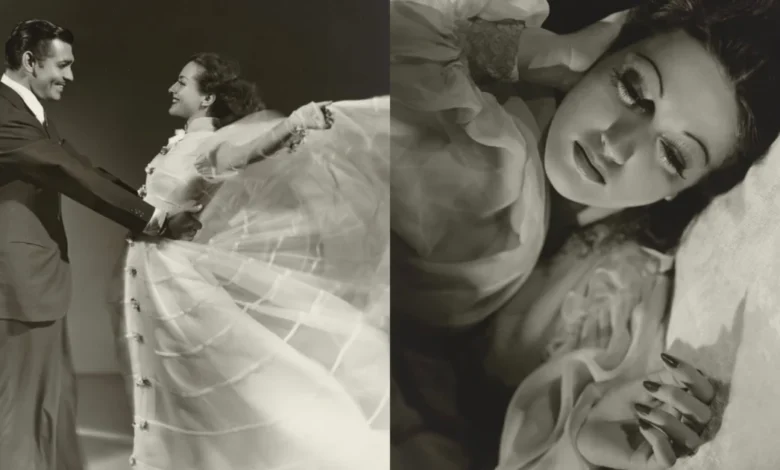
The exhibition, which runs through January 10, 2027, highlights a segment of the museum’s expansive archive of 70 Hurrell photographs. These images do more than merely document the physical appearance of stars; they represent a deliberate, calculated construction of fame that persists in the public imagination nearly a century later.
The Architect of Allure: A Biographical Context
George Hurrell was born in 1904 in Covington, Kentucky, and raised in the industrial landscape of Cincinnati, Ohio. His path to Hollywood was not linear; it was paved with a formal education in the fine arts. He began his artistic journey at the Art Institute of Chicago, where he studied painting. It was during this period that he first utilized photography, initially as a practical tool to document his own canvases.
The transition from painter to portraitist occurred in the 1920s while Hurrell was living in a California artists’ colony. There, the shift in his medium allowed him to experiment with the interplay of light and shadow—a technique that would eventually become his signature. His professional trajectory took a definitive turn in 1929 when, at the age of 25, he secured a position in the publicity department at Metro-Goldwyn-Mayer (MGM).
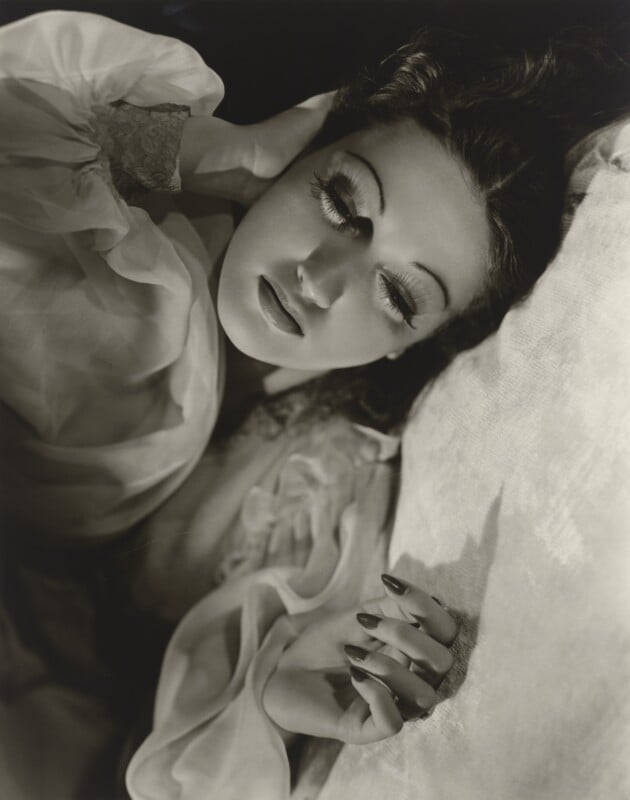
At MGM, Hurrell’s ability to turn actors into icons was immediately recognized. He was tasked with creating publicity stills that could withstand the scrutiny of both theater lobby displays and the growing influence of high-circulation fan magazines. By manipulating exposure and utilizing high-contrast lighting, Hurrell gave performers like Greta Garbo and Joan Crawford an otherworldly, ethereal quality that made them seem fundamentally different from the average moviegoer.
Chronology of a Career
The evolution of Hurrell’s work can be traced through the shifting landscape of the studio system:
- 1929–1933: The MGM Era. Hurrell joins the studio and establishes the "Hurrell Look," characterized by heavy shadows and sharp focus, which becomes the industry standard.
- 1933–1938: The Sunset Boulevard Studio. Seeking creative independence, Hurrell leaves MGM to open his own facility. This period is marked by some of his most experimental portraits, serving a broader roster of stars from various major studios.
- 1938–1942: The Warner Bros. and Columbia Phase. Hurrell transitions into a high-level contract photographer for these studios, maintaining his aesthetic while adapting to the changing demands of the pre-war film market.
- 1942–1945: World War II. Hurrell serves in a military film production unit, putting his commercial portrait career on hold.
- 1945–1950s: The Post-War Shift. The rise of candid, small-format, and "naturalistic" photography renders the 8×10 studio portrait style archaic, leading to a decline in demand for Hurrell’s signature method.
- 1980s–1992: Renaissance. A renewed interest in classic Hollywood aesthetics leads to a surge in appreciation for Hurrell’s archive, including notable late-career sessions with stars like Sharon Stone.
The Technicality of Glamour: Lighting and Retouching
The "Hurrell Look" was not merely a matter of subject matter; it was a feat of engineering. The primary tool of his trade was the 8×10-inch view camera. Unlike the smaller, more mobile cameras that would eventually dominate the industry, the 8×10 camera provided a level of detail and clarity that remains difficult to replicate even with modern digital sensors.
Hurrell utilized multiple lights to create a "sculpted" effect on the face. He was a master of the "key light," which he often positioned to create dramatic contrasts between the subject’s features and the background. Furthermore, his process involved meticulous retouching of the negatives. By carefully scraping or adding density to the emulsion, he could smooth skin, define cheekbones, and eliminate blemishes, creating a standard of beauty that audiences came to expect from the silver screen.
This methodology was a direct response to the requirements of the studio system. In the 1930s, the "star" was a commodity, and the portrait photograph was the primary advertisement for that product. If the star looked flawed, the studio’s investment suffered. Hurrell’s work provided the assurance of perfection that the public craved.
The Gallery Selection: A Who’s Who of the Golden Age
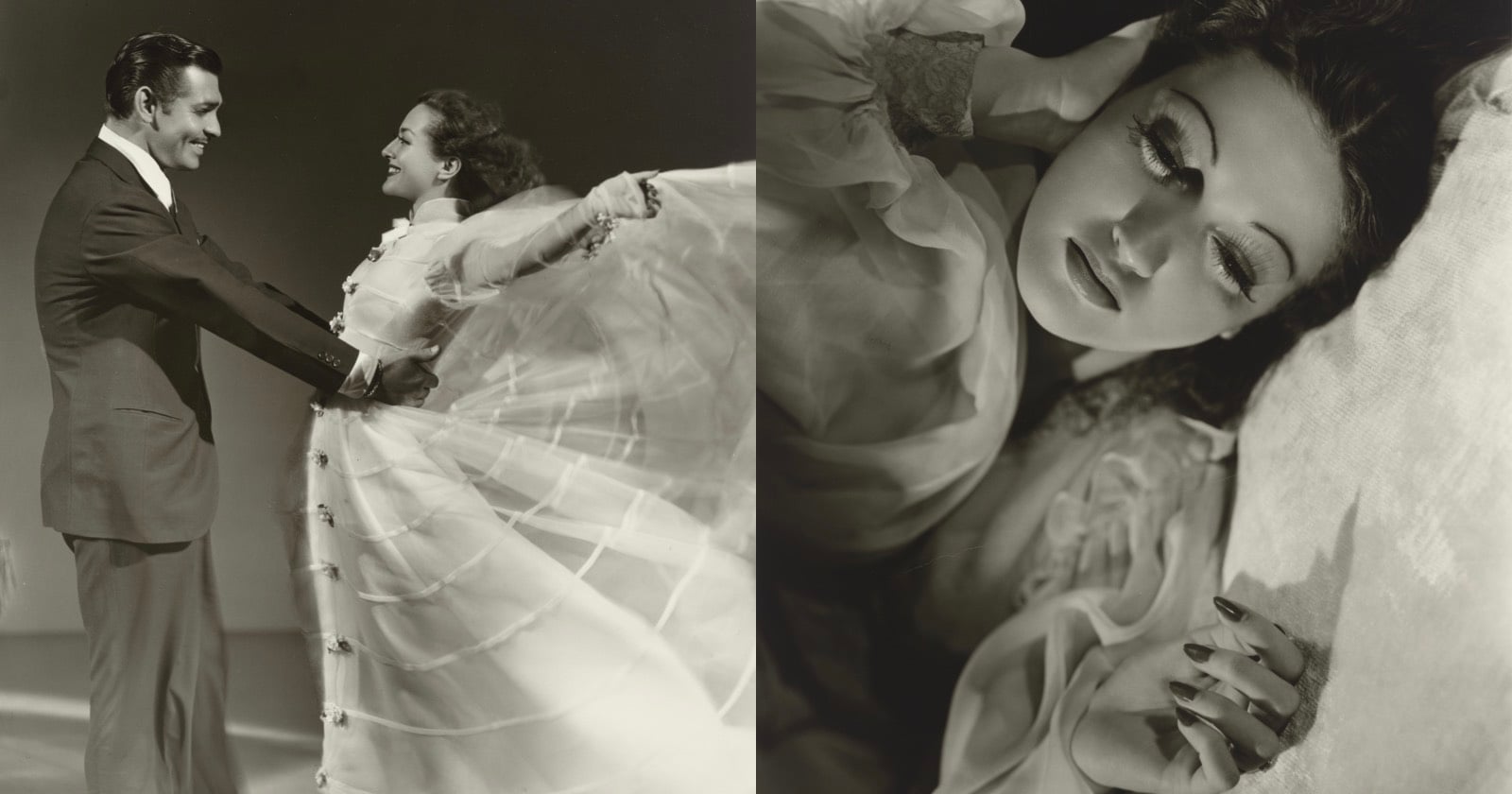
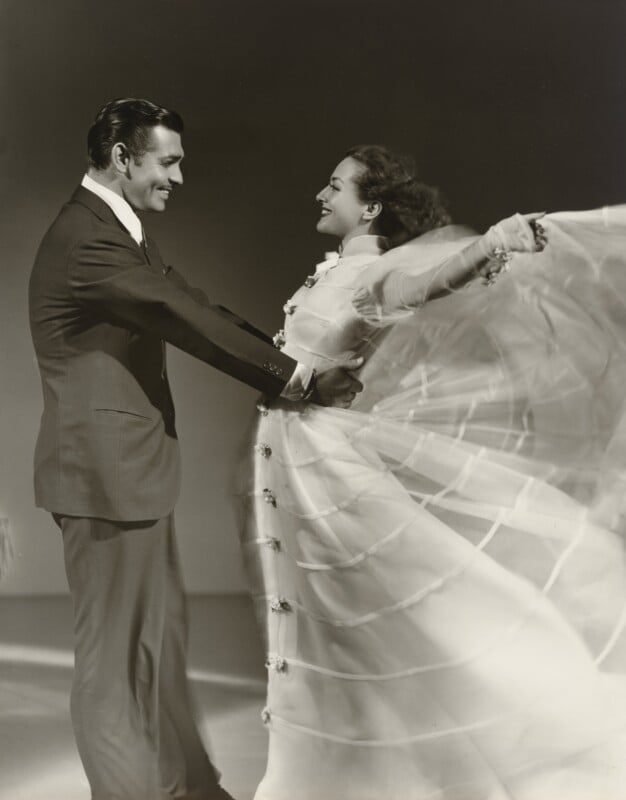
The National Portrait Gallery’s current selection serves as a condensed history of the 1930s cinema aristocracy. The presence of Joan Crawford and Clark Gable—captured dancing in a 1936 shot—demonstrates Hurrell’s ability to convey kinetic energy and chemistry in a static image.
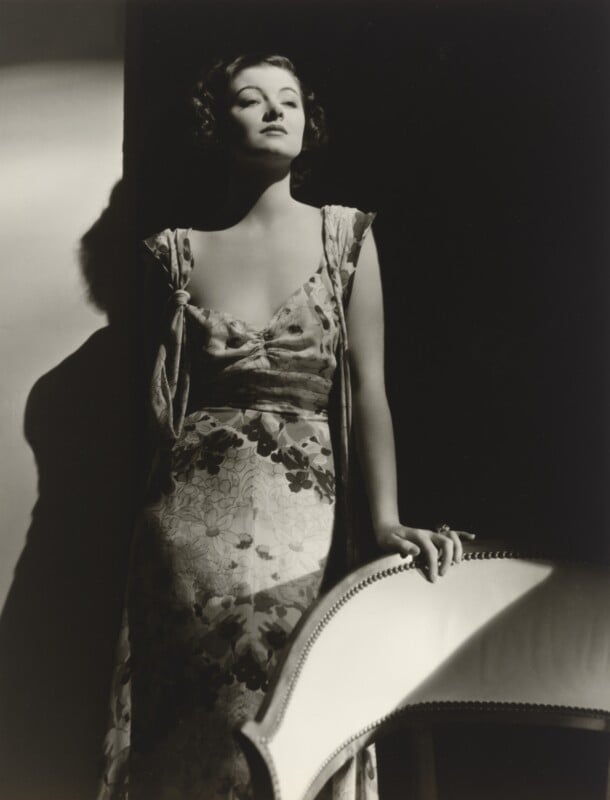
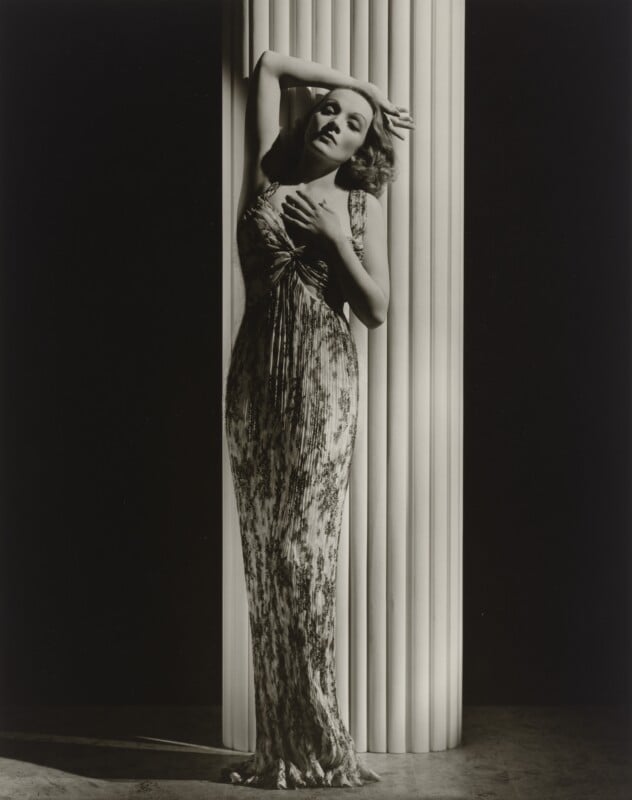
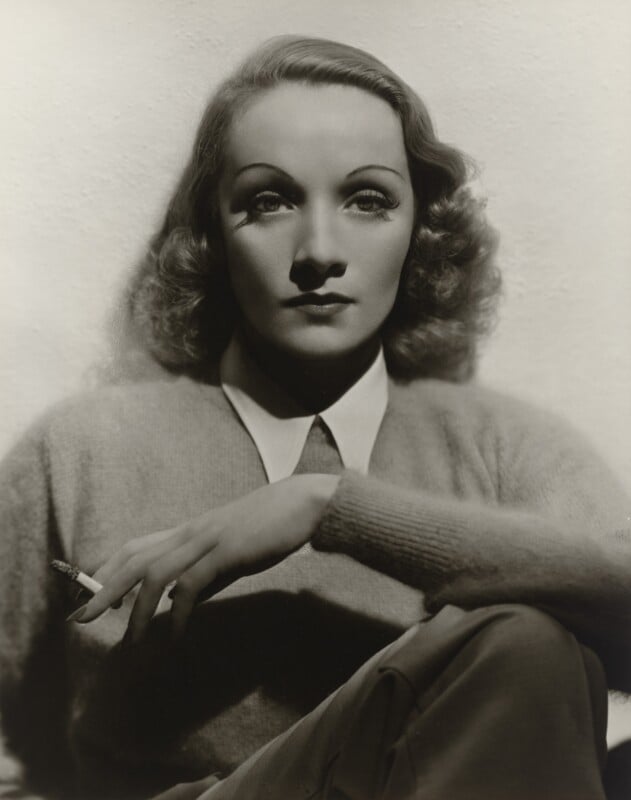
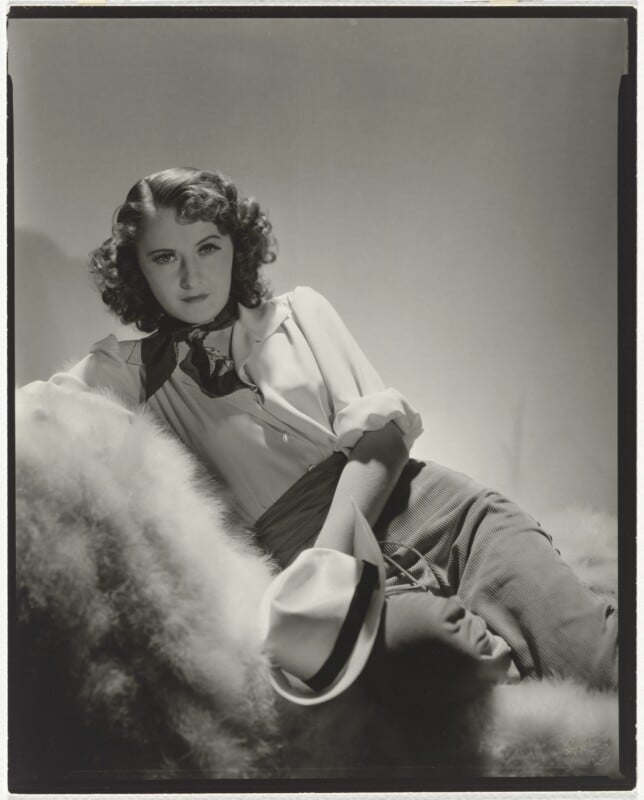
The inclusion of Marlene Dietrich, shown in several iterations, highlights the versatility of Hurrell’s approach. Whether she is draped against a fluted white column or captured in a more intimate, cigarette-in-hand pose, the portraits maintain a consistent level of sophistication. Other figures represented, including Barbara Stanwyck, Myrna Loy, and Dorothy Lamour, emphasize the breadth of Hurrell’s influence across different archetypes of the era, from the femme fatale to the girl-next-door.
The Demise of the "Golden Age" Aesthetic
The transition away from Hurrell’s style was not sudden, but it was decisive. By the late 1940s, the public began to favor a more "candid" style of photography. The rise of photojournalism and the influence of magazines like LIFE pushed the industry toward portable cameras that captured stars in "unposed" moments.
For Hurrell, this was a degradation of the art form. He famously lamented, "When we stopped using those 8×10 cameras, the glamour was gone." This statement highlights a fundamental tension in photography: the conflict between the documentary desire to capture "truth" and the commercial desire to capture "idealism." Hurrell’s work was firmly rooted in the latter, and his frustration reflected the loss of an era where photography was an act of creation rather than merely a record of observation.
Legacy and Contemporary Implications
The enduring appeal of these photographs in a contemporary setting—where images are routinely manipulated by AI and high-end digital editing—is telling. While modern tools can achieve the same visual polish as an 8×10 view camera, they often lack the intentionality of the original studio era.
Today, the work of George Hurrell is housed in prestigious institutions such as the J. Paul Getty Museum, the Museum of Modern Art, and the Library of Congress. His impact extends beyond photography into the realms of fashion, film production, and art history. He provided the blueprint for how fame is manufactured and marketed, a model that, despite the democratization of media, continues to dominate the visual lexicon of Hollywood.
The National Portrait Gallery’s decision to keep Star Power on display through 2027 reflects the sustained cultural importance of this era. It serves as a reminder that the "glamour" we associate with the 1930s was not a natural occurrence, but a meticulously constructed art form. Through his lens, Hurrell did not just take pictures of stars; he created the very idea of what a star should look like. As visitors walk through the gallery, they are seeing the foundational images of the modern celebrity culture, frozen in time by a man who treated every frame like a masterpiece of light and shadow.
Related posts: