Motorcycle Travel in Turkey: A Comprehensive Guide to Logistics, Safety, and Regional Exploration

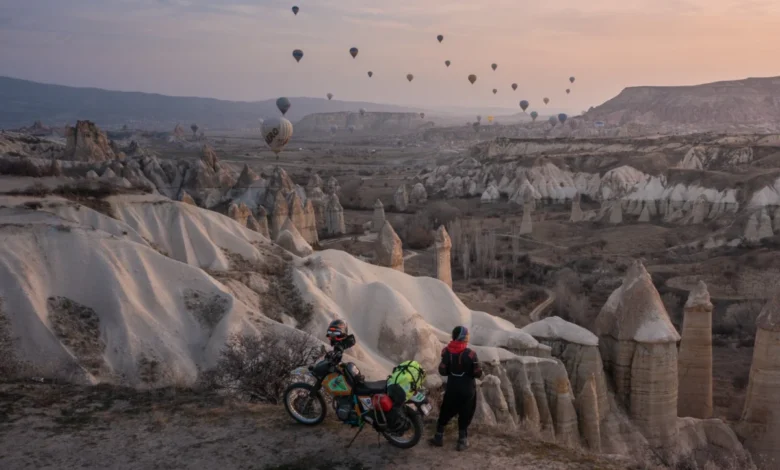
Turkey has emerged as a premier destination for long-distance motorcycle tourism, offering a vast, diverse geography that spans from the rugged, snow-dusted peaks of the eastern highlands to the serene, aquamarine waters of the Mediterranean coastline. The country’s extensive investment in infrastructure over the past two decades has transformed its road network, providing high-quality, paved thoroughfares that connect major urban hubs with remote, rural landscapes. For the international rider, Turkey presents a unique intersection of modern accessibility and ancient cultural heritage, making it a viable and increasingly popular choice for solo expeditions and group tours alike.
The logistics of motorcycling across this transcontinental nation require careful preparation. Travelers must navigate a regulatory environment that includes specific rules for vehicle importation, mandatory insurance protocols, and an automated toll system. Understanding these requirements is essential for ensuring a seamless experience, particularly for those planning extended stays or traversing cross-border routes.
Regulatory Framework and Vehicle Importation
The legal status of foreign-registered motorcycles in Turkey is governed by strict customs regulations. Under current policies, foreign vehicles are generally permitted to remain in the country for a maximum of 90 days. For expatriates or long-term travelers possessing a valid Turkish residency permit, this period can be extended up to two years. It is critical to note that overstaying this period incurs significant financial penalties, starting at approximately $50 USD per month and scaling rapidly thereafter.
For riders who need to exit the country temporarily—whether to return home or visit neighboring regions—the process of "leaving a vehicle in Turkey" must be formalized with customs officials. This requires declaring the vehicle at a designated facility, where it is officially logged and secured. Failure to properly declare a vehicle departure can result in complications upon re-entry.
Documentation requirements are straightforward compared to other regions in the Middle East and Central Asia. An International Driving Permit (IDP) is not officially required for entry, provided the rider holds a valid national motorcycle license. Furthermore, unlike Iran or Iraq, Turkey does not mandate a Carnet de Passage (CdP) for entry, simplifying the process for those touring from Europe. However, third-party motorcycle insurance is mandatory and must be verified at the point of entry. While many European "Green Card" insurance policies include coverage for Turkey, travelers should verify this status before arrival. If coverage is absent, insurance must be purchased at the land border.
Navigating the Road Network: Infrastructure and Tolls
Turkey’s road infrastructure is a testament to significant state-led investment, characterized by wide, well-maintained highways. While the primary routes are efficient, they can be subject to unpredictable traffic patterns. Turkish drivers, while generally more cautious than those in many neighboring eastern countries, often exhibit aggressive maneuvers that require defensive riding techniques.
Toll road usage is primarily managed through the HGS (Hızlı Geçiş Sistemi) electronic tag system. These tags are affixed to the motorcycle and read automatically at toll plazas. While the tags are available at major post offices (PTT) and select petrol stations, availability can be inconsistent in rural areas. Although some riders report successfully navigating toll roads without an active HGS tag, the formal policy dictates that toll-evasion will result in a fine. To mitigate risk, riders should obtain a tag at the earliest opportunity upon entry or ensure they are prepared to pay the toll electronically within the 15-day grace period to avoid penalties.
Regional Riding Profiles
Turkey’s geography offers distinct riding experiences, each with its own logistical considerations:
- The Mediterranean Coast: This region provides the most accessible riding conditions, with a well-developed tourism infrastructure and a high concentration of English-speaking service providers. The coastal highway is noted for its scenic value, winding through rugged mountains and historical sites. However, it is also the most heavily trafficked area, particularly during the peak summer months.
- The Black Sea Region: Characterized by cooler, temperate weather and lush, mountainous terrain, this area is ideal for those seeking to avoid the high temperatures of the interior. The region offers a mix of challenging mountain switchbacks and coastal cruising, with a landscape that remains green throughout the year.
- Central Anatolia: This region, home to Cappadocia and the Erciyes volcanic range, is defined by its high elevation and cultural significance. It is generally more conservative and quieter than the coastal areas, offering a more remote riding experience that requires self-sufficiency in terms of fuel and maintenance planning.
- The Eastern and Southeastern Regions (Kurdistan): This area represents the most rugged and culturally distinct part of the country. While it remains an off-the-beaten-path destination, it is favored by experienced travelers for its hospitality and ancient historical sites, such as Göbeklitepe and the various Armenian churches surrounding Lake Van.
Technical Support and Maintenance
For the average motorcycle traveler, the availability of technical support is a vital concern. While specialized, imported spare parts for high-end or niche motorcycles can be difficult to source and expensive due to high import duties, Turkey’s local mechanical expertise is extensive. The presence of local workshops, or "garaj," is ubiquitous. Turkish mechanics are often noted for their ingenuity, frequently manufacturing custom parts or performing modifications that allow older or specialized machines to remain operational.
For those preferring a rental option, Istanbul and Antalya serve as the primary hubs. While rental availability outside these major cities is largely limited to scooters, specialized motorcycle rental agencies in these hubs provide a range of options for touring, albeit at a premium price point due to the aforementioned import duties on vehicles.
Safety and Emergency Protocols
Motorcycle safety in Turkey is a multifaceted issue. While the overall security climate is stable, travelers should remain cognizant of regional variations. The eastern border regions occasionally experience heightened military presence or localized instability. It is advisable for travelers to monitor regional security alerts and stay on established, monitored routes.
In terms of road safety, the prevalence of speed cameras is increasing, particularly near major urban centers like Ankara and Istanbul. While speed limits for motorcycles exist, enforcement on foreign-registered vehicles can be inconsistent; nevertheless, adherence to posted limits is the only way to ensure immunity from fines.
In the event of an emergency, the national emergency response number is 112. This centralized system covers medical, police, and fire services, and should be the primary contact for any accident or security incident.
Future Implications for Moto-Tourism
The rise of initiatives such as the Trans Euro Trail (TET) through Turkey has further solidified the country’s reputation as an off-road destination. The TET network provides a structured, community-vetted route that minimizes the technical risks associated with random off-road exploration. As Turkey continues to integrate into the global adventure-motorcycling circuit, the demand for standardized information and reliable support networks is expected to grow.
Ultimately, motorcycle travel in Turkey is characterized by a balance between the ease of modern, high-speed transit and the rewards of remote, cultural immersion. By adhering to local customs, maintaining required documentation, and preparing for the variability of the country’s diverse climate, riders can safely and effectively navigate one of the world’s most dynamic landscapes. Whether choosing the historic, winding paths of the west or the wild, mountainous expanses of the east, the Turkish experience remains a singular endeavor for the global motorcycling community.