Beyond the Headlines: Assessing the State of Tourism and Daily Life in Modern Syria

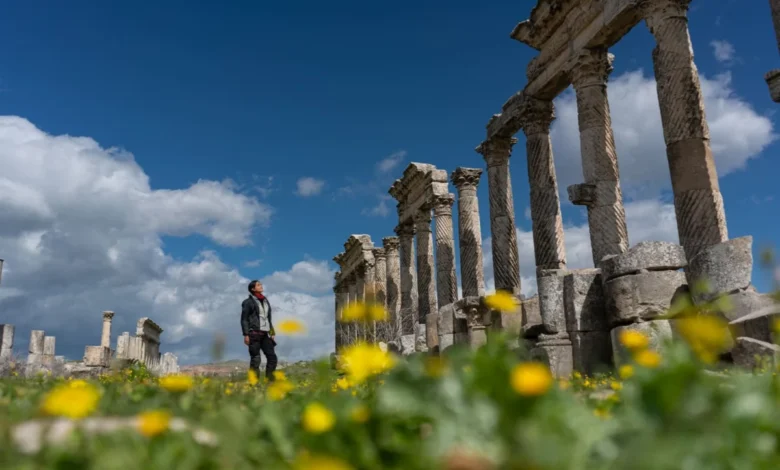
Syria presents a complex paradox for the modern traveler: a land of profound historical significance struggling to emerge from the shadow of a decade-long conflict. While the geopolitical landscape remains volatile and the economic situation dire, the country has begun to cautiously re-enter the international tourism market. To understand the current climate of travel in Syria, one must look past the binary of "war zone" versus "tourist destination" and examine the intersection of cultural heritage, economic necessity, and the reality of life in a post-conflict society.
A Chronology of Conflict and Cultural Resilience
The Syrian Arab Republic’s tourism sector, which once accounted for approximately 12 percent of the national GDP in 2010, effectively collapsed following the onset of the civil war in 2011. Prior to this, the country was a major regional hub for cultural tourism, attracting millions of visitors annually to sites like the ancient city of Palmyra, the Umayyad Mosque in Damascus, and the historical souqs of Aleppo.
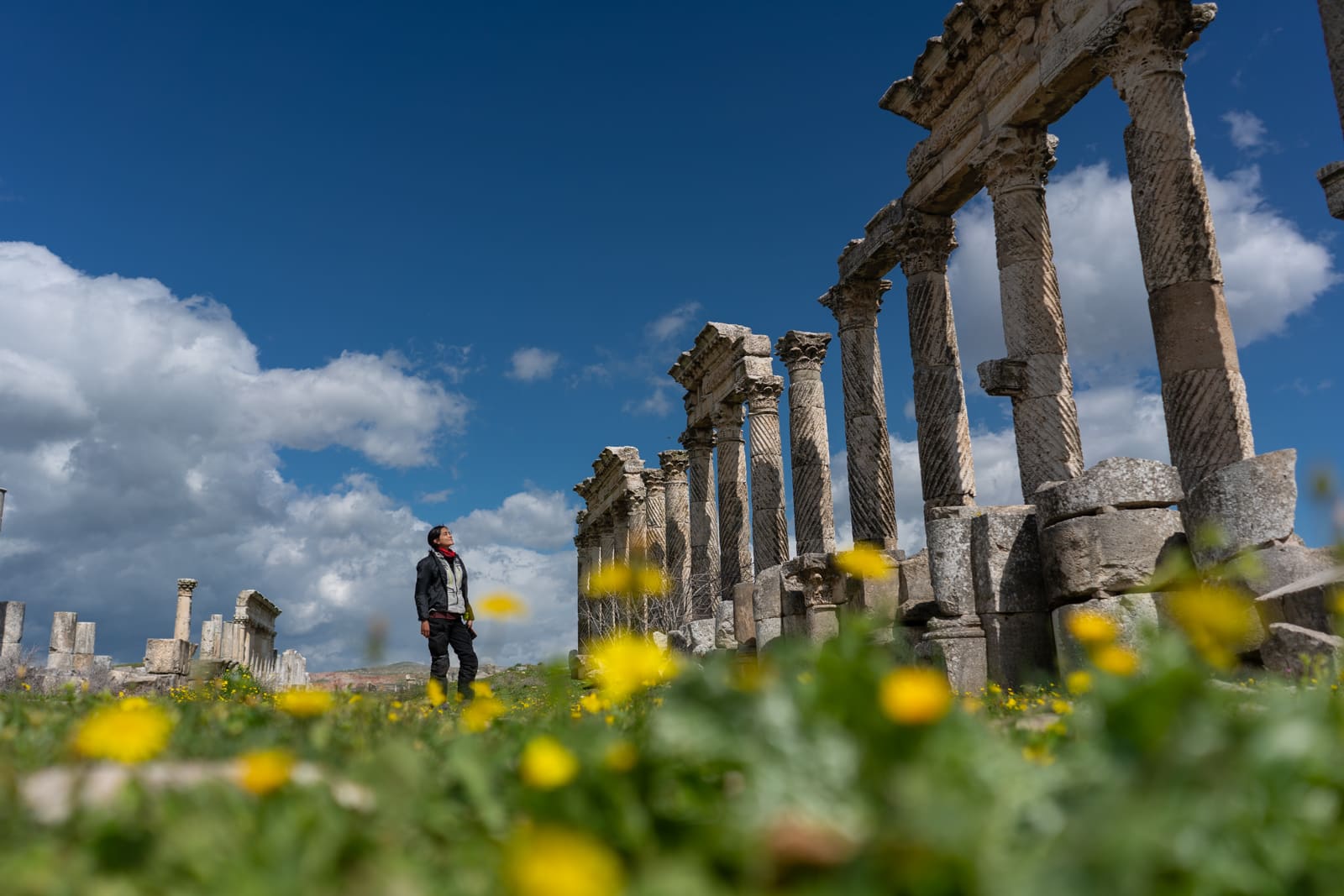
The conflict, characterized by multi-party internal fighting and significant external proxy involvement, resulted in widespread damage to infrastructure and critical heritage sites. According to UNESCO, multiple World Heritage sites were severely impacted or placed on the List of World Heritage in Danger. However, as the intensity of active combat has subsided in central and coastal regions, the government has sought to revitalize the tourism industry. In recent years, requirements for entry have been streamlined, though they remain stringent: foreign nationals are generally required to travel with authorized tour operators, a measure designed to manage security and facilitate the logistics of a country still navigating deep-seated stability challenges.
Economic Realities and the Infrastructure of Recovery
The current Syrian economy is characterized by extreme volatility, with the Syrian Pound facing severe depreciation against the US dollar. The humanitarian impact is profound, with the United Nations estimating that a vast majority of the population lives below the poverty line. Tourism, in this context, is viewed by local stakeholders not merely as a leisure industry but as a vital lifeline for foreign currency injection and local job creation.
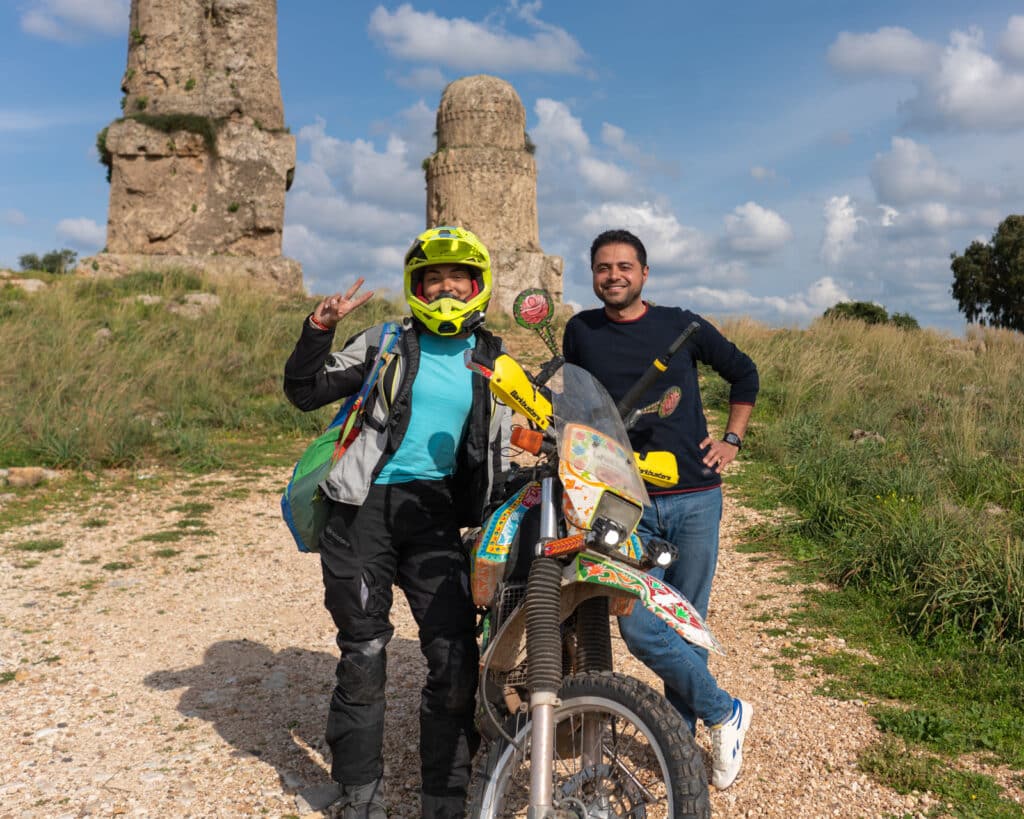
Infrastructure recovery remains uneven. While major urban centers like Damascus and Homs have seen a restoration of essential services, many rural areas and peripheral zones remain marked by the remnants of conflict. Power shortages are frequent, often attributed to the combined effects of damaged infrastructure and the impact of international sanctions on energy and oil production. For the visitor, this translates to a travel experience that is starkly different from conventional tourism; it requires a high degree of adaptability and an awareness that one is navigating a society under extreme fiscal strain.
The Security Landscape: A Statistical Perspective
Assessing the safety of travel to Syria requires a nuanced understanding of current security dynamics. While the regional volatility, particularly regarding tensions in neighboring Lebanon and the ongoing situation in Gaza, has led to sporadic military incidents, these events are largely concentrated in specific, high-stakes geographic corridors.
Security analysts note that while the risk of indirect fire or targeted strikes exists, the day-to-day experience of a visitor in major cities is largely defined by the presence of security checkpoints and the normalcy of civilian life. The risk to the average tourist is often compared to other high-risk regions; it is not the risk of being a specific target, but rather the risk of being present in a theater of geopolitical instability. Most governments continue to maintain "Do Not Travel" advisories for Syria, citing the unpredictable security environment, potential for arbitrary detention, and the limited ability of consular services to provide assistance.
The Ethical Dimensions of Dark Tourism
The emergence of Syria as an "off-the-beaten-path" destination has sparked significant debate among travel experts regarding the ethics of "dark tourism"—the practice of visiting sites associated with death, suffering, or disaster. There is a clear distinction between the pursuit of historical education and the exploitation of trauma.
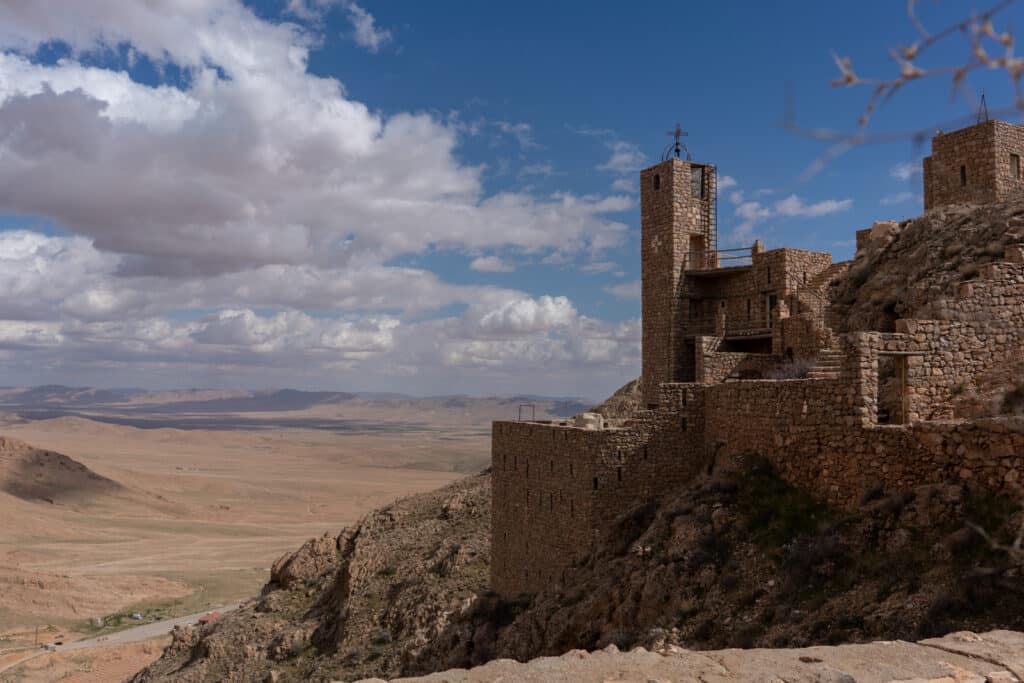
Critics argue that tourism in such regions risks trivializing the suffering of the local population if the primary motivation is "ruin porn" or the aestheticization of rubble. Conversely, proponents argue that isolationist policies often hurt the local population more than the political actors. By engaging with local guides and guesthouses, travelers contribute directly to the informal economy and participate in a form of "people-to-people" diplomacy. The consensus among ethical travel advocates is that if one chooses to visit, the burden of responsibility lies in acting as a respectful guest—prioritizing learning, supporting local businesses, and avoiding the sensationalization of the country’s current hardships.
Official Responses and Strategic Development
The Syrian Ministry of Tourism has been proactive in signaling that the country is "open for business." By licensing specialized tour companies, the state attempts to maintain a controlled environment for foreigners. These agencies act as a bridge, ensuring that visitors adhere to safety protocols while facilitating access to historical sites that might otherwise be inaccessible.
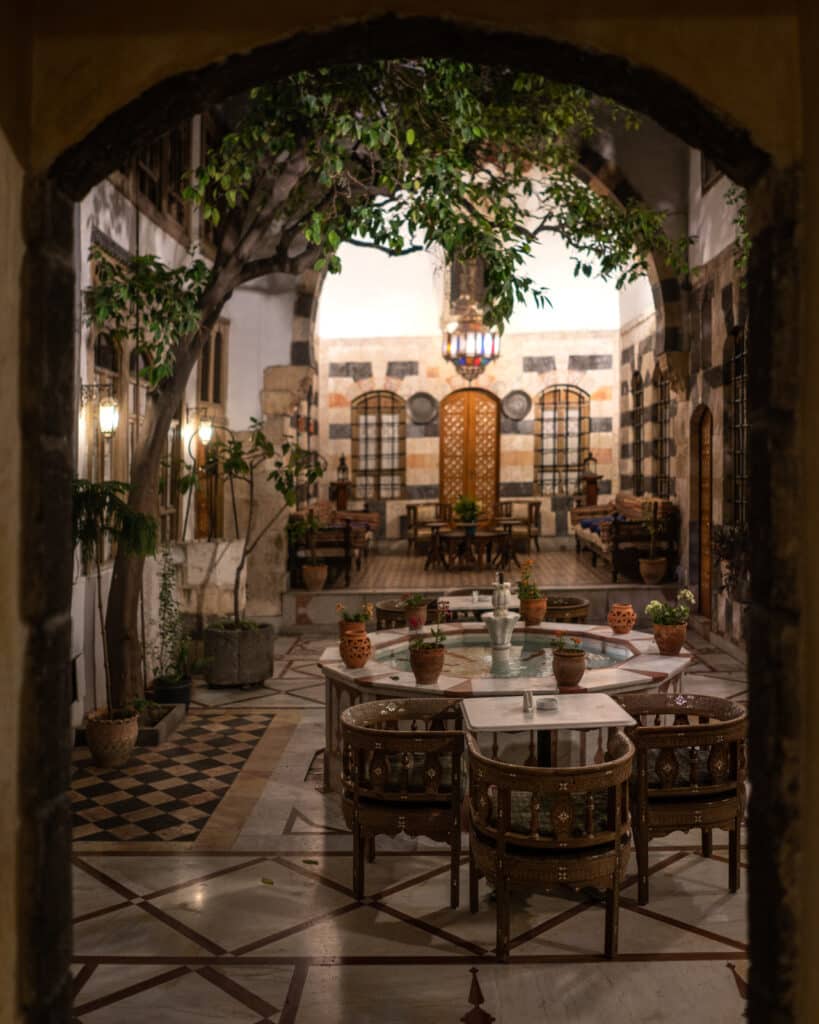
From the perspective of local tourism operators, the goal is to shift the narrative from one of "conflict" to one of "continuity." They emphasize that the Syrian people are eager to share their history and culture, which predates the recent conflict by millennia. For these operators, the presence of foreign tourists is a powerful symbol of normalcy and a rejection of the isolation that has defined the last decade.
Broader Implications and Future Outlook
The long-term implication of tourism in Syria remains tied to the broader political settlement. As long as the country remains a focal point for regional proxy rivalries, the sustainability of the tourism sector will be fragile. Investors are hesitant to commit capital to large-scale infrastructure projects, leaving the industry reliant on small-scale, private enterprise.
However, the resilience of the local population cannot be overstated. The return of small groups of foreign travelers is viewed as a necessary step toward the long-term goal of national rehabilitation. Whether this will lead to a broader, more stable tourism industry depends on several variables, including the easing of regional tensions, the stabilization of the currency, and the ability of the state to provide a secure environment for long-term investment.
For the prospective traveler, the decision to visit Syria is a deeply personal one that requires extensive research and a sober assessment of risk. It is not a destination for the casual vacationer, but rather for those seeking a profound, albeit challenging, engagement with a civilization at a critical juncture in its history. The reality of modern Syria is that it is a place of immense beauty and tragic complexity, where the past and present are constantly at odds, and where every interaction is colored by the weight of a decade of change. As the country moves forward, the role of the international visitor will remain a subject of intense scrutiny, balanced between the desire to explore and the imperative to remain empathetic to the challenges of a society still in the process of defining its future.