The Comprehensive Guide to Motorcycle Travel in Türkiye: Infrastructure, Logistics, and Regional Insights

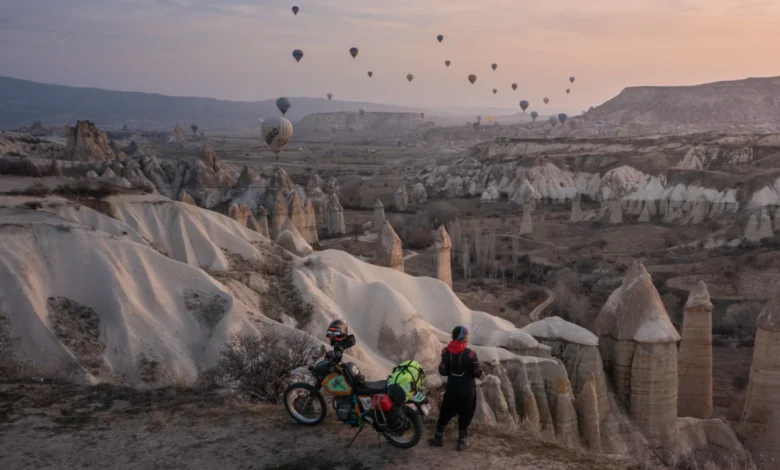
Motorcycle travel in Türkiye has emerged as a premier pursuit for international adventure motorcyclists, offering a unique intersection of well-maintained infrastructure and diverse geographic topography. From the snow-capped peaks of the Anatolian plateau to the Mediterranean coastline, the country provides a complex, expansive network of roads suitable for long-distance touring. As Türkiye continues to modernize its transportation corridors, it has transitioned into a strategic hub for riders navigating the route between Europe and the Middle East.
Historical Context and Infrastructure Development
Over the past two decades, the Turkish Ministry of Transport and Infrastructure has executed a multi-billion dollar project to modernize the national road network. This initiative has replaced aging, narrow arterial roads with high-capacity, asphalt-surfaced highways. These improvements have significantly reduced transit times and increased the accessibility of remote provinces. For the motorcyclist, this translates to a high level of connectivity, allowing for efficient movement across varied terrains. The prevalence of modern fuel stations, often equipped with full-service facilities, further supports the operational logistics of motorcycle touring in the region.
Geographical Zoning and Regional Riding Conditions
The country’s vast size, covering approximately 783,356 square kilometers, necessitates a strategic approach to route planning based on seasonal weather patterns.
- The Mediterranean and Aegean Coasts: Characterized by a Mediterranean climate, these regions offer optimal riding conditions during the shoulder seasons of March, April, September, and October. The coastal highway system provides access to numerous historical sites, including ancient Roman ruins. However, traffic density increases significantly during the summer months due to tourism, necessitating defensive riding protocols.
- The Black Sea Region: Distinguished by its humid, temperate climate and mountainous topography, this area remains a preferred destination for summer travel. The elevation provides a reprieve from the heatwaves common in the central Anatolian plains, where temperatures frequently exceed 40°C during July and August.
- Central Anatolia and Eastern Provinces: The central plateau, home to Cappadocia and various cultural landmarks, offers a more rugged landscape. The eastern provinces, including the region surrounding Lake Van, provide an off-the-beaten-path experience. These areas are characterized by lower population densities, higher elevations, and a higher frequency of unpaved, secondary road networks.
Regulatory Framework and Legal Requirements
Navigating the legal requirements for international riders in Türkiye is a structured process. Foreign-registered motorcycles are permitted to remain in the country for a period of up to 90 days. For those intending to leave their vehicle within the country for extended periods, specific customs declarations must be filed to avoid administrative penalties.
Documentation requirements are relatively streamlined:
- Driver’s License: A valid national motorcycle license is required. While an International Driving Permit (IDP) serves as a helpful translation, it is not a substitute for the primary license.
- Insurance: Third-party liability insurance is mandatory for entry. While many European "Green Card" insurance policies cover Türkiye, riders originating from outside the EU or without specific coverage must procure insurance at the border crossing.
- HGS (High-Speed Transit System): Toll roads and bridges utilize an automated electronic collection system. Riders are required to obtain an HGS tag, which can be purchased at designated post offices (PTT) or select service stations. Failure to possess an HGS tag may result in fines; however, a 15-day grace period is often provided for retroactive compliance.
Economic Considerations and Cost Analysis
The economic landscape for travelers has shifted in recent years. While historical data positioned Türkiye as a low-cost destination for Western travelers, current inflation rates have brought prices closer to those observed in Southern Europe. Fuel costs remain a significant expenditure, typically fluctuating based on global oil prices and local currency valuation. While rural areas may offer lower costs for food and basic accommodation, urban centers such as Istanbul and Ankara reflect international pricing standards.
Safety Protocols and Risk Management
Safety in Türkiye is generally considered consistent with other major touring destinations in the region. The primary risk factor identified by road safety experts is traffic behavior. Turkish drivers often exhibit a fast-paced, unpredictable driving style, particularly in urban areas. Defensive riding, which involves maintaining a heightened awareness of surrounding traffic and anticipating erratic maneuvers, is essential.
Regarding solo female travel, the consensus among touring motorcyclists is that the infrastructure is inclusive. While rural, more conservative provinces may present cultural nuances, the overall reception toward solo female riders is characterized by high levels of hospitality. Families and local communities frequently offer assistance to lone travelers, reflecting a deep-rooted cultural tradition of supporting those on long-distance journeys.
Technical Support and Mechanical Logistics
The accessibility of motorcycle maintenance is high, with a proliferation of workshops in urban areas. While sourcing specific, high-end imported components for niche motorcycle brands can be challenging and costly, Turkish metal fabrication shops have a reputation for high-quality, custom-made mechanical repairs. This "make-do" engineering culture is an asset for riders of older or less common motorcycle models, as local mechanics are often adept at fabricating parts that would otherwise require long-distance shipping.
Off-Road Riding and the Trans Euro Trail (TET)
For off-road enthusiasts, the Trans Euro Trail (TET) Türkiye segment offers a structured path through the country’s wilderness. The trail utilizes an extensive network of dirt tracks and forest roads. Riders are advised to exercise caution, as these paths are often used for livestock movement, leading to the presence of large, protective shepherd dogs. Furthermore, remote off-road travel should ideally be undertaken in groups or with robust communication equipment, as emergency response times in isolated mountain regions are inherently longer than in urban corridors.
Emergency Response and Crisis Communication
In the event of a mechanical failure or medical emergency, the standard emergency number in Türkiye is 112. This unified dispatch system coordinates police, medical, and fire services. It is recommended that riders maintain a list of local emergency contacts, including the nearest embassies or consulates, and utilize navigation applications that provide real-time updates on road conditions and local services.
The decision to tour Türkiye by motorcycle remains a significant undertaking, requiring thorough logistical preparation. However, the combination of diverse climate zones, a robust road network, and a culture of hospitality provides a unique environment for long-distance motorcycle travel. Prospective riders should prioritize thorough research into seasonal weather trends and local traffic regulations to ensure a safe and successful journey.