Protecting an infant’s delicate skin from solar radiation is a critical component of pediatric health and outdoor safety. As dermatological research consistently emphasizes, infants possess thinner, more permeable skin than adults, making them significantly more susceptible to ultraviolet (UV) damage. Because the use of chemical or physical sunscreens is generally discouraged for infants under the age of six months, mechanical barriers—specifically high-quality, UPF-rated sun hats—serve as the primary line of defense for parents venturing outdoors.
The Science of Pediatric Sun Protection
According to guidance from the American Academy of Pediatrics (AAP) and the Skin Cancer Foundation, the primary goal of infant sun safety is the prevention of sunburns, which can lead to long-term skin damage and an increased risk of melanoma later in life. Medical experts note that UV rays can penetrate through light cloud cover and reflect off surfaces like sand, water, and pavement, necessitating protection even on overcast days.

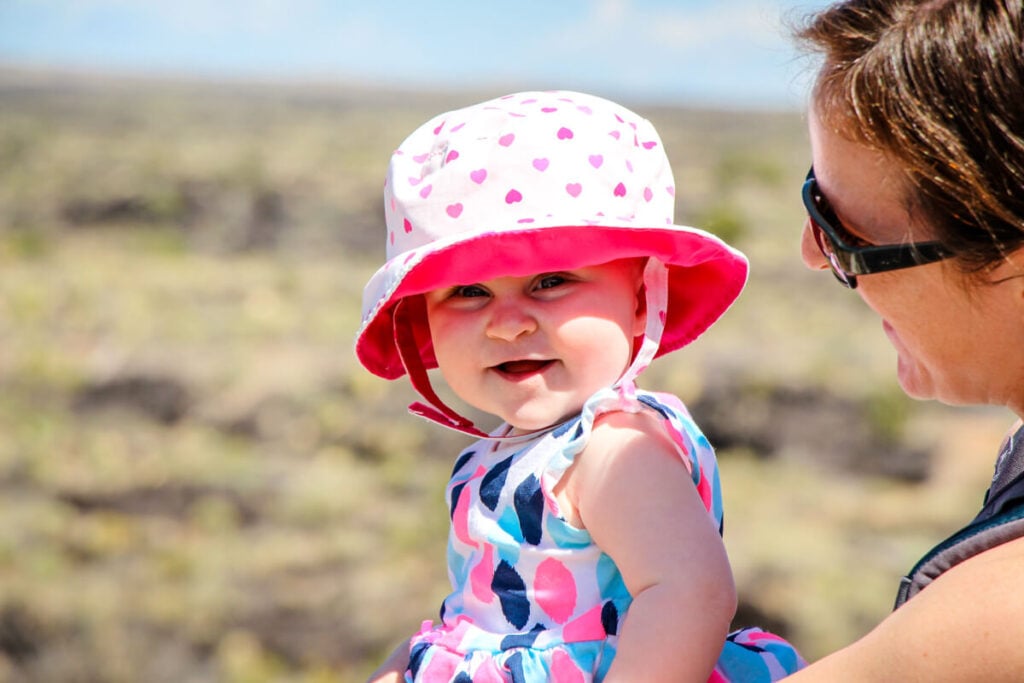
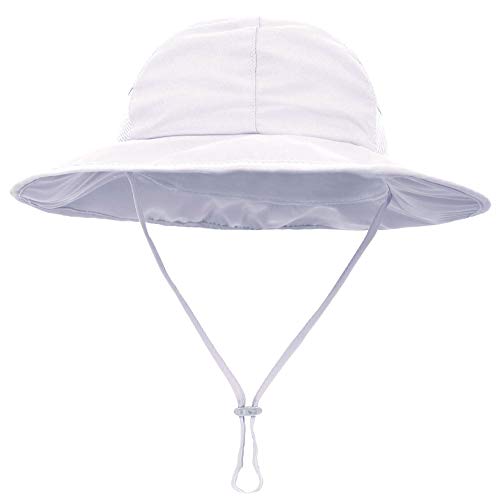
The standard for protective headwear involves a wide, all-around brim of at least three inches and a neck flap to shield the sensitive skin on the nape and ears. The Food and Drug Administration (FDA) supports these findings, advising that infants should be kept out of direct sunlight whenever possible. When exposure is unavoidable, clothing that covers the maximum amount of skin is the most effective preventative measure available to caregivers.
Essential Features to Evaluate
Selecting an appropriate sun hat requires a focus on both material science and ergonomic design. Parents and caregivers should prioritize the following criteria when assessing product viability for infants:

- UPF Ratings: Look for fabrics rated UPF 50+, which indicates that the material blocks approximately 98% of harmful UVA and UVB rays.
- Structural Integrity: A hat must be sufficiently structured to maintain its shape, ensuring the brim provides consistent shade over the face and neck without collapsing into the child’s eyes.
- Adjustability: Because infant head growth is rapid, hats with integrated drawstrings, elasticized bands, or toggle systems offer greater utility, allowing the item to be resized as the child matures.
- Retention Systems: To prevent the hat from being easily pulled off, an adjustable chin strap is vital. Many manufacturers now include "breakaway" or "no-choke" clips, which provide necessary safety by releasing if the strap becomes snagged on an object.
- Moisture Management: Breathability is paramount for thermoregulation. Hats featuring moisture-wicking liners or mesh ventilation panels prevent the accumulation of sweat, which can lead to heat rashes and discomfort.
- Packability: For families engaged in travel, the ability to collapse a hat into a diaper bag or carry-on without damaging the brim’s structural integrity is a significant convenience factor.
Market Leaders in Protective Headwear
Several manufacturers have emerged as industry standards by combining safety compliance with user-friendly design.

- Jan & Jul Gro-With-Me Adventure Hat: Widely regarded for its versatility, this design features adjustable head and chin straps. Its ability to grow with the child makes it a cost-effective choice, while the UPF 50+ fabric ensures consistent protection across different age brackets.
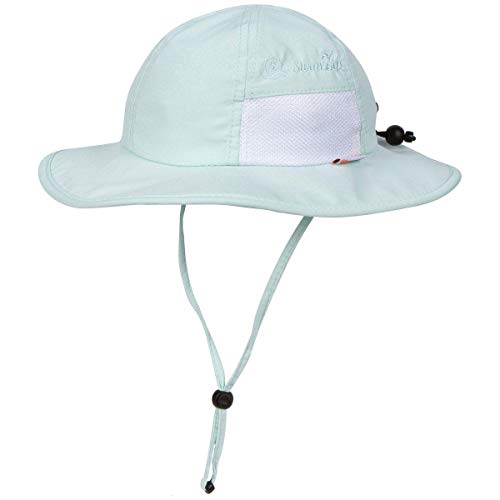
- SwimZip Wide Brim Sun Hat: Specifically engineered for aquatic environments, this hat utilizes rapid-dry fabric that maintains its protective qualities even when submerged. The inclusion of venting allows for airflow during intense physical play, and the variety of high-visibility colors assists parents in tracking their children in crowded environments.
- Green Sprouts Flap Sun Protection Hat: This model represents the evolution of traditional "i play" designs. It emphasizes extended neck coverage and utilizes a soft, lightweight material that is comfortable for infants during stroller naps. The moisture-wicking liner is a key feature for hot-weather excursions.
- Sunday Afternoons Infant SunSprout Hat: Ideal for the youngest demographic (0–12 months), this design is noted for its lightweight construction and specialized brim-to-neck-cape ratio. The lack of a rear brim makes it particularly compatible with the high headrests of modern strollers and baby carriers.
- SimpliKids Wide Brim Hat: Serving as an entry-level, budget-friendly option, this hat provides standard UPF 50+ protection. Its inclusion of a breakaway chin strap aligns with safety best practices, making it a reliable choice for families seeking value without compromising on core safety features.
Practical Implementation and Safety Protocols
The efficacy of a sun hat is dependent on its consistent use. Pediatricians often note that the "habituation" phase—where the infant becomes accustomed to wearing headgear—is the most challenging aspect for parents. Introducing the hat during short, positive outdoor experiences can reduce the likelihood of the child attempting to remove it.
Beyond headgear, parents must adopt a multi-layered approach to sun safety. This includes:

- Strategic Scheduling: Avoiding peak UV intensity hours, typically between 10:00 a.m. and 4:00 p.m.
- Physical Barriers: Utilizing stroller canopies, umbrellas, and portable UV-blocking beach tents to create a shade-controlled micro-environment for the infant.
- Ocular Protection: Using infant-specific sunglasses that offer 100% UV protection. Like skin, the eyes of an infant are more susceptible to damage from radiation, and early protection is essential for long-term ocular health.
- Sunscreen Usage: Following the FDA’s recommendation, sunscreen should be limited for infants under six months to small areas of exposed skin, such as the face and back of the hands, only when adequate clothing and shade are unavailable.
Broader Implications for Family Travel
As post-pandemic travel trends continue to see families taking infants to increasingly diverse climates, the demand for high-performance UV-blocking gear has risen. Travel experts suggest that the "pre-trip checklist" for parents should now prioritize sun protection as highly as medical supplies or dietary needs.

The shift toward lightweight, packable, and durable gear has allowed families to maintain a consistent sun-safety regimen regardless of whether they are hiking in the mountains or vacationing at a tropical resort. By investing in proper equipment, parents can mitigate the risks associated with UV exposure while ensuring that outdoor activities remain a positive, safe, and integral part of early childhood development.

Ultimately, the choice of a baby sun hat is not merely a fashion accessory; it is a vital health investment. By adhering to guidelines regarding brim width, UPF ratings, and secure fit, parents can provide their children with the necessary protection to enjoy the outdoors while minimizing the cumulative impact of solar radiation on their developing skin.