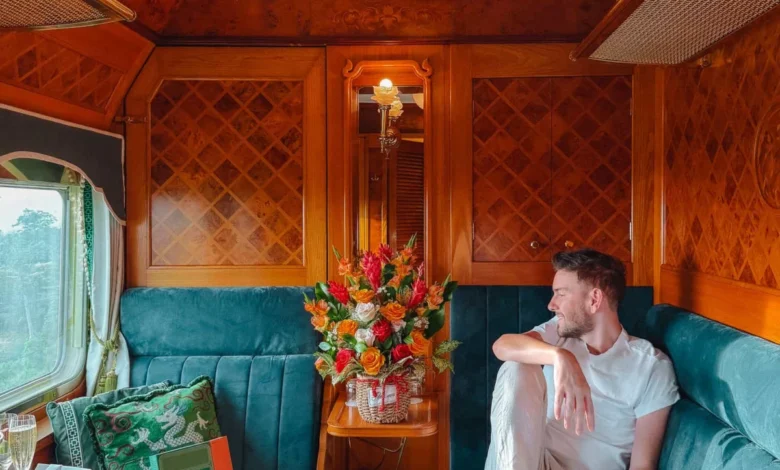
The Eastern & Oriental Express, operated by Belmond, represents one of the world’s most sophisticated rail travel experiences, offering a seamless blend of heritage-inspired luxury and modern convenience. Running through the heart of the Malay Peninsula, this iconic train connects travelers between Singapore and Malaysia, providing a unique vantage point to explore the region’s cultural and natural landscapes. As the train navigates the route between Woodlands in Singapore and various northern Malaysian hubs, it serves as a testament to the enduring appeal of "slow travel," where the journey is as significant as the destination itself.

The Historical Significance and Modern Evolution of Luxury Rail
The concept of luxury rail travel in Southeast Asia draws its lineage from the golden age of train travel. The Eastern & Oriental Express, launched in its current iteration in 1993, was designed to evoke the spirit of the historic Singapore-to-Bangkok route while incorporating contemporary amenities. In recent years, the service has undergone significant refinements, including a collaboration with the fashion house Dior to curate a bespoke onboard spa experience. This evolution reflects a broader trend in the luxury travel sector, where operators are shifting from purely functional transit to immersive, lifestyle-focused experiences.

The logistics of the journey begin well before boarding. Passengers typically receive concierge support approximately one month prior to departure, allowing for the pre-booking of excursions and spa treatments. This level of meticulous planning is essential, as the train operates with limited capacity, and high-demand services like the Dior Spa frequently reach full occupancy well in advance.

Pre-Departure Protocols and Transit Procedures
Departure procedures are streamlined to ensure a high-touch experience for guests. Departing from Woodlands Train Station in Singapore, travelers undergo standard immigration checks before being escorted onto the platform. The seamless nature of this transition—often involving private car transfers from Singaporean hotels to the station—is a hallmark of the Belmond service model.

Once on board, the logistical complexity of managing luggage in restricted cabin spaces is mitigated by a dedicated staff. Passengers are advised to carry only essential items in smaller hand luggage, while larger suitcases are securely stored by the crew throughout the duration of the trip. This operational structure allows for a more spacious and comfortable environment within the sleeping quarters, which are categorized into three tiers: Pullman, State, and the Presidential Suite.

Architectural and Design Features of the Carriages
The interior design of the Eastern & Oriental Express is characterized by a commitment to regional aesthetics. The train features a variety of communal carriages, each serving a distinct purpose. The Observation Car, typically located at the rear of the train, provides an open-air deck that is highly sought after by photographers and sightseers. Its interior is configured to facilitate social interaction, featuring a bar that serves a curated menu of cocktails and regional spirits.

The restaurant carriages, named Malaya and Adisorn, are central to the onboard experience. The dining service is structured to encourage social engagement, with seating arrangements that often place passengers alongside fellow travelers. This intentional design fosters a communal atmosphere that many passengers find to be a highlight of their trip. For those preferring solitude, private dining arrangements remain an available option upon request.

The Piano Bar car serves as the social hub of the train. By day, it functions as a lounge for tea and light refreshments; by night, it transforms into a venue for live entertainment, hosting musicians who perform as the train traverses the Malaysian countryside.

The Itinerary: The Essence of Malaysia
The route commonly referred to as the "Essence of Malaysia" focuses on providing an authentic, albeit curated, look at the country’s history and geography. Key stops include the island of Langkawi and the historic city of Ipoh.

In Penang, excursions often highlight the city’s fusion of colonial and Peranakan architecture, as well as its world-renowned street art scene. The planning of these excursions involves a balance between structured guided tours and independent exploration, ensuring that passengers have the flexibility to engage with the local culture in a manner that aligns with their interests.

The incorporation of the Dior Spa into the train’s offerings—housed in a dedicated carriage—marks a significant expansion in the service’s luxury profile. With two specialized spa rooms, the facility offers a variety of treatments designed to combat the fatigue often associated with long-distance travel. This inclusion has been well-received, as it provides a sanctuary of wellness amidst the movement of the train.

Operational Considerations and Traveler Logistics
While the experience is often described as seamless, there are practical considerations for those planning a journey. First, seasonality plays a critical role in both pricing and availability. Demand for the Eastern & Oriental Express remains high, and booking several months in advance is standard procedure.

Second, for those sensitive to motion or noise, it is worth noting that while the train is maintained to high standards, the nature of rail travel involves inherent vibrations. However, the sleeping cabins are engineered to maximize passenger comfort, and the noise levels are generally low enough to ensure a restful night. The fatigue reported by some travelers is typically not due to the environment itself, but rather the temptation to engage with the train’s amenities late into the night.

Broader Context: The Belmond Rail Network
The Eastern & Oriental Express is one component of a wider portfolio of iconic luxury trains operated by Belmond. This network includes the British Pullman in the United Kingdom, the Royal Scotsman in Scotland, the Andean Explorer in Peru, and the recently introduced Britannic Explorer. Each of these services operates under a similar philosophy: the marriage of classic craftsmanship with high-end hospitality.

The success of these ventures underscores a robust demand for experiential travel. By offering a product that emphasizes history, regional culture, and high-quality service, these trains occupy a niche market that appeals to travelers seeking to disconnect from the frantic pace of modern air travel in favor of a more deliberate and aesthetic mode of transit.

Conclusion and Future Outlook
The Eastern & Oriental Express remains a cornerstone of luxury tourism in Southeast Asia. Its success is not merely a result of its aesthetic appeal but a reflection of the logistical precision provided by its staff. By managing the complexities of international borders, dining, and personalized excursions, the service provides an experience that is both accessible and exclusive.

For the prospective traveler, the primary recommendation remains early engagement with the booking process and a clear understanding of the seasonal variations that affect the experience. As the luxury rail industry continues to grow, the Eastern & Oriental Express serves as a benchmark for how heritage and modern innovation can coexist, offering a timeless way to experience the diverse landscapes of Malaysia.