Beyond the Postcards: Exploring the Socioeconomic Realities, Culture, and Culinary Heritage of Rio de Janeiros Rocinha Favela

The urban landscape of Rio de Janeiro, Brazil, is defined not only by its iconic coastal geography and colonial architecture, but also by its extensive network of informal communities known as favelas. Home to approximately 12.5 million Brazilians—roughly six percent of the national population—these urban settlements represent a critical component of the country’s demographic and socioeconomic fabric. Among them, Rocinha, located in the southern zone near the São Conrado district, stands as the largest favela in Brazil. While international media coverage has historically focused on security challenges within these neighborhoods, an examination of daily life in Rocinha reveals a densely populated, highly organized urban ecosystem characterized by robust local commerce, vibrant public art, and a distinct culinary culture that reflects the heart of modern Brazilian working-class life.
Historical Context and Urban Development
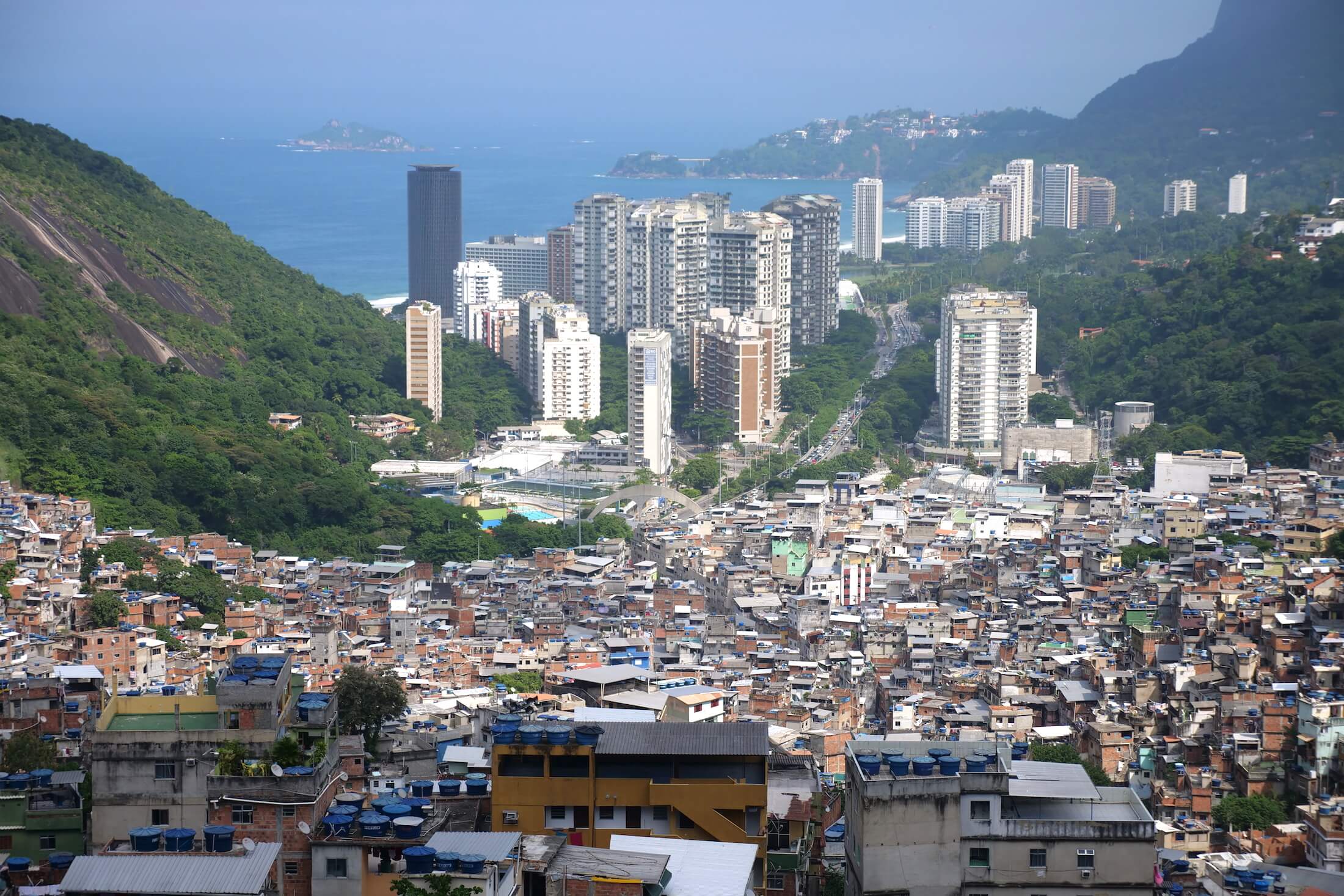
The origins of Rio de Janeiro’s favelas date back to the late 19th century, when disbanded soldiers and impoverished citizens began establishing informal housing on the city’s unoccupied hillsides. Over decades, these communities expanded rapidly alongside Brazil’s broader urbanization and industrialization trends. Contrary to external misconceptions that categorize favelas strictly as impoverished slums, areas like Rocinha have evolved into self-sustaining neighborhoods equipped with essential infrastructure. Most homes in Rocinha are connected to running water and electricity systems, and the neighborhood features a comprehensive commercial sector comprising schools, financial institutions, pharmacies, and grocery markets.
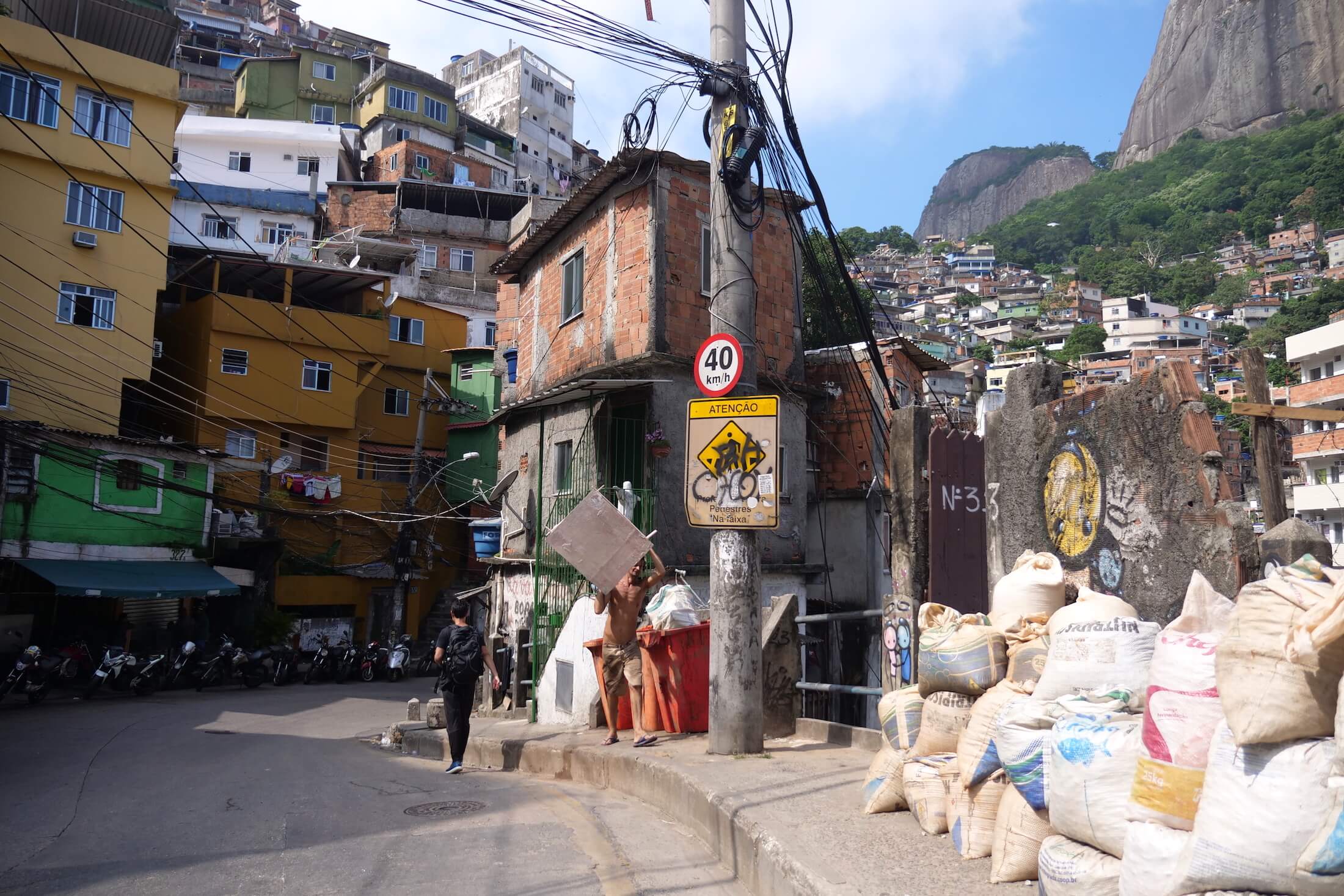
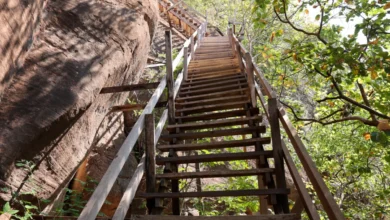
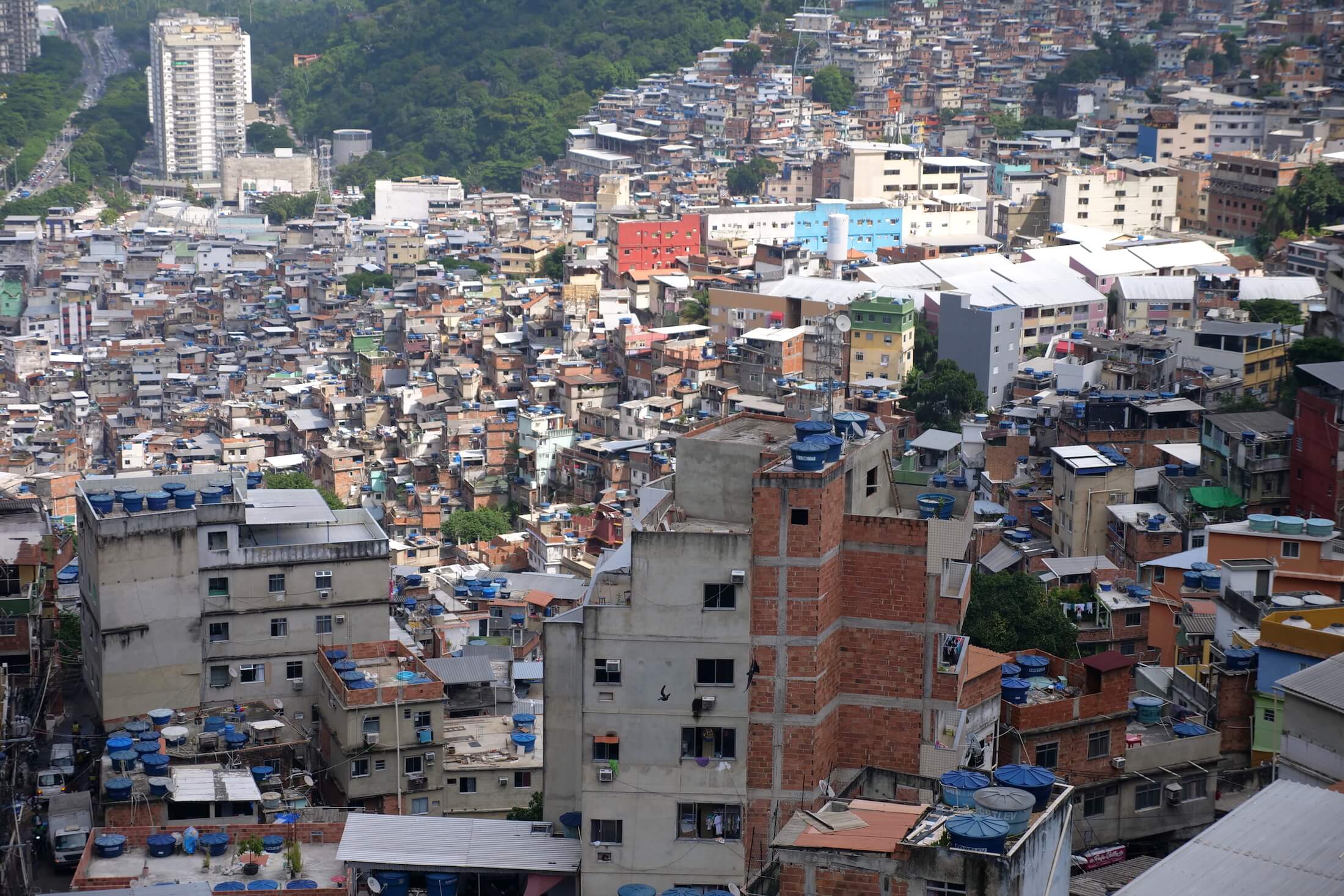
The physical geography of Rocinha is marked by steep hillsides rising sharply from the urban grid, featuring vertical residential structures where homes are built closely adjacent—and frequently stacked—upon one another. To navigate these steep inclines, residents and visitors rely on an established internal transit network. Public buses service the primary thoroughfares, while a fleet of localized motorcycle taxis (moto-taxis) facilitates rapid vertical transit from the base of the neighborhood to its highest points, such as the prominent vantage point locally referred to as the "Gate of Heaven."
Security Policies and Pacification Initiatives
For decades, the public perception of Rocinha and other major favelas has been heavily influenced by security concerns and sensationalized media reporting. In response to high crime rates and the presence of organized criminal factions, the government of Rio de Janeiro has periodically implemented major security interventions. Notably, prior to the 2018 Olympic Games, state authorities deployed large-scale police operations to secure major favelas, establishing permanent Pacifying Police Units (UPPs) within these communities.
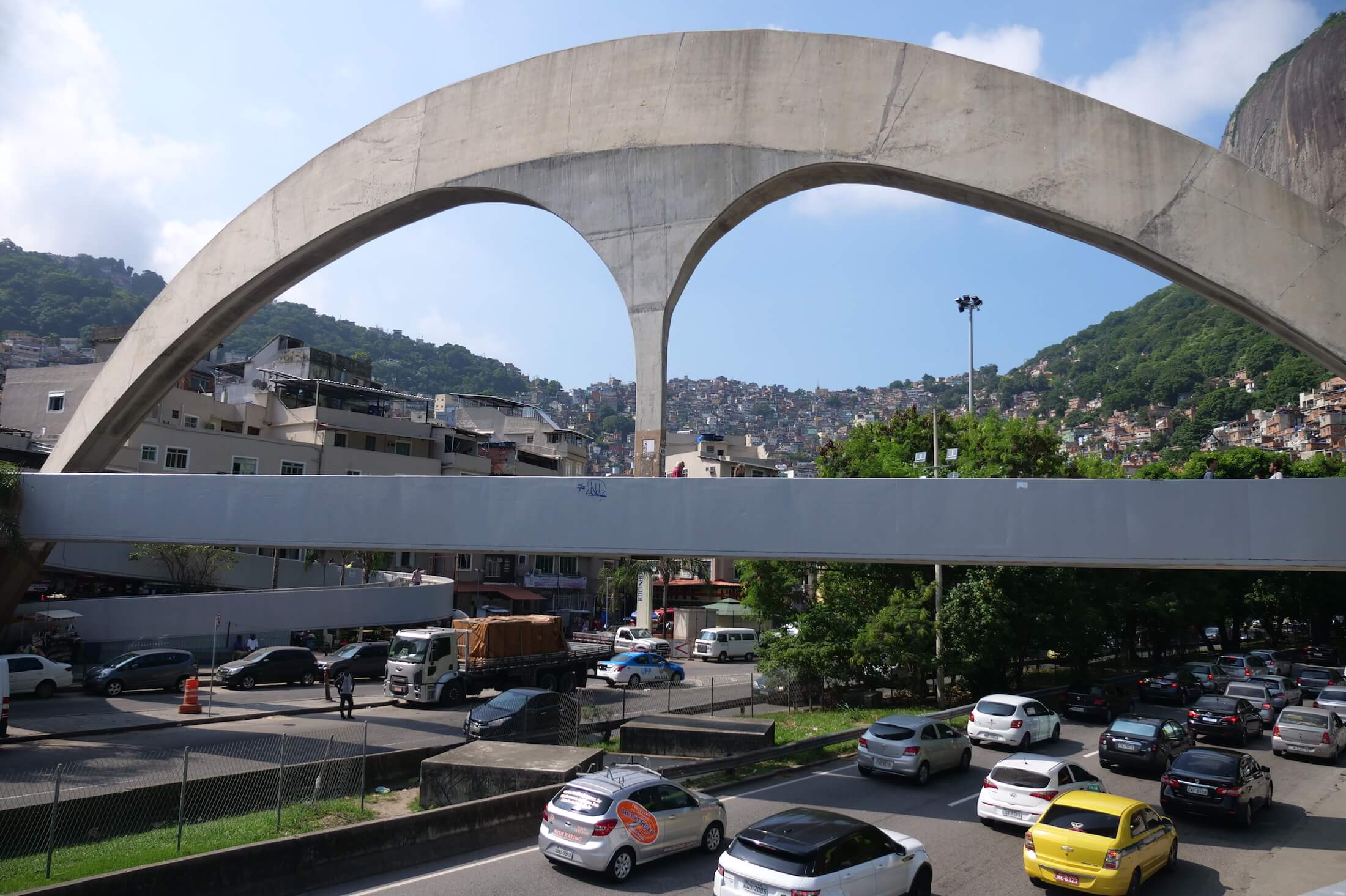
While these interventions aimed to reduce violence and integrate informal settlements more securely into the formal municipal framework, urban sociologists note that the long-term success of such initiatives depends heavily on continuous civic investment, infrastructure development, and economic inclusion. Despite these historical security challenges, community leaders and local inhabitants emphasize that the vast majority of residents are working-class citizens pursuing standard socioeconomic stability, education, and community development.
Economic Vitality and Local Commerce
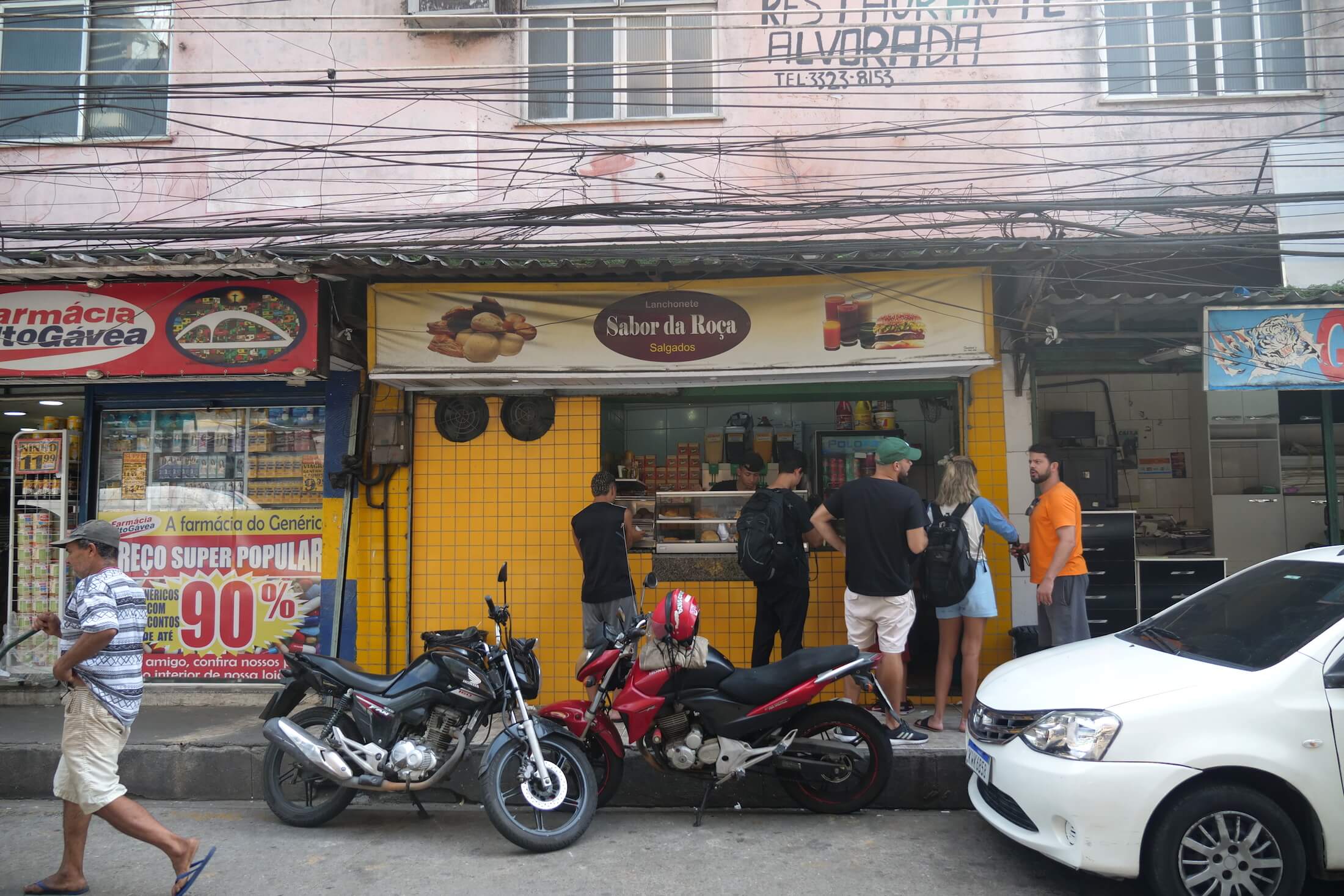
Rocinha’s economy is driven by localized micro-enterprises, family-run restaurants, and street-level vendors that serve its estimated population of over 100,000 residents. The neighborhood’s commercial corridors present a dynamic display of Brazilian cuisine, featuring traditional snack items and hearty home-style meals at accessible price points.
Among the prominent culinary staples found throughout Rocinha are salgados—a broad category of savory, fried or baked pastries. The coxinha, a teardrop-shaped fried dough stuffed with shredded chicken and seasoned with herbs or cheese, represents a ubiquitous fixture of street-level commerce, typically priced between two and five Brazilian Reais. These snacks are frequently paired with traditional coffee or fresh fruit juices (sucos), forming an affordable dietary staple for local workers.
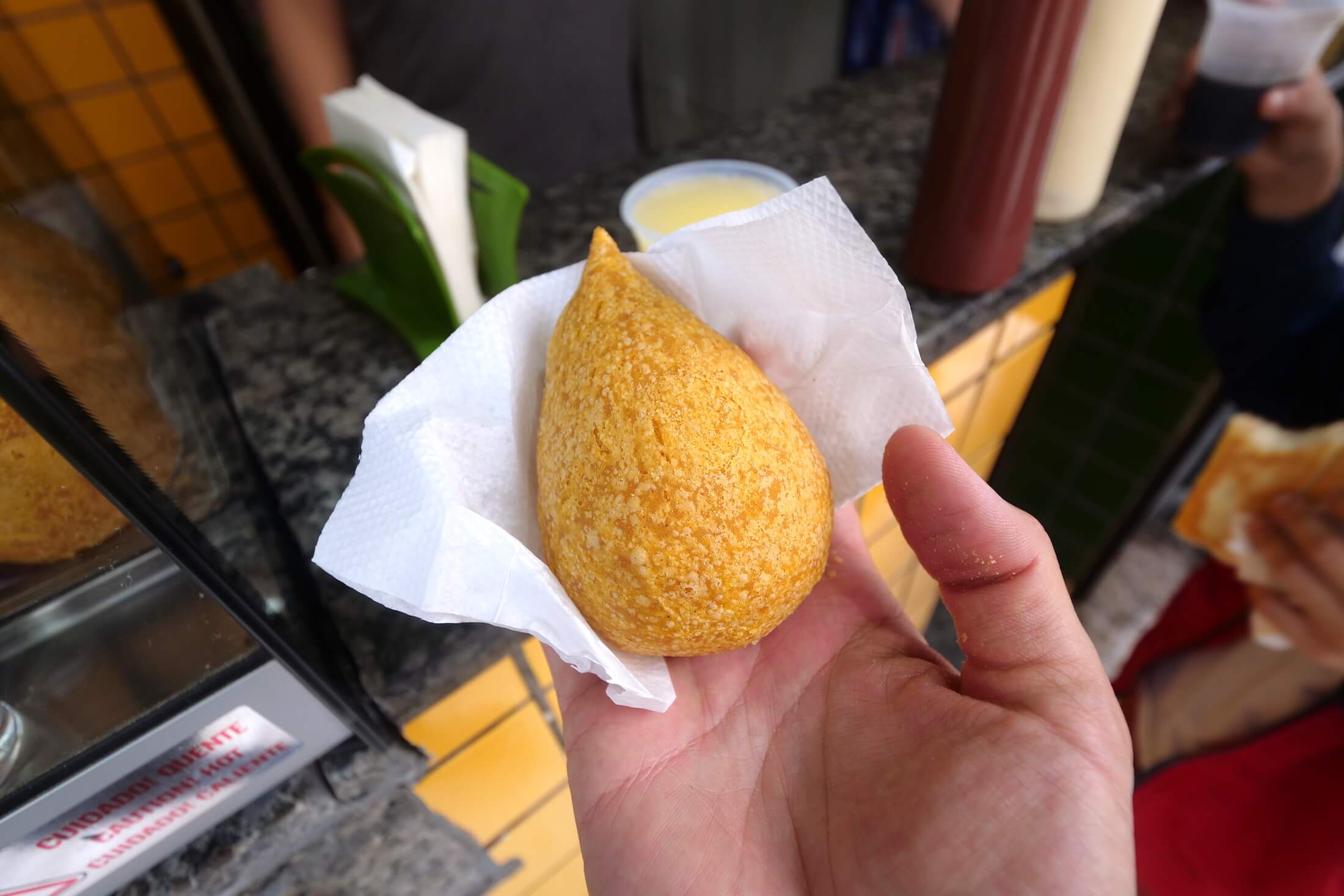
In addition to snack kiosks, residential kitchens operating without formal storefront signage serve as informal community dining rooms. Local culinary ventures, such as the kitchen operated by resident chef Alexander, provide complete midday meals for approximately ten Brazilian Reais. These plates typically combine foundational Brazilian staples, including white rice, black beans, spaghetti, slow-simmered beef brisket or pork, and farofa (toasted cassava flour), offering a direct reflection of traditional working-class Brazilian home cooking.
Cultural Expression and Public Art
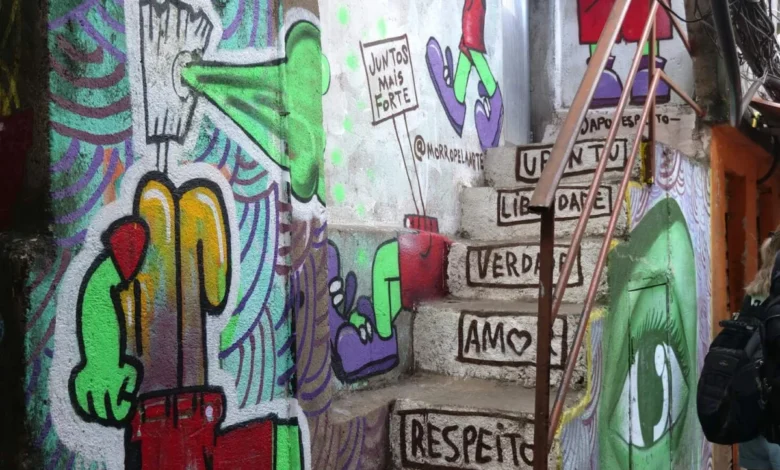
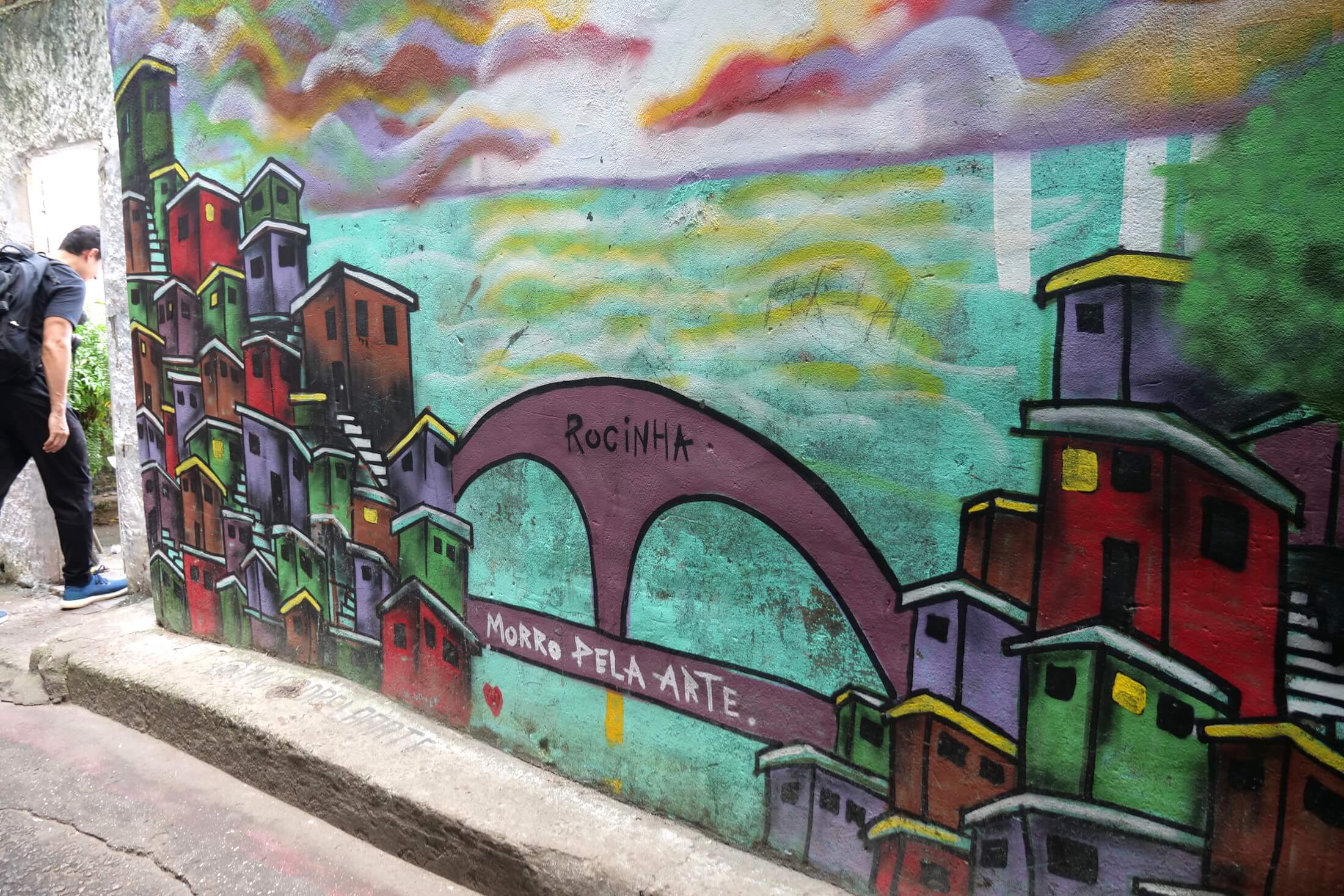
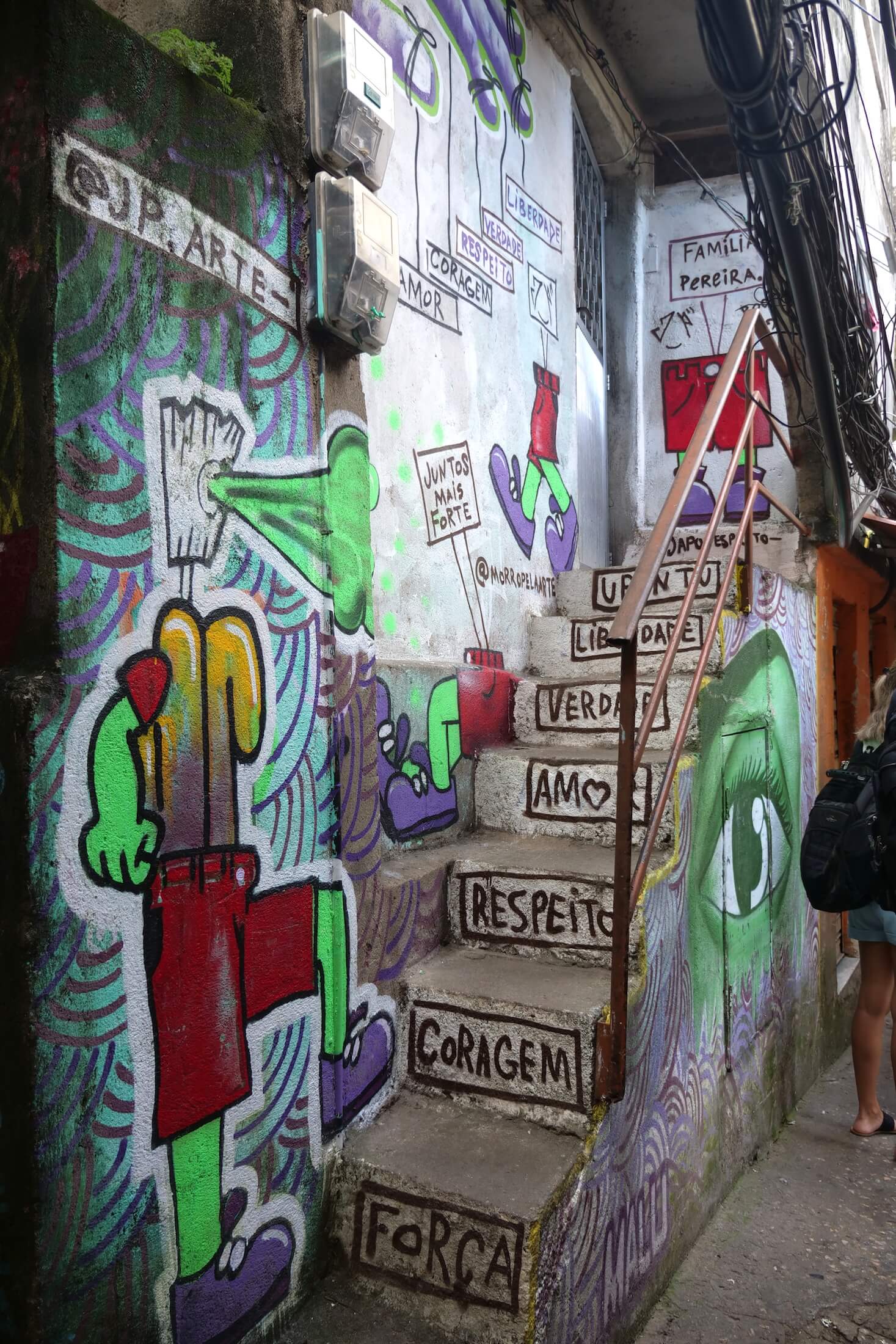
Beyond commerce and cuisine, Rocinha is distinguished by its vibrant visual culture. Public art and large-scale murals cover retaining walls, stairways, and residential facades throughout the neighborhood. This artistic output serves as a medium for local expression and identity, transforming dense architectural spaces into open-air galleries. Cultural analysts note that the proliferation of grassroots art within favelas underscores a broader national tradition of visual storytelling, wherein young artists utilize public spaces to document community history and contemporary social commentary.

Implications and Broader Impact
The socioeconomic integration of favelas like Rocinha remains a central focus of urban policy discussions in Brazil. As the country continues to urbanize, the formal recognition and infrastructural integration of informal settlements are viewed by economists and urban planners as essential steps toward reducing inequality. Initiatives that promote safe tourism, culinary exploration, and community-led narratives challenge external stigmas and provide external visitors with a more accurate understanding of urban life in Rio de Janeiro. Ultimately, engagement with communities like Rocinha highlights the resilience, organizational capacity, and cultural richness that define a significant portion of Brazil’s urban population.
Related posts: