The Essential Guide to Selecting, Preparing, and Mastering Butternut Squash in Modern Cuisine

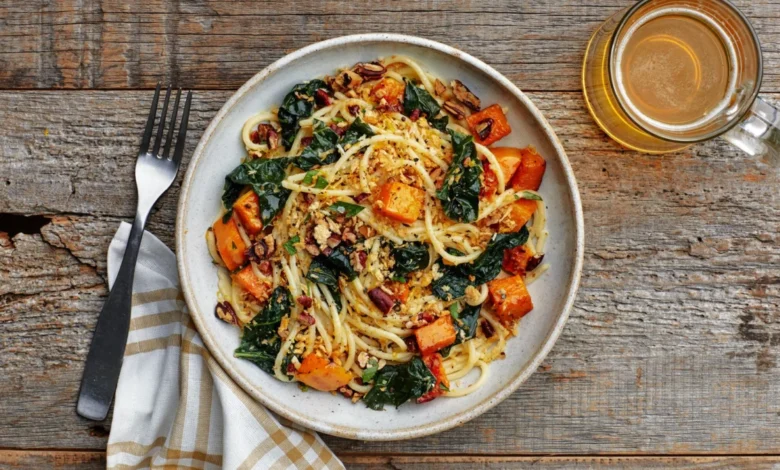
Butternut squash, scientifically classified as Cucurbita moschata, has solidified its status as a cornerstone of autumnal gastronomy, transcending its role as a seasonal decoration to become a primary ingredient in professional and home kitchens alike. While its botanical cousin, the pumpkin, often dominates the cultural zeitgeist through decorative trends and flavored beverages, the butternut squash remains the utilitarian workhorse of fall cooking. Its popularity is rooted in a unique combination of mild, nutty sweetness, structural integrity, and an impressive capacity to bridge the gap between savory entrées and sophisticated desserts.
Botanical and Economic Context
Native to the Americas, Cucurbita moschata has been cultivated for millennia, but the specific butternut variety gained significant commercial prominence in the mid-20th century. According to the United States Department of Agriculture (USDA), winter squash production—of which butternut is a leading variety—has seen steady demand, largely driven by the vegetable’s long shelf life and nutritional density. A single cup of cooked, mashed butternut squash contains approximately 82 calories and provides over 400% of the recommended daily intake of Vitamin A, making it a staple for health-conscious consumers and culinary professionals seeking nutrient-dense, shelf-stable produce.
From an economic perspective, the rise of pre-cut, vacuum-sealed butternut squash in supermarkets has significantly lowered the barrier to entry for home cooks. Market analysts note that as consumer demand for "convenience-prepared" fresh vegetables has surged by an estimated 15% annually over the last five years, retailers have prioritized the shelf space allocated to pre-peeled and cubed squash, acknowledging that the difficulty of processing the gourd’s tough exterior is the primary deterrent for casual consumers.
Chronology of Culinary Integration
The integration of butternut squash into the Western culinary canon followed a distinct trajectory. In the early 20th century, its use was largely localized to regional harvest festivals and rural homesteading. By the 1980s, the emergence of "New American" cuisine saw chefs like Alice Waters and Jeremiah Tower elevating rustic ingredients, positioning the squash as a centerpiece for fine-dining soups and risottos.
The 2000s marked a shift toward global fusion, where the squash’s flavor profile—which balances naturally with high-fat, acidic, and spicy components—allowed it to be incorporated into Thai curries, Middle Eastern salads, and Mediterranean phyllo pastries. Today, the ingredient is treated with the same versatility as the potato, appearing in everything from morning muffins to high-end tarte Tatins.
Technical Preparation and Best Practices
The preparation of butternut squash remains a subject of technical debate among professional chefs, particularly regarding the necessity of peeling. Culinary experts emphasize that the skin is technically edible; however, its texture can be leathery or papery depending on the maturity of the fruit. In high-volume commercial kitchens, the standard protocol is to peel the squash to ensure a uniform mouthfeel in soups and purees.
For optimal roasting, food scientists recommend a temperature of 450°F (232°C). This high-heat environment facilitates the Maillard reaction—a chemical reaction between amino acids and reducing sugars that gives browned food its distinctive flavor. When cubed into 1.5-inch pieces and tossed with high-smoke-point oils, the squash develops a caramelized exterior while maintaining a tender, custard-like interior. This process typically requires 35 to 45 minutes.
Conversely, for those looking to maximize efficiency, roasting the squash whole—piercing the skin with a fork to allow steam to escape—is a preferred method for creating smooth, fiber-free mashes. The skin can be easily discarded after the flesh has been scooped out, significantly reducing labor time.
Flavor Profiling and Culinary Pairing
The chemical composition of butternut squash, which contains a high concentration of natural sugars, makes it a resilient partner for a variety of flavor profiles. Chefs generally categorize these pairings into three primary domains:
- Warm Spices and Sweets: The gourd’s inherent sweetness is amplified by nutmeg, cinnamon, and maple syrup, allowing it to function effectively in baked goods and breakfast applications.
- Salty and Acidic Counterpoints: To prevent the dish from becoming one-dimensional, professional recipes almost universally pair the squash with salty elements. Parmesan, goat cheese, and feta provide the necessary salinity to balance the sugar content.
- Heat and Aromatics: The inclusion of chiles, coconut milk, and fresh sage creates a complex palate. The fat content in coconut milk helps transport the fat-soluble vitamins found in the squash, enhancing both flavor and nutritional absorption.
Selection and Storage Standards
The quality of a culinary application begins at the point of purchase. Industry standards for selecting a superior butternut squash prioritize physical weight relative to size. A dense, heavy squash indicates high moisture content and peak ripeness. The skin should be matte, rather than shiny, as a dull finish suggests the squash has been cured properly—a process that converts starches into sugars and ensures a longer storage life.
Storage remains one of the primary advantages of the butternut squash. In a cool, dark environment with consistent air circulation—ideally between 50°F and 55°F—a whole, undamaged butternut squash can remain shelf-stable for up to one month. Once cut, however, the oxidation process begins immediately. Cut portions must be tightly wrapped in plastic or placed in airtight containers and refrigerated, where they remain viable for approximately five days. Freezing is also a viable preservation method; blanching the cubes for two minutes before freezing can help maintain texture for up to six months.
Broader Implications of Global Consumption
The rise of butternut squash as a global commodity has implications for agricultural sustainability. Because the plant is relatively hardy and resistant to many common pests, it requires fewer chemical interventions compared to more delicate summer crops. This makes it an attractive crop for sustainable farming initiatives.
Furthermore, as the culinary industry continues to pivot toward plant-forward menus, the butternut squash serves as a critical bridge. It provides the "meaty" satisfaction required by those reducing their meat intake, without the environmental footprint associated with animal protein. Restaurants that feature seasonal, locally sourced winter squashes often report higher margins, as the ingredient is cost-effective and carries a high perceived value among diners.
Conclusion: The Future of the Gourd
As culinary trends shift toward more sustainable, localized, and nutrient-dense eating, the butternut squash is unlikely to lose its relevance. Its resilience in storage, its adaptability in both raw and cooked formats, and its compatibility with diverse global cuisines ensure its place in the modern pantry. Whether shaved into thin, crisp ribbons for a salad, roasted to a golden caramel for a soup, or baked into a savory pastry, the butternut squash remains a testament to the fact that the most effective ingredients are often those that require the least amount of technological intervention to produce a world-class result. The evolution of the squash from a backyard garden novelty to a versatile, professional-grade ingredient is complete, cementing its status as an indispensable component of contemporary food culture.
Related posts: