Elevating the London Experience: An In-Depth Look at the London Eye Afternoon Tea Service


The London Eye has stood as a definitive fixture of the capital’s skyline since its public opening on March 9, 2000. Originally conceived as a temporary structure to celebrate the turn of the millennium, the cantilevered observation wheel—located on the South Bank of the River Thames—has transitioned into a permanent, globally recognized landmark. Beyond its primary function as an observation deck offering panoramic views of the city, the attraction has diversified its service offerings to include premium, experiential hospitality packages, most notably the London Eye Afternoon Tea.

Historical Context and Development
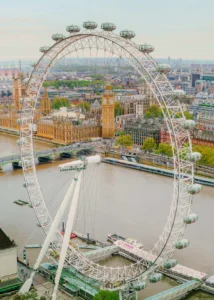
The London Eye, designed by architects Julia Barfield and David Marks, was the largest observation wheel in the world at the time of its construction. Standing at 135 meters (443 feet), it provides a vantage point that encompasses major historical sites, including the Palace of Westminster, Big Ben, and St. Paul’s Cathedral.

Over the past two decades, the operator—the Merlin Entertainments Group—has sought to maximize the utility of the attraction’s 32 high-tech glass capsules. While the standard rotation takes approximately 30 minutes, the introduction of specialized "VIP" capsules represents a strategic shift toward high-end tourism. By repurposing these capsules for curated culinary experiences, the operator has successfully integrated British cultural traditions with modern infrastructure, creating a unique revenue stream that caters to a growing demographic of luxury travelers.

Anatomy of the Afternoon Tea Experience
The Afternoon Tea service on the London Eye is categorized as a premium hospitality offering. Unlike traditional tea services found in luxury hotels, this experience is mobile and confined within the rotation of the wheel. The logistics of this service require precise coordination. Guests are provided with a dedicated check-in process, bypassing the standard visitor queues, and are granted access to a private lounge prior to boarding.

The service itself is designed for intimacy, with each pod limited to approximately eight guests. This capacity restriction is intentional, ensuring that the experience maintains a level of exclusivity while minimizing the potential for overcrowding in a confined space. The culinary components—typically consisting of finger sandwiches, scones with clotted cream and jam, and an assortment of pastries—are prepared to meet standard high-tea specifications.

Operational Logistics and Technical Constraints
From an operational perspective, the service must function within the strict parameters of the wheel’s rotation. Because the London Eye does not stop for passenger boarding or disembarking, the service is timed to fit within two full rotations, totaling one hour. This timeframe necessitates an efficient delivery of service by the onboard staff, who must manage both the presentation of the tea and the comfort of the passengers while the capsule remains in motion.

Industry analysts note that such "moving" hospitality services face significant logistical hurdles. The requirement to maintain food safety and quality standards while the capsule is suspended at varying altitudes and angles demonstrates a sophisticated level of operational management. The incorporation of optional champagne packages further adds to the complexity, requiring adherence to licensing and service protocols similar to those found in stationary high-end dining establishments.

Market Impact and Consumer Value Analysis
The pricing for the London Eye Afternoon Tea typically begins at approximately £75 per person, a figure that is consistently higher than standard observation tickets. However, when evaluating the value proposition, stakeholders emphasize the "bundled" nature of the product. The ticket includes the standard admission cost, the premium catering service, and the extended duration of the flight (two rotations instead of one).

From a macroeconomic standpoint, these offerings contribute to the "experience economy," where tourists increasingly prioritize unique activities over traditional sightseeing. The ability to leverage iconic infrastructure for high-value services allows operators to increase the average revenue per user (ARPU) without increasing the total volume of visitors, which is essential for managing foot traffic and preserving the structural longevity of the attraction.

Sustainability and Future Projections
As global tourism trends shift toward more sustainable and localized travel, the long-term viability of such attractions is often scrutinized. The London Eye, however, has managed to maintain relevance through continuous adaptation. The integration of digital booking platforms, such as the current promotional codes (e.g., TEAWEEK26), serves as a mechanism for yield management—allowing the operator to adjust pricing based on demand, seasonality, and occupancy rates.

Recent data from the tourism sector suggests that experiences that combine local heritage (Afternoon Tea) with modern landmarks are among the most resilient segments of the post-pandemic market. By transforming a static attraction into an active service platform, the London Eye ensures its continued role as a key contributor to London’s tourism infrastructure.

Regulatory and Safety Standards
Operating a catering service within a high-altitude observation capsule requires compliance with stringent safety regulations. Merlin Entertainments adheres to health and safety standards that govern both the structural integrity of the wheel and the hygiene protocols for food service. Because the pods are fully enclosed and climate-controlled, the experience remains unaffected by the notorious volatility of London’s weather, ensuring that guests receive a consistent service regardless of the external environment.

Conclusion
The London Eye Afternoon Tea is a hallmark example of how modern landmarks evolve to meet the demands of a changing tourism market. By blending the historical significance of the British tea tradition with the architectural achievement of the observation wheel, the operator has created a sustainable, high-value product. While the experience is positioned as a luxury amenity, its success rests on the seamless integration of logistics, culinary standards, and the unique, uninterrupted views of the city. As London continues to draw millions of visitors annually, such specialized services are likely to remain central to the city’s appeal, providing a blueprint for other global landmarks looking to diversify their offerings.

For prospective visitors, the emphasis remains on advanced planning. The limited capacity of the pods, coupled with the high demand for premium slots, underscores the necessity of pre-booking. As the sector matures, it is expected that similar "experience-based" packages will continue to expand, further cementing the status of the South Bank as a nexus of both historic charm and contemporary leisure.