The launch of Borgo Pignano Florence marks a notable evolution in the hospitality landscape of Tuscany’s capital, introducing a secluded luxury retreat just ten minutes from the historic core of Piazza della Repubblica. While Florence has long been celebrated as an essential urban destination for art, history, and architecture, travelers have traditionally been limited to dense city-center accommodations. The debut of this 15th-century residential-area property along the Via Bolognese—historically the ancient route connecting Florence to Bologna—addresses a long-standing gap in the market by offering expansive rural amenities within urban proximity.
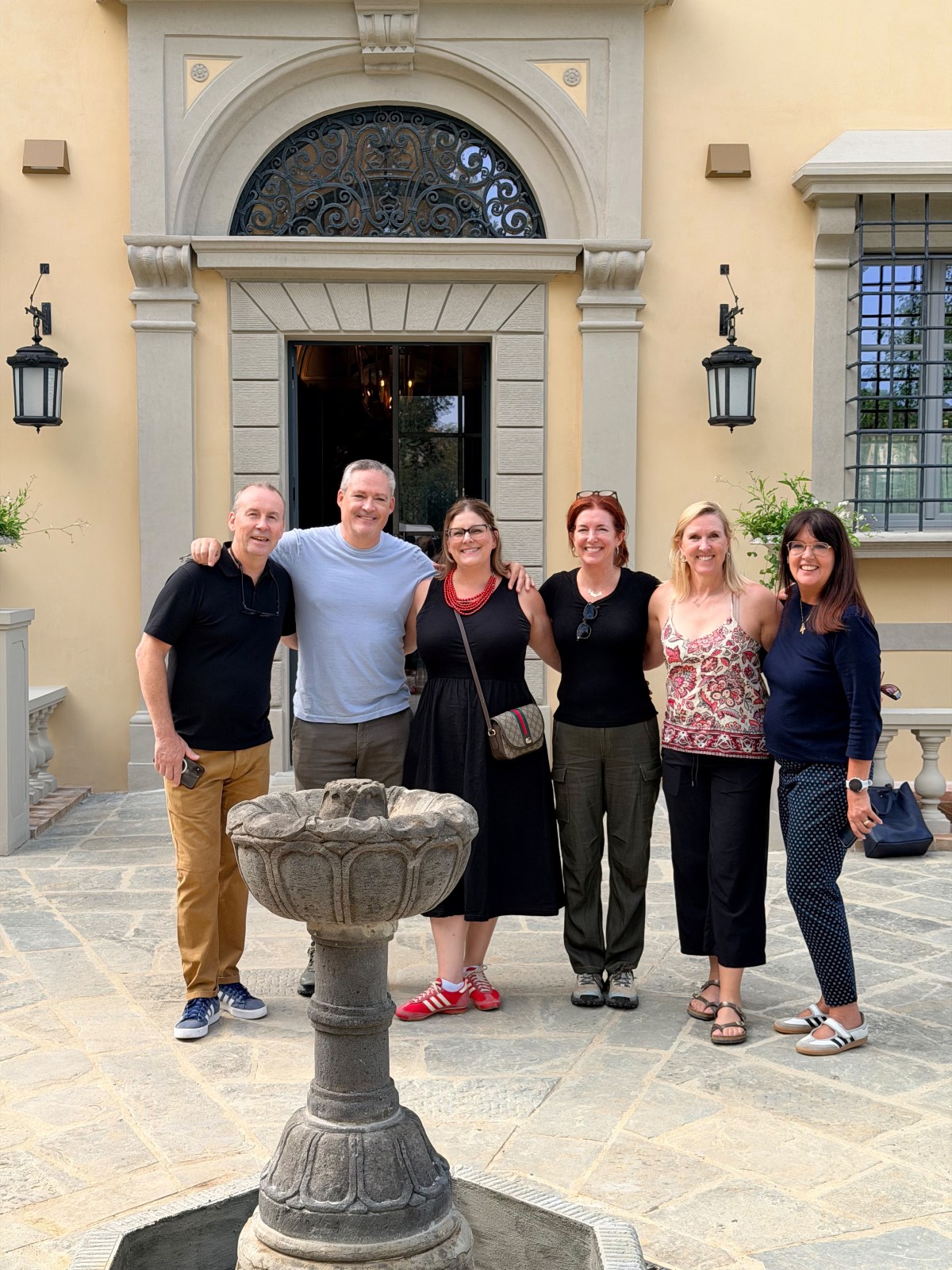
Recently, Ciao Bambino founder and CEO Amie O’Shaughnessy, accompanied by members of her travel advisory team, visited the property as part of its inaugural guest cohort. Their evaluation highlights a growing market demand for slow travel, open-air wellness, and lower-density accommodations in densely visited European cultural hubs.
Main Facts and Property Architecture
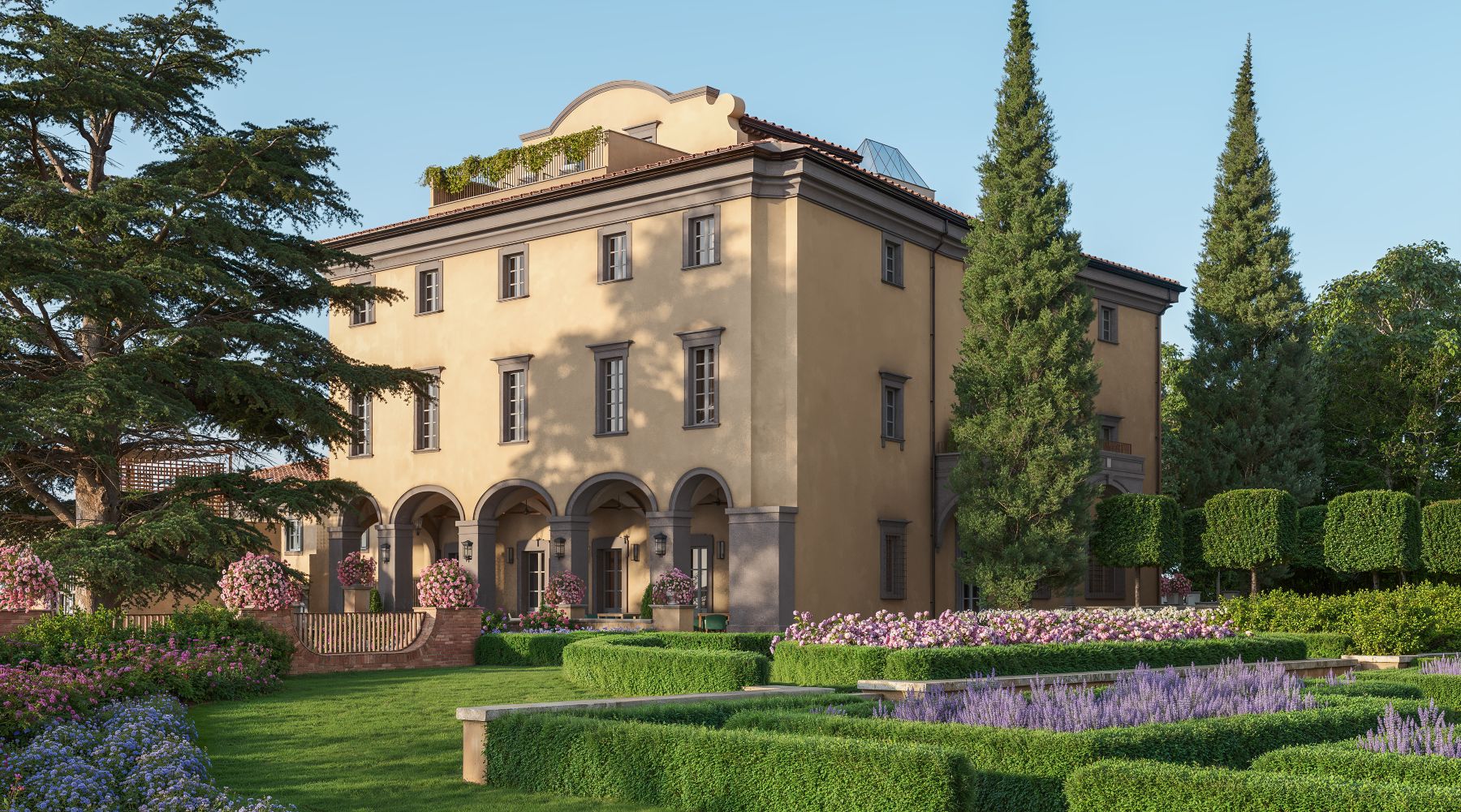
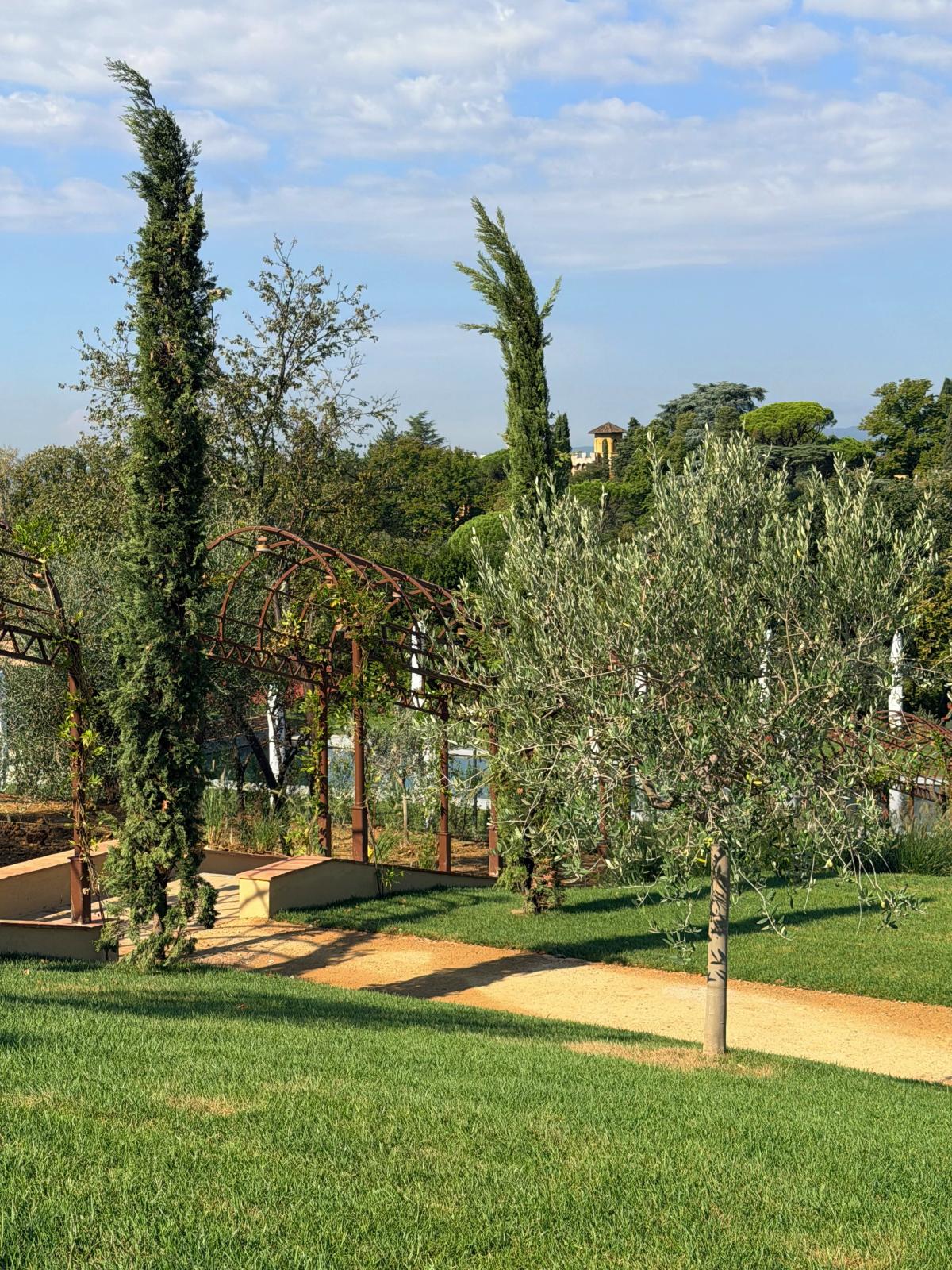
Situated on a sprawling five-hectare estate, Borgo Pignano Florence distinguishes itself through physical scale and environmental design—attributes rarely found within the Florentine urban boundary. The property features one of the largest private gardens in the city, subdivided into themed zones including a fragrance garden, a vegetable plot, a secret garden, and a dedicated garden of delights.
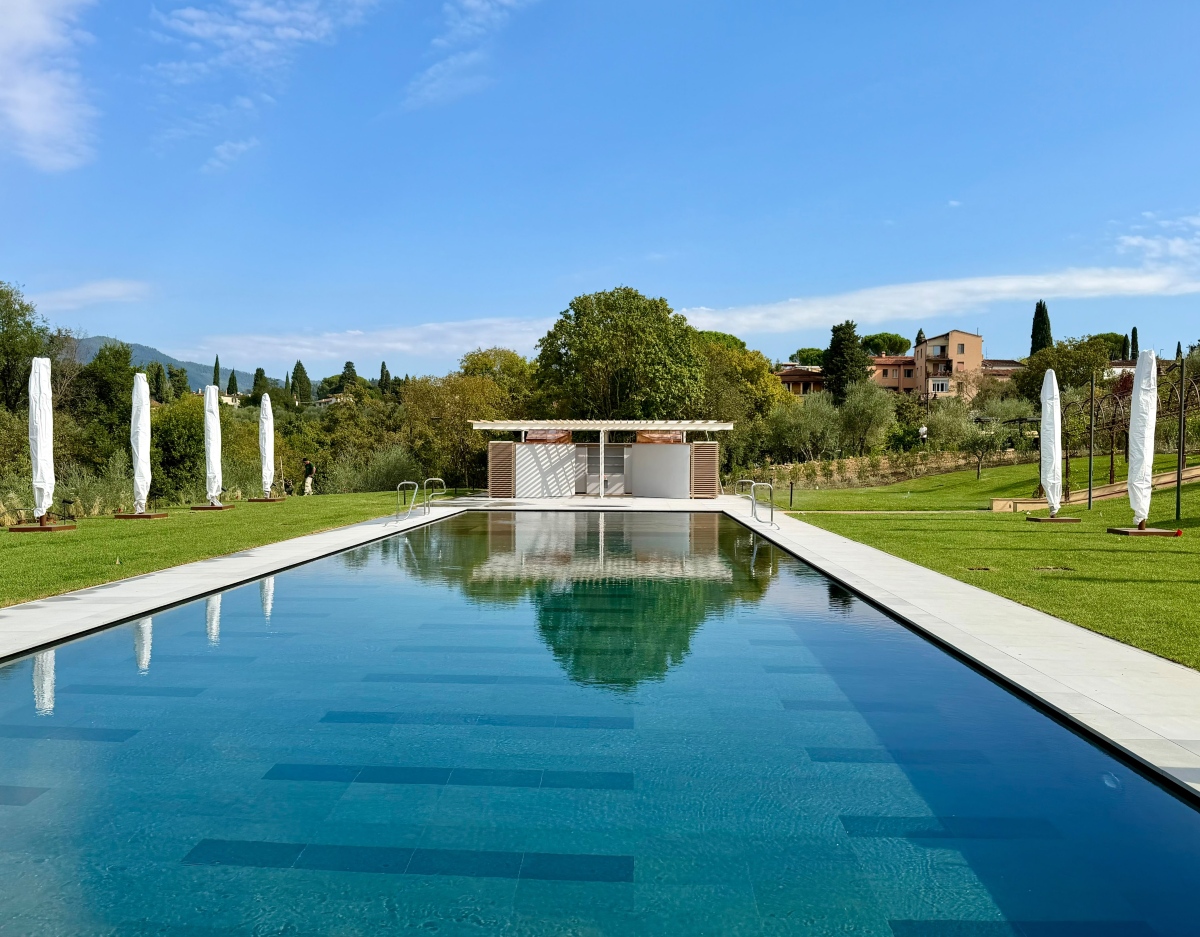
At the center of its recreational amenities is a 30-meter heated swimming pool, recognized as the largest hotel pool in Florence. Flanked by manicured lawns and a dedicated poolside café, the facility aims to provide guests with a countryside resort experience while remaining minutes away from major Renaissance landmarks such as the Duomo and the Uffizi Gallery.
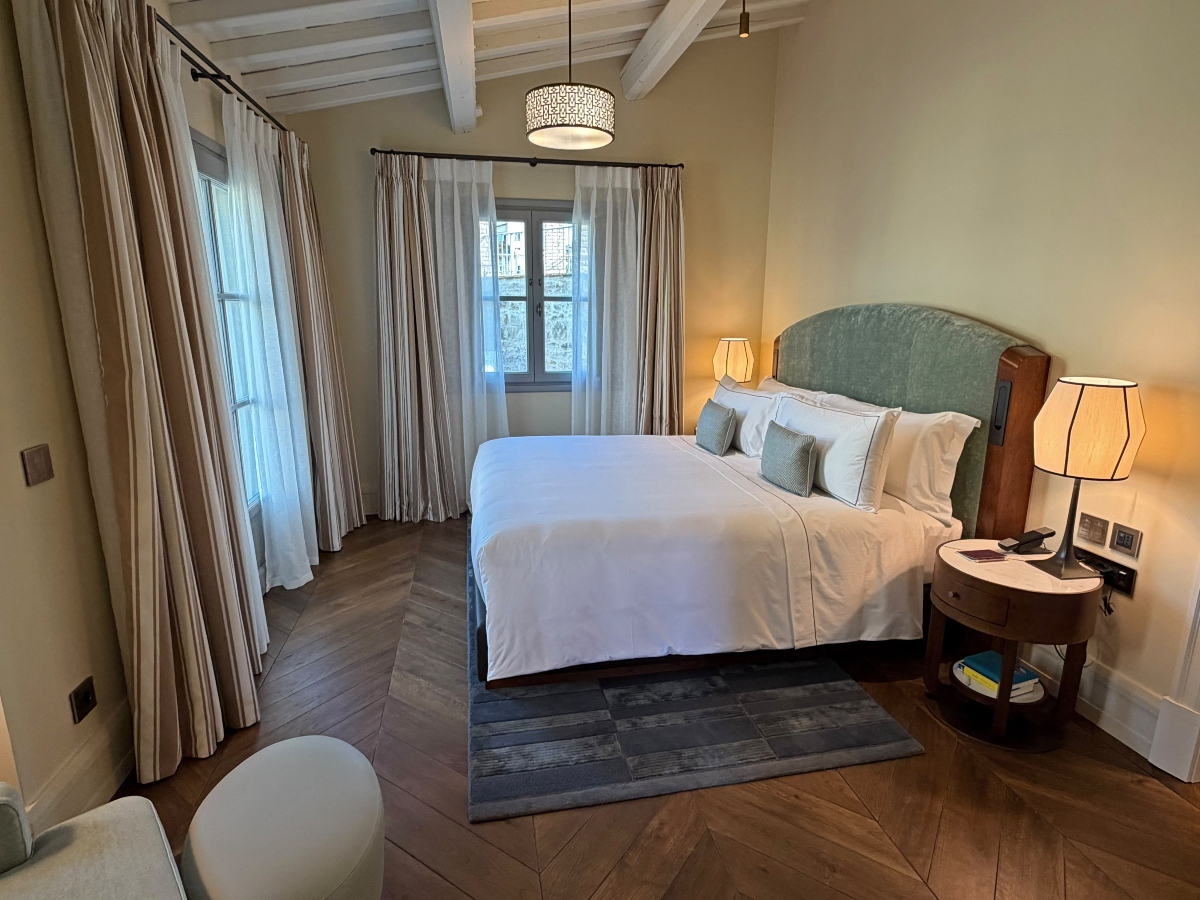
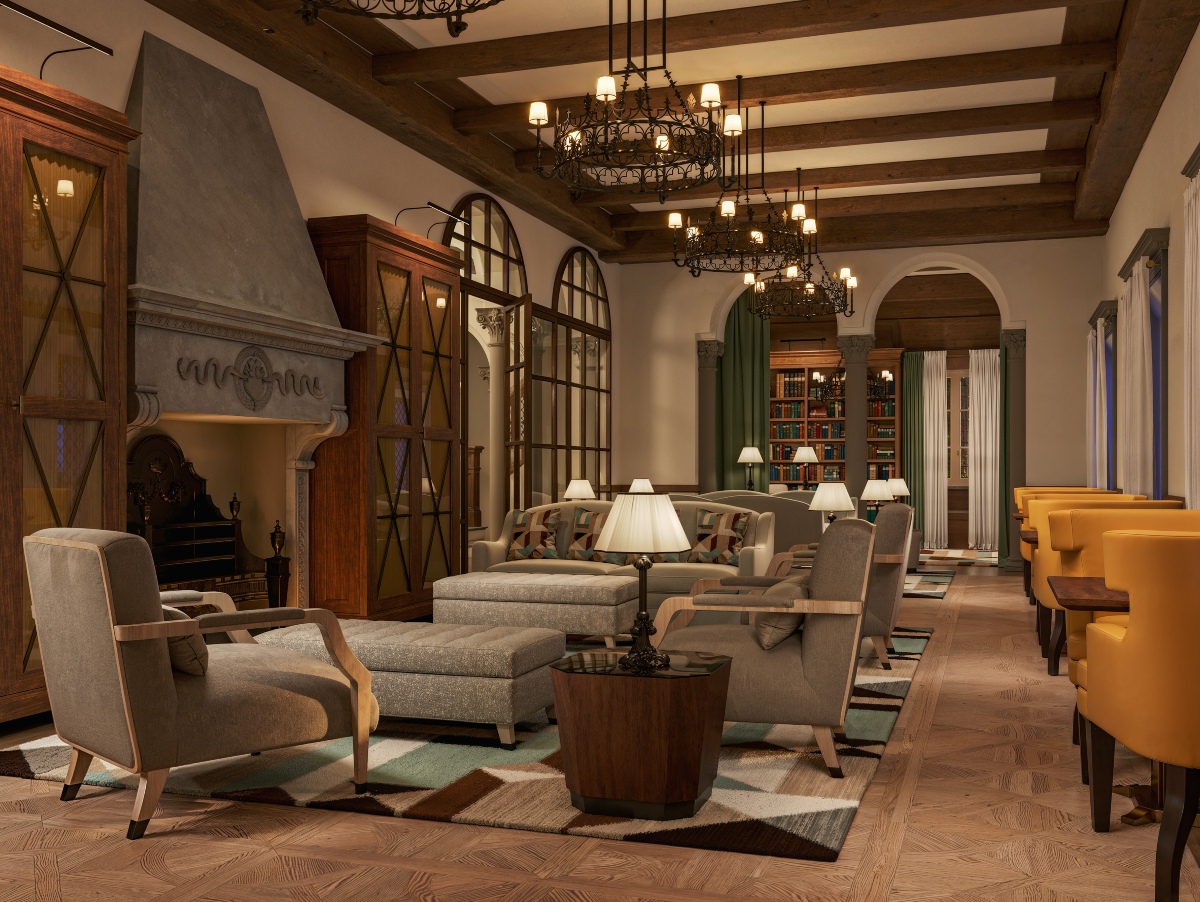
The main 15th-century villa has undergone a comprehensive, multi-year historic restoration designed to modernize infrastructure while preserving original architectural elements. The property comprises 32 individually styled guest rooms and suites, ensuring a boutique-scale atmosphere. Interior aesthetics balance historical preservation with contemporary luxury, incorporating exposed white-beamed ceilings, herringbone wood flooring, and bespoke textiles.
Furthermore, the estate includes Villa La Sosta, a standalone building available for exclusive buyouts. Accommodating up to 12 adults across five en-suite bedrooms, the villa features a private gourmet kitchen and dedicated indoor and outdoor living spaces, catering to multi-generational family groups and private gatherings.
Chronology and Brand Lineage
The opening of the Florence property represents a strategic expansion for the Borgo Pignano brand, whose original rural estate in Volterra has operated for years as a benchmark for Tuscan agritourism and sustainable luxury. The Volterra property gained international recognition for its rigorous farm-to-table culinary program, headed by Michelin Green Star-awarded Chef Stefano Cavallini, and its on-site herbal and organic laboratories.
The conceptual development of Borgo Pignano Florence bridges the gap between the brand’s remote countryside ethos and an urban context. Planning and restoration of the Via Bolognese estate focused on translating the ecological and agricultural philosophy of the Volterra location into an urban setting. Following its soft-opening phase, the property will operate year-round, closing temporarily only during the late winter period from January through March for ongoing maintenance.
Supporting Data and Gastronomic Integration
A defining characteristic of Borgo Pignano Florence is its integration with its sister estate in Volterra. Rather than relying entirely on localized commercial supply chains, the hotel imports a significant portion of its provisions directly from the rural property. This includes organic eggs, honey, seasonal fruits, estate-pressed extra virgin olive oil, cured meats, and four proprietary labels of wine.
This supply chain model extends to the wellness sector. The on-site spa utilizes botanical extracts, essential oils, and therapeutic formulations developed in Borgo Pignano’s Volterra herbal laboratory. Additionally, the spa features specialized botanical treatments utilizing Neuraé, a sensory skincare line based on recent neuroscientific research into botanical efficacy—making the property one of the exclusive providers of these treatments in Italy.
The culinary operations are anchored by the estate’s signature dining venue, named after the historic Cedar of Lebanon tree that anchors the property’s main courtyard. Menus emphasize hyper-seasonal, zero-kilometer sourcing, aligning with contemporary consumer trends favoring sustainability and traceable gastronomy.

Official Perspectives and Industry Implications
Industry analysts note that the launch of high-end suburban and estate-style properties near major tourist centers reflects a broader shift in luxury travel behavior. O’Shaughnessy and the Ciao Bambino advisory team emphasize that modern travelers—particularly families with older children, couples, and affinity groups—are increasingly seeking refuge from the overcrowding and thermal discomfort associated with peak European summer tourism.
"Borgo Pignano Florence offers an invitation to extend one’s stay by altering the rhythm of travel," O’Shaughnessy notes. By dividing the day between morning cultural excursions in the city center and afternoon seclusion by the pool or within the estate’s gardens, guests can mitigate the fatigue typically induced by intensive urban sightseeing.
Broader Impact on Florentine Tourism
The introduction of properties like Borgo Pignano Florence signals a changing infrastructure in Tuscany’s capital, which has historically relied on vertical, high-density boutique hotels located within the Restricted Traffic Zone (ZTL). By positioning itself in the residential hills just north of the center, the estate appeals to repeat visitors who have exhausted standard tourist itineraries and are looking for alternative ways to engage with the region.
The synergy between the Florence villa and the Volterra country estate also provides a blueprint for dual-destination itineraries within Tuscany. Travel advisors anticipate that packaging urban and rural stays under a unified brand will encourage longer cumulative lengths of stay in the region, distributing tourism spending more evenly across both urban and rural municipal economies.
Ultimately, Borgo Pignano Florence demonstrates how historic preservation can meet modern expectations for sustainability, space, and wellness. As European cities grapple with the challenges of overtourism, low-density urban retreats positioned on the periphery may well define the future of high-end cultural travel.