High Altitude and Higher Spirits: New Survey Reveals Nearly Half of U.S. Hikers Have Hit the Trail Under the Influence

The intersection of outdoor recreation and mind-altering substances has long been an unspoken reality of backcountry culture. While the natural euphoria of a grueling ascent, often referred to by athletes as a flow state or runner’s high, floods the brain with endorphins and oxytocin, a significant portion of outdoor enthusiasts routinely supplement this biochemical rush with external catalysts. From casual weekend walkers sparking up at a scenic overlook to backpackers experimenting with psychedelics, the presence of drugs and alcohol on public trails is an open secret within the hiking community. However, hard data regarding the true prevalence of these behaviors has historically been scarce, leaving park rangers, search-and-rescue teams, and outdoor brands to rely on anecdotal evidence and sensationalized headlines about wayward hikers requiring evacuation after a bad mushroom trip.
To bridge this data gap and foster an honest, evidence-based dialogue, the Tanzanian guide company Climbing Kilimanjaro conducted a comprehensive national study titled the Hiking While High survey. Released in October 2026, the research provides a revealing snapshot of how U.S. adults incorporate cannabis, alcohol, and psychedelics into their outdoor pursuits. The findings challenge long-held stereotypes about trail-side substance use, painting a complex portrait of an outdoor community that is simultaneously more adventurous and more cautious than previously assumed.
Methodology and Chronology of the Survey
The initiative to quantify substance use in the wilderness was spearheaded by the team at Climbing Kilimanjaro, driven by mounting questions regarding the safety, frequency, and motivations behind hikers getting high on the trail. To gather reliable data, researchers designed a structured poll targeting self-identified U.S. adults who count hiking as a core interest or regular hobby.
The polling process was executed swiftly over a three-day window from September 1 to September 3, 2026. During this period, the survey successfully captured responses from 1,008 individuals across the United States. The demographic breakdown of the respondent pool demonstrated a balanced representation, comprising 52 percent women and 46 percent men. Furthermore, the survey categorized participants by their frequency of outdoor activity to evaluate whether experience level correlated with substance use. Respondents were self-segmented into casual hikers—those who hit the trail a few times a year—regular hikers who trek on a monthly basis, and avid enthusiasts who lace up their boots weekly or more often.
Rather than framing the questionnaire around moral judgments or opinions, the research team deliberately structured the inquiries to focus strictly on behavioral habits, situational contexts, and safety practices. By removing subjective attitude questions, Climbing Kilimanjaro aimed to gather unvarnished statistical insights into a topic that is frequently shrouded in stigma or sensationalism.
Substance Breakdown: Cannabis Dominates the Trail
When the survey results were tabulated, the headline figure immediately captured the attention of outdoor industry analysts: 44 percent of all surveyed U.S. hikers admitted to having hiked under the influence of some substance. While the remaining 56 percent reported that they have never partaken while navigating the backcountry, the narrow margin between users and abstainers underscores how mainstream these habits have become.
Among those who do utilize substances on the trail, cannabis emerged as the undisputed frontrunner. A striking 35 percent of all respondents acknowledged using marijuana while hiking. When isolated to just the population of hikers who use any substance at all, cannabis accounts for an overwhelming 80 percent of consumption, cementing its status as the quintessential backcountry enhancer.
Alcohol ranked as the second most prevalent substance, with 23 percent of surveyed hikers admitting to consuming beer, wine, or liquor during their excursions. Meanwhile, magic mushrooms and other psychedelics occupied the third spot. Fifteen percent of respondents reported using psilocybin in nature, while an additional 24 percent expressed curiosity about trying psychedelics in an outdoor setting, despite having no prior experience doing so.
Paradoxes in Social Perception and Judgment
One of the most unexpected findings to emerge from the data involved the social friction surrounding trail habits. Societal assumptions often dictate that individuals who abstain from substances in recreational settings maintain the moral high ground, while those who consume drugs or alcohol face social reprobation. However, the Climbing Kilimanjaro survey revealed an inverted dynamic that caught researchers off guard.
When asked about social judgment, 7 percent of hikers who admit to enhancing their treks reported feeling judged by others for their behavior. Surprisingly, an even higher proportion—9 percent of strictly sober hikers—stated that they had felt judged or ostracized for their choice to abstain.
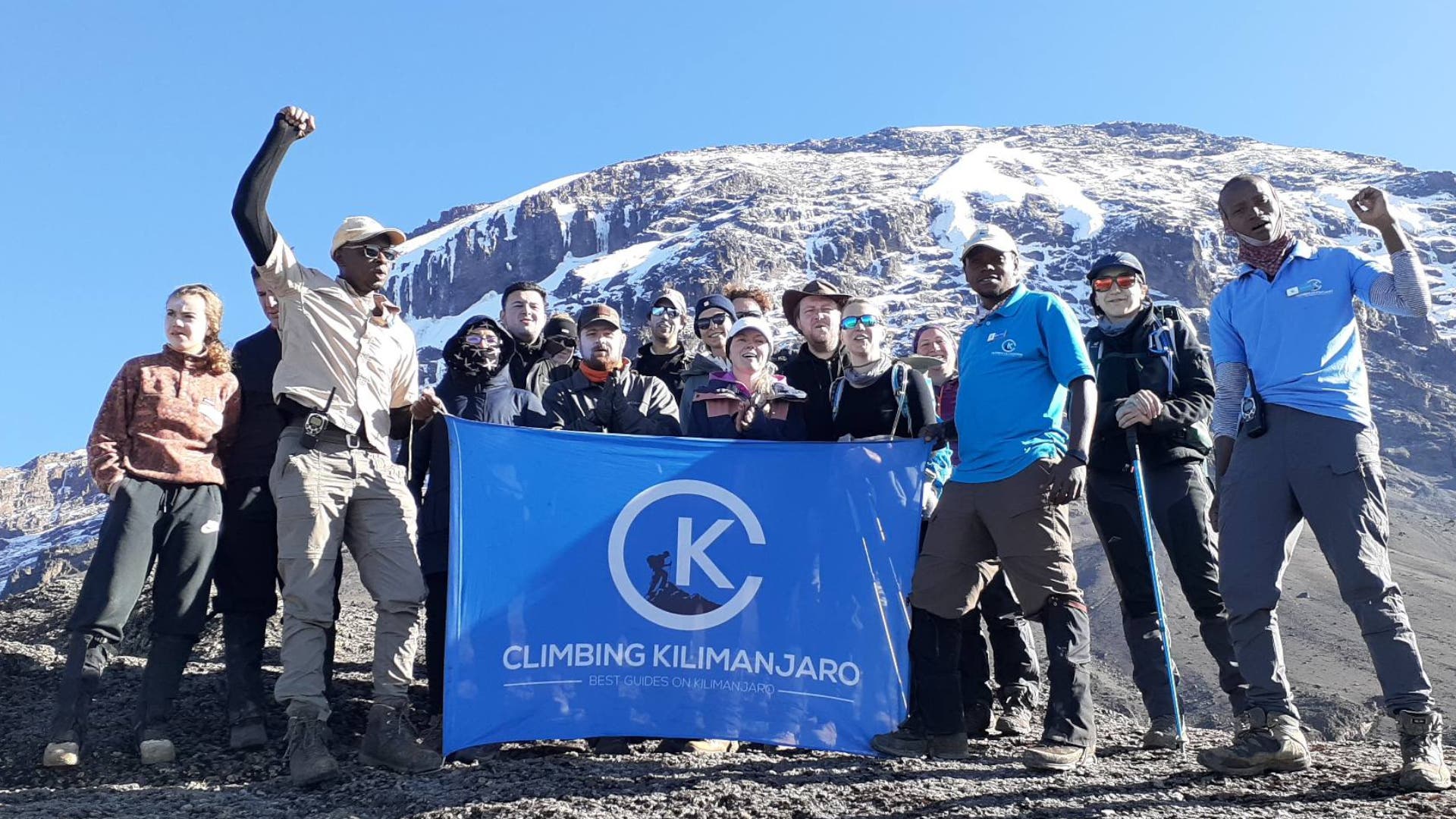
Brian Raffio, a consultant for Climbing Kilimanjaro, noted that this particular metric proved to be a significant head-scratcher. In modern recreational circles, politely declining a shared joint or beverage can occasionally elicit raised eyebrows or peer pressure, illustrating that cultural shifts toward normalization can sometimes alienate those who prefer a completely clear-headed experience.
Caution, Self-Policing, and Risk Mitigation
Perhaps the most reassuring revelation from the survey data counteracts the common narrative that trail-side substance use inevitably leads to perilous rescues or reckless endangerment. The responses indicated that the vast majority of hikers who partake are remarkably disciplined regarding when, where, and how they consume.
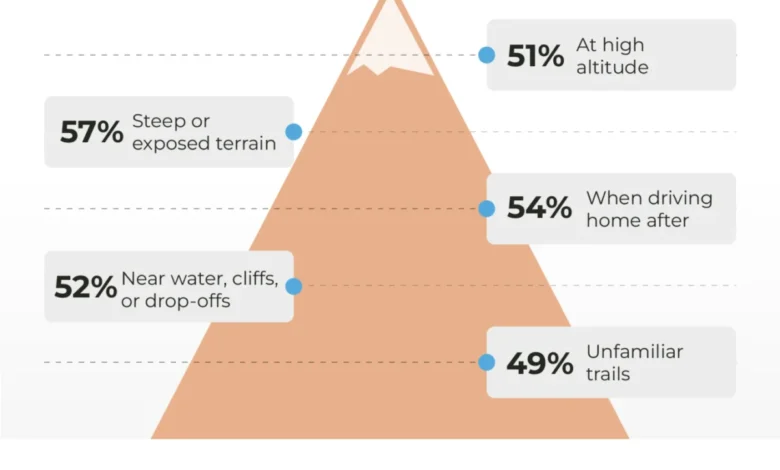
According to the findings, more than half of the users surveyed (51 percent) deliberately modify their itineraries when under the influence, actively seeking out shorter, less technical, and easier hiking routes. Furthermore, these respondents emphasized that they would strictly avoid altering their state of consciousness during high-altitude ascents or complex mountaineering expeditions. In total, nine out of ten hikers who reported using substances stated that there are specific environments and terrains where they would draw a hard line and refuse to consume.
Raffio highlighted this self-policing phenomenon as evidence of a mature, safety-conscious outdoor culture. The data suggests that experienced hikers understand the physiological demands of the wilderness. While a mild buzz may accompany a leisurely stroll through a local park or a low-risk woodland trail, the critical push toward a summit demands absolute sobriety, sharp sensory awareness, and a complete understanding of personal and environmental limits.
The Therapeutic and Recovery Dimension
Beyond recreation and sensory enhancement, the survey illuminated another prominent motivation driving hikers into nature: physical and mental recovery. Approximately half of all respondents indicated that they frequently utilize hiking as a therapeutic tool to reset their systems after a night of heavy drinking or social activity.
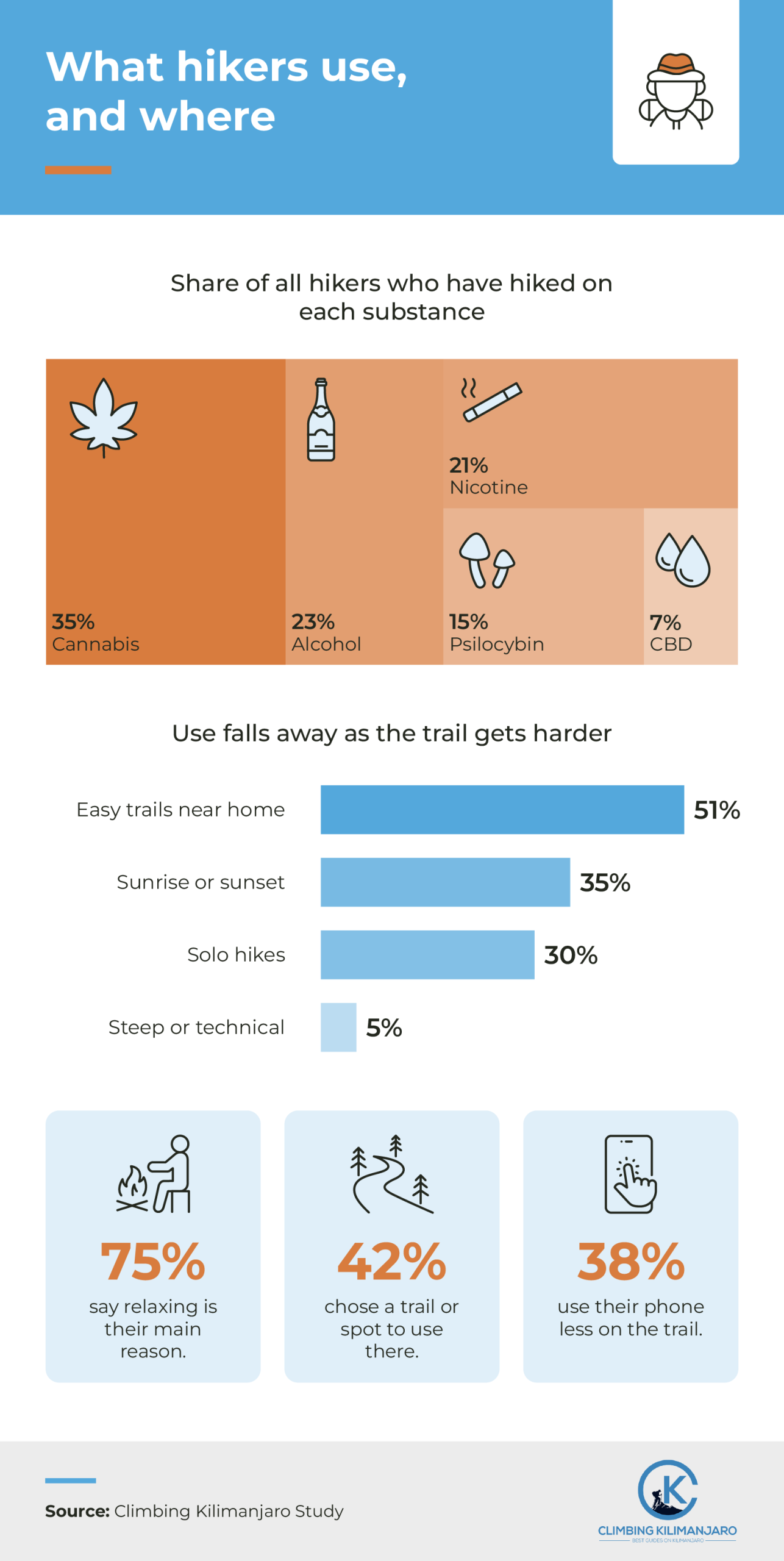
This dual role of the trail—serving simultaneously as a site of recreational consumption and a sanctuary for post-indulgence recovery—highlights the complex relationship modern populations maintain with outdoor spaces. For many, the natural world functions as an open-air wellness clinic, a place to sweat out toxins, clear mental clutter, and recalibrate after urban stressors.
Broader Industry Implications and the Path Forward
Placing these survey results into a broader national context requires examining the sheer scale of outdoor recreation in the United States. According to data from the Outdoor Industry Association (OIA), an estimated 63 million Americans actively participate in hiking. While Climbing Kilimanjaro’s sample size of 1,008 adults provides valuable statistical granularity, it represents only a microscopic fraction of the massive national hiking populace, meaning the findings should be viewed as an indicator of cultural trends rather than absolute macroeconomic law.
Nevertheless, the implications for park management, outdoor brands, and safety organizations are noteworthy. The data demonstrates that substance use in the wilderness is neither a fringe phenomenon nor an isolated nuisance; rather, it is a widespread practice quietly integrated into nearly half of the hiking community. By approaching the topic with empirical curiosity rather than punitive judgment, the survey opens the door for more transparent safety communications.
Ultimately, the findings suggest that the outdoor community possesses a strong internal compass. While the debate over drugs and alcohol in public parks and backcountry trails will undoubtedly persist among conservationists and lawmakers, the hikers themselves appear largely capable of balancing personal autonomy with situational awareness. As long as participants respect their physical limitations and prioritize trail safety, the coexistence of nature and altered states remains an entrenched, if previously unquantified, fixture of modern outdoor culture.