Historic Broad Peak Ascent by Shimshal Team Unveils New Route While Hungarian Climber David Klein Safely Turns Back

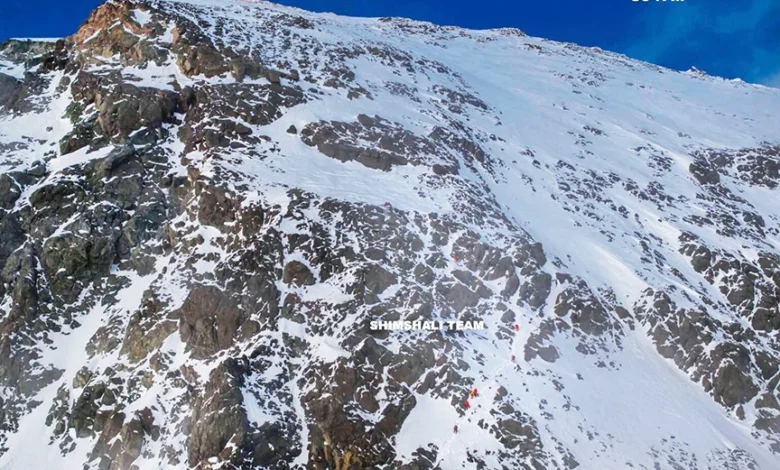
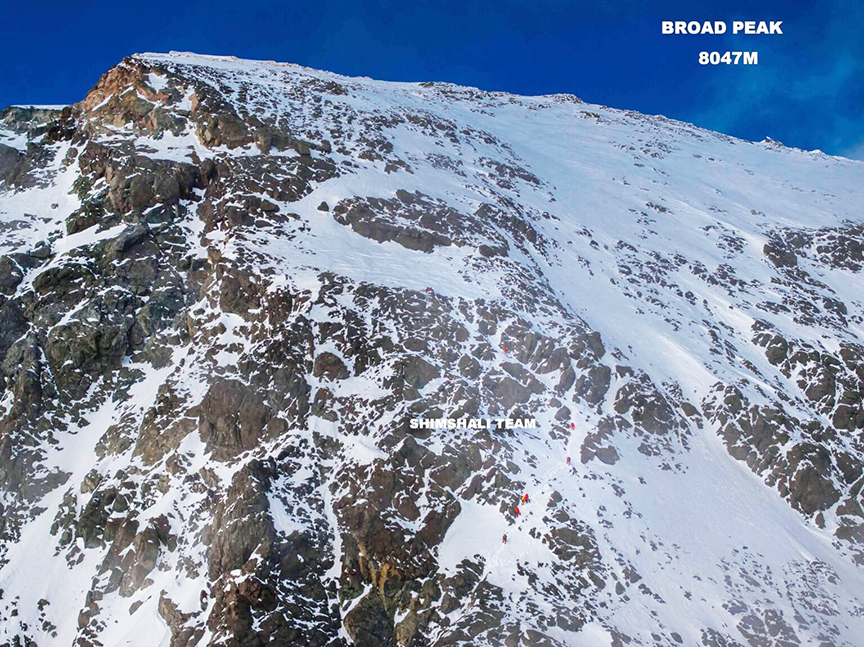
A significant achievement in high-altitude mountaineering was recorded on July 19 as a dedicated rope-fixing team from Karakorum Expeditions, composed primarily of elite local climbers from Pakistan’s Shimshal Valley, successfully summited Broad Peak (8,051m). The team established a pioneering new variation route, reaching the apex at 10:00 PM Pakistan time after an arduous 20-hour ascent from Camp 3. This remarkable feat was followed by the prudent decision of Hungarian climber David Klein to turn back just below the summit, highlighting the critical importance of safety and sound judgment in the unforgiving "death zone."
A Groundbreaking Ascent: A New Corridor on Broad Peak
Broad Peak, the 12th highest mountain in the world, standing majestically at 8,051 meters (26,414 feet) in the Karakoram mountain range on the border of Pakistan and China, is renowned for its formidable challenges. While often considered one of the more accessible 8,000-meter peaks, it still demands extreme physical endurance, technical skill, and mental resilience from those who attempt its summit. The mountain’s name, derived from its vast summit plateau, belies the intricate and dangerous routes leading to its multiple peaks. Standard routes typically involve navigating treacherous glaciers, exposed ridges, and steep ice slopes, making any deviation a significant undertaking.
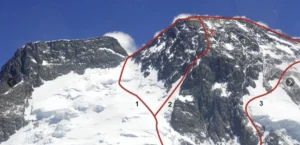
The successful ascent by the Karakorum Expeditions team marks a notable moment in the mountain’s climbing history, as they forged a new variation route. This "new corridor," as described by one of the summiters, Ahmad Baig, represents not merely a path to the top but an exploration of previously unclimbed or rarely attempted sections of the mountain. Such an achievement requires exceptional route-finding capabilities, advanced technical climbing skills, and an intimate understanding of the mountain’s terrain, often acquired through years of experience in the high Karakoram. The establishment of a new route adds a fresh dimension to Broad Peak’s climbing narrative, potentially offering future expeditions alternative approaches and further cementing its status as a peak of diverse and challenging ascents.
The Elite Shimshal Team and International Collaboration
The core of the successful expedition was a team of seven highly skilled local climbers hailing from the remote Shimshal Valley, a region celebrated for nurturing some of Pakistan’s most accomplished high-altitude mountaineers. These individuals, often referred to as the "mountain people" of Pakistan, possess an unparalleled natural acclimatization, an intrinsic understanding of the Karakoram’s unique environment, and generations of experience navigating its treacherous landscapes. Their expertise is invaluable, not only in leading expeditions but also in performing critical tasks such as rope-fixing, which ensures safer passage for subsequent climbers.
The team was expertly led by Ali Mirza, the owner of Karakorum Expeditions, a company deeply rooted in local mountaineering talent and dedicated to showcasing the capabilities of Pakistani climbers. Mirza’s leadership embodies a growing trend in the region where local operators are taking increasingly prominent roles in managing and leading high-altitude expeditions, shifting from merely providing support to orchestrating entire climbs. This empowerment of local expertise is crucial for the sustainable development of mountaineering tourism in Pakistan and for providing deserved recognition to the unsung heroes of the Himalayas and Karakoram.
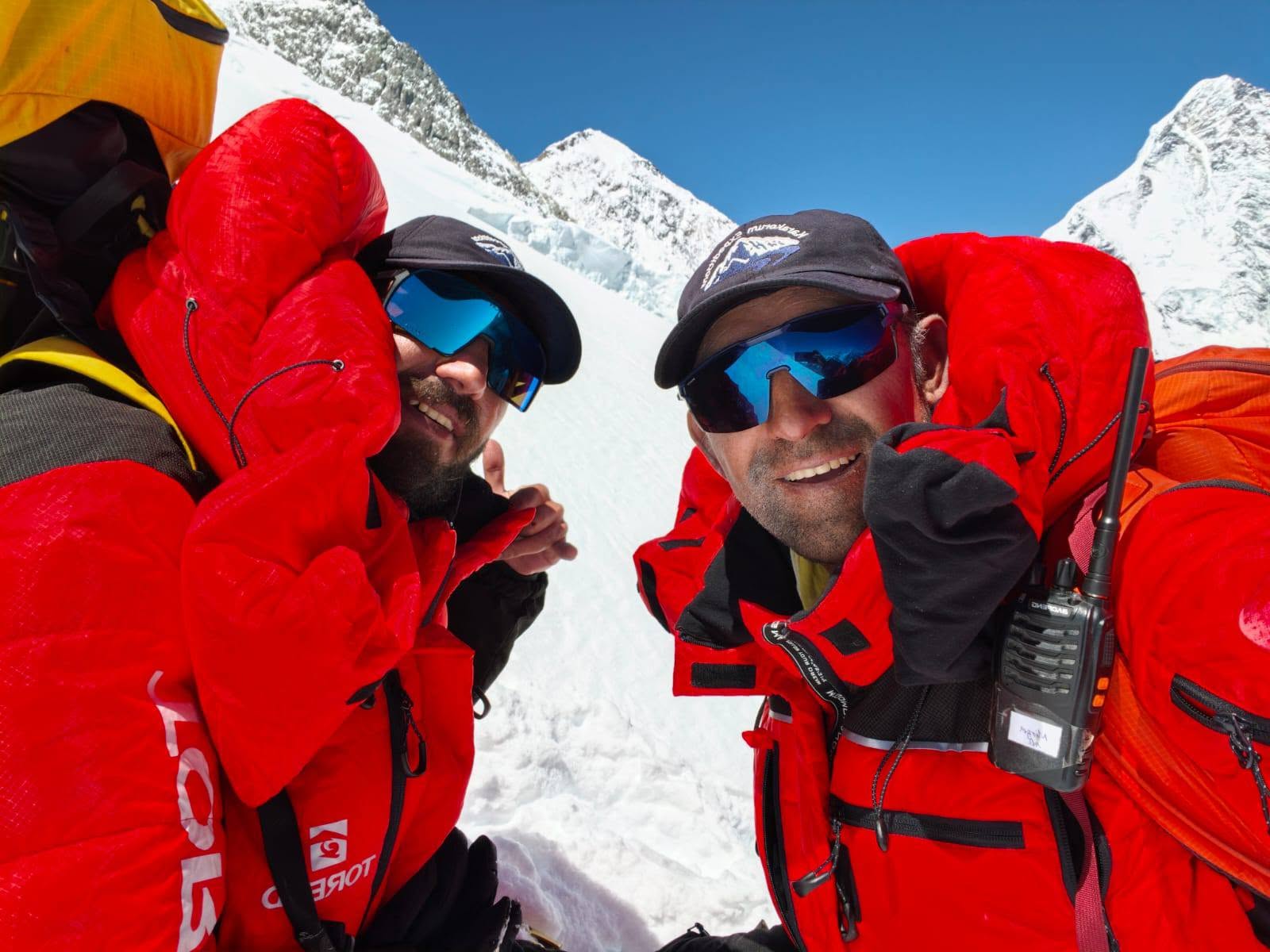
Accompanying the Shimshal contingent was Juan Pablo Toro from Argentina, an international climber who chose to undertake this challenging ascent alongside the highly experienced local team. This collaboration highlights a growing appreciation among international mountaineers for the profound knowledge and skill offered by local guides, recognizing them as invaluable partners in achieving ambitious summit goals. The synergy between local expertise and international ambition often yields the most successful and pioneering expeditions.
The summiting team consisted of Ahmad Baig, Rizwan Dad, Waqar Ali, Mansoor Karim, Juan Pablo Toro, and Nawaz Ali Khan. Notably, Zaman Karim and expedition leader Ali Mirza, after contributing significantly to the rope-fixing efforts and route establishment, made the strategic decision to stop at the Rocky Summit, a slightly lower but still formidable point on Broad Peak’s expansive summit plateau. This decision, though short of the true main summit, underscores their commitment to the safety and success of the primary rope-fixing objective, prioritizing the team’s overall welfare and the secure establishment of the new route.
Chronology of a 20-Hour Summit Push
The summit push commenced in the early hours of July 19, with the team departing from Camp 3 at 2:00 AM Pakistan time. Camp 3, typically situated around 7,000 to 7,400 meters on Broad Peak, serves as a crucial staging point for the final ascent, allowing climbers to rest and prepare before venturing into the extreme altitude of the "death zone," where the human body begins to rapidly deteriorate due to insufficient oxygen. The 20-hour climb from Camp 3 to the summit is a testament to the climbers’ extraordinary endurance and mental fortitude.
Such a prolonged push at extreme altitudes is immensely demanding, requiring continuous effort through thin air, often in freezing temperatures and challenging terrain. Climbers battle severe fatigue, the debilitating effects of hypoxia, and the constant threat of frostbite and other high-altitude ailments. Navigating complex sections of the mountain, fixing ropes, and maintaining a steady pace for nearly a full day without significant rest pushes the limits of human capability. The team’s arrival at the summit at 10:00 PM Pakistan time meant a late-night summit, necessitating an immediate and equally perilous descent in darkness. Descending after a summit is often considered more dangerous than ascending due to exhaustion, reduced visibility, and the increased risk of slips or falls. The successful completion of both ascent and descent underscores the team’s exceptional professionalism and skill.
Ahmad Baig’s statement, "The route is complex but beautiful. We’ve opened a new corridor," encapsulates the blend of challenge and reward inherent in pioneering new paths on an 8,000-meter peak. It speaks to the technical difficulties encountered and overcome, as well as the aesthetic satisfaction of forging a unique line through the mountain’s majestic, yet unforgiving, landscape. This new corridor will undoubtedly be scrutinized and potentially utilized by future expeditions, adding to Broad Peak’s rich mountaineering tapestry.
The Prudent Turnaround: David Klein’s Decision for Safety
In contrast to the successful summit, Hungarian climber David Klein made the courageous and often critical decision to turn around just shy of the summit. After attempting to follow in the wake of the rope-fixing team, Klein initiated his descent at 9:15 PM Pakistan time. While the allure of the summit is incredibly powerful, especially after weeks of arduous effort, the ability to recognize one’s limits and prioritize safety is a hallmark of experienced high-altitude mountaineers.
Klein’s home team relayed that he had been working exceptionally hard under difficult conditions in the days leading up to his summit attempt. This background information suggests that his decision was likely influenced by a combination of factors such as accumulating fatigue, the late hour of his push, potentially deteriorating weather, or a personal assessment of his physical state. In the "death zone," where every minute counts and every decision carries potentially fatal consequences, a turnaround is not a failure but a triumph of judgment and self-preservation. It prevents "summit fever," a dangerous psychological state where the desire to reach the top overrides rational decision-making, leading to potentially catastrophic outcomes.
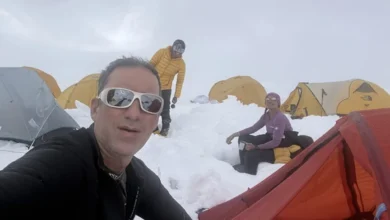
Klein’s climbing partner, Ian Overton, remained at Base Camp, demonstrating the strategic division of roles within an expedition team. Overton, along with his wife, Shaya Christensen, maintained radio contact with Klein during his ascent and subsequent turnaround. This robust communication network is vital for expedition safety, allowing for real-time monitoring of climbers’ progress, providing emotional support, and facilitating rapid response in emergencies. The mountaineering community eagerly awaited further news from Klein once he safely made his way back to lower camps, highlighting the collective concern and camaraderie that define this extreme sport.
Broader Implications and the Future of High-Altitude Mountaineering
The events on Broad Peak carry several significant implications for the wider mountaineering world. Firstly, the successful establishment of a new route by a predominantly local team from the Shimshal Valley underscores the evolving landscape of high-altitude climbing. For decades, local climbers were primarily seen as support staff for international expeditions. However, their increasing prominence as leaders, route-setters, and independent expedition members is a testament to their unparalleled skill, knowledge, and ambition. This shift not only empowers local communities by providing economic opportunities but also enriches the sport with diverse perspectives and deeper connections to the mountains. The Shimshalis, in particular, are renowned for their incredible strength, acclimatization, and intuitive understanding of the Karakoram, making their contributions invaluable and their achievements truly pioneering.
Secondly, the contrast between a successful summit and a safe turnaround serves as a powerful lesson in expedition strategy and risk management. While the glory often goes to those who reach the top, the wisdom of turning back, as demonstrated by David Klein, is equally, if not more, important. It reinforces the ethos that a safe return is the ultimate success in mountaineering. This duality highlights the constant negotiation between ambition and caution that defines climbing at the highest altitudes, where the margins for error are razor-thin.
Furthermore, the detailed communication and support infrastructure involving Ian Overton and Shaya Christensen at Base Camp exemplify the critical role of modern technology and teamwork in ensuring climber safety. Reliable radio contact, satellite communication, and a well-coordinated base camp team are indispensable elements of contemporary high-altitude expeditions, enabling timely decision-making and emergency response.
The 2026 climbing season in the Karakoram, particularly on Broad Peak, continues to attract numerous international expeditions. The conditions, which can fluctuate wildly from year to year, present unique challenges and opportunities. The opening of a new variation route by Karakorum Expeditions not only adds a new chapter to Broad Peak’s climbing history but also potentially opens up new strategic options for future climbers, influencing expedition planning and inspiring new generations of mountaineers to seek out uncharted paths. As the season progresses, the experiences of teams like Karakorum Expeditions and climbers like David Klein will undoubtedly contribute to the collective knowledge base, refining best practices and further solidifying the intricate balance between ambition, skill, and safety in the world’s highest mountains.
Related posts: