Chase Sapphire Preferred 100000 Point Sign Up Bonus Set to Expire as Travel Rewards Market Reaches Peak Competition


JPMorgan Chase has announced that its record-tying 100,000-point introductory offer for the Chase Sapphire Preferred® Card is scheduled to end on Thursday, July 30, at 9:00 a.m. ET. This deadline marks the conclusion of one of the most aggressive customer acquisition campaigns in the history of the mid-tier travel credit card market. The offer, which requires a minimum spending threshold of $5,000 within the first three months of account opening, represents a significant departure from the card’s standard 60,000-point bonus. As the financial services sector navigates a complex landscape of high interest rates and fluctuating consumer travel demand, this move by Chase underscores the intensifying battle for "top-of-wallet" status among affluent and travel-oriented consumers.
The Mechanics of the Record-Breaking Offer
The current promotion is only the third time in the card’s 15-year history that the sign-up bonus has reached the six-figure mark. Historically, the Chase Sapphire Preferred has maintained a standard offer of 60,000 Ultimate Rewards points. Periodic "elevated" offers have previously peaked at 75,000 or 80,000 points. The decision to return to the 100,000-point benchmark is viewed by industry analysts as a strategic response to the premium card offerings from competitors like American Express and Capital One.

Valuation of the 100,000-point bonus varies significantly based on redemption methods. At a baseline level, the points can be redeemed for $1,000 in cash back or statement credits, providing a 20% return on the initial $5,000 spend. However, for travelers utilizing the Chase Travel℠ portal, the points are worth 1.25 cents each, bringing the value to $1,250. Sophisticated users who leverage Chase’s network of 14 airline and hotel transfer partners can often achieve valuations exceeding 2.0 cents per point, potentially pushing the total value of the sign-up bonus above $2,000.
Historical Context and Product Evolution
The Chase Sapphire Preferred Card was launched in 2009 and quickly became a cornerstone of the modern "travel hacking" movement. Its success was built on a combination of a low $95 annual fee, a sleek metal design, and a flexible rewards currency. In recent years, Chase has expanded the card’s utility to maintain its competitive edge. Recent updates included the introduction of a $50 annual hotel credit for bookings made through Chase Travel, a 10% anniversary point bonus based on the previous year’s total spend, and expanded categories for earning points, including online grocery purchases and select streaming services.
This current bonus cycle follows a broader trend in the credit card industry where banks use high-profile "lure" offers to capture long-term customers. In 2021, Chase utilized a similar 100,000-point offer to capitalize on the "revenge travel" surge following the lifting of pandemic-related restrictions. The return of this offer in the current economic climate suggests a continued appetite for premium travel rewards, even as consumer spending in other sectors shows signs of cooling.
Strategic Analysis of Eligibility and Barriers to Entry
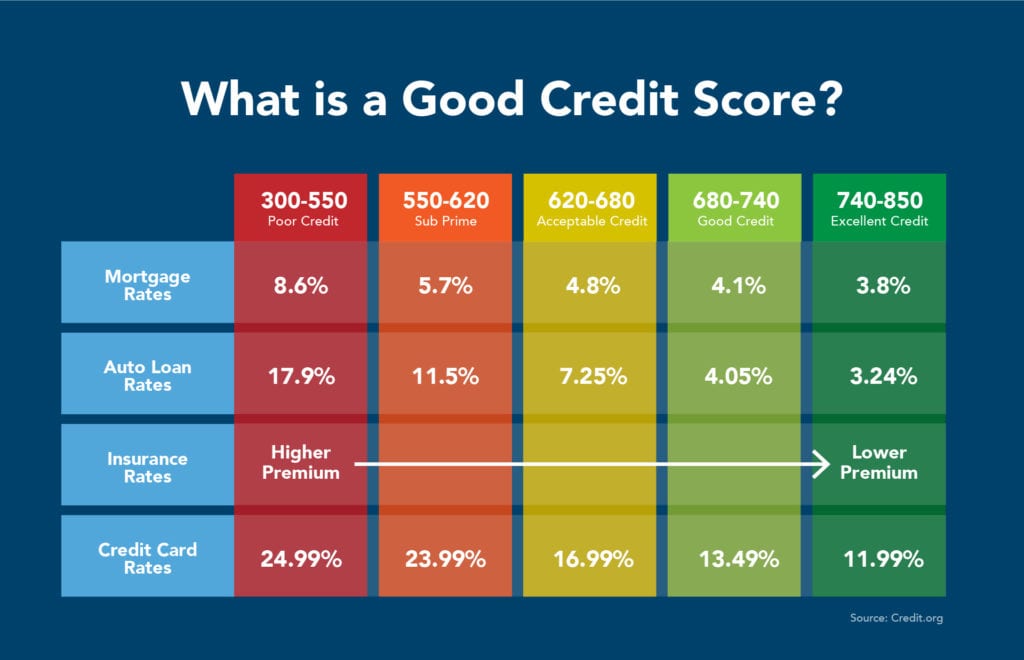
While the 100,000-point offer is highly lucrative, Chase maintains some of the strictest eligibility requirements in the industry. The most prominent of these is the "5/24 Rule," an unofficial but widely documented policy where Chase will automatically decline any applicant who has opened five or more personal credit cards from any issuer within the past 24 months.
Furthermore, Chase recently modified the terms regarding the Sapphire ecosystem. Historically, consumers were barred from holding both the Sapphire Preferred and the more expensive Sapphire Reserve simultaneously. Current data suggests that while it is now possible to hold both cards, earning the introductory bonus is subject to a 48-month "cooldown" period. Applicants who have received a new cardmember bonus for any Sapphire-branded card in the last four years are generally ineligible for this current offer.
To mitigate consumer frustration and reduce the administrative burden of declined applications, Chase has implemented a "pop-up" notification system. This digital tool informs applicants if they are ineligible for the bonus before a hard inquiry is performed on their credit report, thereby protecting the applicant’s credit score from unnecessary impact.

Comparative Market Positioning
The $95 annual fee of the Sapphire Preferred places it in direct competition with the Capital One Venture Rewards Credit Card and the American Express® Gold Card, though the latter carries a significantly higher $325 annual fee. By offering 100,000 points, Chase is effectively lowering the "effective cost" of the card for several years.
Financial analysts note that the cost of acquiring a new customer through a 100,000-point bonus is substantial. However, the lifetime value of a Sapphire customer—who typically has a high credit score and significant monthly spend—justifies the upfront expense. "Chase is playing a long game," says one market analyst. "By securing these cardholders now, they are effectively locking them into the Chase Ultimate Rewards ecosystem, making it less likely they will churn to a competitor’s platform."
Maximizing the 100,000-Point Windfall
The utility of the bonus is a primary driver of the card’s popularity. The 100,000-point sum allows for a variety of high-value travel scenarios that would otherwise require significant cash outlays:

- International Business Class: Through transfer partners like Iberia Plus or Virgin Atlantic, 100,000 points can often cover a round-trip business class seat between the U.S. and Europe or a one-way suite to Asia.
- Domestic Family Travel: Transferring points to Southwest Airlines or United Airlines can facilitate multiple round-trip domestic flights, often covering the airfare for an entire family of four for a single vacation.
- Luxury Lodging: World of Hyatt remains one of Chase’s most valuable transfer partners. With 100,000 points, a traveler could book up to four nights at a Category 7 luxury property, where cash rates often exceed $800 per night.
- The "Points Boost" Mechanism: Chase has recently experimented with "Points Boost" redemptions, occasionally offering up to 1.75 cents per point for specific premium cabin flight bookings through their portal, further stretching the value of the 100,000-point cache.
Operational and Economic Implications
The July 30 deadline is not merely a marketing tactic but a reflection of the bank’s quarterly promotional budgeting. Large-scale bonus offers are typically capped at a specific number of new accounts or a total marketing spend. As the deadline approaches, financial institutions often see a surge in application volume, which can lead to longer processing times for manual reviews.
From a broader economic perspective, the proliferation of high-value credit card bonuses is a double-edged sword. While it provides savvy consumers with significant travel subsidies, it also reflects the high interchange fees that merchants pay, which are often passed on to consumers in the form of higher prices. Additionally, the $5,000 spending requirement serves as a filter, ensuring that the bonus is awarded to consumers with the financial capacity to maintain high levels of transactional activity.
Chronology of the Sapphire Preferred Bonus Cycles
- 2009–2015: The card maintains a steady 40,000 to 50,000-point bonus, establishing its brand identity.
- 2016: The launch of the Sapphire Reserve (100,000-point bonus) forces a repositioning of the Preferred card.
- 2019–2020: Bonus levels fluctuate between 60,000 and 80,000 points as the travel industry enters a period of uncertainty.
- 2021: Chase introduces the first 100,000-point offer for the Preferred card to stimulate post-pandemic travel.
- 2023–2024: The bank implements new "Points Boost" and "Pay Yourself Back" features to diversify redemption options.
- Current Cycle: The 100,000-point offer returns for a limited window, concluding July 30.
Conclusion and Final Outlook
The expiration of the 100,000-point offer on the Chase Sapphire Preferred Card marks the end of a significant chapter in the current rewards war. For the banking giant, the success of this campaign will be measured not just by the number of new accounts opened, but by the retention rates of these cardholders after the first year when the $95 annual fee renews.

For consumers, the July 30 deadline represents the final opportunity to secure a record-level bonus on a card that remains a benchmark for the industry. As the 9:00 a.m. ET cutoff approaches, the focus will shift to how competitors respond and whether Chase will pivot to new incentives, such as increased "earn rates" on specific spending categories or further enhancements to the Chase Travel portal. In the interim, the 100,000-point bonus remains one of the most significant values in the consumer finance market, provided applicants meet the stringent credit and eligibility criteria required by the issuer.
Related posts: