Canada’s tourism sector has undergone a significant transformation over the last decade, transitioning from a destination primarily defined by its vast wilderness to a multifaceted global hub of culture, gastronomy, and sophisticated entertainment. As international travel patterns shift toward "experiential tourism," Canadian provinces are increasingly integrating diverse offerings—ranging from Indigenous-led heritage tours to world-class culinary scenes—into their traditional landscape-driven appeal. This evolution reflects a strategic effort by national and provincial tourism boards to create a "layered" travel experience that appeals to a broader demographic of global travelers.

The Evolution of the Canadian Travel Landscape
Historically, Canada’s primary draw was its "Great Outdoors," centered on the Rocky Mountains, the Great Lakes, and the rugged Atlantic coastline. However, recent data from Destination Canada indicates a profound shift in traveler priorities. Modern visitors are seeking a balance between natural exploration and urban sophistication. This trend is visible in the revitalization of urban centers and the expansion of infrastructure designed to support a "slow travel" philosophy, where visitors linger longer in a single region to absorb its local nuances.
The federal government’s "Federal Tourism Growth Strategy," launched in recent years, emphasizes the development of year-round tourism products and the promotion of lesser-known destinations. This strategy aims to increase the sector’s contribution to the national GDP, which stood at approximately $43.5 billion in the first half of 2024 alone. By diversifying the "Canadian brand," the industry is successfully attracting high-spending international tourists from Europe, Asia, and the United States who seek more than just scenic vistas.

Urban Sophistication: The Intersection of History and Modernity
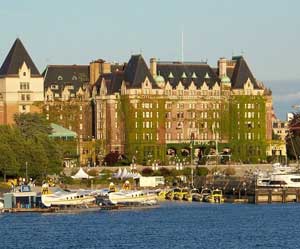
In Western Canada, Victoria, British Columbia, serves as a primary example of this balanced approach. Once seen as a quiet colonial outpost, the city has reinvented itself as a hub for "slow exploration." The Inner Harbour, while remaining a focal point for maritime activity and floatplane transport, now serves as the gateway to a sophisticated network of cultural institutions, such as the Royal BC Museum. The city’s ability to blend historical preservation with modern amenities—evidenced by the thriving culinary scene in its historic Chinatown and the ecological focus of Beacon Hill Park—has made it a model for mid-sized city tourism.
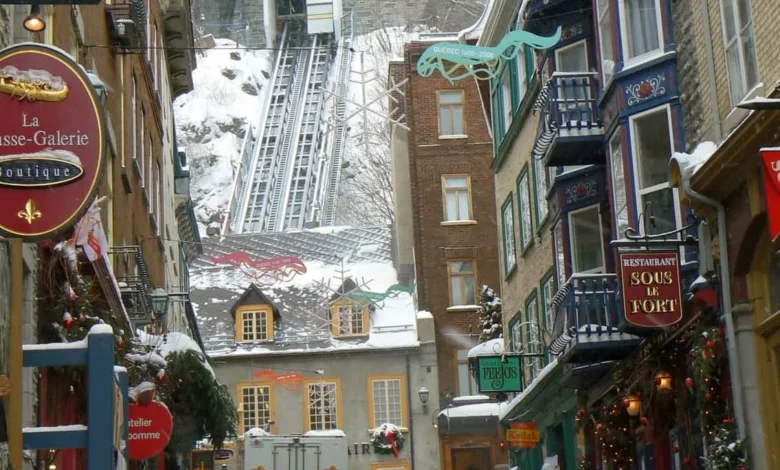
On the opposite side of the country, Quebec City offers a European-style immersion that is unique in North America. As a UNESCO World Heritage site, Old Quebec maintains its 17th-century charm, but the city’s true value lies in its seasonal "vibrancy." Events such as the Winter Carnival (Carnaval de Québec) and the transformation of the Quartier Petit Champlain into a festive light display demonstrate how Canadian cities are using cultural programming to maintain tourism momentum during the off-peak winter months. The integration of traditional Québécois cuisine—such as specialized venison dishes and maple-based confections—with high-end bistro culture has solidified the city as a premier culinary destination.
Culinary Tourism as a Major Economic Driver
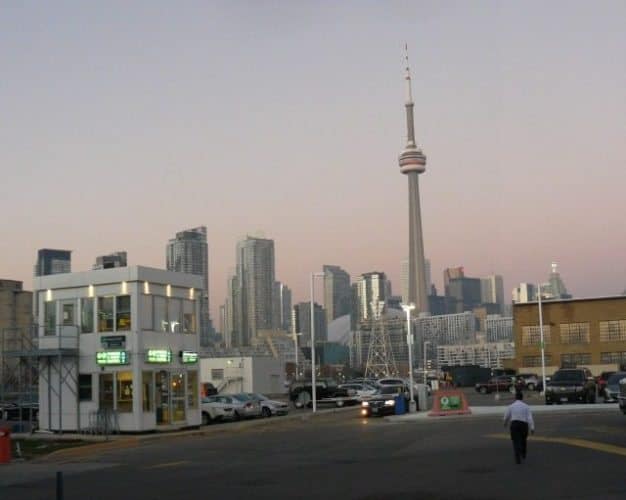
The Canadian dining scene has moved from the periphery to the center of the travel experience. Toronto, Ontario, now stands as one of the most diverse culinary capitals in the world, a fact recently recognized by the arrival of the Michelin Guide. The city’s food landscape is a reflection of its demographic makeup, offering everything from Sri Lankan hoppers in the eastern suburbs to authentic Italian fare in the College Street corridor.
In British Columbia, Vancouver’s culinary identity is heavily influenced by its position on the Pacific Rim. The city has seen a surge in "ocean-to-table" dining, where the proximity to the Pacific Ocean allows for a level of freshness that has become a key marketing point for the region. Meanwhile, the Okanagan Valley has successfully mirrored the success of international wine regions like Napa Valley or Bordeaux by pairing its viticulture with farm-to-table dining, creating a high-end "gastronomic corridor" that attracts luxury travelers.

The Atlantic provinces have also leaned into their local resources. Prince Edward Island (PEI) has branded itself as "Canada’s Food Island," focusing on its world-renowned exports of mussels, oysters, and potatoes. This focus on "provenance-based" travel—where tourists seek to see exactly where their food is grown and harvested—has revitalized rural economies across the Maritimes.
The Expansion of the Entertainment and Casino Sector
A notable development in Canada’s tourism portfolio is the growth of the integrated entertainment sector. Cities like Toronto, Vancouver, and Niagara Falls have moved beyond traditional sightseeing to offer comprehensive entertainment districts. Niagara Falls, in particular, has evolved from a natural wonder into a full-scale resort destination. The area now features a "carnival-like" atmosphere in Clifton Hill, high-end theater productions, and a robust casino industry.

The gaming sector in Canada has seen significant changes, particularly with the regulation of online gaming in provinces like Ontario. This has created a hybrid environment where tourists can enjoy physical casino resorts or access trusted digital platforms such as Casino.com while visiting. The availability of secure, regulated gaming options has become a relevant factor for international tourists who prioritize convenience and diverse entertainment choices during their stays. This sector’s growth is part of a broader trend where major Canadian cities are competing with international destinations like Las Vegas or Macau by offering a mix of natural beauty and high-stakes entertainment.
Indigenous Tourism and Cultural Authenticity
One of the most significant shifts in the Canadian travel industry is the rise of Indigenous-led tourism. According to the Indigenous Tourism Association of Canada (ITAC), this sector is one of the fastest-growing segments of the industry, contributing over $1.9 billion to the national GDP prior to recent global shifts.
In regions like the Yukon and Northern British Columbia, travelers are increasingly seeking "authentic" experiences that move beyond superficial cultural displays. Guided walks led by First Nations storytellers provide historical context, linguistic heritage, and traditional ecological knowledge. These experiences offer a "meaningful" layer to travel that aligns with the global demand for sustainable and socially responsible tourism. Industry analysts suggest that the growth of Indigenous tourism is not only an economic boon but also a vital component of Canada’s national reconciliation efforts, allowing Indigenous communities to reclaim and share their narratives on their own terms.
Infrastructure and the "Planning Culture" of Modern Travel
The modern Canadian traveler—and the international visitor—is characterized by a high degree of digital engagement and pre-trip planning. The reliance on online guides, review platforms, and digital mapping has forced tourism operators to enhance their digital footprints. Whether booking a whale-watching excursion off Vancouver Island or securing tickets for a Broadway-scale production in Toronto’s Theatre District, the "research phase" of travel is now an integral part of the consumer journey.

This shift has led to improved infrastructure in transit and accessibility. Cities like Halifax, Nova Scotia, have invested heavily in waterfront redevelopment, creating pedestrian-friendly boardwalks that connect historical museums with modern breweries and eateries. This "connectivity" is essential for modern tourism, where the ease of moving between a cultural site and a dining venue can significantly impact visitor satisfaction ratings.
Chronology of Tourism Development (2014–2024)
- 2014-2016: Focus on the "Signature Experiences" collection by Destination Canada, highlighting unique outdoor adventures.
- 2017: Canada’s 150th anniversary leads to record-breaking domestic and international travel, sparked by free admission to National Parks.
- 2018-2019: Rapid expansion of the culinary scene; Toronto and Vancouver begin seeing significant international acclaim for diversity.
- 2020-2022: A pivot toward "Hyper-Local" travel during global restrictions; investment in digital infrastructure for tourism operators.
- 2023-2024: The "Full Recovery" phase; introduction of the new Federal Tourism Growth Strategy and the official launch of the Michelin Guide in major Canadian hubs.
Broader Implications and Future Outlook
The diversification of Canada’s travel experiences has several long-term implications. Economically, it reduces the country’s reliance on seasonal weather patterns. By promoting indoor cultural festivals, theater, and culinary tours, Canada can maintain a steady stream of tourism revenue throughout the winter months.

Socially, the emphasis on cultural storytelling—particularly from Indigenous and immigrant communities—promotes a more inclusive national identity. From a sustainability perspective, the move toward "slow travel" and regional exploration helps mitigate the "over-tourism" seen in other global hotspots by distributing visitors more evenly across the provinces rather than concentrating them solely at iconic landmarks like Banff or Niagara Falls.
As Canada continues to refine its "rich travel experiences," the focus will likely remain on the intersection of luxury, authenticity, and accessibility. The country has successfully proven that while the mountains and lakes are the foundation of its appeal, the "texture" of its cities, the quality of its food, and the depth of its history are what keep travelers returning. In an increasingly competitive global market, Canada’s ability to offer a "complete world" within its borders remains its greatest strategic advantage.