The Evolution of Arctic Expedition Tourism and the Shift Toward Specialized Travel Guiding

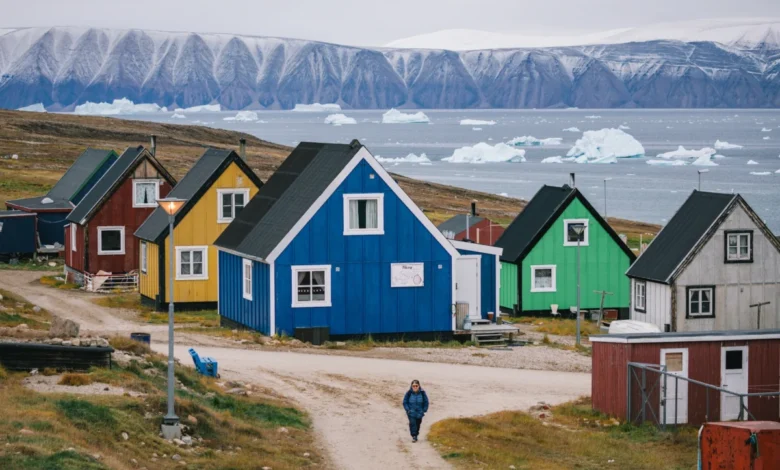
The global travel industry is witnessing a significant paradigm shift as veteran digital content creators transition from traditional influence-based marketing toward high-touch, specialized expedition guiding and consultancy. This trend is most visible in the polar tourism sector, where the complexities of logistics and environmental sensitivity demand a level of expertise that goes beyond aesthetic documentation. Liz Carlson, a prominent figure in the travel blogging sphere for over a decade, recently announced a formal pivot in her professional trajectory, moving into a dual role as an expedition guide and a specialized polar travel consultant. This move reflects broader changes in the creator economy and the burgeoning demand for sustainable, expert-led travel in the world’s most remote regions, specifically the Arctic and Antarctica.
The Logistics of Inaccessibility: Navigating the Polar Regions
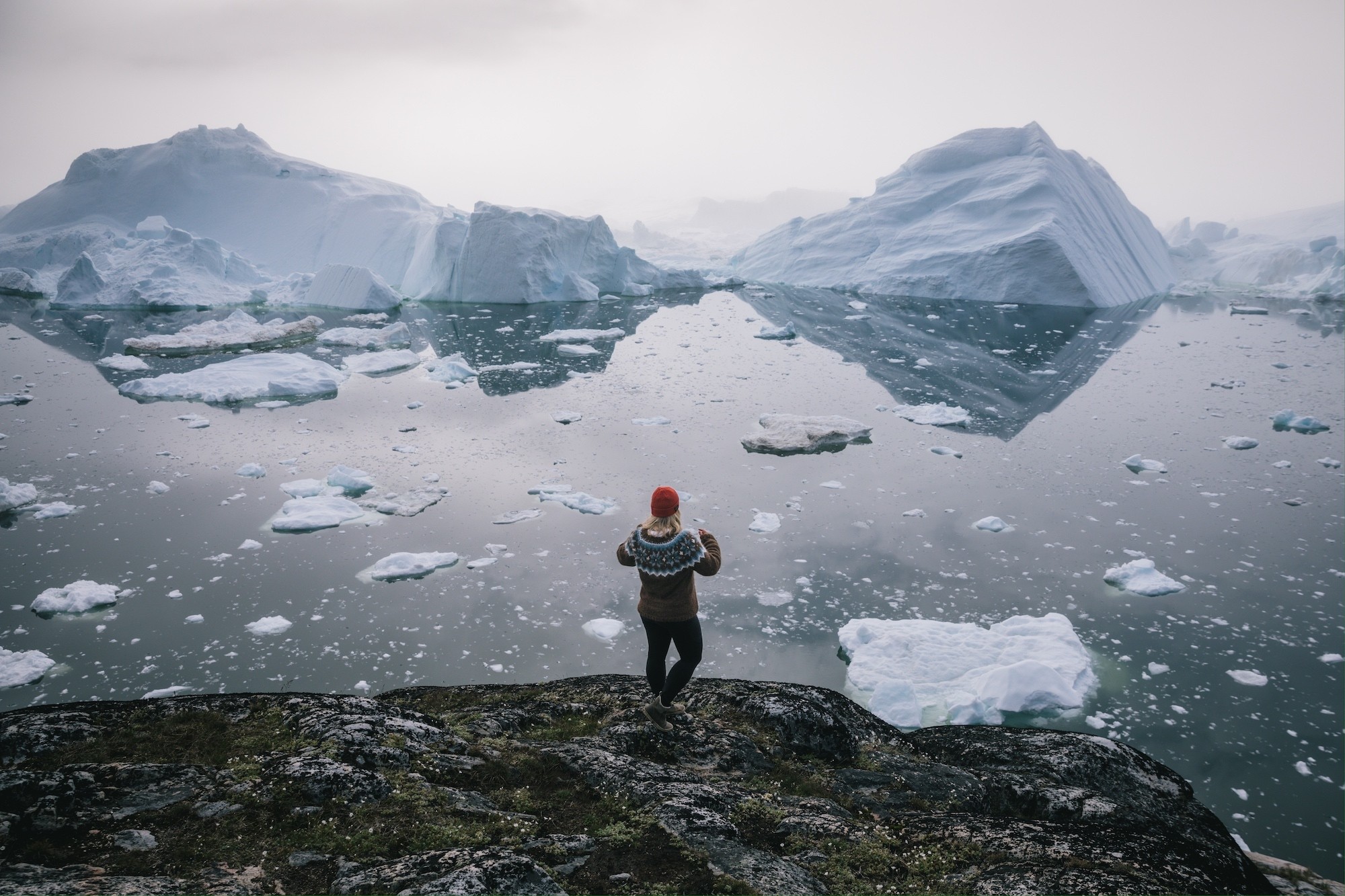
The Arctic remains one of the most logistically challenging environments for global tourism. Unlike traditional destinations, the high Arctic—encompassing parts of Canada’s Nunavut territory and the coastlines of Greenland—is largely inaccessible for the majority of the year. The region is governed by the seasonal ebb and flow of sea ice, which effectively locks the landscape away from maritime traffic for approximately nine months.
Access is limited to a brief summer window when rising temperatures facilitate enough ice melt for ice-strengthened expedition vessels to navigate. Even during this period, travel is often restricted to small-scale operations. According to industry data, the primary modes of transport within these regions include small fixed-wing aircraft, specialized boats, and snowmobiles. The lack of traditional infrastructure—such as paved roads connecting coastal communities—necessitates a reliance on expedition ships. These vessels serve as mobile basecamps, providing both accommodation and the technical means to reach remote fjords and glacial fronts.
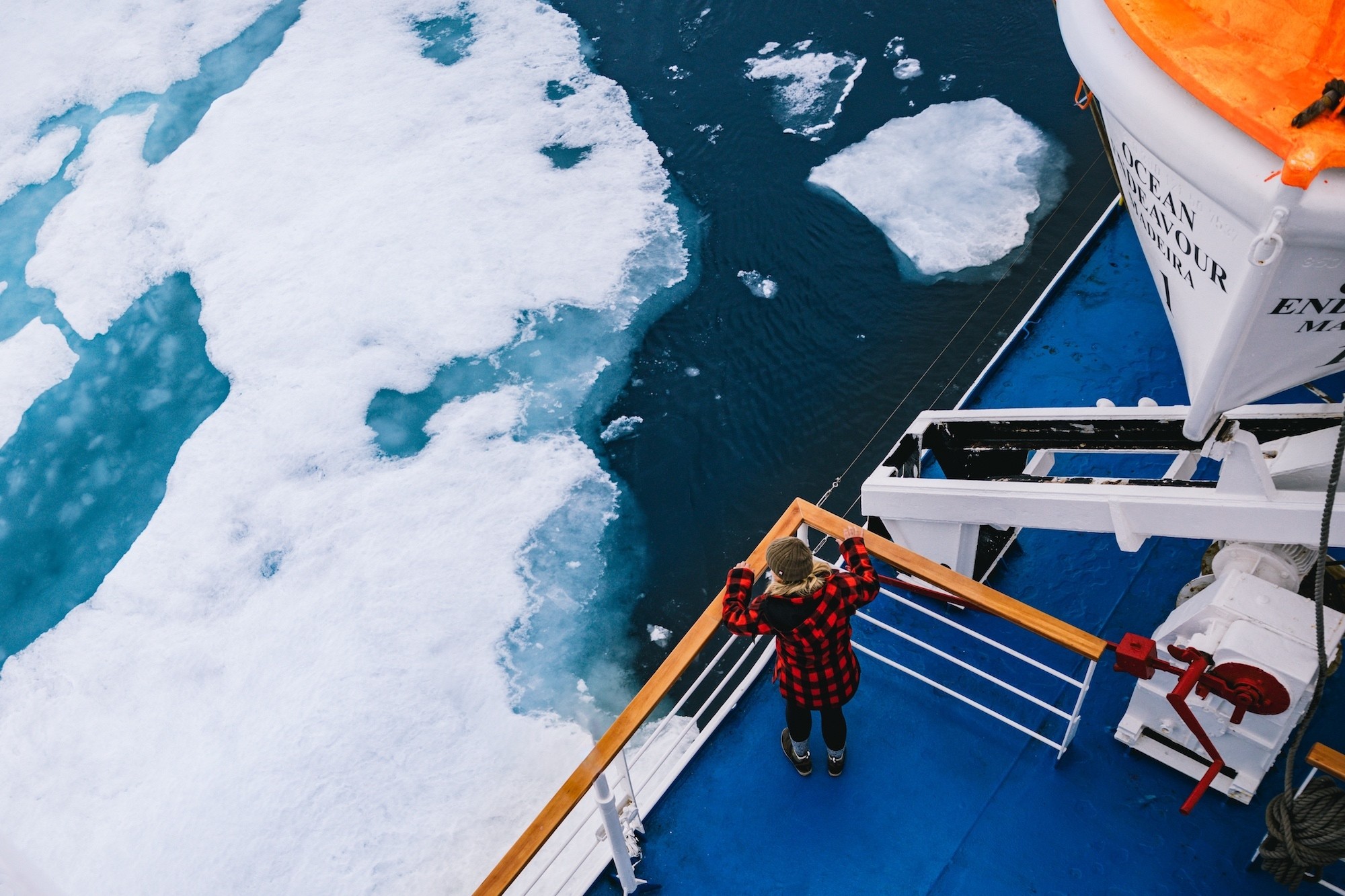
The current Arctic tourism season is characterized by its unpredictability. Expedition guides must account for shifting weather patterns, ice density, and the presence of wildlife, such as polar bears and whales, which can dictate the safety and feasibility of shore landings. This environment requires guides to possess a diverse skill set, ranging from Zodiac boat operation and wilderness first aid to interpretive expertise in glaciology, history, and marine biology.
The Chronology of a Career Pivot: From Influencer to Expert
The transition of high-profile travel writers into professional guiding roles marks a new chapter in the digital travel era. For much of the 2010s, the "influencer" model dominated travel marketing, focusing on high-volume content production and brand sponsorships. However, the global pandemic served as a catalyst for many industry professionals to re-evaluate the sustainability of this model.
Carlson’s move to join Adventure Canada—a family-owned expedition company founded in 1987—highlights a growing desire for community-oriented and expertise-driven work. Adventure Canada, operated by the Swan family, has built a reputation for its focus on regenerative tourism and its deep ties to the communities it visits. The company’s model emphasizes "loyalist" tourism, with reports indicating that nearly 50 percent of passengers on any given voyage are returning clients.
This shift away from "hustle culture" and toward specialized guiding represents a broader movement in the creator economy. Experts suggest that as the digital market becomes saturated, creators are finding greater fulfillment and financial stability by leveraging their deep-seated niche knowledge. For Carlson, this has manifested in a three-month seasonal commitment to the Arctic, where her responsibilities include wildlife spotting, historical interpretation, and logistical management.
Supporting Data: The Rise of Polar Tourism
The polar tourism sector has experienced substantial growth over the last decade, despite the high barriers to entry. Data from the Association of Arctic Expedition Cruise Operators (AECO) indicates a steady increase in the number of passengers visiting the Arctic. In the Svalbard archipelago alone, passenger numbers have seen significant year-on-year growth, reflecting a global interest in "last-chance tourism"—a phenomenon where travelers seek to see endangered ecosystems before they are irrevocably altered by climate change.
Environmental stewardship is a critical component of this growth. The Arctic is warming at nearly four times the global average, leading to the rapid recession of glaciers and the thinning of sea ice. This environmental reality has forced expedition companies to adopt more rigorous sustainability protocols. Guides play a pivotal role in this framework, acting as "polar ambassadors" who educate guests on the fragility of the ecosystem.

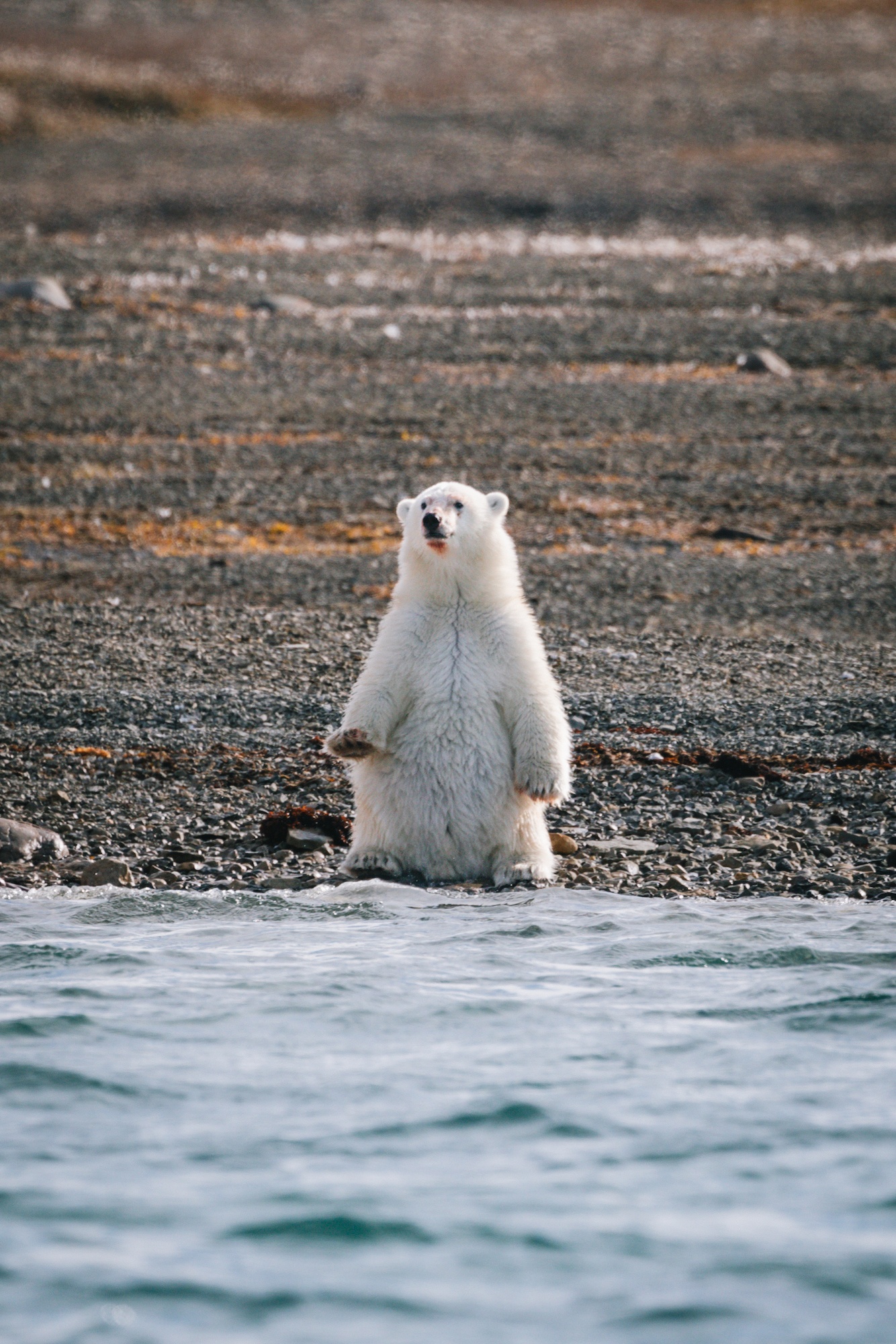
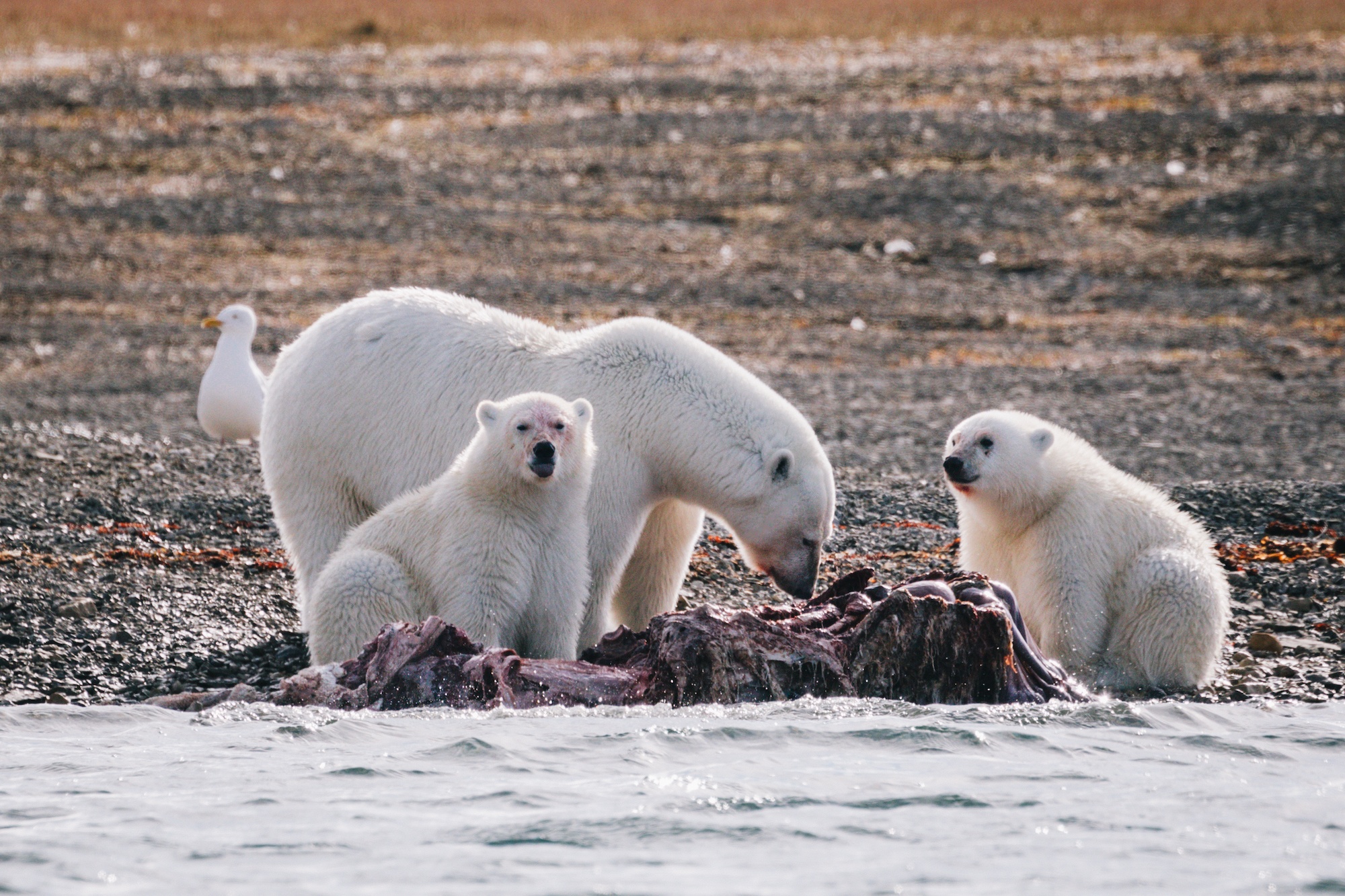
Wildlife observation remains a primary draw for Arctic expeditions. The region is home to the "Arctic Big Five": the polar bear, walrus, narwhal, beluga whale, and muskox. Successful sightings are not guaranteed and require guides with specialized tracking skills. For instance, recent expeditions in the Canadian Arctic have documented rare occurrences, such as polar bears scavenging beluga whales—a sight that provides critical data for researchers monitoring the nutritional stress of apex predators in a warming climate.
Cultural Integration and Community Impact
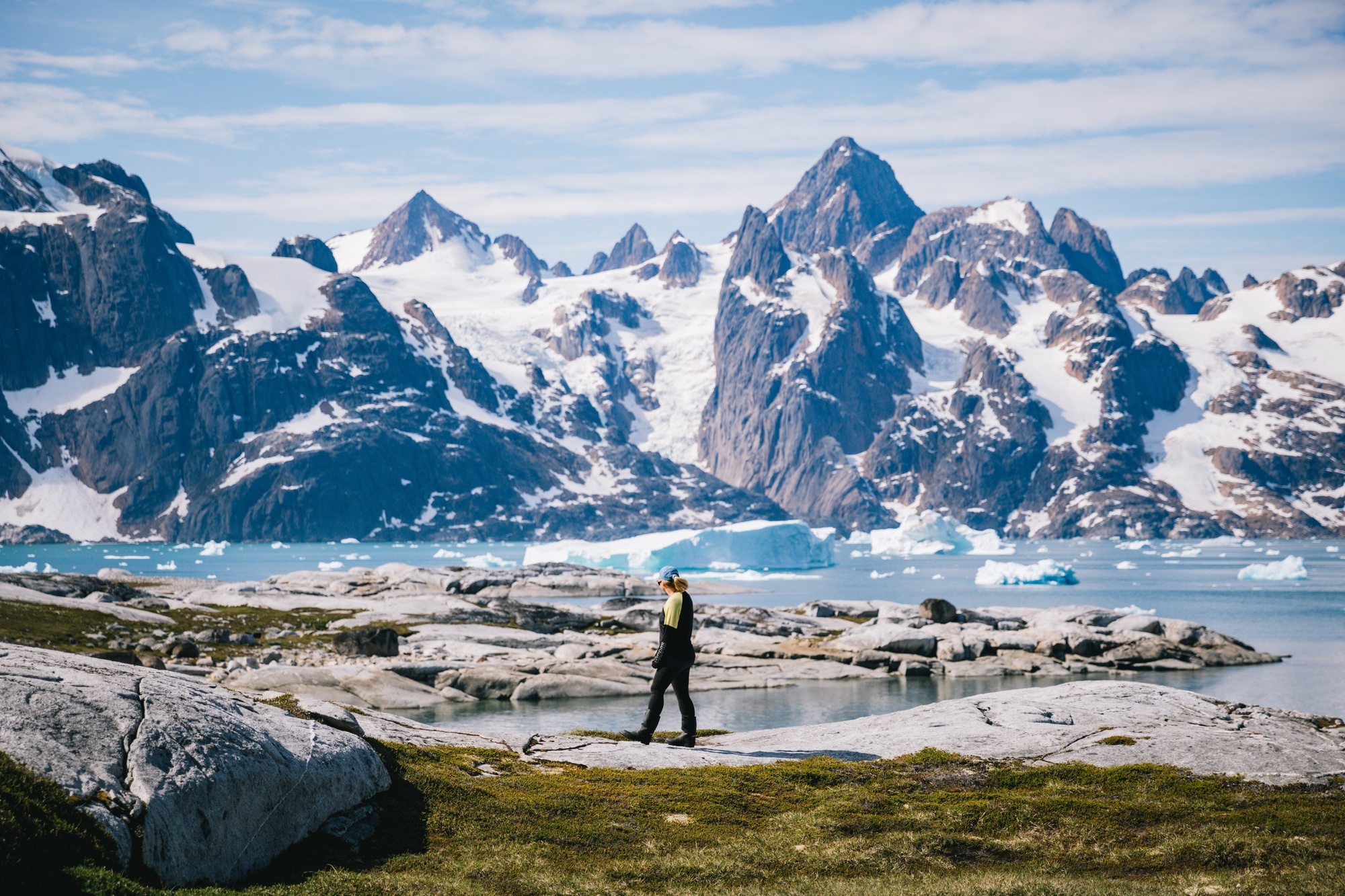
A significant portion of Arctic expedition travel focuses on the cultural heritage of the North. In the Canadian Arctic and Greenland, visits to Inuit communities are a cornerstone of the experience. These interactions are designed to be mutually beneficial, providing economic opportunities for local artisans and educators while offering travelers a firsthand look at the resilience of northern cultures.
Adventure Canada and similar operators prioritize the inclusion of local cultural educators on their staff. This ensures that the narrative of the Arctic is told by those who inhabit it, rather than being filtered solely through a Western lens. The demand for Inuit art, throat singing demonstrations, and traditional knowledge sharing has become a vital part of the regional economy. This model of tourism seeks to move away from the "extractive" practices of the past, focusing instead on long-term partnerships and cultural preservation.
Broader Impact and Industry Implications
The formalization of referral-based travel consultancy by industry veterans like Carlson signals a maturation of the travel advisory market. By acting as a bridge between the traveler and the expedition operator, these consultants provide a layer of vetting that is increasingly valuable in a complex marketplace. This "travel agent 2.0" model relies on firsthand experience and professional networks rather than generic marketing materials.
From an economic perspective, this shift allows professionals to diversify their income streams, reducing reliance on volatile social media algorithms and advertising revenue. It also creates a more transparent relationship with the audience. The acknowledgement of referral commissions is becoming a standard practice, reflecting a move toward ethical transparency in digital entrepreneurship.
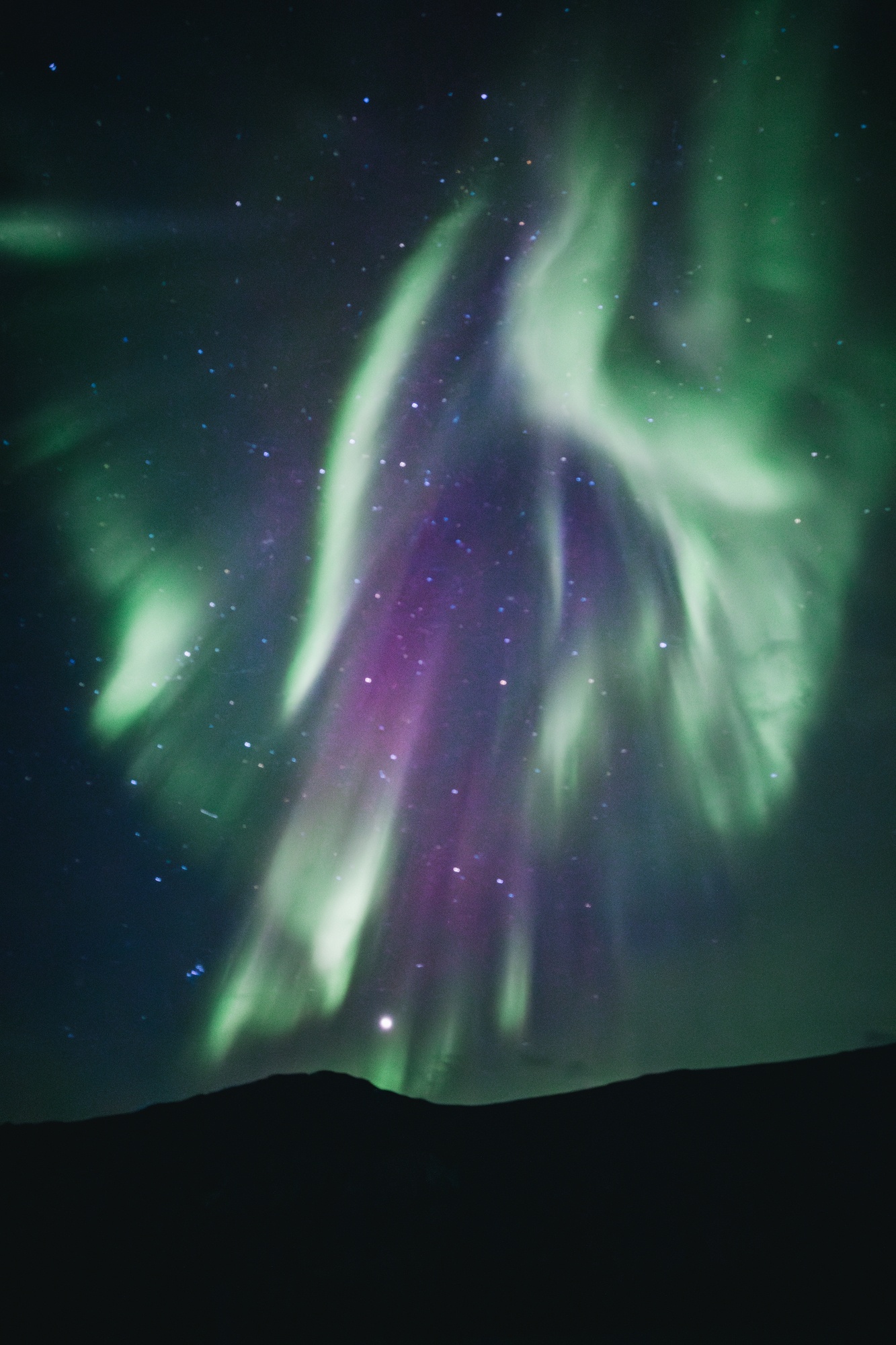
Furthermore, the presence of experienced guides who also possess large digital platforms has a significant impact on conservation efforts. When guides share the realities of the Arctic—such as the beauty of the Northern Lights or the stark reality of melting ice shelves—they reach an audience that might otherwise be disengaged from polar issues. This "ambassador" role is crucial for fostering global support for environmental protection policies.
Conclusion: The Future of High-Latitude Exploration
As the Arctic continues to face unprecedented environmental challenges, the role of the expedition guide is evolving from a mere facilitator to a critical educator and advocate. The transition of established travel professionals into these roles suggests that the future of high-end travel lies in expertise and authenticity.
The move toward specialized, expert-led voyages in Canada and Greenland reflects a broader consumer desire for meaningful, educational, and responsible travel. By focusing on the intersection of logistics, wildlife conservation, and cultural respect, the expedition industry is setting a standard for how tourism can function in the world’s most sensitive environments. As the 2024 Arctic season progresses, the industry will continue to monitor how these expert-led models influence passenger satisfaction and environmental outcomes, potentially providing a blueprint for the future of sustainable global travel.