A Family Guide to Phuket: Balancing Exploration and Relaxation on a Weeklong Island Stay

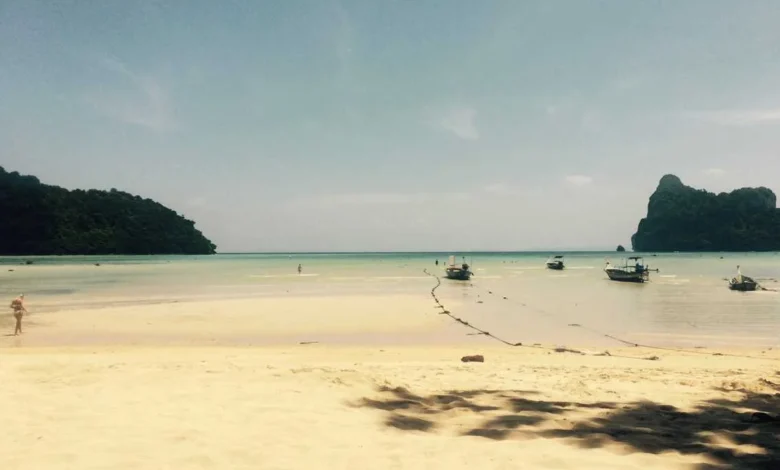
When families contemplate a tropical escape to Thailand, Phuket typically conjures imagery of pristine white-sand beaches, traditional wooden long-tail boats gliding across turquoise waters, and swaying palm trees. While these iconic visual elements form the backbone of the island’s tourism appeal, seasoned family travelers often discover that the true value of a Phuket getaway lies not in checking off a list of high-profile tourist landmarks, but in establishing a manageable daily rhythm. For parents traveling with young children, navigating a foreign destination requires a delicate equilibrium between structured sightseeing and unhurried downtime. A weeklong itinerary focused on slow mornings, residential neighborhood exploration, and strategic lodging choices reveals an alternative side of southern Thailand’s most visited island—one that prioritizes comfort and authentic cultural immersion over frantic schedules.
Strategic Accommodation Choices for Families
The logistical challenges of traveling with small children often dictate the success of an international vacation. Traditional hotel rooms frequently present obstacles regarding space limitations, rigid dining hours, and conflicting sleep schedules among family members. To mitigate these stressors, many contemporary family travelers are shifting away from commercial resort complexes in favor of private residential rentals.
Choosing a private villa on Phuket’s west coast offers distinct operational advantages. Unlike standard hotel environments, a multi-room property equipped with an independent kitchen, separate bedrooms, and a private swimming pool allows parents to replicate domestic routines while abroad. Industry insights from local property management specialists, such as Lofty Villas, indicate a rising demand for decentralized holiday rentals across key districts including Patong, Kamala, Kata, and Rawai. Utilizing regional rental agencies rather than global booking aggregators often yields logistical benefits, including localized on-call maintenance support and personalized neighborhood recommendations. A three-bedroom villa configuration provides adequate square footage for children to play safely, affords adults quiet communal spaces during early morning hours, and minimizes the friction commonly associated with communal hotel dining rooms.
Geographical Layout and the Role of Patong

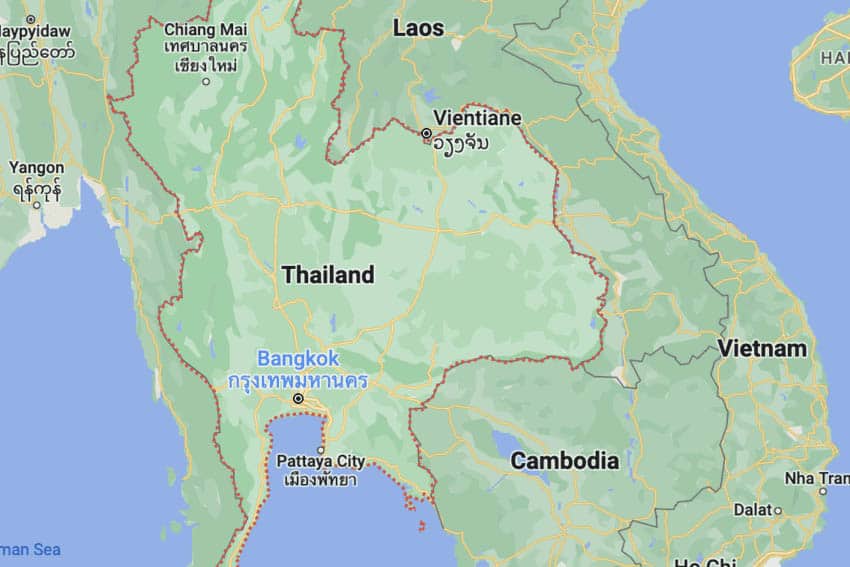
Understanding Phuket’s unique geographical scale is critical for first-time visitors. As Thailand’s largest island, stretching approximately 48 kilometers from north to south and 21 kilometers from east to west, travel times between distinct regions can be deceptively lengthy depending on traffic density along the main arterial routes. The Phuket International Airport anchors the northern extremity of the island, while suburban and coastal communities fan out southward along the Andaman Sea coastline.
Patong, historically recognized globally for its vibrant nocturnal entertainment sector, presents a surprisingly functional daytime environment for families. While the town’s evening atmosphere is dominated by adult-oriented nightlife, its daytime identity centers around a sweeping, three-kilometer crescent beach that remains active without feeling overwhelmingly congested. The surrounding infrastructure—comprising supermarkets, international medical clinics, diverse dining establishments, and accessible transportation networks—makes Patong a practical operational base. Positioning a family headquarters in a central location allows for manageable day trips to quieter southern shores while maintaining close proximity to essential daily conveniences.
Cultural Immersion Beyond the Resort Corridors

While Phuket’s coastal fringes attract the majority of short-term visitors, the island’s interior and eastern seaboard offer substantial historical and cultural depth. Phuket Town, situated on the eastern coast, serves as the island’s administrative and historical heart. The historic district features a well-preserved collection of 19th-century Sino-Portuguese shophouses, vibrant street art, and independent cafes. This architectural landscape reflects the island’s multicultural heritage, heavily influenced by Chinese traders, Portuguese colonizers, and indigenous Malay communities who shaped the region’s tin-mining economy during the nineteenth and twentieth centuries.
Venturing away from the coastline also brings travelers to prominent religious and cultural landmarks, most notably the Phra Phuttha Ming Mongkol Sattha Maha Khiri, widely known as the Big Buddha. Positioned 450 meters above sea level atop the Nakkerd Hills between Chalong and Kata, the 45-meter-tall white marble statue commands panoramic views of southern Phuket, including Chalong Bay and Kata Beach. Educational excursions of this nature provide children with geographical context, allowing them to visualize the island’s layout from an elevated vantage point while offering a breezy, cooler microclimate that contrasts with the humid coastal lowlands.
Coastal Excursions and Marine Biodiversity
No comprehensive exploration of Phuket’s regional ecosystem is complete without venturing onto the surrounding Andaman waters. Organized marine excursions to the nearby Phi Phi Islands—located approximately 40 kilometers southeast of Phuket in Krabi Province—remain a cornerstone of the regional tourism economy. These boat tours showcase dramatic limestone karst formations, emerald-hued lagoons, and protected marine habitats.
Environmental conservation organizations and marine biologists emphasize the importance of responsible tourism practices during these island-hopping excursions. With visitor numbers to protected areas such as the Hat Noppharat Thara-Mu Ko Phi Phi National Park heavily regulated by Thai authorities to combat coral bleaching and habitat degradation, travelers are increasingly encouraged to select eco-certified tour operators. For families, these marine outings offer tangible educational value, transforming abstract biological concepts into direct encounters with coastal marine life, intertidal ecosystems, and geological formations. Alternative aquatic itineraries, such as navigating the dramatic sea caves and mangrove forests of Phang Nga Bay to the north, provide calmer waters and distinct geological marvels well-suited for younger children.
The Natural Shift Toward Southern Tranquility

As a weeklong itinerary progresses, travelers frequently gravitate toward the less commercialized southern reaches of the island. Communities such as Nai Harn and Ya Nui Beach offer a distinct contrast to the bustling commercial atmosphere of the northern and central west-coast beaches. Characterized by strict zoning regulations that limit high-rise development, the southern cape maintains a more natural, topographically rugged environment.
These southern locales also facilitate deeper engagement with local culinary traditions. Regional seafood markets, such as those found near Rawai Beach, allow consumers to select fresh catch directly from local fishermen and commission adjacent open-air kitchens to prepare the meals to specification. This interactive culinary model educates younger travelers on regional commerce and dietary sourcing, elevating a standard meal into an engaging cultural experience. Furthermore, modern family-oriented infrastructure, including regionally situated water parks like Andamanda Phuket located near the island’s center, successfully bridges the gap between high-energy entertainment and accessible family leisure.
Broader Implications for Family Travel Logistics

Analyzing the trajectory of modern family tourism reveals a clear shift toward experiential, slower-paced travel models. Rather than attempting to maximize sightseeing density through rigid, highly scheduled itineraries, contemporary parents are increasingly prioritizing contextual immersion, emotional well-being, and spatial autonomy.
Industry analysts note that destinations capable of offering a diversified infrastructure—combining reliable healthcare facilities, international accessibility, diverse culinary options, and a spectrum of accommodations ranging from luxury resorts to private residential villas—consistently outperform competitors in family satisfaction metrics. Phuket’s unique capacity to transition seamlessly from bustling commercial hubs to serene, protected natural enclaves makes it an adaptable destination for multi-generational and young-family travel alike.
Ultimately, the long-term memories forged during an international family holiday rarely stem from marquee tourist landmarks alone. Instead, they are typically rooted in the unscripted, foundational moments: an unhurried breakfast shared by a private pool, the discovery of marine life in a shallow tidal pool, or a shared evening meal following a day spent navigating tropical coastlines. By intentionally pacing an itinerary and establishing a comfortable, localized residential base, families can transform a standard tropical vacation into a sustainable, memorable blueprint for international exploration.