Exploring Golden Bay A Comprehensive Analysis of Tourism Environmental Conservation and Regional Infrastructure in the Tasman District

The Tasman District of New Zealand, specifically the enclave known as Golden Bay (Mohua), represents a unique intersection of high-value ecological conservation, remote logistics, and a distinct socio-economic model based on "slow tourism" and alternative lifestyle heritage. Situated at the northwestern tip of the South Island, Golden Bay is geographically defined by its isolation, separated from the rest of the Nelson-Tasman region by the formidable Takaka Hill. This report examines the regional dynamics of Golden Bay, ranging from its critical infrastructure and aviation reliance to its environmental vulnerabilities and the burgeoning niche accommodation sector.
Regional Geography and the Logistics of Isolation
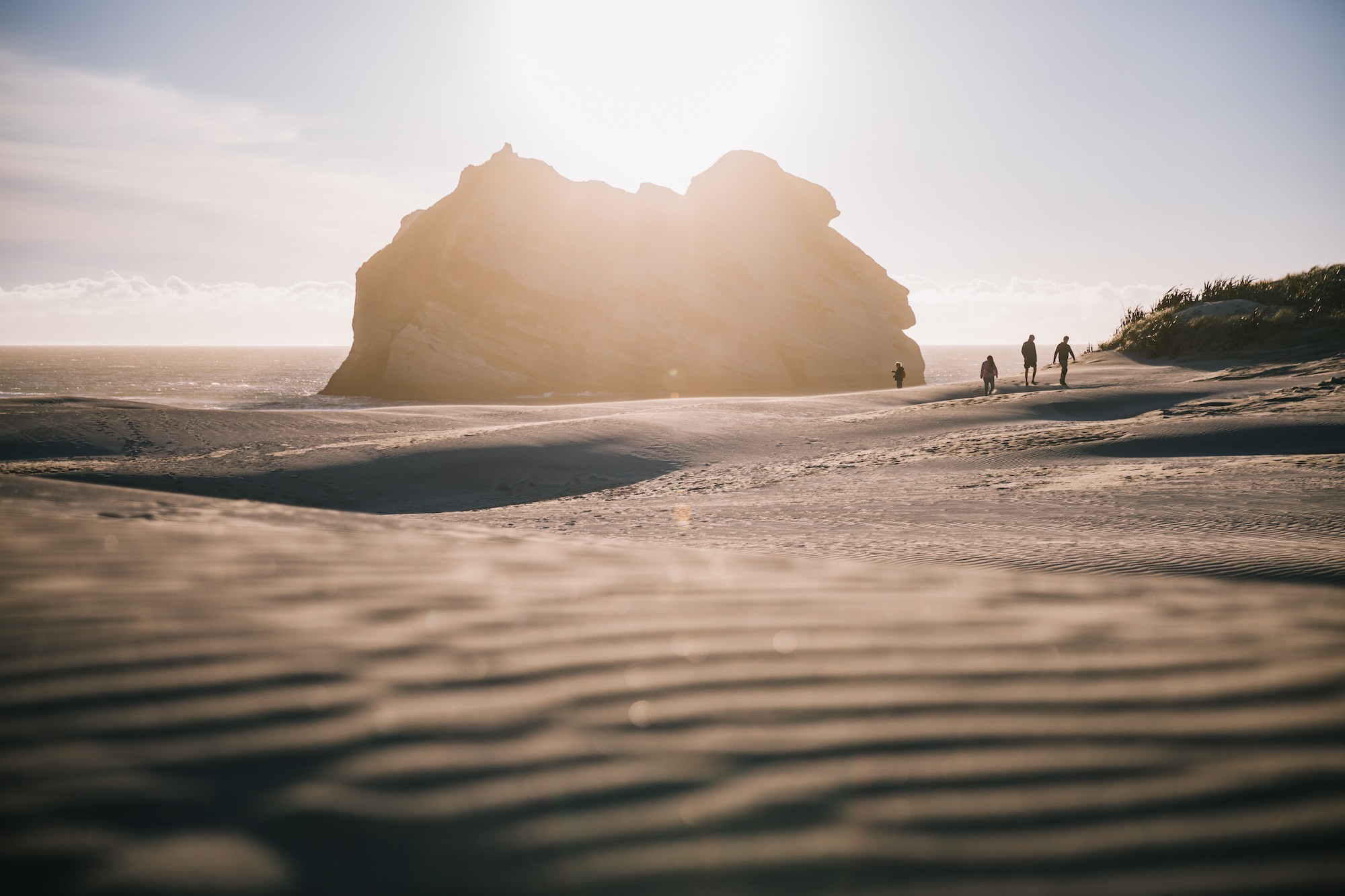
Golden Bay forms a shallow, "C" shaped coastal indentation that stretches from the northern boundaries of Abel Tasman National Park to the 26-kilometer-long sandspit known as Farewell Spit (Onetahua). The region is bordered to the west by Kahurangi National Park, New Zealand’s second-largest national park, which houses the Heaphy Track, one of the nation’s premier "Great Walks."
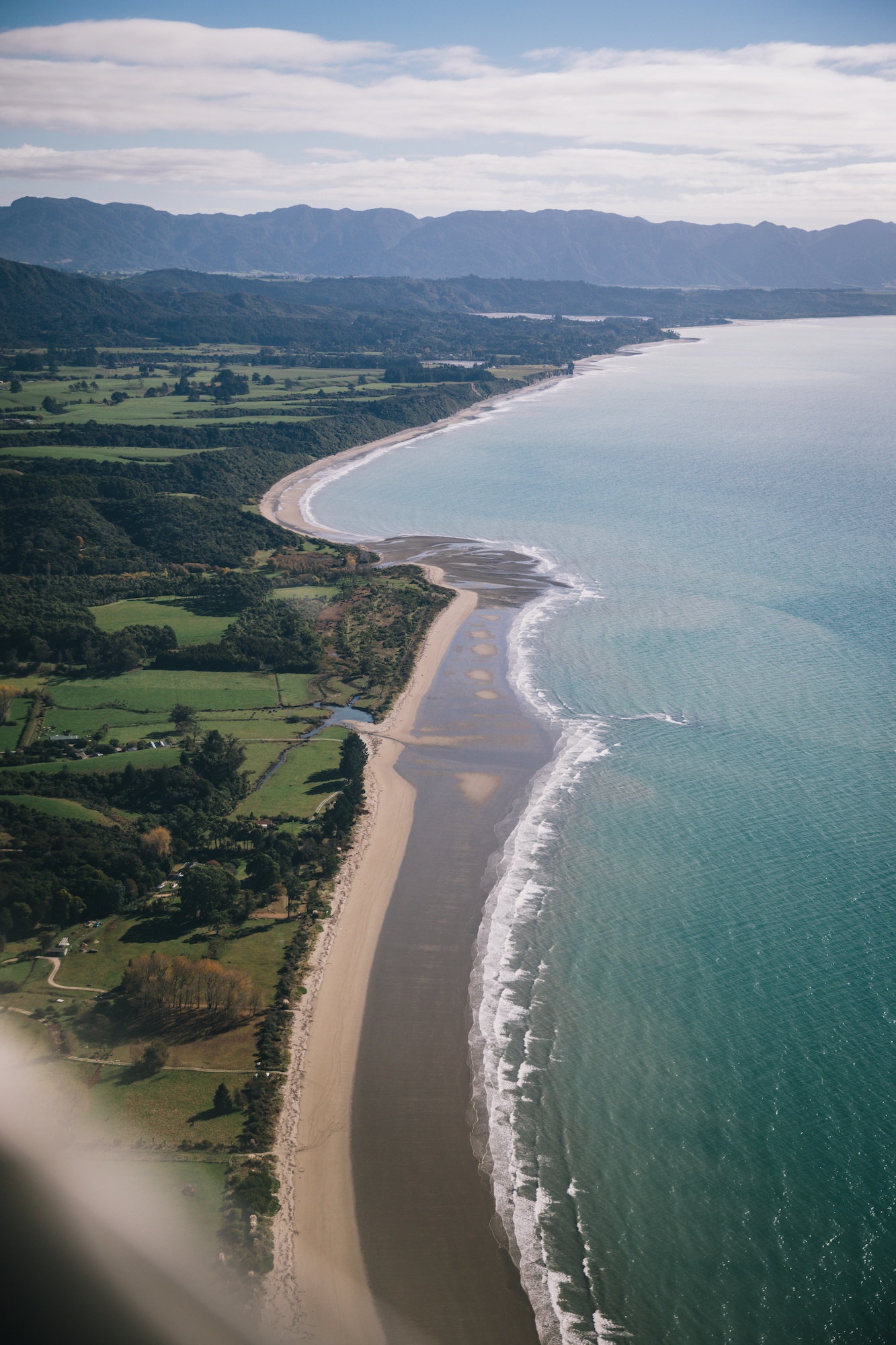
The logistical framework of Golden Bay is dictated by its challenging topography. Access by land is limited to State Highway 60, which traverses Takaka Hill. Known locally as "The Hill," this route reaches an elevation of 791 meters and is characterized by over 250 tight corners and steep gradients. The vulnerability of this artery was highlighted following the damage caused by Cyclone Gita in 2018. The resulting landslides necessitated complex engineering repairs that lasted several years, during which traffic was frequently restricted to single-lane passage controlled by automated signaling. This period of prolonged roadworks became a focal point for local frustration regarding the speed of bureaucratic response to regional infrastructure crises.
Due to the arduous nature of the drive—which can take over 90 minutes from the nearest major hub, Motueka—aviation has become a critical component of the region’s connectivity. Golden Bay Air, operating out of the Takaka Aerodrome, provides essential scheduled services to Wellington and Karamea. These small-craft flights are not merely a luxury for tourists but a strategic necessity for the "Great Walk" economy, allowing trampers to bypass the ten-hour drive between the start and end points of the Heaphy Track. The Takaka Aerodrome itself serves as a modest but vital hub, facilitating the movement of visitors and high-value supplies into a region that remains largely disconnected from the national rail and heavy freight networks.
The Socio-Economic Profile: A "Retro" Tourism Model
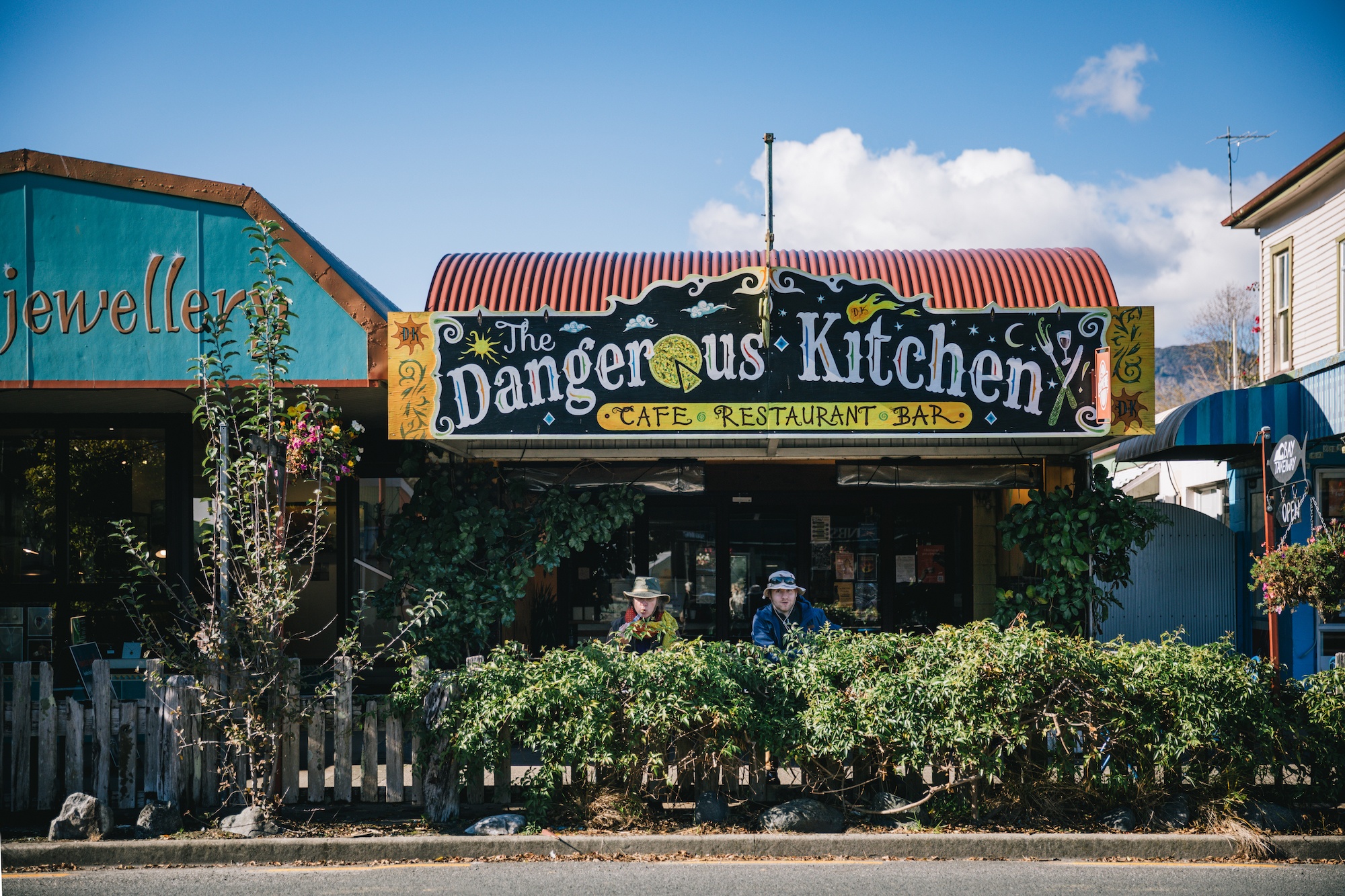
Golden Bay is frequently described by visitors and sociologists alike as a region that has maintained a "1990s" or even earlier aesthetic and pace of life. This is not accidental but is a byproduct of both geographical isolation and a deliberate community adherence to alternative economic models. The prevalence of honesty boxes—unattended stalls selling local produce, honey, and crafts—indicates a high-trust society that stands in contrast to the increasingly digitized and automated retail environments of larger New Zealand centers like Christchurch or Auckland.
The local economy is heavily bolstered by independent growers and artisanal producers. The region’s climate, which is among the sunniest in New Zealand, supports diverse agriculture, including hops, berries, and organic dairy. This "counter-culture" heritage has successfully transitioned into a sustainable tourism draw, attracting a demographic of travelers interested in ecological living and "slow travel."

Environmental Conservation and the Farewell Spit Whale Stranding Phenomenon
Farewell Spit, a Ramsar-listed wetland of international importance, serves as a critical habitat for migratory birds but is also known for a more tragic phenomenon: mass whale strandings. The spit’s unique geography—a long, narrow hook of sand with a very gradual incline and extreme tidal shifts—creates a biological "trap" for marine mammals, particularly long-finned pilot whales.

Data from the Department of Conservation (DOC) and Project Jonah, a non-profit marine mammal rescue organization, indicate that Golden Bay is one of the most frequent stranding sites in the world. In February 2017, the region witnessed one of the largest mass strandings in New Zealand’s recorded history, with over 400 pilot whales coming ashore. The scientific community posits several theories for these events, including echolocation failure in shallow, muddy waters and the strong social bonds of pilot whales, which lead healthy individuals to follow distressed pod members into danger.
The presence of Project Jonah and a highly trained local volunteer base underscores the community’s commitment to marine conservation. These events have a profound impact on the local psyche and have increasingly influenced regional tourism narratives, shifting the focus toward environmental stewardship and the protection of marine biodiversity.
Geological Heritage: Karst Landscapes and Pristine Waters
The Nelson-Tasman region is globally recognized for its karst topography—landscapes formed from the dissolution of soluble rocks such as limestone and marble. Golden Bay sits at the heart of "cave country," containing some of the deepest and longest cave systems in the Southern Hemisphere, including those within the Takaka Valley and the Arthur Range.
One of the most significant geological and cultural landmarks is Te Waikoropupū Springs. These springs are the largest cold-water springs in the Southern Hemisphere and are renowned for the extraordinary clarity of their water. Scientific measurements have recorded underwater visibility at the springs of up to 81 meters, approaching the theoretical limit of pure water.
For the local Māori iwi (tribes), Te Waikoropupū Springs are a taonga (treasure) and are considered wahi tapu (sacred). Under the Te Waikoropupū Springs Water Conservation Order, which was updated and strengthened in 2023, strict protections are in place to prevent any human contact with the water to maintain its chemical and spiritual purity. This site serves as a primary example of how environmental management in New Zealand increasingly incorporates indigenous perspectives and legal frameworks to protect natural resources.

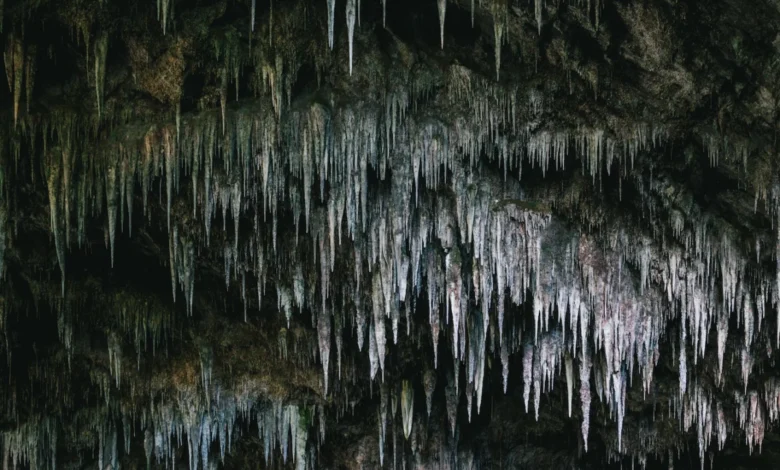
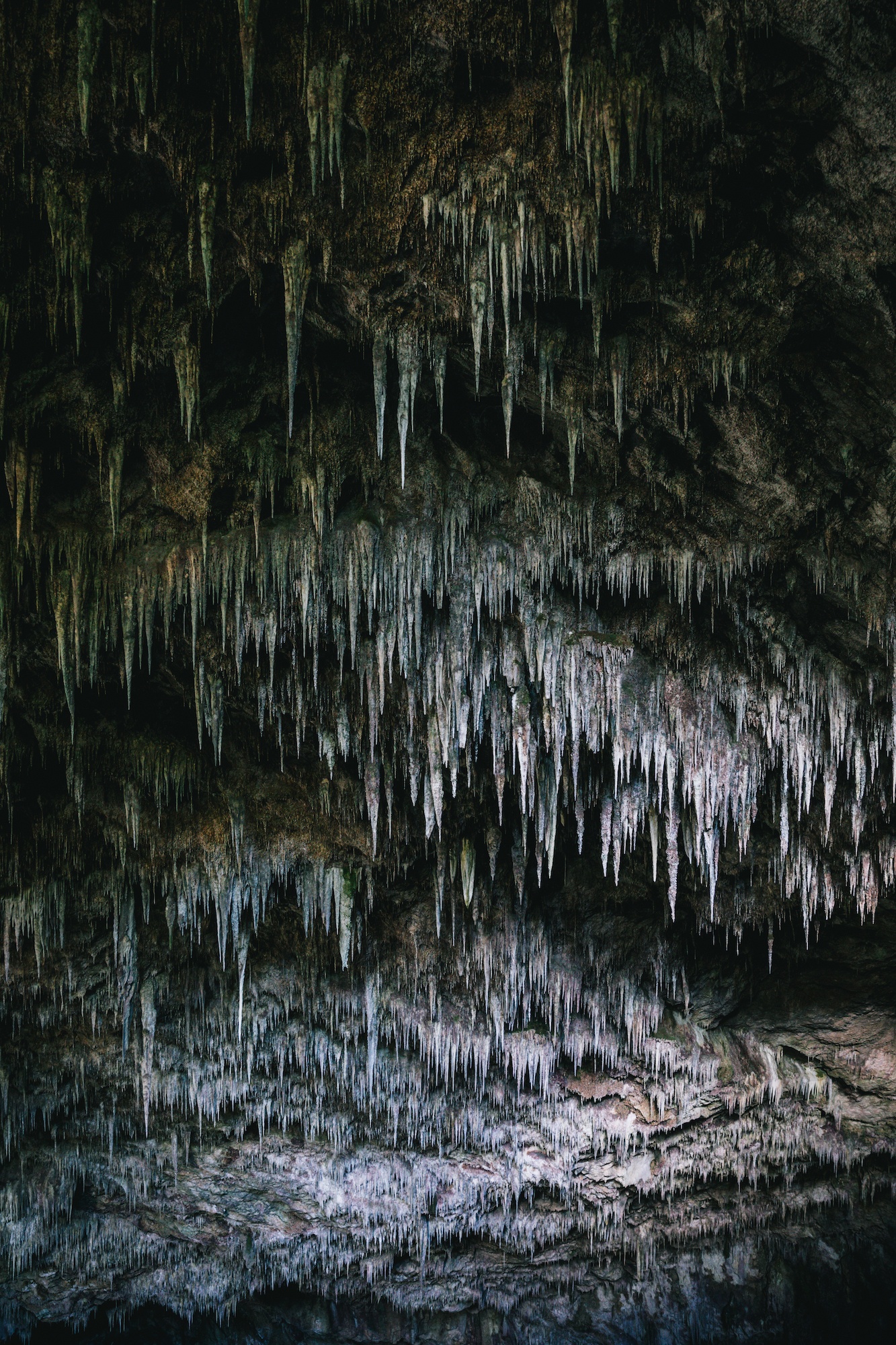
Further north, Rawhiti Cave offers a more accessible look at the region’s karst heritage. The cave is notable for its massive entrance and an extensive array of phytokarst—stalactites that grow toward the light due to the presence of photosynthetic algae. The trek to Rawhiti Cave is a significant draw for adventure tourists, highlighting the rugged, "unpolished" nature of Golden Bay’s attractions compared to the more manicured tourism experiences of the Queenstown-Lakes District.
The Niche Accommodation Sector and the "Glamping" Trend
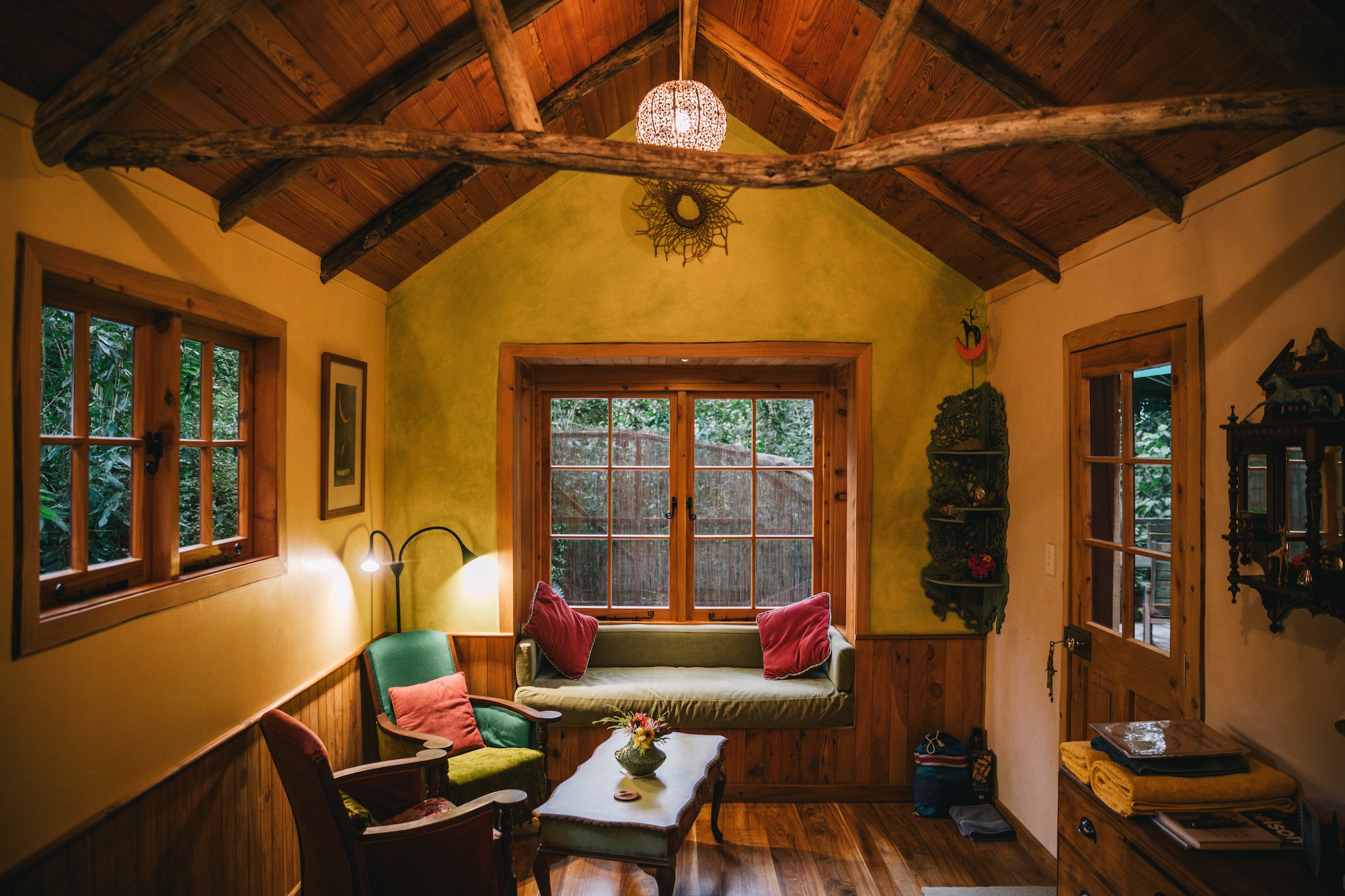
As the global travel market shifts toward unique, experiential stays, Golden Bay has seen a surge in high-end, low-impact accommodation. This is exemplified by the growth of "glamping" (glamorous camping) sites, often managed under umbrellas like Canopy Camping.
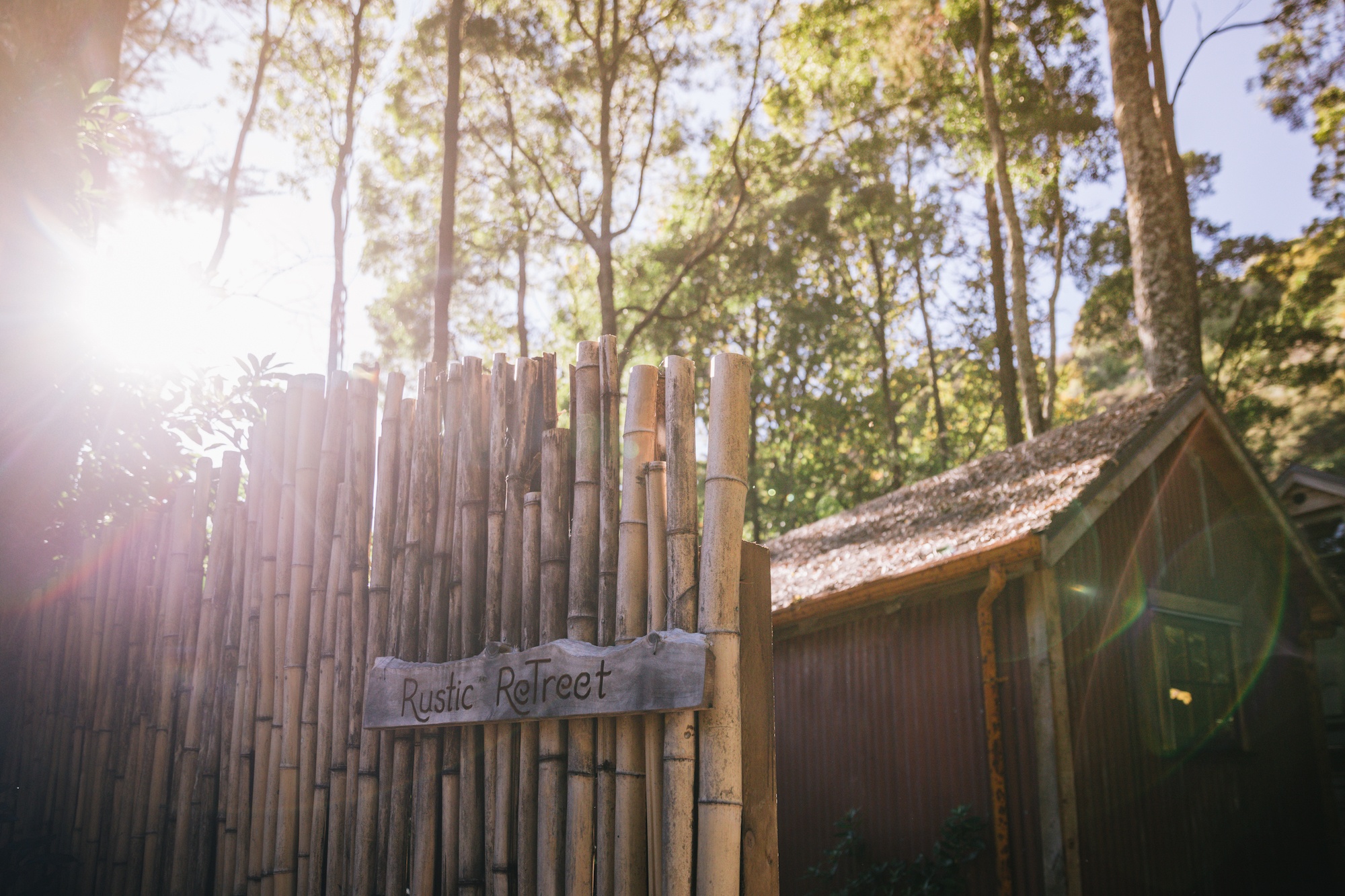
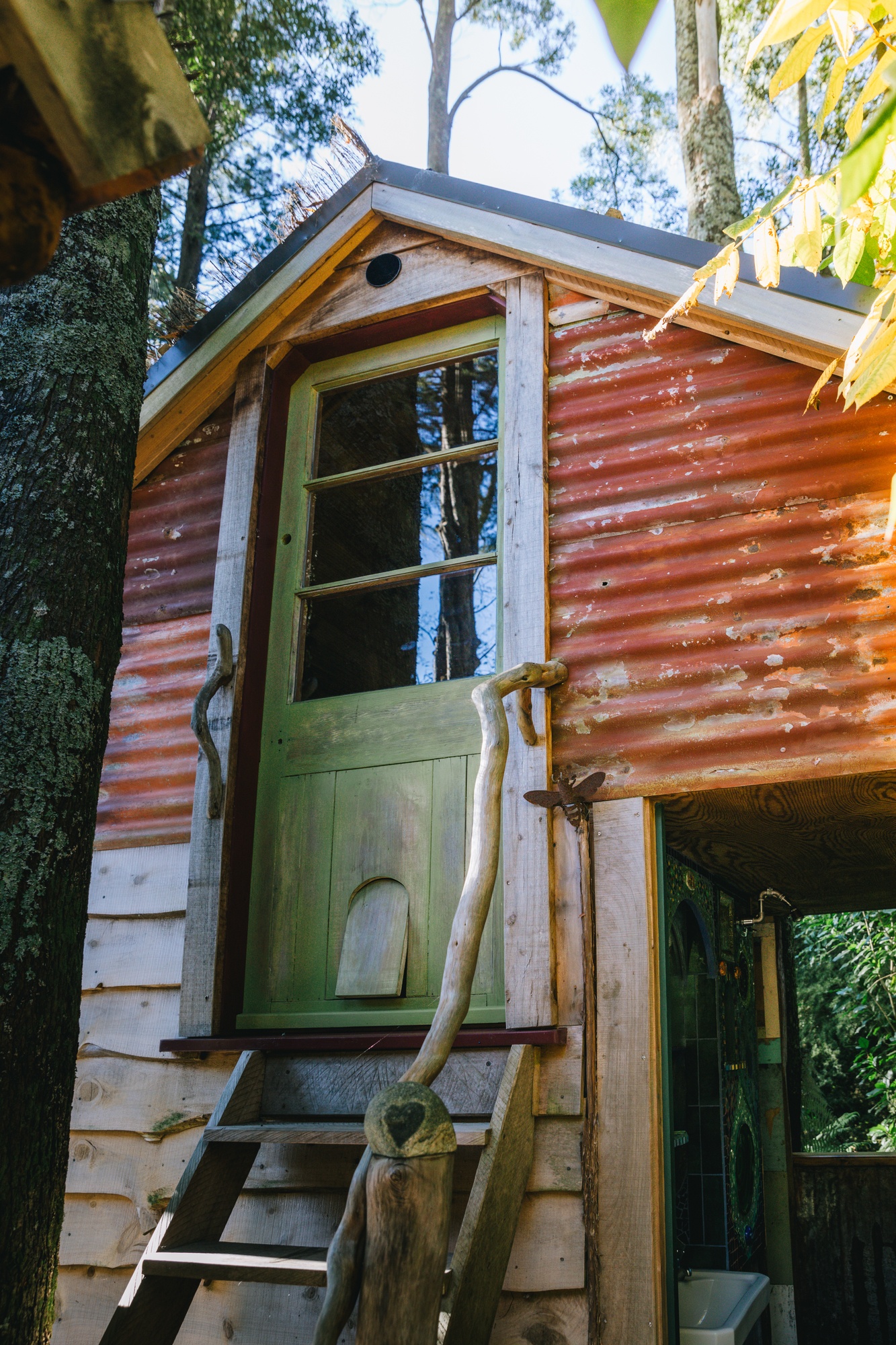
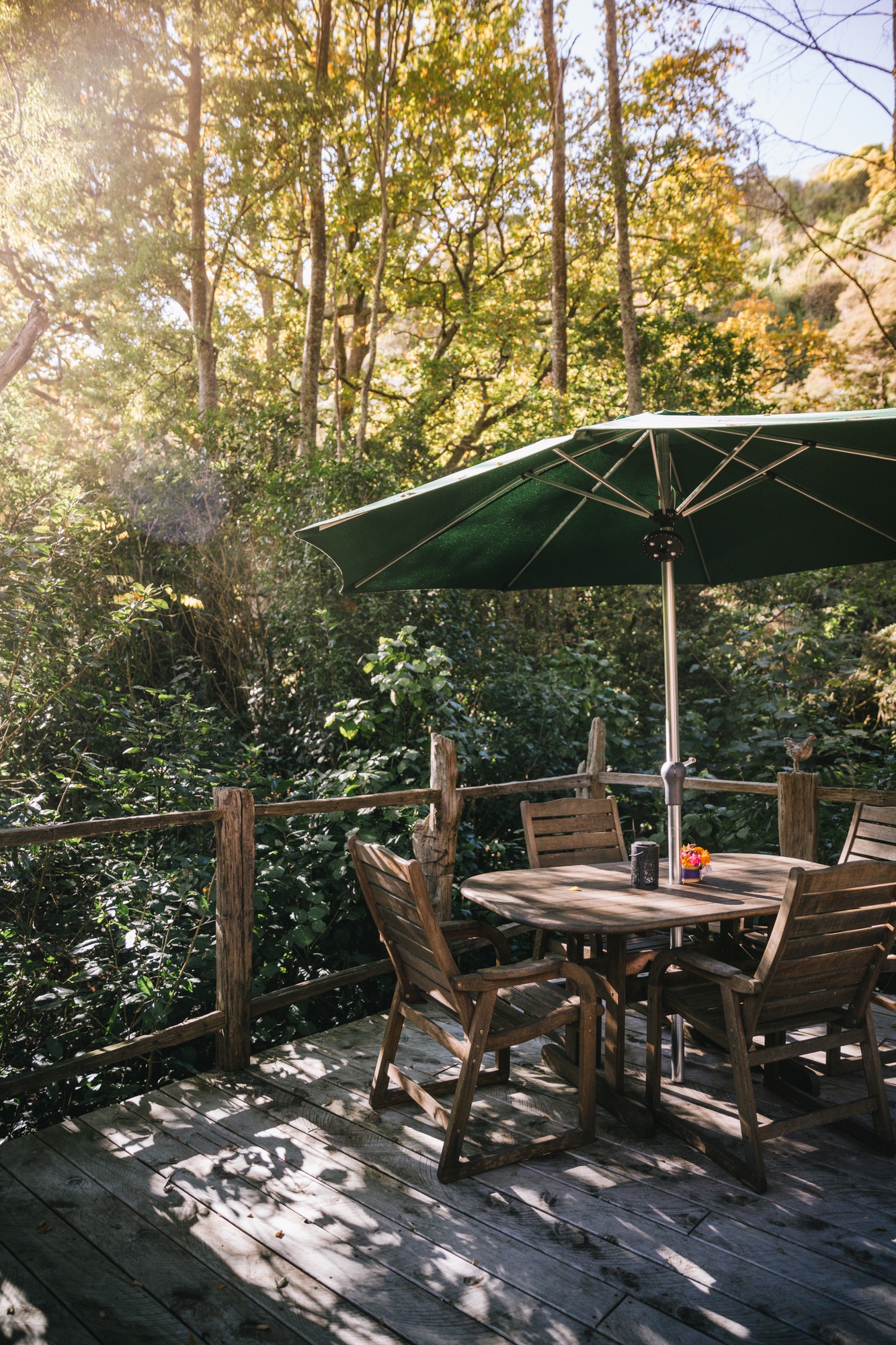
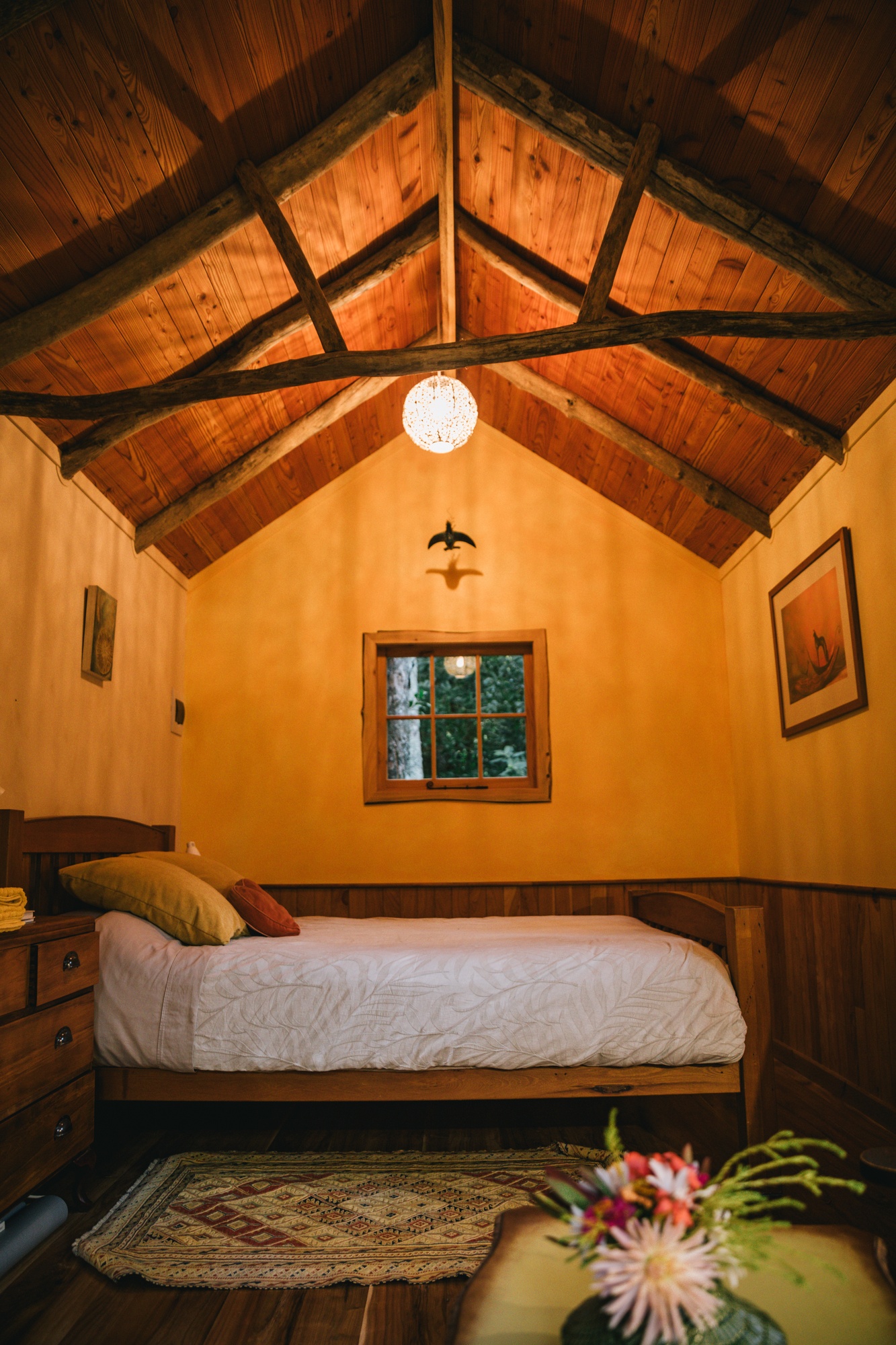
Properties such as Rustic ReTreet illustrate a broader trend in regional development: the utilization of private land for sustainable, small-scale tourism that emphasizes architecture and immersion in nature. These sites often use repurposed materials and timber milled on-site, appealing to the environmentally conscious "traveling homebody" demographic. By offering high-price-point, low-occupancy stays, the region can generate significant tourism revenue without the environmental degradation associated with mass-market hotel infrastructure. This model aligns with the New Zealand Government’s "Tourism Strategy 2025," which prioritizes value over volume.
Cultural Institutions and the "Third Place"
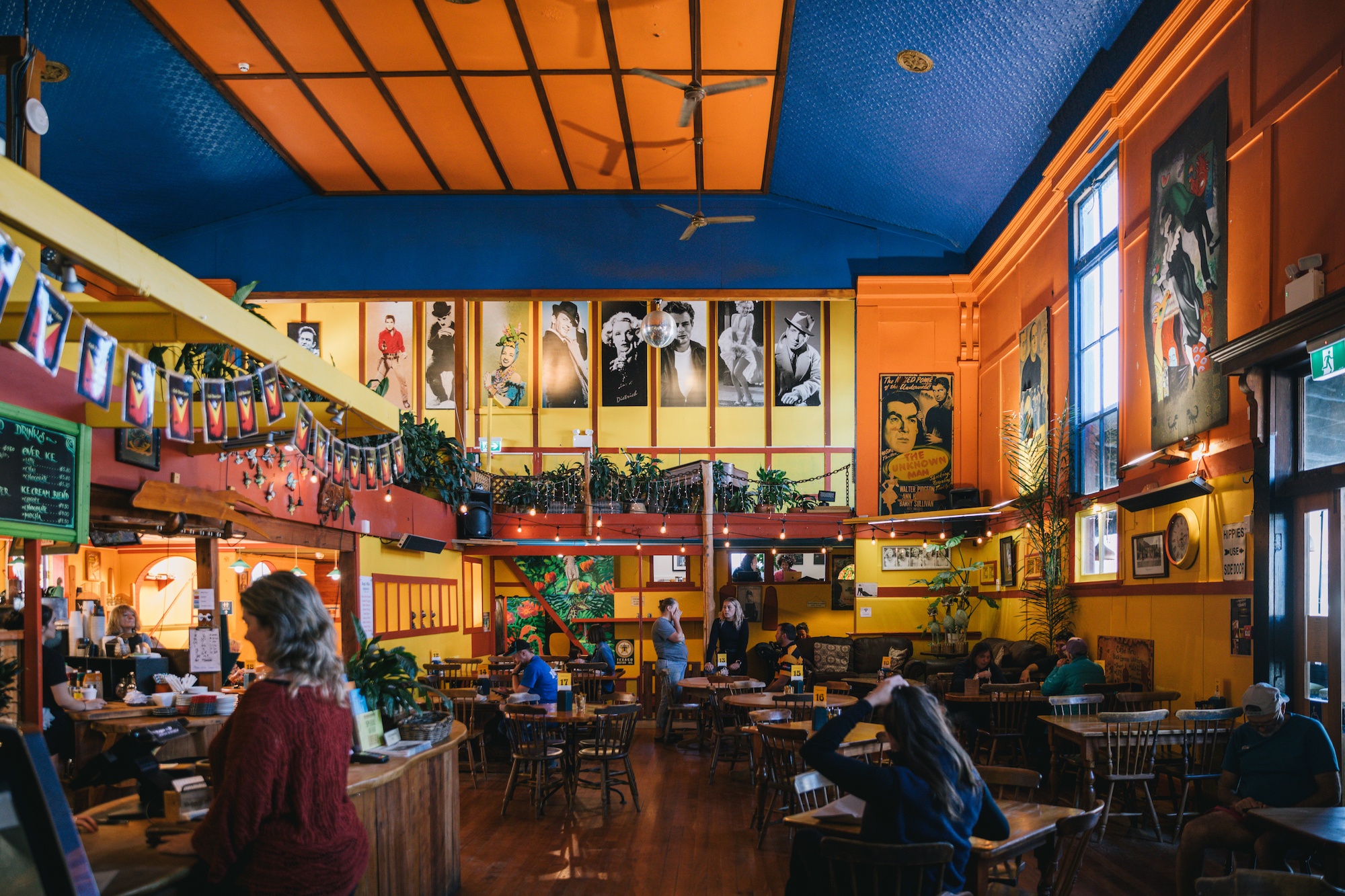
The social fabric of Golden Bay is anchored by institutions like the Mussel Inn in Onekaka. More than a restaurant or a brewery, the Mussel Inn functions as a "third place"—a social environment separate from the home and the workplace that fosters community identity. Built from macrocarpa wood and operating as an independent brewery and music venue, it exemplifies the regional commitment to localism. Such establishments are vital for regional resilience, providing a space for social cohesion in a geographically isolated area.
Broader Impact and Future Implications
The future of Golden Bay faces a delicate balancing act between maintaining its "untouched" appeal and addressing the realities of climate change and economic sustainability. The region’s reliance on a single road over Takaka Hill remains a significant strategic vulnerability. As extreme weather events become more frequent, the cost of maintaining this link will likely increase, potentially necessitating further investment in sea and air transport alternatives.

Furthermore, the tension between tourism growth and environmental preservation remains a key policy challenge. The protection of sites like Te Waikoropupū Springs and the management of Farewell Spit require ongoing collaboration between the Department of Conservation, local iwi, and the tourism sector.

In conclusion, Golden Bay serves as a microcosm of the broader challenges and opportunities facing rural New Zealand. Its success in leveraging its geological heritage, commitment to environmental conservation, and unique socio-economic identity provides a blueprint for other remote regions seeking to develop sustainable, high-value tourism. However, the ongoing protection of its natural "taonga" and the resilience of its infrastructure will remain the primary determinants of its long-term viability as a premier destination on the global stage.