Hope on the Wing: Maverick Biologists Guide Critically Endangered Northern Bald Ibises on a New Migratory Path

In a concerted battle against extinction, a pioneering group of biologists and conservationists is demonstrating an extraordinary method of species reintroduction, teaching one of the world’s rarest birds a new migratory route. This ambitious project, spearheaded by the Waldrappteam, involves human "foster parents" imprinting on young Northern Bald Ibises (Geronticus eremita) and guiding them using ultralight aircraft across thousands of kilometers, from their breeding grounds in Austria to wintering sites in Italy. The initiative represents a critical lifeline for a species that vanished from Central Europe centuries ago and teeters on the brink of global extinction.
The Unconventional Foster Program: Becoming "Bird Moms"
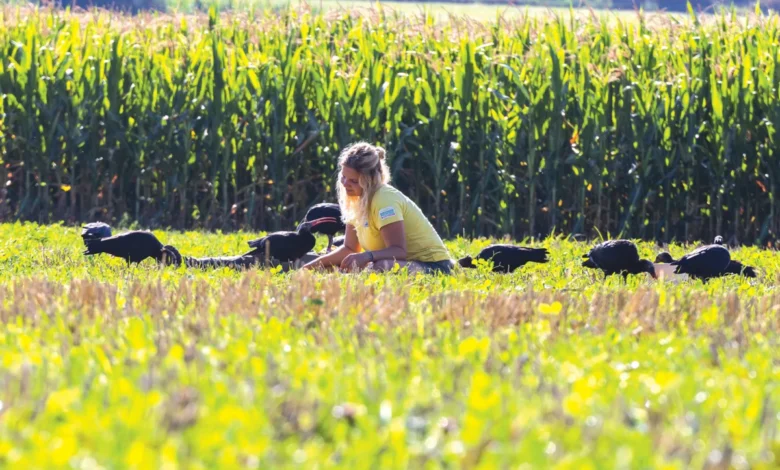
Just a few meters from an aviary nestled in southern Austria, amidst rugged mountains and expansive, lush valleys, the atmosphere was electric with anticipation. For twenty-five-year-old Barbara Steininger, April 2023 marked a momentous occasion: she was about to become a foster mom. "Not an everyday occurrence," Steininger remarked, her voice tinged with a mix of excitement and apprehension, "especially if your fosterlings are birds." Moments later, a zookeeper from Wildlife Park Rosegg gently placed two featherless, vulnerable chicks into Steininger’s warm, cupped hands. Her freckled face immediately lit up with a tender smile – two down, with thirty-three more to follow.
From that chilly spring day, Steininger and her colleague, twenty-eight-year-old Helena Wehner, assumed the role of sole caregivers for these delicate avian charges. Their devotion mirrors that of a human mother: daily cuddles, soft words of encouragement, and constant adoration, often delivered in gentle "baby speak," are considered as essential as nutrition. Eight times a day, they meticulously hand-feed the growing chicks. "Just that it’s not breast milk or formula," Wehner explained with a wry smile, detailing the specialized diet of shredded beef hearts and mice, carefully prepared to mimic the high-protein intake a natural ibis chick would receive. This unparalleled level of human dedication is reserved not for just any bird, but for some of the last remaining individuals of the Northern Bald Ibis, a species whose survival hinges on such unconventional interventions.
The Plight of the Northern Bald Ibis: A Species on the Brink
The Northern Bald Ibis, a striking migratory bird characterized by its iridescent black plumage, an unfeathered red face, and a long, curved bill, once thrived across Central Europe, North Africa, and the Middle East. Historical records, including those from the Alps, indicate a robust population until the 17th century. However, a combination of factors led to its catastrophic decline. Unregulated hunting, habitat destruction, and the widespread use of pesticides decimated their numbers, driving them to extinction in Europe by the early 17th century. By the mid-20th century, the species was considered critically endangered globally, with only a few wild colonies persisting in Morocco, Syria, and isolated parts of Turkey.
Today, the total wild population of the Northern Bald Ibis is estimated at fewer than 700 individuals, primarily concentrated in Morocco, with a small, recently rediscovered colony in Syria. The Syrian population faces extreme threats from poaching and habitat degradation, highlighting the urgent need for reintroduction programs to establish new, secure populations. The species’ classification as "Critically Endangered" by the IUCN Red List underscores the severity of its situation and the global conservation imperative.
Johannes Fritz and the Waldrappteam: A Visionary Conservation Effort
The ambitious European reintroduction program is the brainchild of Dr. Johannes Fritz, an Austrian biologist who founded the Waldrappteam in 2002. Recognizing the inherent challenges of reintroducing a migratory species that had lost its ancestral knowledge of migration routes, Fritz conceived a radical solution: to teach the birds anew. His vision was to raise ibis chicks in captivity, allow them to imprint on human caregivers, and then lead them on their first migratory journey using ultralight aircraft, thereby establishing a new, safe migratory path and wintering grounds.
The project began with meticulous research and pilot programs. The first successful human-guided migration took place in 2004, a monumental achievement that proved the feasibility of the concept. Since then, the Waldrappteam has consistently worked to establish a self-sustaining population in Europe, releasing cohorts of hand-reared birds annually. The aim is to create a viable, free-flying population that can eventually migrate independently, free from human guidance, and successfully breed in the wild.
Pioneering a New Migration: The Methodology
The methodology employed by the Waldrappteam is a testament to innovative conservation science. It hinges on the imprinting phenomenon, where newly hatched chicks form a strong bond with the first moving object they see – in this case, their human "foster parents." These caregivers, including Steininger and Wehner, spend weeks with the chicks, feeding them, playing with them, and slowly introducing them to the ultralight aircraft that will eventually become their surrogate "lead bird."
The process is meticulously structured:
- Hatching and Imprinting: Chicks are hatched in controlled environments, often at zoos or specialized facilities, and immediately exposed to their human foster parents. This critical period ensures strong bonding.
- Socialization and Training: As the chicks grow, they are socialized within their cohort and trained to follow their human caregivers, first on foot, then with bicycles, and eventually alongside the ultralight aircraft. This involves daily practice flights, gradually increasing in duration and distance.
- The Guided Migration: Once the birds are strong enough, typically in late summer or early autumn, the true journey begins. The human pilots, acting as the "lead birds," fly ultralight aircraft, with the young ibises instinctively following. The route is carefully chosen to avoid hazards, provide stopover points, and lead to suitable wintering grounds, predominantly in Tuscany, Italy.
- Wintering and Independence: Upon reaching the wintering grounds, the birds are monitored but encouraged to forage and interact independently. The hope is that by their second year, they will remember the route and undertake the migration on their own, eventually forming new breeding colonies.
The 2023 Cohort: A Glimmer of Hope Takes Flight
The 2023 cohort, totaling thirty-five Northern Bald Ibis chicks, represents a significant investment in the future of the species. Raised with the unwavering dedication of "bird moms" like Barbara Steininger and Helena Wehner, these young ibises transitioned from their initial aviary confines to daily practice flights in the open Austrian skies. Johannes Fritz, overseeing the project, observed these practice sessions with a critical eye, ensuring the birds developed the necessary strength, coordination, and adherence to the ultralight aircraft. The practice flights, often depicted in striking photographs, show the unique sight of humans flying alongside their avian charges, a powerful symbol of interspecies collaboration.
The specific challenge for the 2023 group was to reinforce the new, established migratory corridor, which spans approximately 1,000 kilometers from the breeding sites in southern Austria and Bavaria to the protected wetlands of Tuscany. This route has been carefully refined over years, identifying safe stopover points, avoiding high-risk areas, and ensuring access to sufficient food resources during the journey. The success of this cohort is crucial for bolstering the genetic diversity and numerical strength of the nascent European population.
Challenges and Triumphs on the Wing
Guiding a flock of critically endangered birds across national borders is fraught with challenges. Weather conditions can be unpredictable, demanding flexible flight plans and quick decisions from the pilots. The young ibises themselves are susceptible to exhaustion, predation from birds of prey, and unfamiliar human infrastructure. The pilots must maintain a delicate balance between leading the flock and allowing the birds to develop their own migratory instincts.
Despite these hurdles, the Waldrappteam has achieved remarkable successes. Over the past two decades, they have guided hundreds of ibises, establishing small but growing breeding colonies in various locations across Austria and Germany. These "pioneer" birds have started to breed successfully in the wild, and crucially, many have demonstrated independent migration in subsequent years, returning to their European breeding grounds without human intervention. This independent migratory behavior is the ultimate indicator of the project’s long-term viability and its potential to establish a truly self-sustaining population.
Broader Conservation Implications and Global Impact
The Waldrappteam’s Northern Bald Ibis project is more than just a species reintroduction; it’s a groundbreaking experiment in conservation science with far-reaching implications. It demonstrates the profound impact of human intervention when conventional conservation methods are insufficient. The project provides invaluable data on avian migration, social learning in birds, and the efficacy of assisted rewilding techniques. Its success offers a blueprint for other critically endangered migratory species facing similar challenges of lost migratory knowledge.
Moreover, the project fosters public awareness and engagement. The compelling narrative of "bird moms" and ultralight pilots captures the imagination, drawing attention to the broader issues of biodiversity loss and the importance of conservation. Local communities in Austria, Germany, and Italy have become invested in the ibis’s return, often celebrating their arrival and supporting conservation efforts, thereby creating a vital network of human allies for the birds.
Collaboration, Funding, and the Future Outlook
Such an extensive and long-term project relies heavily on international collaboration and sustained funding. The Waldrappteam works closely with zoos, research institutions, local governments, and a network of volunteers across Europe. Financial support comes from a variety of sources, including conservation grants, public donations, and partnerships with environmental organizations.
The long-term goal is to establish a viable, self-sustaining population of Northern Bald Ibises in Europe, numbering at least 500 individuals, capable of independent migration and breeding without further human assistance. While significant progress has been made, challenges remain. Ensuring the genetic diversity of the reintroduction stock, protecting the birds from illegal hunting and habitat destruction along their migratory routes, and mitigating the impacts of climate change are ongoing priorities.
The efforts of individuals like Barbara Steininger, Helena Wehner, and Johannes Fritz, coupled with the unwavering support of countless others, offer a powerful message of hope. In the face of ecological crisis, their dedication proves that with ingenuity, perseverance, and a deep connection to the natural world, even a species on the very edge of extinction can be guided back towards a future on the wing. The Northern Bald Ibis, once a forgotten ghost of Europe’s skies, is slowly but surely reclaiming its rightful place, one guided migration at a time.