The Essential Paris Travel Guide: A Comprehensive 5-Day Itinerary and Strategic Planning Resource for Travelers

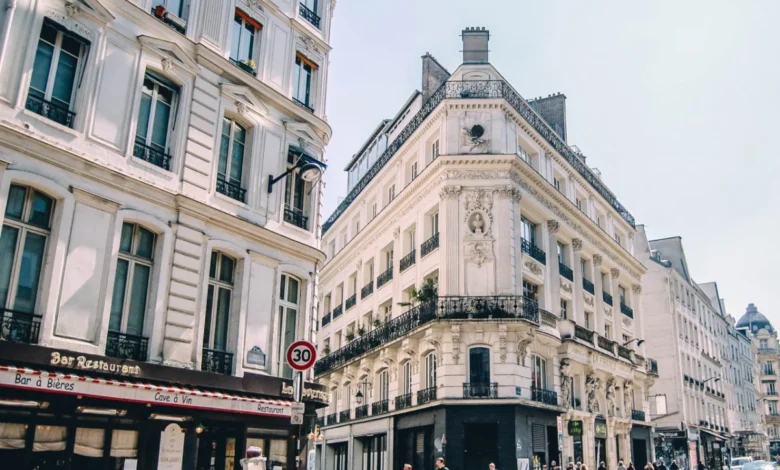
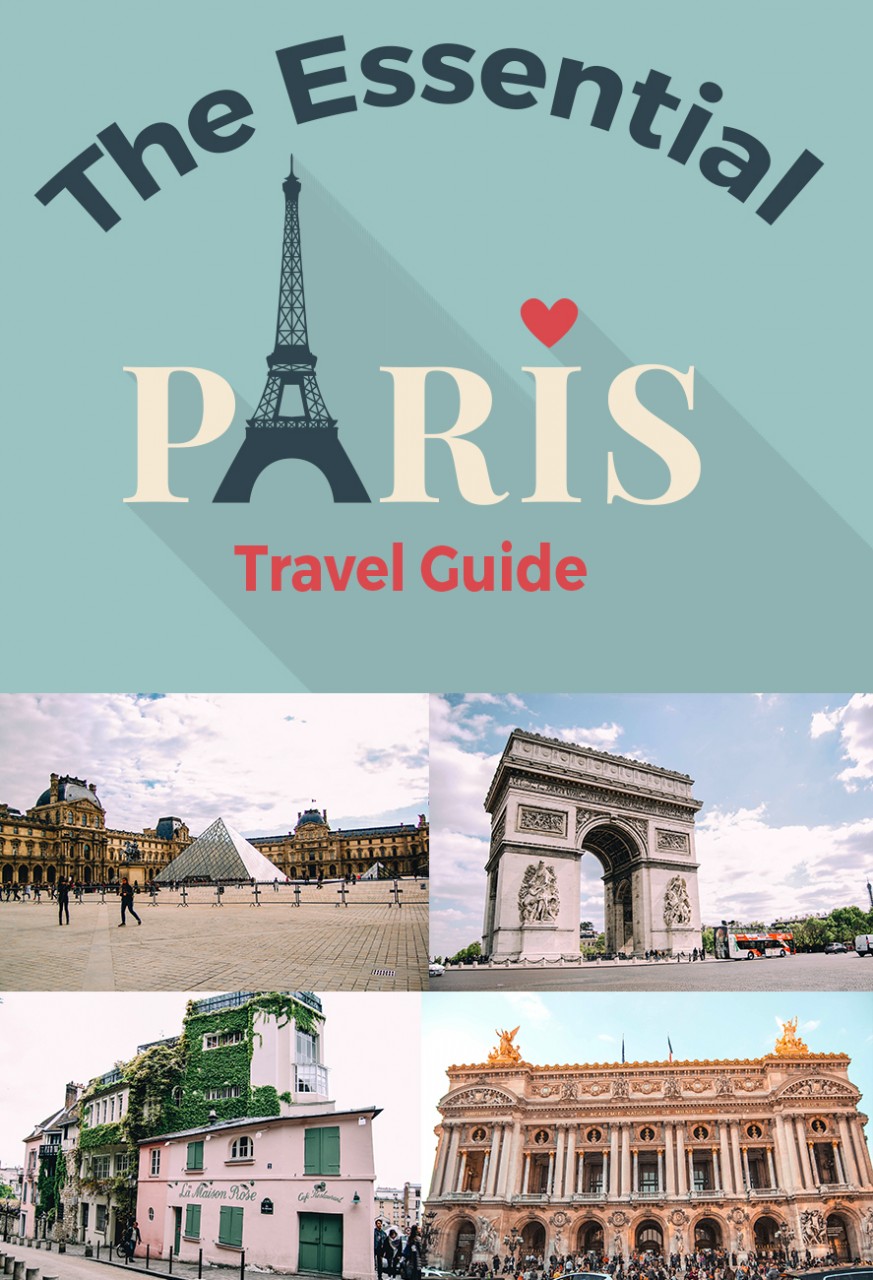
Paris remains the most visited city in the world, consistently drawing over 30 million international visitors annually to its 20 administrative districts, known as arrondissements. As the capital of France and a global center for art, fashion, and gastronomy, the city presents a complex logistical landscape for travelers. Effective navigation of the "City of Light" requires a structured approach that balances visits to high-traffic monuments with the exploration of historical neighborhoods. This guide provides a factual, data-driven framework for a five-day residency, incorporating logistical data, historical context, and cultural analysis to maximize the efficiency and depth of the travel experience.
Logistical Infrastructure and Arrival Protocols
The primary gateway for international arrivals is Charles de Gaulle Airport (CDG), located approximately 25 kilometers northeast of the city center. According to data from Groupe ADP, CDG handled over 67 million passengers in 2023, making it one of the busiest hubs in Europe. Travelers can access the city center via the Réseau Express Régional (RER) B line, which connects the airport to major hubs like Gare du Nord and Châtelet-Les Halles in approximately 35 to 50 minutes.
For regional arrivals, Paris is served by several major rail termini, including Gare du Nord (serving Eurostar and Thalys), Gare de l’Est, and Gare de Lyon. Within the city, the Paris Métro system, operated by the RATP, consists of 16 lines and over 300 stations. Statistical analysis of urban mobility suggests that the Métro is the most cost-effective and time-efficient method for navigating the city’s 105-square-kilometer footprint, as surface traffic in the central arrondissements often experiences significant congestion.
Day 1: The Imperial Axis and Architectural Landmarks
The first stage of a comprehensive Parisian itinerary focuses on the 7th and 8th arrondissements, home to the city’s most recognizable structural icons.
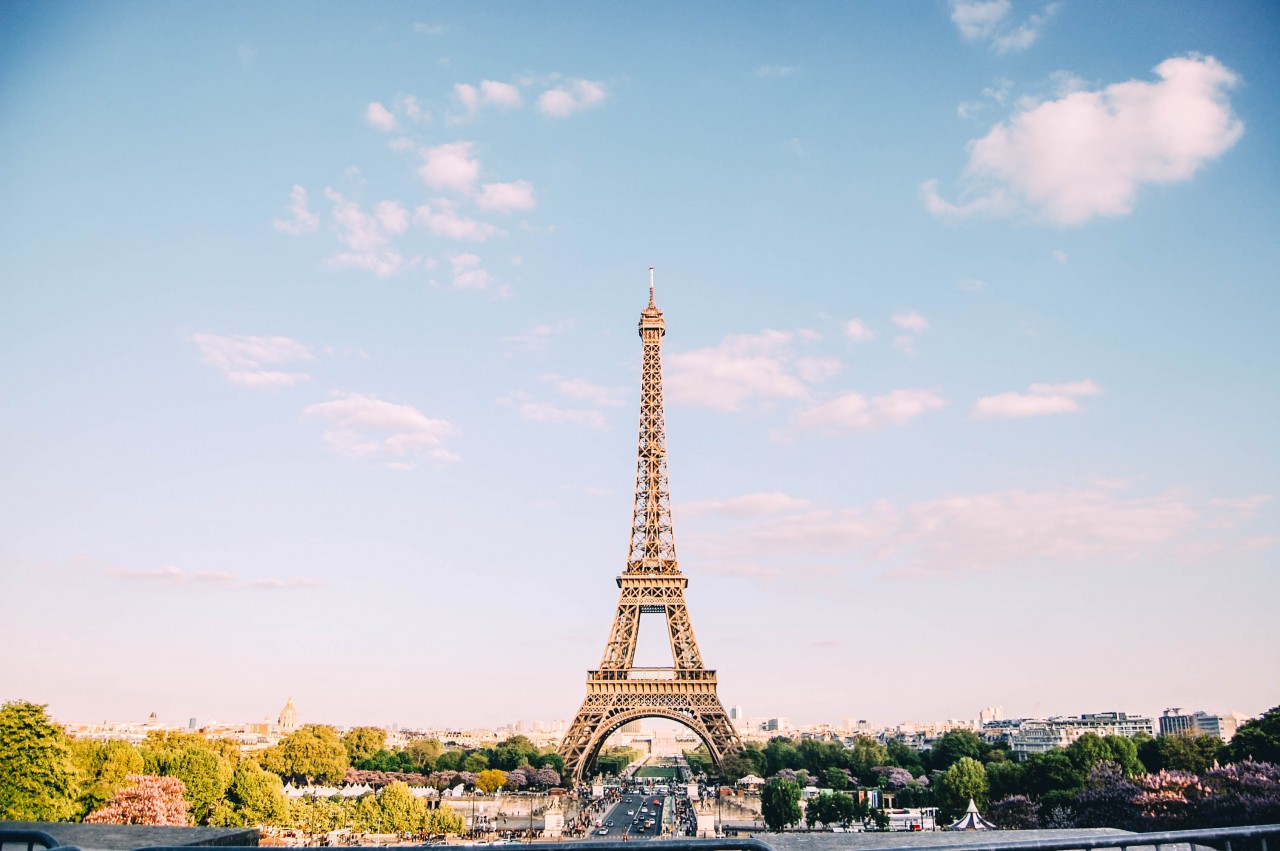
The Eiffel Tower and Trocadéro
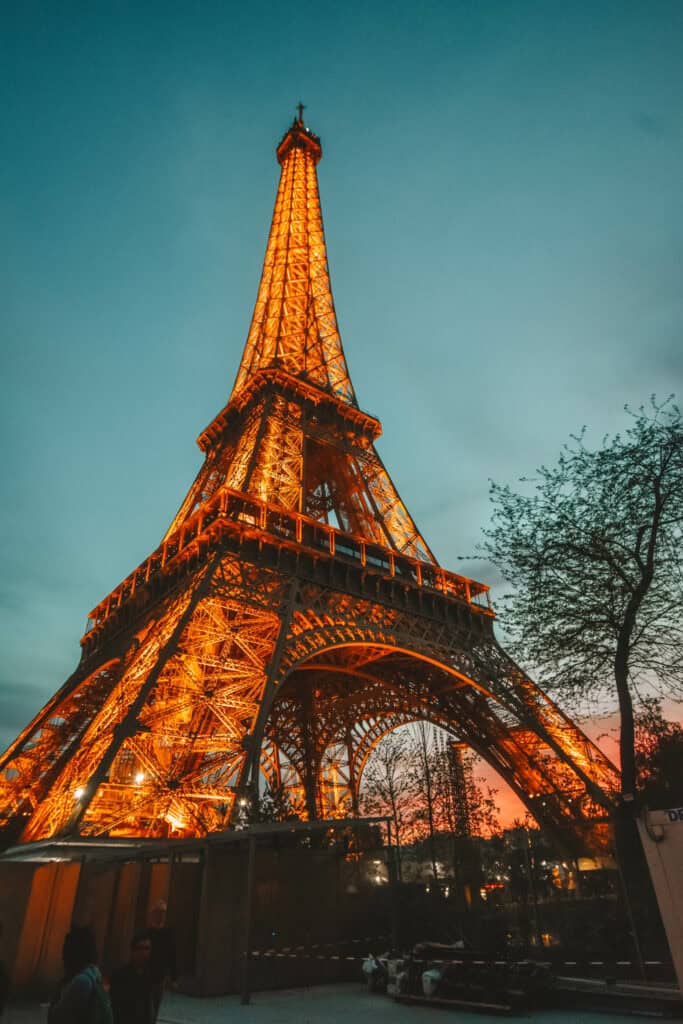
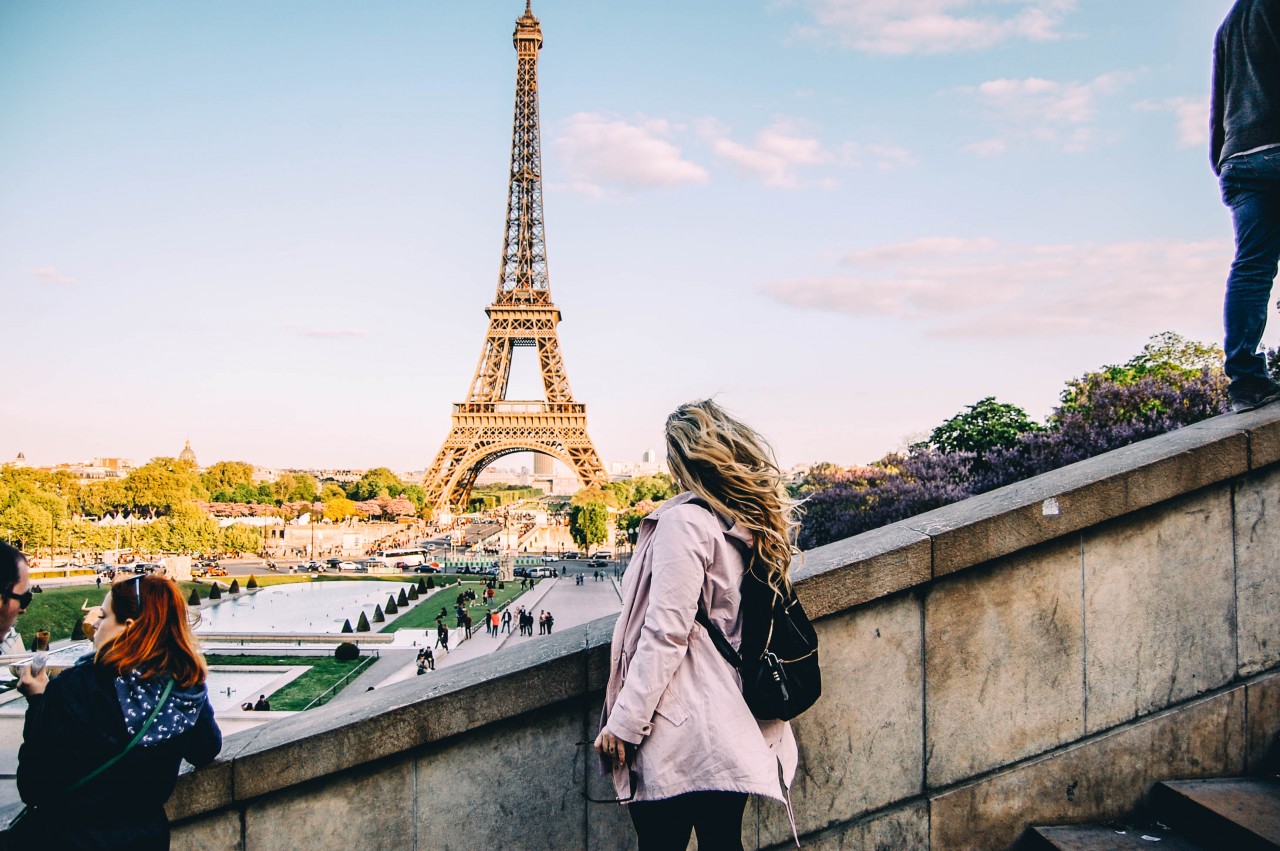
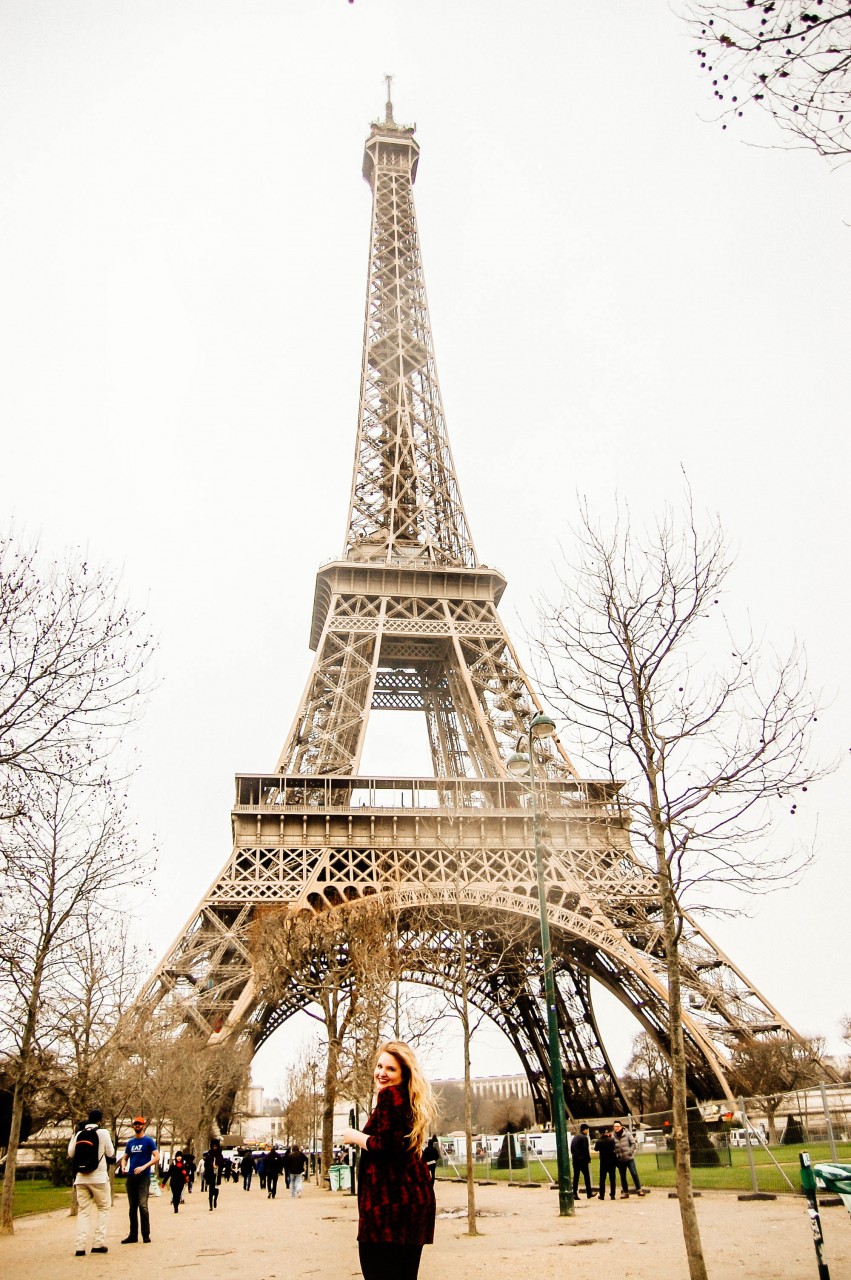
Constructed for the 1889 World’s Fair, the Eiffel Tower was originally intended as a temporary installation. Today, it serves as a primary economic driver for French tourism. To manage the high volume of visitors, the Société d’Exploitation de la Tour Eiffel (SETE) implements a tiered pricing system. As of 2024, access to the summit via elevator is priced higher than access to the second floor, with a discounted "stairs" option available for those visiting only the first two levels. Data indicates that early morning visits are essential for avoiding the peak queues that can exceed two hours during the summer months.
Arc de Triomphe and Champs-Élysées
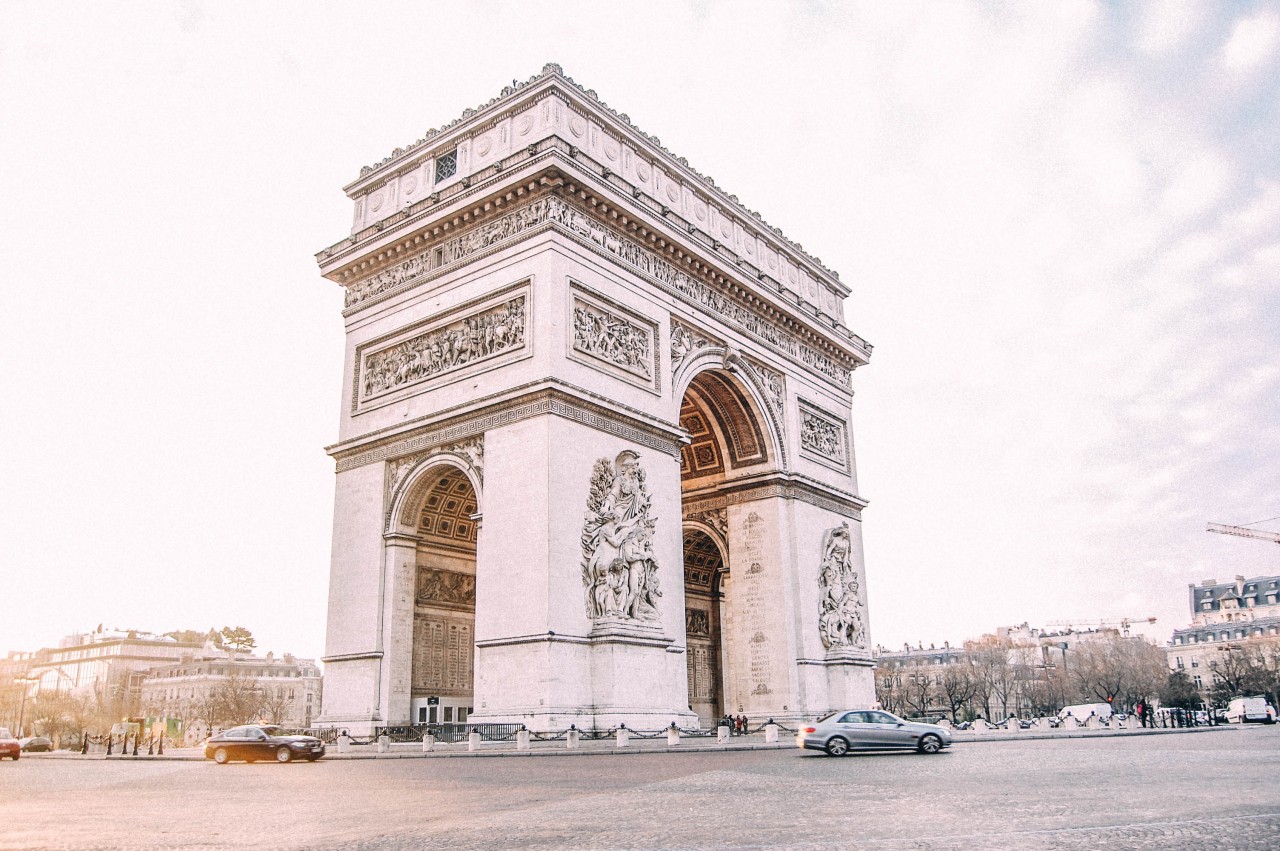
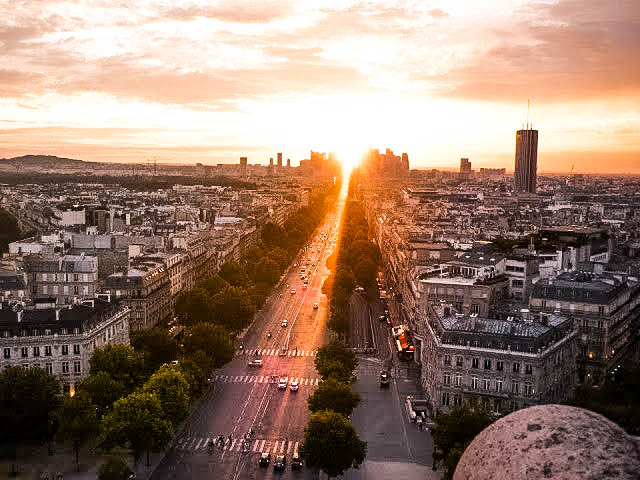
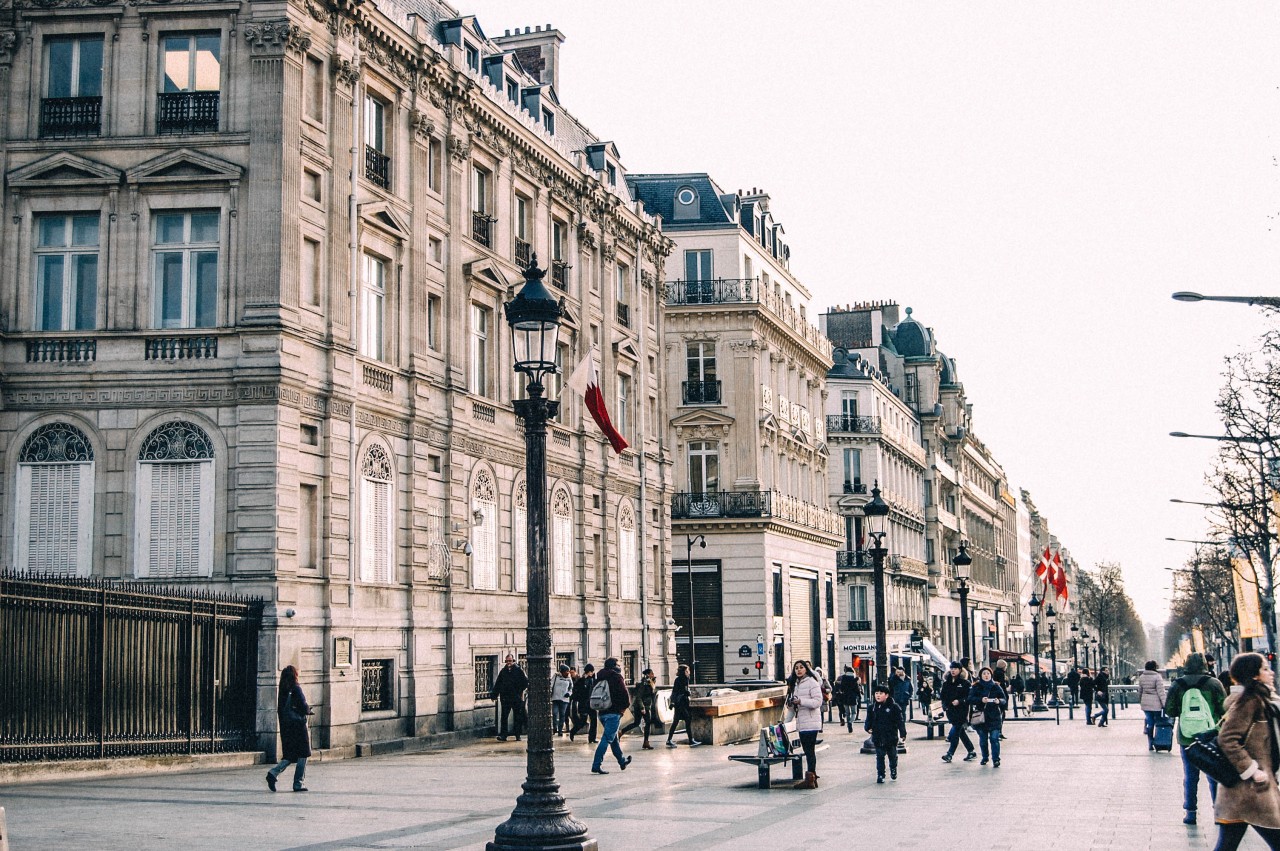
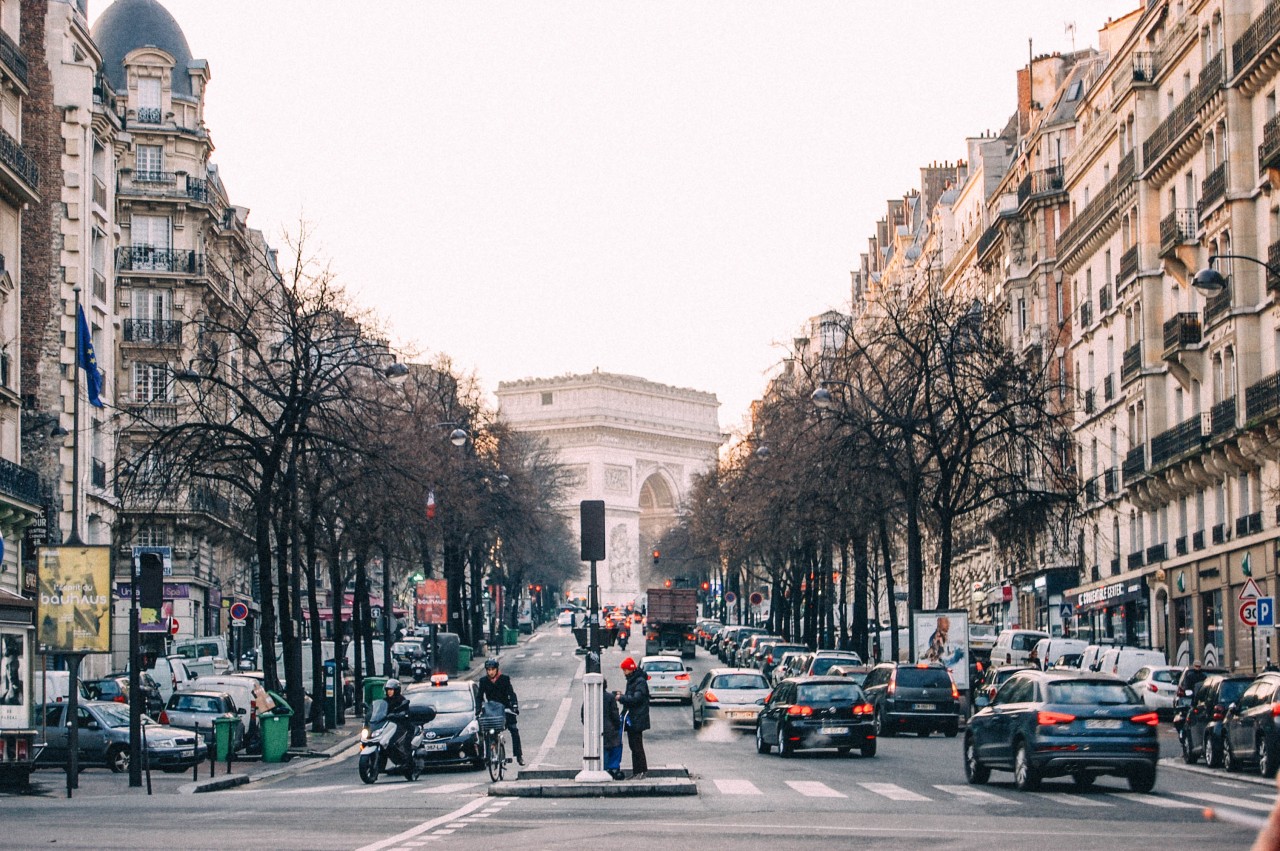
Moving northwest, the Arc de Triomphe stands at the center of the Place Charles de Gaulle. Commissioned by Napoleon in 1806, the monument serves as a focal point for French national identity. The view from the terrace, reached by 284 steps, provides a geometric perspective of the twelve radiating avenues designed by Georges-Eugène Haussmann during the Second Empire. The adjacent Avenue des Champs-Élysées remains a global benchmark for luxury retail and real estate.
The Grand Palais and Petit Palais
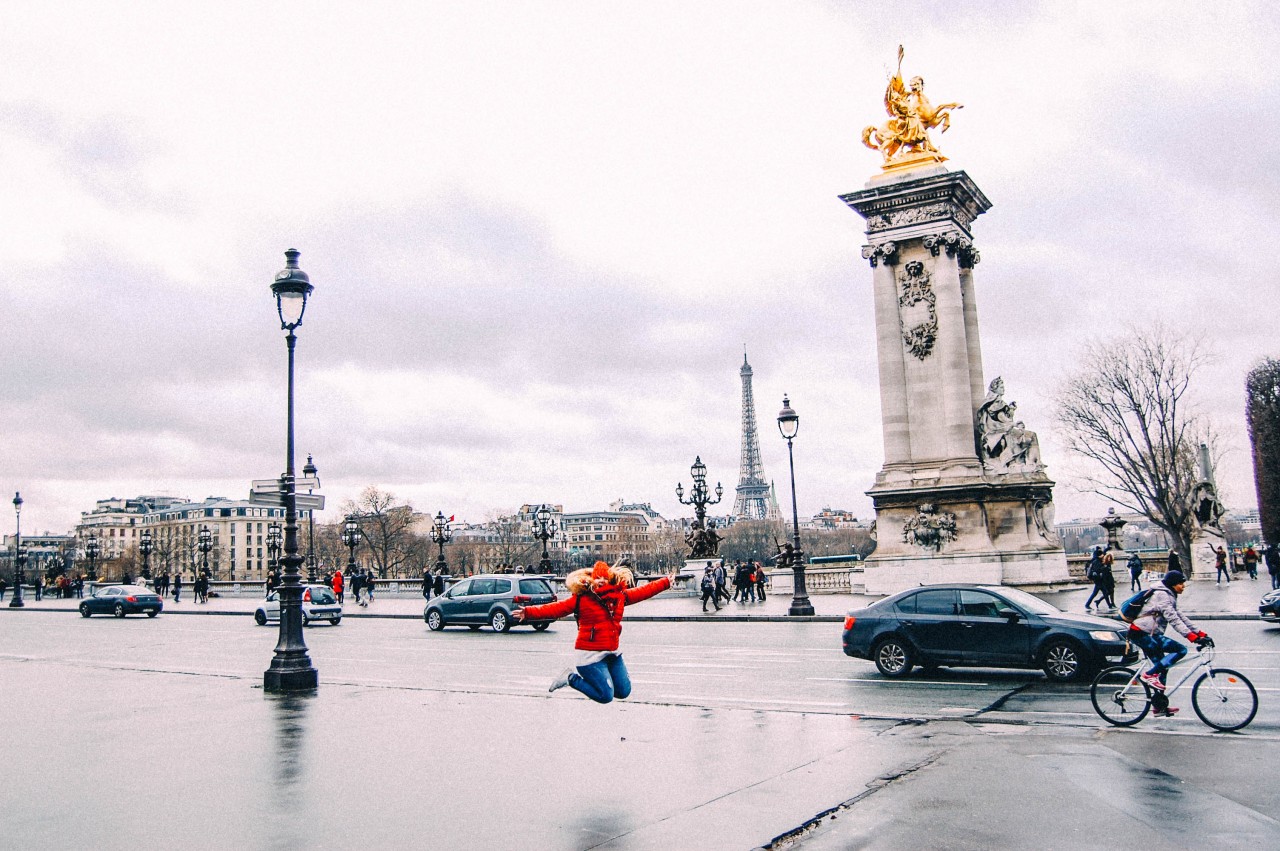
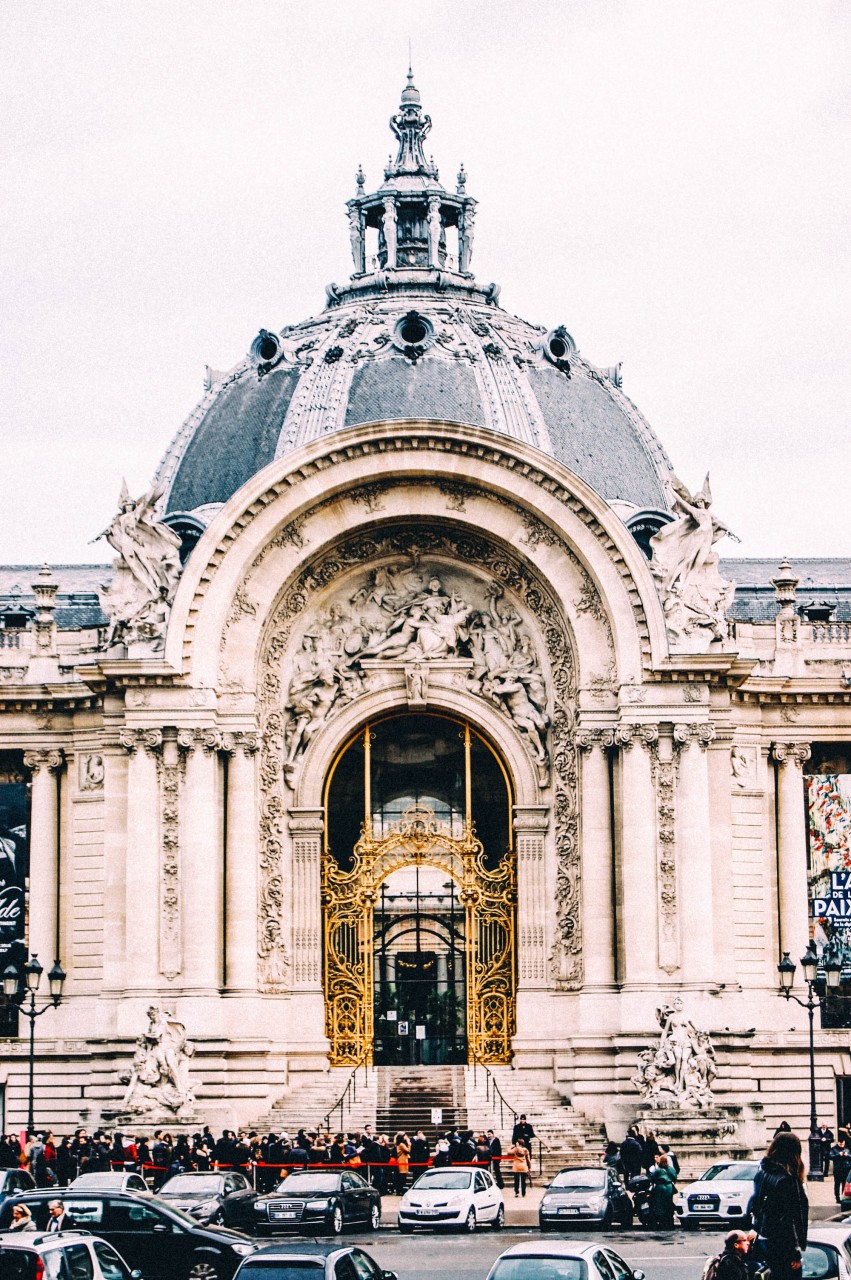
Located near the Seine, these structures were built for the 1900 Exposition Universelle. The Grand Palais is currently undergoing extensive renovations to modernize its iconic glass-and-iron roof, while the Petit Palais continues to house the City of Paris Museum of Fine Arts. These sites represent the "Beaux-Arts" architectural movement that defined the city at the turn of the 20th century.
Day 2: The Historical Core and the Latin Quarter
The second day focuses on the foundational history of Paris, centered on the Île de la Cité and the Left Bank.
Notre-Dame de Paris and Sainte-Chapelle
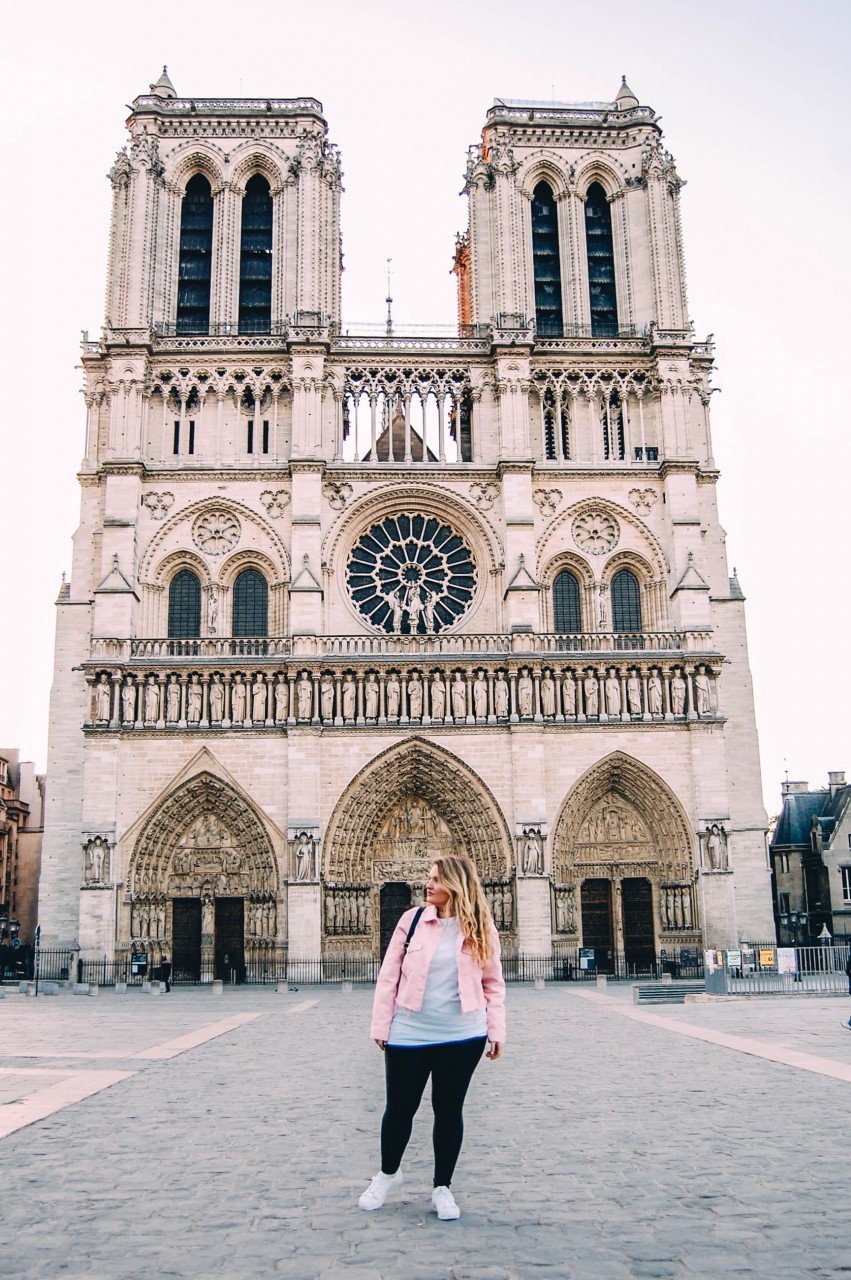
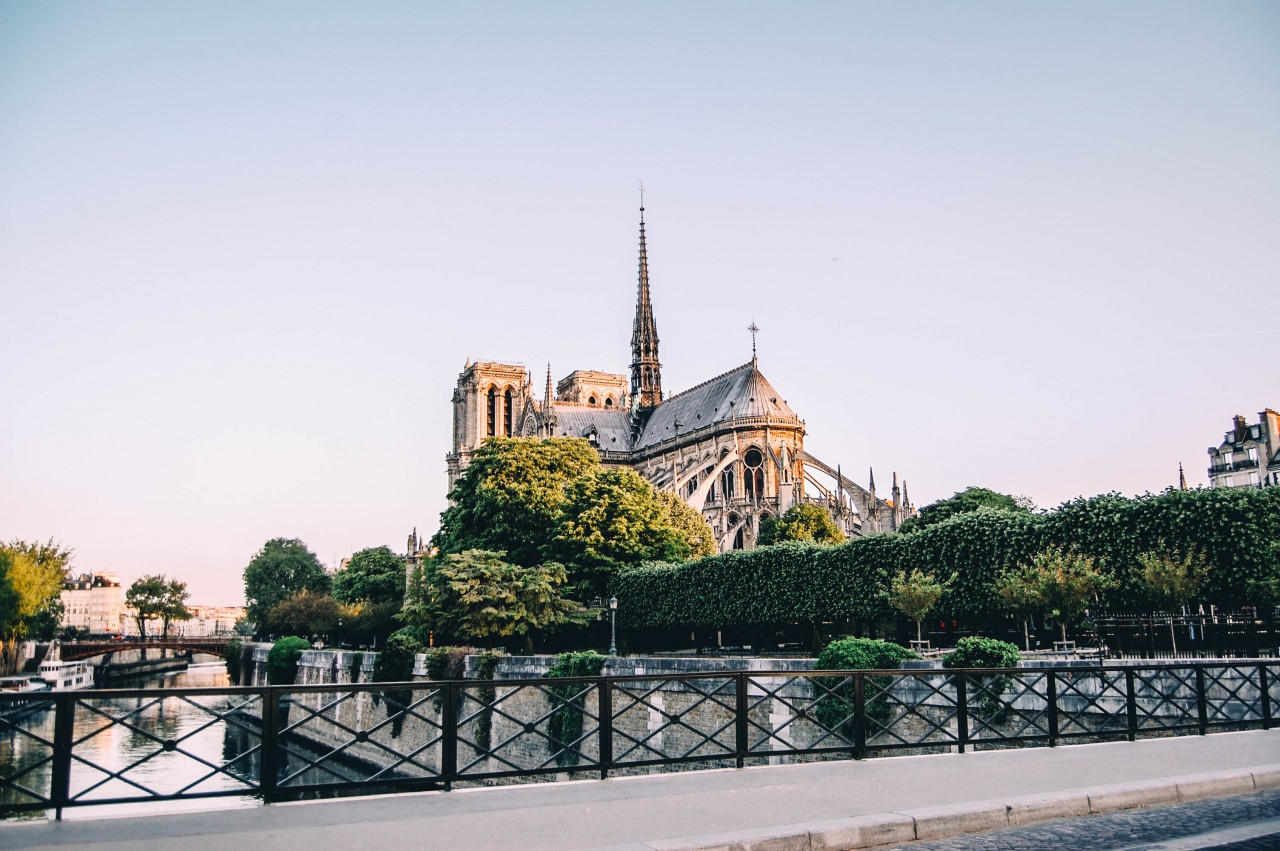
Following the catastrophic fire in April 2019, Notre-Dame de Paris has been the subject of an unprecedented international restoration effort. While interior access has been restricted, the parvis remains a site of significant cultural pilgrimage. Nearby, Sainte-Chapelle offers a factual look at 13th-century Gothic architecture. Built by Saint Louis to house the Relics of the Passion, the chapel features 1,113 stained-glass panels that depict biblical history.
The Latin Quarter and the Panthéon
Crossing to the 5th arrondissement, the Latin Quarter is defined by its proximity to the Sorbonne. The Panthéon, originally commissioned as a church, now serves as a secular mausoleum for "Great Men" (and women) of France. It houses the remains of figures such as Voltaire, Rousseau, and Marie Curie. This district represents the intellectual and academic heart of the city, characterized by narrow medieval streets that escaped Haussmann’s 19th-century urban renewal.
The Luxembourg Gardens
Commissioned in 1612 by Marie de’ Medici, these gardens serve as the green lung of the 6th arrondissement. Spanning 23 hectares, the park is a prime example of French formal gardening and serves as the seat of the French Senate, located within the Palais du Luxembourg.
Day 3: Artistic Heritage and the Evolution of Montmartre
Day three shifts focus to the 18th arrondissement, exploring the intersection of religion, art, and urban counter-culture.
Montmartre and the Basilique du Sacré-Cœur
Situated on a 130-meter-high hill, Montmartre was an independent commune until 1860. The Sacré-Cœur, a Romanesque-Byzantine basilica, was constructed between 1875 and 1914 as a national penance following the Franco-Prussian War. Economically, the area shifted from a rural vineyard district to an artistic enclave that hosted Picasso, Modigliani, and Renoir.
Cultural Centers and Cemeteries
The itinerary continues to the Galeries Lafayette, a flagship of French department store culture, notable for its Art Nouveau dome. For a deeper historical perspective, Père Lachaise Cemetery in the 20th arrondissement provides a record of international cultural history. As the largest cemetery in Paris, it serves as a final resting place for Jim Morrison, Oscar Wilde, and Edith Piaf, attracting over 3.5 million visitors annually.
Day 4: Royal Absolutism and the Parisian Underground
The fourth day requires a departure from the city center to examine the zenith of the French monarchy.
The Palace of Versailles
Located approximately 20 kilometers southwest of Paris, Versailles was the seat of political power from 1682 until the French Revolution in 1789. The estate, a UNESCO World Heritage site, includes the Hall of Mirrors, the Royal Apartments, and the extensive Gardens of Versailles. Strategic planning is required for this site; the palace is traditionally closed on Mondays. Data from the Ministry of Culture suggests that the gardens alone require a minimum of three hours to navigate fully.
The Catacombs of Paris
Upon returning to the city, the Catacombs offer a stark contrast to the opulence of Versailles. This ossuary, located 20 meters underground, holds the remains of approximately six million people, relocated from overflowing city cemeteries in the late 18th century. It represents a significant chapter in Parisian public health and urban management history.
Day 5: The Louvre and the Seine Riverfront
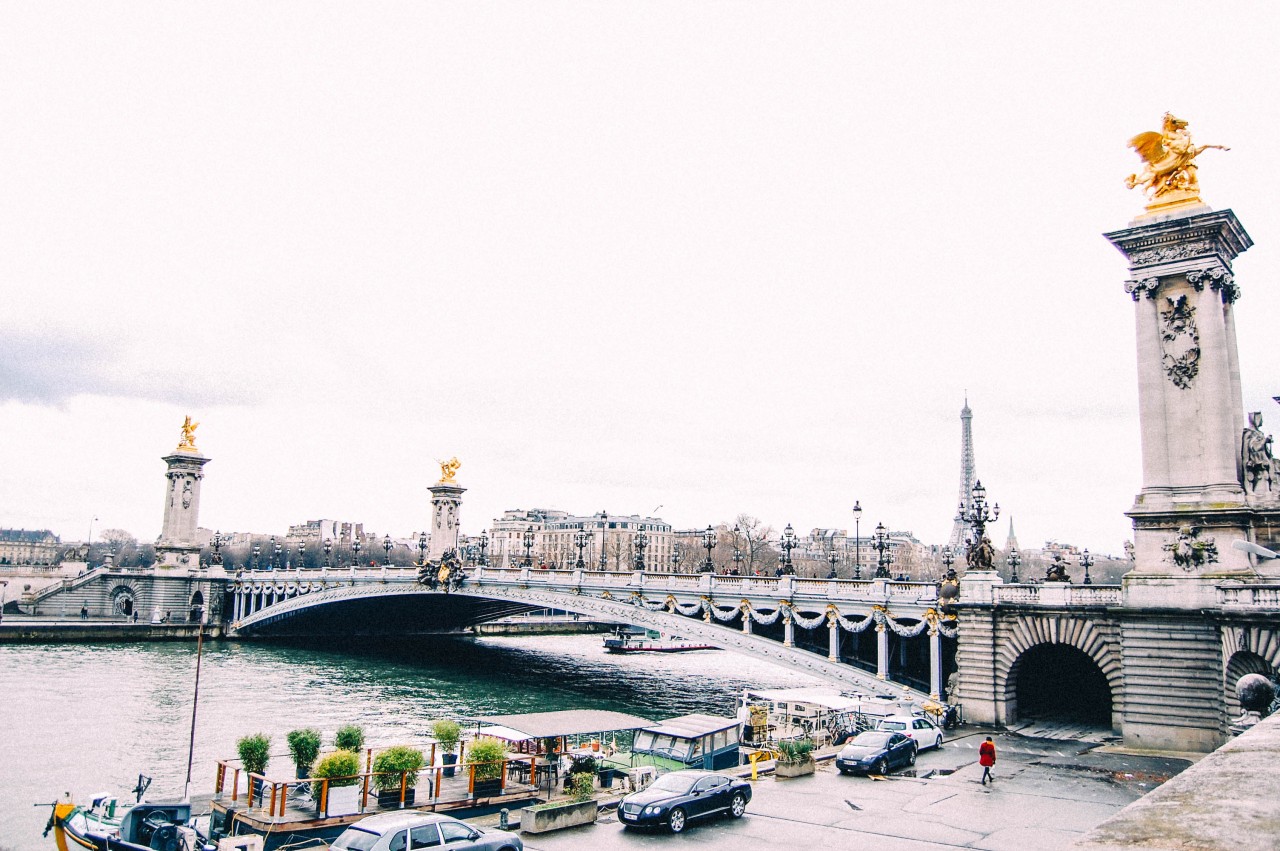
The final day is dedicated to the world’s largest art museum and the city’s primary maritime artery.
The Musée du Louvre
Housing over 35,000 works of art, the Louvre is a former royal palace that transitioned into a public museum in 1793. To mitigate "overtourism," the museum recently capped daily visitors at 30,000. Chronological exploration is advised, moving from Near Eastern Antiquities to the Italian Renaissance.
The Musée d’Orsay and Rodin Museum
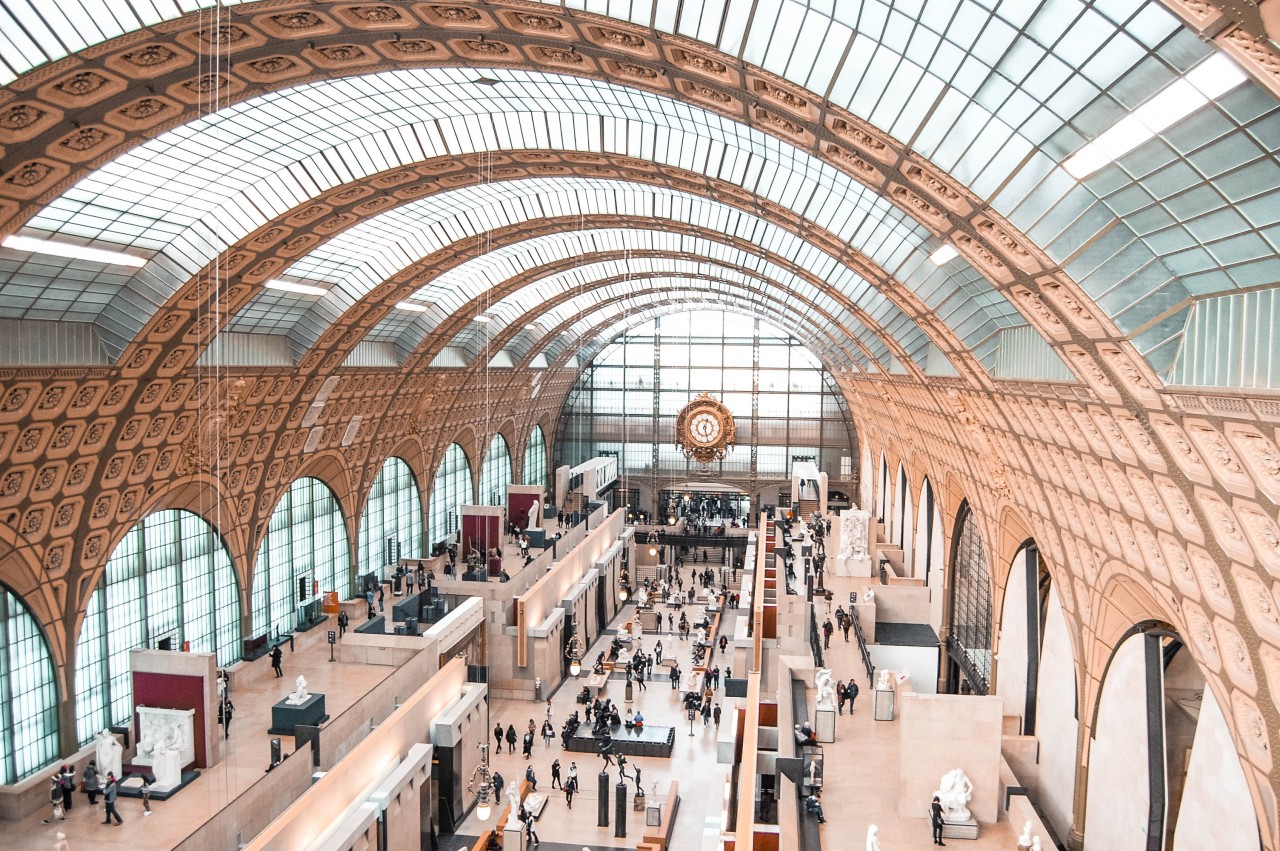
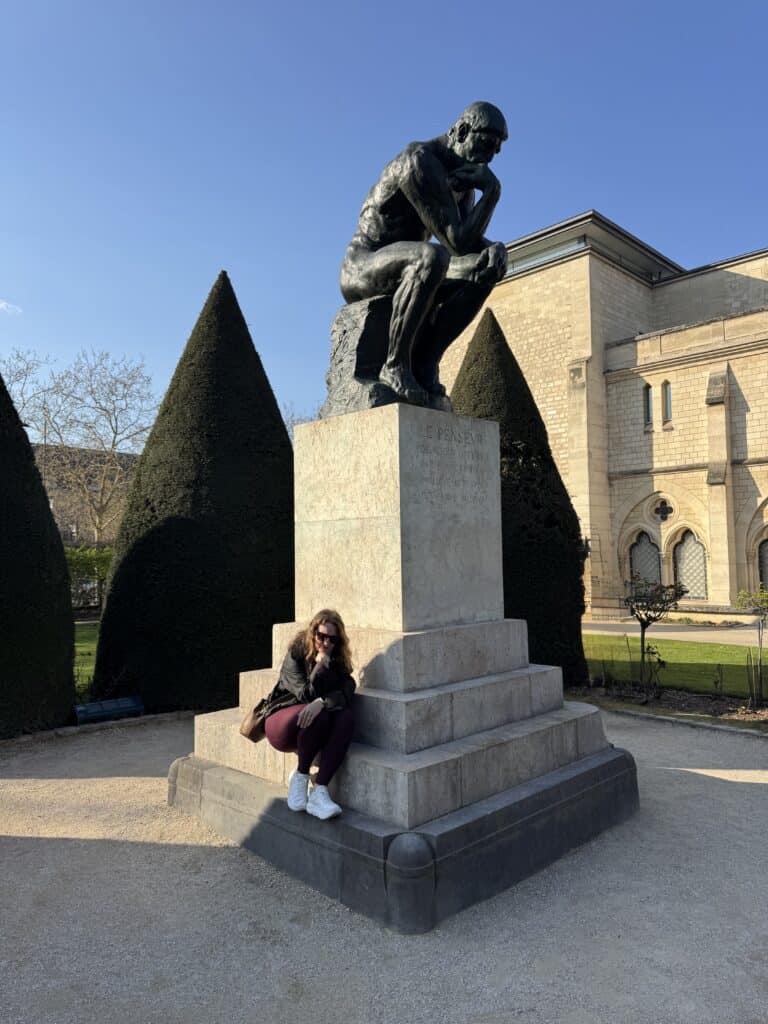
For visitors interested in the transition to modernism, the Musée d’Orsay, situated in a former railway station, houses the world’s largest collection of Impressionist and Post-Impressionist masterpieces. Meanwhile, the Rodin Museum, located in the Hôtel Biron, provides a focused look at the work of Auguste Rodin, including The Thinker, set within a three-hectare sculpture garden.
Strategic Analysis: The Economics of Tourism and Slow Travel
The Parisian tourism market is undergoing a shift toward "slow travel" and decentralized tourism. The implementation of the "Paris Pass" and other bundled ticketing systems reflects a move toward integrated visitor management. Furthermore, the 2024 Olympic Games have catalyzed significant infrastructure investments, including the expansion of the "Grand Paris Express" metro lines and the ecological restoration of the Seine.
Gastronomic and Riverine Perspectives
Parisian gastronomy is protected under the UNESCO Intangible Cultural Heritage designation. The city’s culinary economy is built on a foundation of boulangeries, which are strictly regulated by French law regarding the composition of the "traditional" baguette.
Furthermore, the Seine River cruise industry has expanded significantly. These cruises serve two functions: as a scenic transport link and as a luxury tourism product. Routes extending into Normandy (via the Seine) or through the Rhône valley offer a logistical solution for travelers seeking to explore the French interior without the complexities of multi-modal transit.
Conclusion and Future Outlook
Paris continues to adapt to the challenges of the 21st century, balancing its role as a historical museum with its needs as a modern, functioning metropolis. For the traveler, a 5-day itinerary represents the minimum required timeframe to engage with the city’s multifaceted heritage. By adhering to a neighborhood-based strategy and utilizing data-driven planning—such as booking timed entries for the Louvre and Versailles—visitors can successfully navigate the complexities of one of the world’s most significant cultural capitals. As the city moves toward a greener, more pedestrian-friendly future, the essential Parisian experience will increasingly favor those who prioritize depth and historical context over superficial sightseeing.