The city of Madrid has solidified its standing as a cornerstone of European tourism, evolving from a traditional transit hub into a premier destination for cultural, gastronomic, and urban exploration. As the geographic and political center of Spain, the metropolis serves as the primary gateway for international arrivals and a critical node in the nation’s high-speed rail network. Recent data from the Madrid tourism board, Madrid Destino, indicates that the city is experiencing a sustained surge in visitor interest, driven by a strategic focus on its "Golden Triangle of Art," its diverse neighborhood ecosystems, and its unique nocturnal social culture.
A Chronology of Modern Urban Development
Madrid’s contemporary identity is rooted in its historical role as a planned capital. Established as the seat of the Spanish monarchy by King Philip II in 1561, the city was purposefully situated at the country’s center to project power. Over the centuries, this central location allowed Madrid to absorb influences from across the Iberian Peninsula.
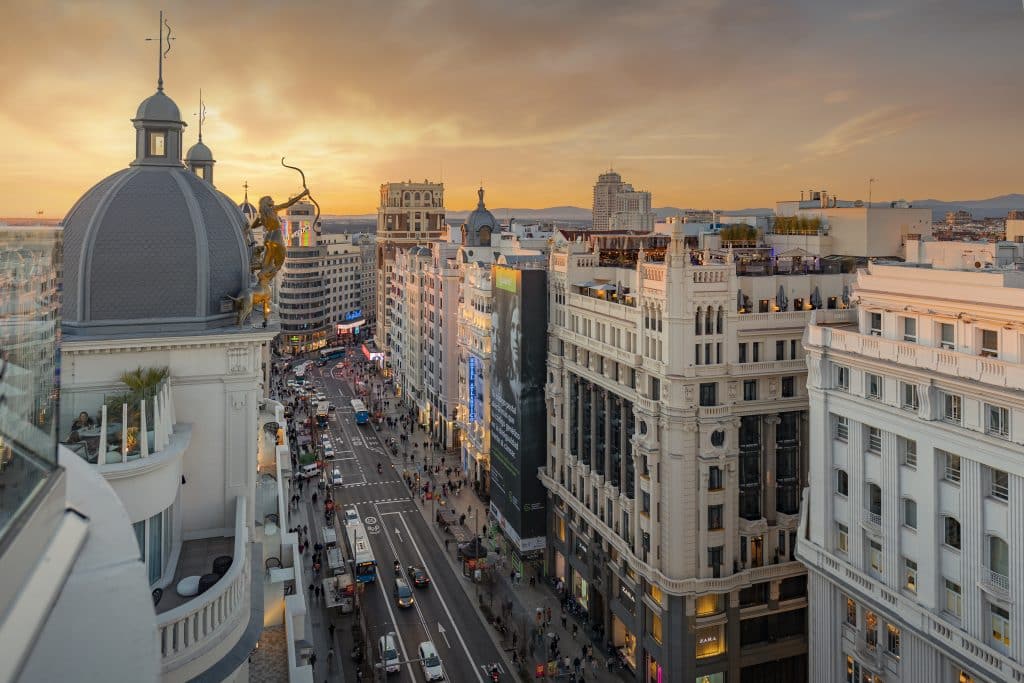
In the 19th and 20th centuries, urban planning projects such as the development of the Gran Via—modeled after the great boulevards of Paris and New York—transformed the city’s layout. By the early 2000s, the completion of major infrastructure projects, including the expansion of the Barajas Airport and the integration of the AVE high-speed train system, fundamentally altered the city’s accessibility. These developments facilitated a shift in the travel landscape, allowing Madrid to pivot from a business-centric capital to a leisure-oriented global destination.
The Golden Triangle of Art and Cultural Infrastructure
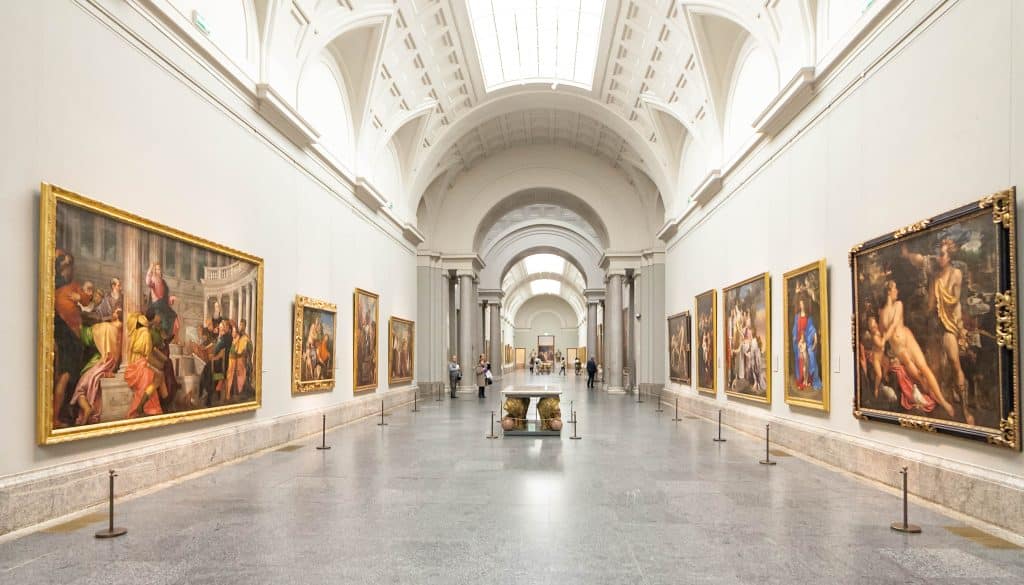
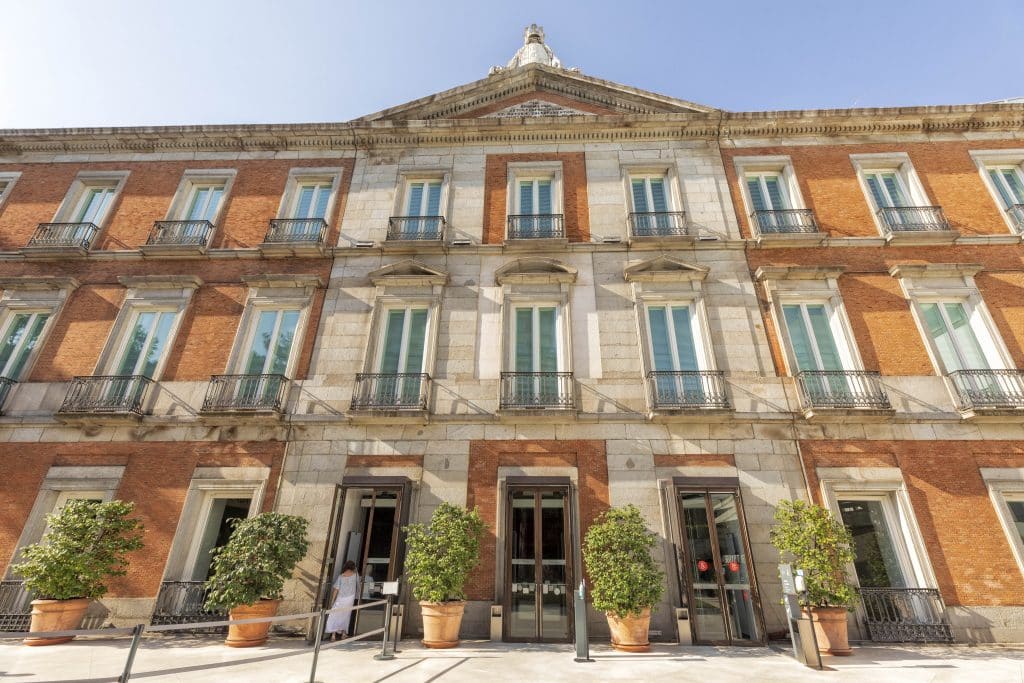
Central to Madrid’s global reputation is the "Golden Triangle of Art," a collection of three world-class institutions located within walking distance of one another along the Paseo del Prado.
- The Prado Museum: Home to an extensive collection of European art, specifically the Spanish masters such as Velázquez and Goya.
- The Reina Sofía: Focused on 20th-century and contemporary works, most notably housing Pablo Picasso’s Guernica, a monumental 1937 oil painting that serves as a cornerstone of modern art history.
- The Thyssen-Bornemisza Museum: Offering a comprehensive narrative of art history from the 13th to the 20th centuries.
Industry analysts suggest that the density of these institutions—coupled with the UNESCO World Heritage status awarded to the Paseo del Prado and Retiro Park in 2021—has created a "cultural cluster" that drives multi-day stays. Unlike cities where attractions are dispersed, Madrid’s concentrated cultural district encourages high-frequency visitation, with museum attendance figures consistently ranking among the highest in Europe.
Economic and Social Dynamics: The Tardeo Phenomenon
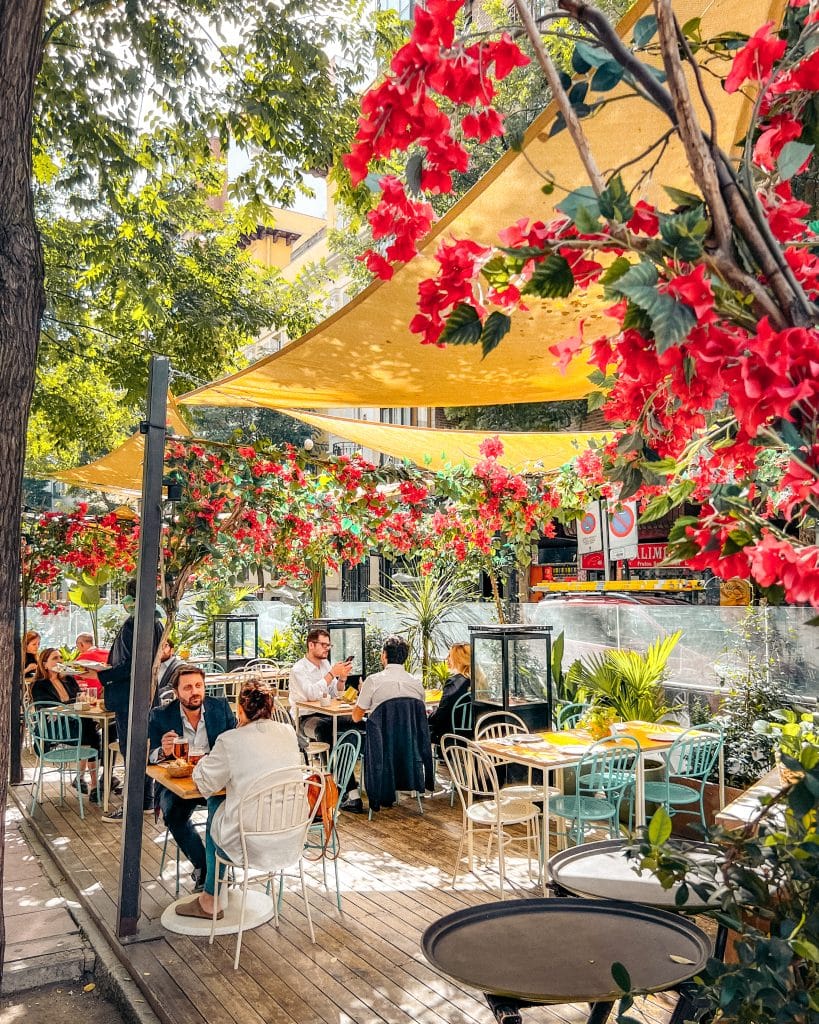
The socio-economic rhythm of Madrid is defined by the tardeo, a localized practice of extending the afternoon into the early evening. This tradition is not merely a social preference but a reflection of the city’s labor and dining cycles. With a dinner culture that typically peaks between 9:00 PM and 11:00 PM, the tardeo serves as a critical bridge in the local economy, particularly for the hospitality and retail sectors in districts like Salamanca and Chueca.
This temporal shift has significant implications for urban planning and public transit. Because the city remains active until late hours, Madrid maintains high levels of public safety and transit utility throughout the night. The Madrid Metro, often cited as one of the most efficient systems in Europe, supports this lifestyle, allowing for the seamless movement of millions of residents and visitors across the city’s varied administrative districts.
Comparative Analysis: Madrid vs. Barcelona
Market research suggests a distinct segmentation between Spain’s two largest cities. While Barcelona maintains a competitive advantage regarding coastal access and Gaudí-inspired architecture, Madrid holds the advantage in urban density, administrative centrality, and a more authentic, less tourist-centric atmosphere.
Travel data indicates that repeat visitors to Spain are increasingly opting for Madrid to experience "local-centric" urban life, favoring neighborhoods like Malasaña for its creative indie scene or Carabanchel for its emerging arts scene. This trend highlights a broader shift in global tourism, where travelers seek "authentic" urban environments over heavily curated, visitor-dependent districts.
Culinary Tourism and Market Infrastructure
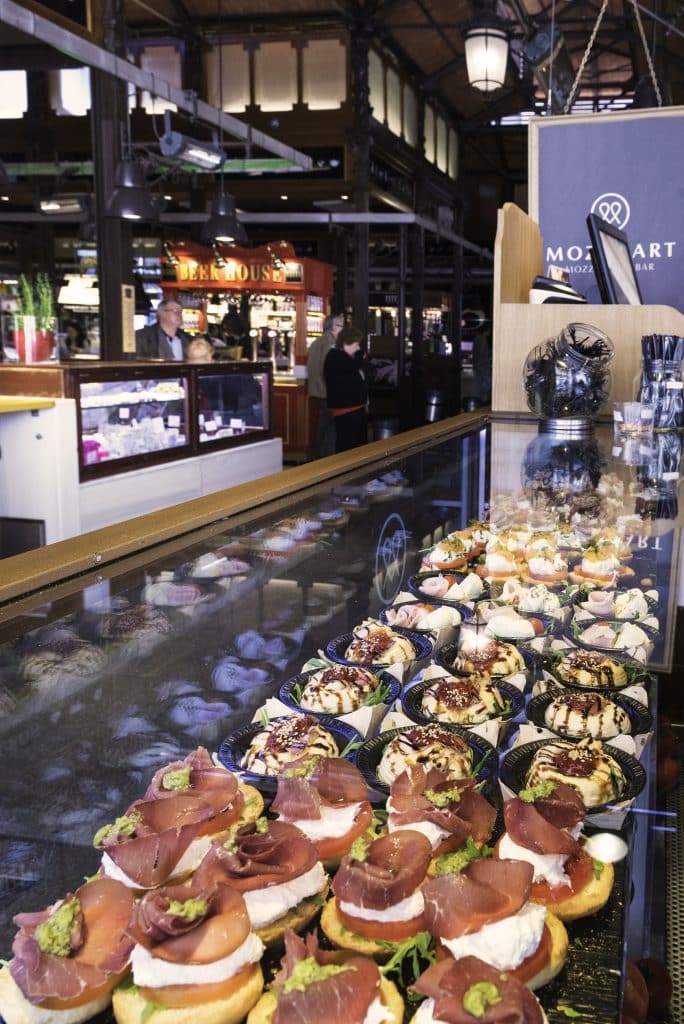
The culinary sector acts as a significant economic driver for Madrid. The city has successfully leveraged historical infrastructure to boost modern tourism, most notably through the renovation of markets like the Mercado de San Miguel. By repurposing 19th-century iron-and-glass architectures as gourmet culinary hubs, the city has created high-value experiences that showcase regional products—such as Iberian ham, cocido madrileño, and diverse tapas—in an accessible, centralized format.
The presence of numerous Michelin-starred establishments alongside traditional, century-old taverns provides a balanced dining ecosystem. This duality appeals to both high-net-worth travelers and budget-conscious visitors, stabilizing the sector against economic fluctuations.
Strategic Implications and Future Outlook
The strategic direction for Madrid, as outlined by city authorities and regional tourism boards, emphasizes year-round viability. By promoting the city as a winter destination—characterized by mild temperatures, reduced visitor density, and competitive pricing—Madrid has effectively mitigated the "summer slump" common to many European capitals.
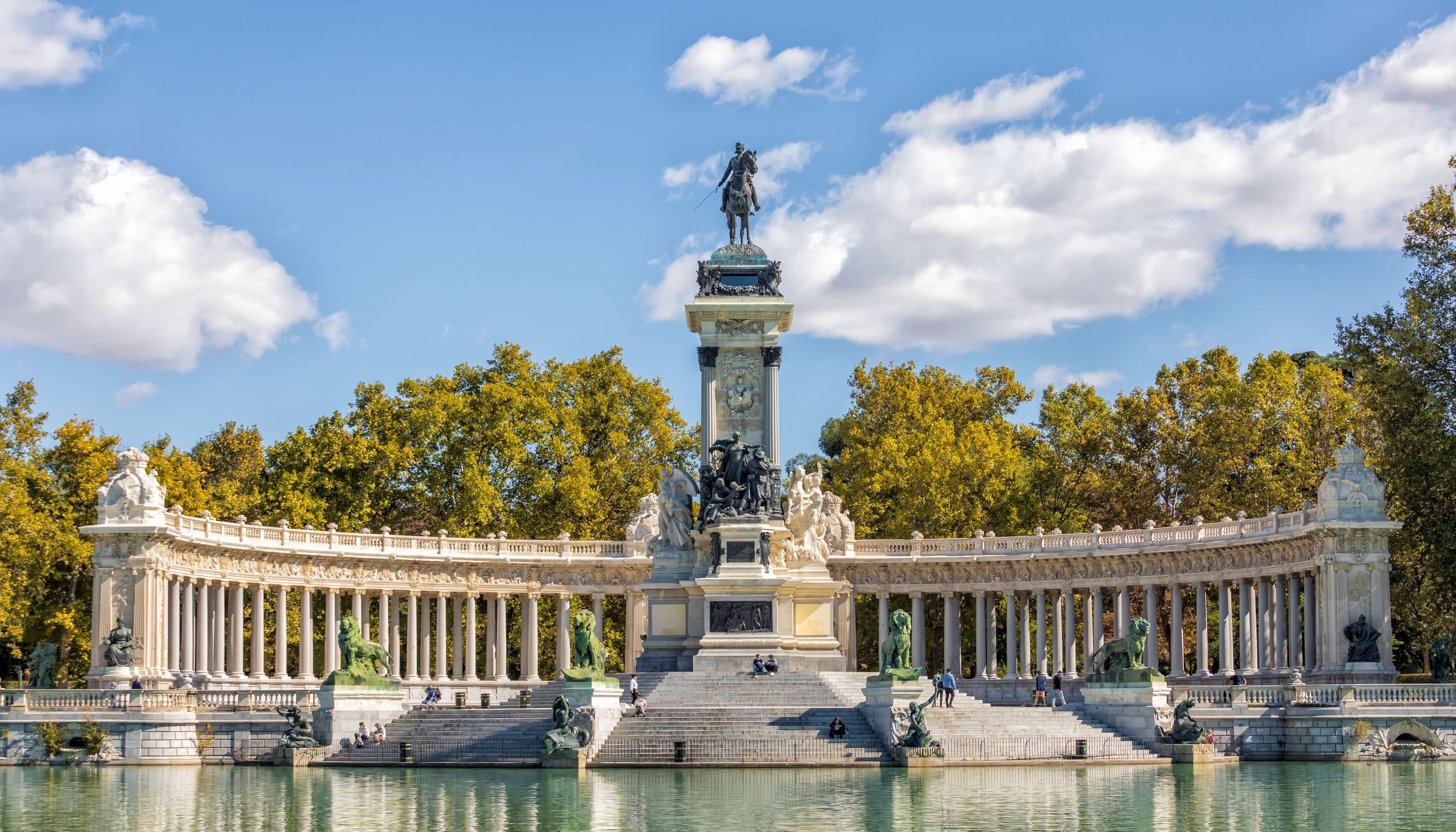
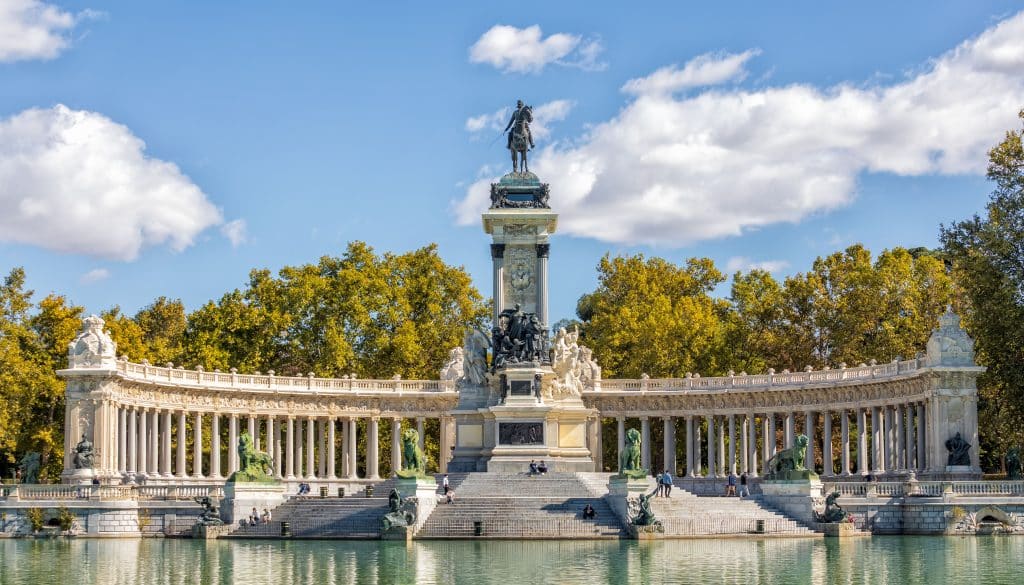
Furthermore, the city’s investment in green infrastructure, specifically the massive Retiro Park, serves as an essential counterweight to its dense urban core. The integration of nature into the city’s central grid has been a key factor in attracting long-term visitors.
Looking ahead, the expansion of the high-speed rail network connecting Madrid to peripheral regions—such as Andalusia and the Mediterranean coast—continues to reinforce its position as the indispensable hub of the Iberian Peninsula. For both the traveler and the analyst, Madrid represents a mature, well-integrated urban model that balances historical preservation with the demands of a modern, globalized society. Its ability to maintain its identity while accommodating a growing influx of international visitors remains the primary indicator of its long-term success as a world-class capital.