Navigating Paradise: A Family Guide to Finding Balance and Slow Travel in Phuket, Thailand

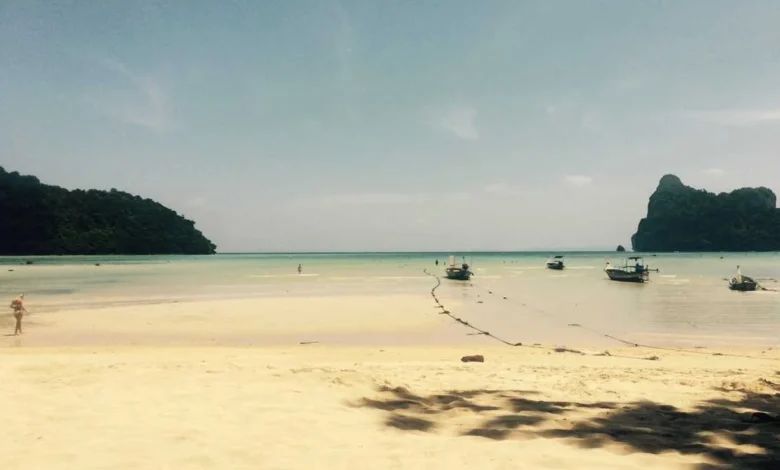
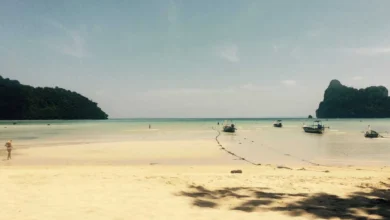
When modern families envision a tropical getaway, destinations like Phuket, Thailand, frequently emerge as the quintessential ideal, invoking mental images of traditional long-tail boats gliding across turquoise waters, expansive white-sand stretches, and swaying palm fronds. However, beneath the global reputation of Thailand’s largest island as a high-energy tourist hub lies a deeply functional, highly adaptable destination well-suited for families navigating the unique logistical demands of traveling with young children. A week-long sojourn on the island reveals that the most enduring memories rarely stem from checked boxes at high-profile tourist landmarks; instead, they often materialize through unhurried mornings, neighborhood culinary excursions, and spontaneous detours far removed from the crowded resort corridors.
Strategic Accommodation: The Villa Experience vs. Traditional Resorts
For parents traveling with young children, the choice of accommodation frequently dictates the overall success of the itinerary. Traditional resort models, while offering amenities and housekeeping, often impose rigid schedules, spatial constraints, and high-density environments that can exacerbate the natural unpredictability of childhood routines.
Recognizing these challenges, many experienced family travelers are shifting toward private holiday rentals. Local property experts emphasize that utilizing regional management agencies rather than global booking aggregators provides a distinct operational advantage. Localized providers can offer immediate, on-the-ground support, maintenance, and personalized recommendations that distant digital platforms cannot replicate.
Opting for a three-bedroom private villa on Phuket’s vibrant west coast provides a practical blueprint for multi-day family travel. Such properties typically feature dedicated living quarters, fully equipped kitchens, and private swimming pools, affording families the autonomy to dictate their own daily chronology. Rather than contending with crowded breakfast buffets or forced hotel checkout times, families can curate an organic schedule where children have secure spaces to play, meals align with natural hunger cues, and rest periods are protected from external disruptions. Industry data consistently indicates a rising preference for self-catered villas among multigenerational and family travelers, driven by the desire for privacy, economic efficiency regarding meals, and controlled environments for toddlers.
Geographical Realities and Neighborhood Dynamics
First-time visitors frequently underestimate the sheer scale of Phuket. Spanning approximately 543 square kilometers (210 square miles), the island is geographically diverse, with the international airport situated on the northern extremity while civilization stretches southward through a fragmented mosaic of distinct beach communities. Each coastal enclave possesses a highly specialized character:

- Patong: Renowned globally for its vibrant nightlife, Patong also offers a surprisingly family-friendly daytime infrastructure. Its expansive crescent beach provides ample space for children, while a dense concentration of supermarkets, medical facilities, and international restaurants simplifies daily logistics.
- Kamala, Kata, and Karon: These mid-island communities offer a balanced compromise, featuring well-maintained swimming beaches with calmer waters during the high season, alongside a slightly more subdued atmosphere than Patong.
- Nai Harn and Ya Nui: Nestled on the southern tip of the island, these areas represent a distinct departure from commercialized tourism. Characterized by protected bays, minimal high-rise development, and a strong connection to local nature, the southern coast appeals directly to families seeking an unhurried, pastoral beach experience.
Choosing a centrally located base, such as Patong, allows families to maintain logistical proximity to essential services while facilitating manageable day trips to the island’s quieter southern and eastern peripheries.
The Economics and Logistics of Family Travel in Phuket
Traveling internationally with small children requires a careful balance between financial predictability and experiential richness. Thailand’s tourism sector operates on a tiered economic model where high-end international resorts coexist with highly accessible local markets, street-food vendors, and mid-tier private rentals.
Logistical ease serves as a primary metric for family satisfaction. Phuket’s transportation infrastructure has evolved significantly, featuring metered taxis, ride-hailing applications like Grab, and readily available car rentals equipped with child safety seats upon request. Furthermore, the island’s healthcare infrastructure—exemplified by internationally accredited facilities such as Bangkok Hospital Phuket—provides a crucial safety net for parents traveling with pediatric populations.

Daily expenditures for a family of four staying in a private villa typically range from moderate to high, depending heavily on dining choices. While Western-style establishments and resort dining incur standard international pricing, integrating local neighborhood markets, convenience stores, and casual seaside eateries significantly optimizes the travel budget. The culinary tradition of selecting fresh seafood directly from vendors at southern markets like Rawai and having nearby kitchens prepare the catch provides both an interactive educational experience for children and a cost-effective alternative to formal dining.
Cultural Integration: Beyond the Resort Gates
To truly understand Phuket’s historical identity, families must venture inland and eastward away from the coastal fringes. Phuket Town, the island’s administrative and historic capital, offers an architectural and cultural landscape shaped by centuries of tin-mining prosperity and multicultural migration. Sino-Portuguese shophouses painted in vivid hues line streets filled with independent cafes, artisanal bakeries, and local museums. This urban environment introduces children to a different facet of Thai society, fostering cultural literacy beyond the confines of a beach towel.
A prominent architectural and spiritual landmark accessible from the interior is the Phuket Big Buddha (Phra Phutta Ming Mongkol EKNagahri), perched atop Nakkerd Hill between Chalong and Kata. Soaring 45 meters high and clad in white Burmese marble, the monument offers panoramic vantage points across Chalong Bay and Phang Nga Bay. Beyond its cultural significance, the elevated geographical position provides a natural respite from the intense coastal humidity through consistent mountain breezes.
Maritime Excursions and Environmental Considerations
No tropical itinerary in southern Thailand is complete without engaging with the surrounding Andaman Sea. Boat excursions departing from local piers transport families toward legendary formations such as the Phi Phi Islands or the dramatic limestone karst topography of Phang Nga Bay.
However, traveling with young children requires careful vetting of maritime operators. Industry standards emphasize the importance of selecting licensed tour companies that provide appropriately sized life jackets, weather-dependent itinerary flexibility, and vessels equipped with shaded cabins. While high-speed boat transfers can occasionally prove bumpy for toddlers, calm-water snorkeling stops, shallow-shore shell collecting, and marine wildlife observation yield profound developmental and recreational benefits for young minds.
Environmental conservation has become an increasingly critical talking point throughout the Andaman region. Overtourism in previous decades prompted temporary closures of delicate ecosystems, such as Maya Bay on Phi Phi Leh, to allow coral reef regeneration. Modern family tourism in Phuket increasingly emphasizes sustainable practices—encouraging visitors to utilize reef-safe sunscreens, minimize single-use plastics, and support operators committed to marine preservation.

The Broader Impact and Implications of Slow Travel
The evolution of family tourism in Phuket mirrors a broader global shift away from hyper-scheduled sightseeing toward what industry analysts term "slow travel." The psychological and developmental benefits of unstructured time for children are well-documented by pediatric specialists, who note that travel environments offering a balance of novelty and predictable downtime foster emotional resilience and cognitive flexibility.
For destination marketers and local policymakers in Phuket, accommodating this demographic requires a delicate balancing act. While the island’s global branding historically leaned toward nightlife and adventure tourism, the sustained growth of family-oriented, long-stay villa tourism has encouraged regional investments in family-friendly infrastructure, water parks like Andamanda, pedestrianized historical zones, and eco-tourism initiatives.
Ultimately, the enduring success of a family expedition to Phuket relies not on the scale of the attractions visited, but on the creation of a secure, adaptable temporary home. By prioritizing spatial comfort, reducing transit fatigue, and leaving ample margin for spontaneous neighborhood discoveries, families can transform a standard tropical vacation into a restorative template for future travel.