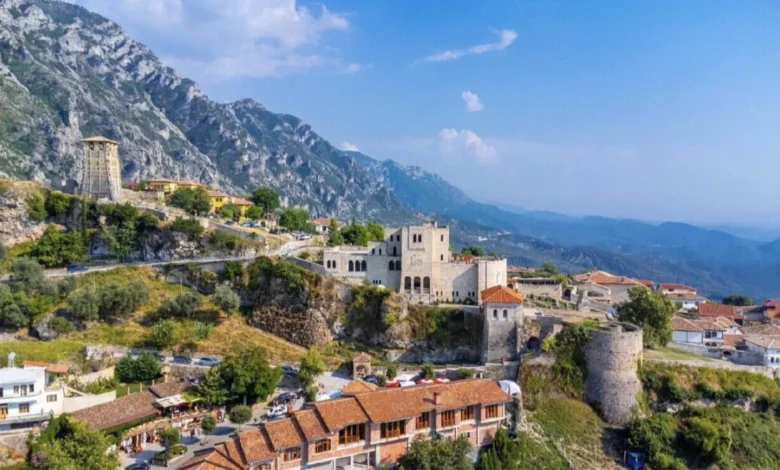
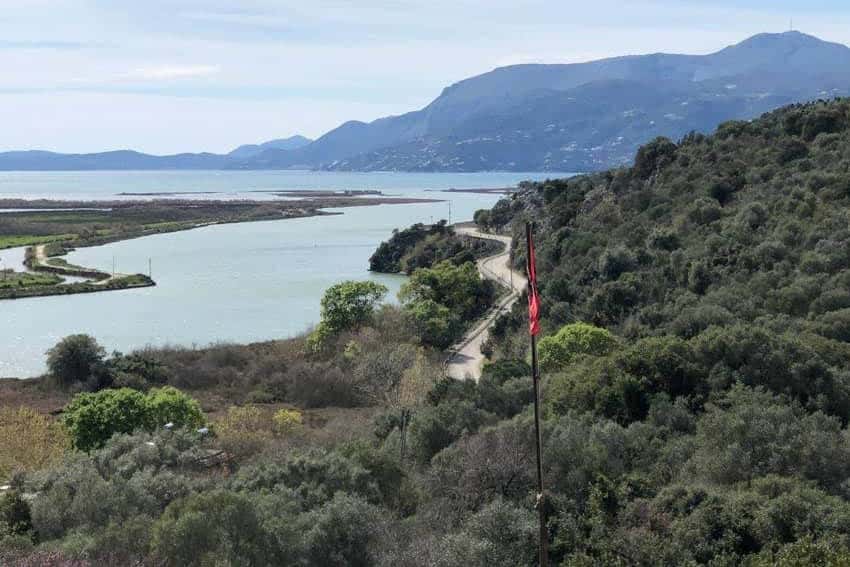
Over the past decade, Albania has emerged as one of Southern Europe’s most compelling travel destinations, transitioning from an isolated Balkan state into a burgeoning hub for international tourism. Recent infrastructural developments, combined with a surge in foreign visitors seeking off-the-beaten-path European adventures, have transformed the country’s rugged landscape into a prime destination for road-trip enthusiasts. Traveling approximately 1,200 kilometers over ten days—from the jagged limestone peaks of the northern Albanian Alps to the turquoise waters of the Ionian coastline—reveals a nation where ancient traditions, Ottoman-era architecture, and rapid modernization intersect.
Infrastructure Improvements and Modernization of Travel Corridors
For decades, navigating Albania’s topography presented a formidable challenge, with narrow gravel paths restricting travel times and discouraging casual tourism. However, recent investments by the Albanian government and international partners have significantly upgraded the national transit network, most notably along major arteries like the A1 highway connecting Tirana toward the north, and the newly constructed Llogara Tunnel on the southern coast.
The integration of modern infrastructure has reduced transit times between major urban centers, though regional topography still demands realistic scheduling. Major infrastructural updates include:
- The A1 Highway Tolls: The Thumanë-Kashar section features a 250 lek toll introduced in early 2025, alongside the Kalimash tunnel toll (approximately five euros each way) for routes extending toward Kosovo.
- The Llogara Tunnel: Opened to streamline coastal transit, this nearly six-kilometer tunnel reduces a challenging half-hour switchback route between Dukat and Palasë to a seven-minute drive, though many motorists continue to utilize the historic high-altitude mountain pass for scenic vantage points.
- The SH21 Paving Project: Fully paved in 2021, the winding road leading to the remote northern valley of Theth is now accessible to standard rental vehicles, opening up a region previously restricted to high-clearance four-wheel-drive automobiles.
Chronology of a Ten-Day Transnational Itinerary
Navigating Albania effectively requires a strategic approach to weather and geography, prioritizing unpredictable mountain regions before transitioning to coastal plains.
Days 1 through 3: The Northern Highlands and Shkodra
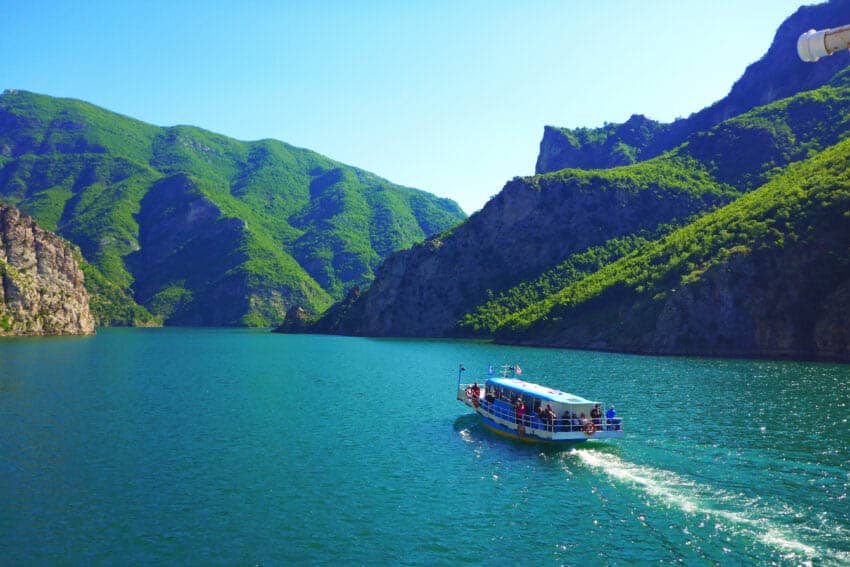
Beginning in the capital of Tirana in late May offers optimal weather conditions, avoiding the dense summer crowds while ensuring high mountain passes remain free of winter snowpacks. Traveling northward along the A1 leads to Shkodra, a historic staging post situated near the expansive Lake Shkodra. From Shkodra, travelers choose between two primary northern routes: embarking on the Koman Lake ferry—a three-hour passage through a flooded gorge often compared to Norwegian fjords—or driving the grueling yet spectacular SH21 mountain pass descending into Theth.

Theth features traditional stone architecture, historical defensive structures such as blood-feud lock-in towers, and proximity to the famous Blue Eye natural spring. Visitors utilizing the Koman Lake ferry (operated seasonally from mid-April to early November) must carefully coordinate vehicle logistics, as the ferry deposits travelers on the opposite side of the mountain range in Fierzë, near Valbona.
Days 4 through 6: Central Valleys and Ottoman Heritage
Descending from the northern highlands southward across agricultural flatlands brings travelers to Berat, renowned as the "City of a Thousand Windows." Characterized by stacked white Ottoman-era houses climbing the steep banks of the Osum River and an inhabited Byzantine-era castle perched upon the ridge, Berat serves as a primary cultural heritage site. Continuing south via Tepelenë leads to Gjirokastër, a sister stone city distinguished by slate-roofed architecture, a sprawling hillside fortress housing Cold War-era military artifacts, and steep, cobblestone alleyways.
Days 7 through 10: The Albanian Riviera and the Ionian Coast
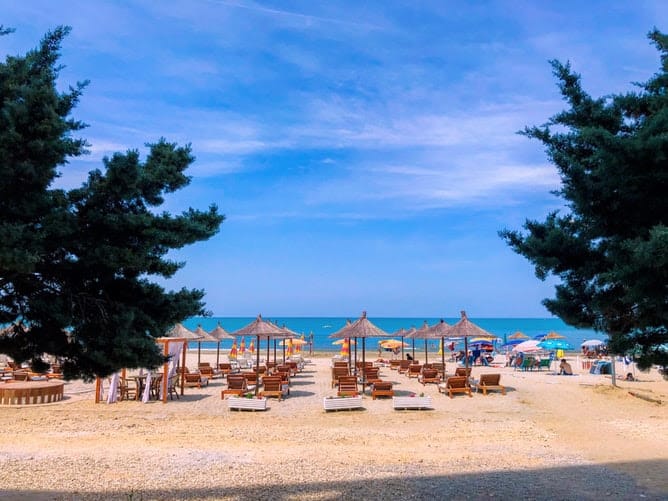
Traversing the Muzinë pass leads toward Saranda and the archaeological wealth of Butrint, an ancient Greek and Roman city situated within a protected lagoon. Moving northward along the Ionian Riviera reveals a succession of coastal villages, including Ksamil, Himara, Borsh, Dhërmi, and Jala. The completion of the Llogara Tunnel facilitates rapid transit along this coastal corridor, though navigation of unpaved tracks remains necessary to access secluded, pristine beaches.
Economic Factors, Safety, and Local Regulations
Navigating Albania requires an understanding of local economic practicalities, traffic regulations, and road safety measures.

Financial considerations for international motorists include elevated fuel costs, with gasoline averaging approximately 205 lek per liter (roughly 2.20 euros), surpassing prices in neighboring Montenegro or Greece. Travelers are advised to refuel prior to ascending mountain passes, where service stations become sparse above 800 meters.
Car rental logistics have also evolved, with local aggregators providing competitive alternatives to international agencies. Many local operators offer compact vehicles starting between 7 and 12 euros per day during the off-season, often delivering directly to Tirana International Airport without demanding extensive credit card security deposits. However, rental agreements must be carefully reviewed regarding insurance coverage on unpaved coastal tracks.
Regulatory compliance is strictly enforced by local authorities:
- Zero-Tolerance Alcohol Policy: The legal blood alcohol concentration limit is effectively set at 0.01 percent, and routine police checkpoints are common across major routes.
- Documentation: Visitors from the United States and the United Kingdom are legally required to carry an International Driving Permit alongside their domestic driver’s license.
- Night Driving Restrictions: Local safety experts and travel advisors strongly discourage driving outside urban centers after dark due to intermittent lighting, livestock on roadways, unlit agricultural vehicles, and a historically high national traffic fatality rate.
Broader Economic and Tourism Implications
Albania’s rapid development as a premier Mediterranean travel destination has profound implications for its regional economy. Tourism now serves as a primary economic engine, driving employment, real estate investments, and infrastructural enhancements across both urban centers and rural mountain communities.
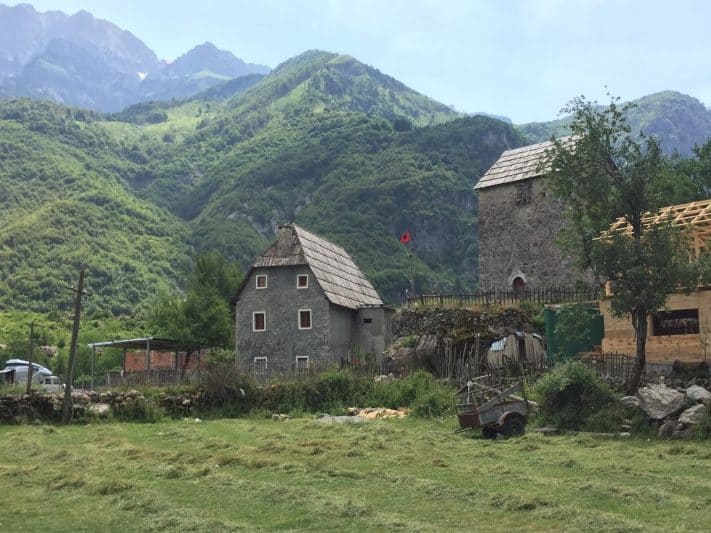
While increased accessibility through projects like the Llogara Tunnel and paved alpine roads benefits local commerce and international mobility, it also introduces environmental and cultural preservation challenges. Sustainable tourism initiatives are increasingly vital to protect fragile ecosystems, such as the Valbona and Theth national parks, against the pressures of rapid commercialization. By balancing infrastructure expansion with ecological stewardship, Albania continues to solidify its position as one of Europe’s most dynamic and rewarding frontiers for independent exploration.