Zaragoza and Aragon: A Deep Dive into the Cultural and Natural Heritage of Northern Spain

Zaragoza, the capital of the autonomous community of Aragon, stands as Spain’s fourth-largest city and a critical nexus of history, commerce, and culture in the nation’s northern interior. Situated strategically between Madrid and Barcelona and connected to both by high-speed AVE rail networks, the city serves as the gateway to a province defined by the rugged Pyrenees to the north and the fertile, though currently drought-challenged, Ebro River valley. With a population of approximately 700,000, Zaragoza has increasingly positioned itself as a sustainable and accessible alternative to the over-touristed coastal hubs of Barcelona and Malaga. Recent regional assessments highlight the city’s unique demographic profile, noting a high degree of civic engagement and a visible reduction in the urban issues of homelessness and aggressive solicitation often found in larger Mediterranean metropolises.

The Architectural Quadriad: A Chronology of Power and Faith
The historical identity of Zaragoza is anchored by four primary sites that represent a chronological layering of civilizations: Roman, Moorish, Gothic, and Baroque. This architectural "tapestry" is most visible in the city’s historic quarter, where Roman stones and Mudéjar arches share the skyline with 17th-century domes.
The Roman Legacy of Caesaraugusta
The Roman Theatre Museum serves as a primary archaeological anchor for the city. Excavated ruins of the theater, which once held a central role in the colony of Caesaraugusta, reveal the scale of Roman Hispania. During its peak, the theater was one of the largest in the region, symbolizing the prosperity of the Roman Empire’s expansion into the Iberian Peninsula. Modern preservation efforts include a massive protective roof structure designed to shield the limestone ruins from the intense Spanish sun. Technical analysis of the site highlights the "sub-stage fossa," a sophisticated piece of Roman engineering that allowed actors to emerge from beneath the stage, a precursor to modern theatrical elevators.

The Dual Cathedrals: La Seo and El Pilar
Zaragoza is unique in housing two distinct cathedrals. The Cathedral of the Savior, known as La Seo, is built upon the site of the ancient mosque of Saraqusta. Its exterior is a premier example of Mudéjar architecture—a style characterized by intricate brickwork and glazed tiles, reflecting the influence of Muslim craftsmen working in Christian-ruled territories. This style has been recognized by UNESCO as World Heritage.
In contrast, the Basilica-Cathedral of Our Lady of El Pilar is a masterpiece of Baroque design. Its multiple towers and colorful tiled domes dominate the Ebro riverfront. Beyond its religious significance as a pilgrimage site, the Basilica offers a vantage point from its North Tower, accessible via a glass elevator, providing panoramic views of the city’s urban layout and the winding Ebro River.

The Aljafería Palace: Moorish Splendor in the North
The 11th-century Aljafería Palace remains one of the most significant Moorish structures in Spain, comparable in historical importance to the Alhambra in Granada. Originally the residence of the Banu Hud dynasty, it later served as the palace for the Kings of Aragon and the Catholic Monarchs. The site is characterized by its "Palace of Joy" courtyard, featuring interlaced arches and intricate floral carvings. Currently, the palace serves a dual purpose as a historical monument and the seat of the Cortes (Regional Parliament) of Aragon, bridging the gap between medieval governance and modern democracy.
The Gastronomic Economy: Garnacha and the Chocolate Tradition
Aragon’s economic and cultural life is inextricably linked to its agricultural output, specifically its viticulture and a long-standing, though often overlooked, chocolate industry.

The Garnacha Revolution
The Garnacha (Grenache) grape is the flagship varietal of the region. Local winemakers and the Aragon Tourism Board have aggressively promoted the "Garnacha!" brand, emphasizing the grape’s versatility in both red and white expressions. The province encompasses several protected designations of origin (DO), including Campo de Borja, Cariñena, and Calatayud. These regions contribute significantly to the local economy, with exports reaching international markets. In Zaragoza, the culture of "maridaje" (pairing) is central to the culinary experience, with institutions like the La Zarola cooking school integrating wine education into hands-on gastronomic workshops.
Historical Confectionery
Zaragoza’s relationship with chocolate predates many famous European chocolate hubs. Shops such as Fantoba, which has operated since the mid-19th century, preserve traditional techniques for making "guirlache"—a classic Aragonese nougat made of almonds and caramelized sugar. This confectionery tradition is part of a broader "Huesca is Sweet" initiative, which maps historical bakeries and pastry shops across the province to encourage culinary tourism.

Environmental and Demographic Challenges: The Ebro and the "Empty Spain"
Despite its cultural wealth, Aragon faces significant environmental and demographic hurdles. In 2026, the region has grappled with an acute water shortage. The Ebro River, traditionally a vital artery for transport and irrigation, has seen water levels drop to historic lows, rendering large sections unnavigable for commercial and tourist vessels. This drought has placed immense pressure on the agricultural sector, particularly the vineyards and olive groves that define the rural landscape.
Furthermore, the province of Aragon is a central theater for the "España Vaciada" (Empty Spain) phenomenon. Regional data indicates that there are more than 130,000 abandoned structures, including farmhouses, barns, and entire "ghost villages," across the province. These settlements were largely depopulated during the rural-to-urban migration shifts of the 1950s and 60s. While some artists and writers have begun to repopulate sites like the Veruela Monastery—a 12th-century Cistercian refuge—the vast majority of these rural assets remain in decay, presenting a complex challenge for regional planners regarding heritage preservation and rural revitalization.

Regional Exploration: From Huesca to the Pyrenees
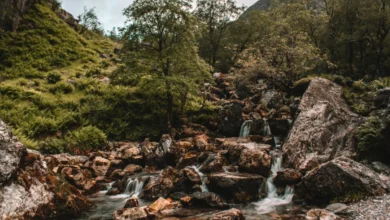
The transition from the urban density of Zaragoza to the rugged terrain of the north reveals the geographic diversity of Aragon.
- Veruela Monastery: Founded in the 1100s, this monastery serves as a case study in historical repurposing. After the dissolution of religious orders in the 19th century, the site fell into ruin before being restored as a cultural center and boutique lodging space.
- Loarre Castle: Located near Huesca, this 11th-century fortress is regarded as the best-preserved Romanesque castle in Europe. Its strategic position on a limestone outcrop provided a defensive advantage during the Reconquista.
- Mallos de Riglos: These massive conglomerate rock formations, rising up to 300 meters, are a primary destination for international climbers and base jumpers, contributing to the region’s burgeoning adventure tourism sector.
- Ordesa and Monte Perdido National Park: A UNESCO World Heritage site, the park represents the pinnacle of the Aragonese Pyrenees. The "viewpoints route," often traversed by 4×4 vehicles, offers vistas of glacial valleys and limestone massifs, including the 3,355-meter Monte Perdido.
Adventure Tourism and Local Industry
The village of Alquézar, situated in the Sierra y Cañones de Guara Natural Park, has become a hub for canyoning and river trekking. This shift toward active tourism has revitalized several small mountain communities. Local industries, such as olive oil production at traditional mills, have integrated with the tourism sector to offer "oleoturismo" (olive oil tourism), mirroring the successful wine routes of the south.

In Ainsa, frequently cited as one of Spain’s most beautiful medieval villages, the focus remains on heritage tourism. The village’s preserved plaza and 11th-century church serve as a backdrop for cultural festivals that celebrate the Sobrarbe region’s history.
Broader Implications and Strategic Outlook
The development of Aragon as a premier travel and investment destination reflects a broader Spanish strategy to diversify tourism beyond the "sun and sand" model of the coasts. By highlighting its Mudéjar heritage, its Roman foundations, and its rugged natural landscapes, Aragon offers a high-value proposition for cultural travelers. However, the dual threats of climate-induced water scarcity and rural depopulation remain critical factors that will determine the region’s long-term stability.

Statements from the Aragon Tourism Board suggest a continued focus on "slow travel" and sustainable development. By encouraging visitors to explore the "ghost villages" and the high Pyrenees, officials hope to distribute economic benefits more evenly across the province, potentially providing the capital necessary to restore abandoned heritage sites. As Zaragoza continues to evolve as a modern, accessible metropolis, its success will likely depend on its ability to balance this urban growth with the preservation and environmental management of its vast, wild hinterland.