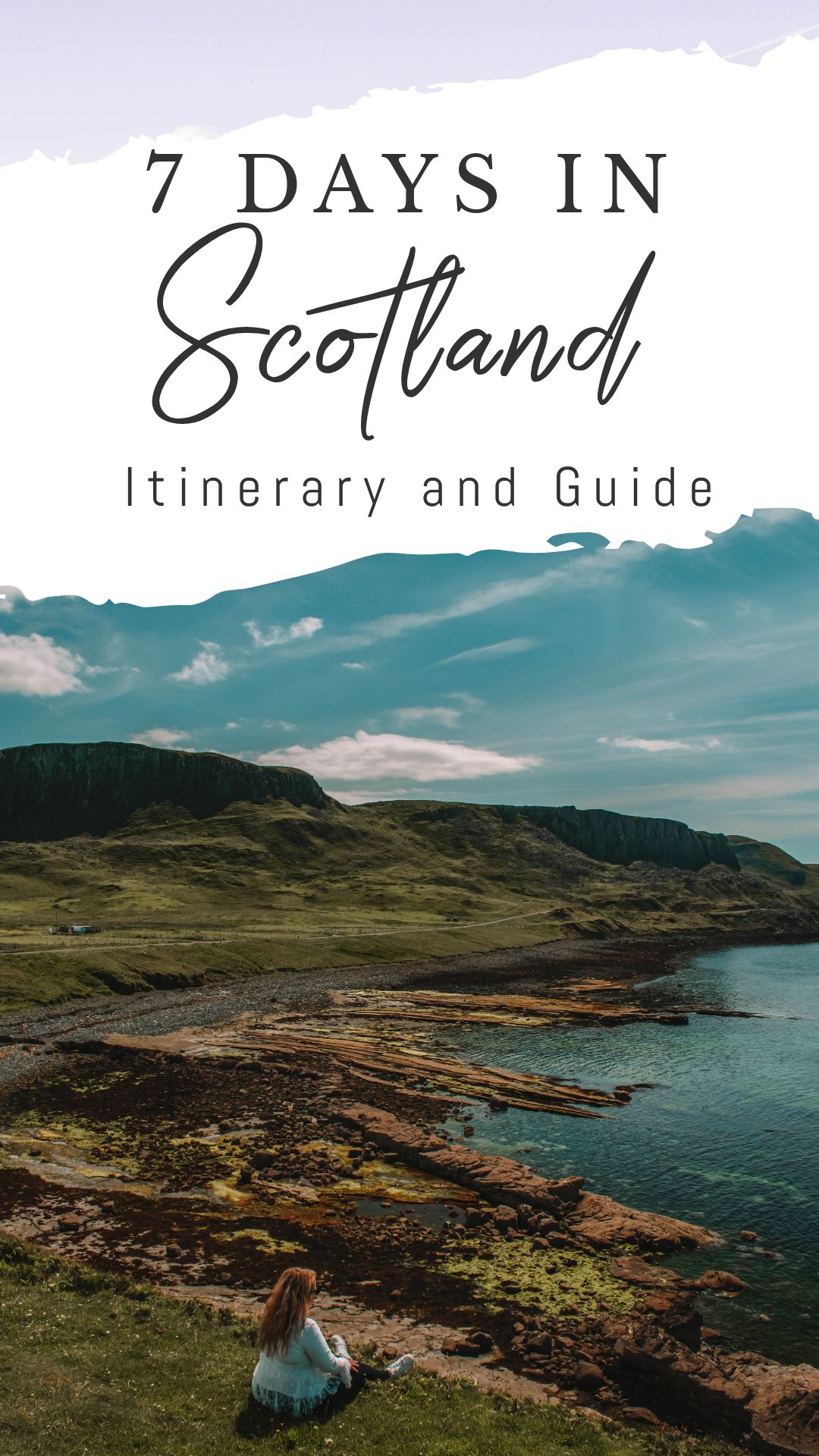
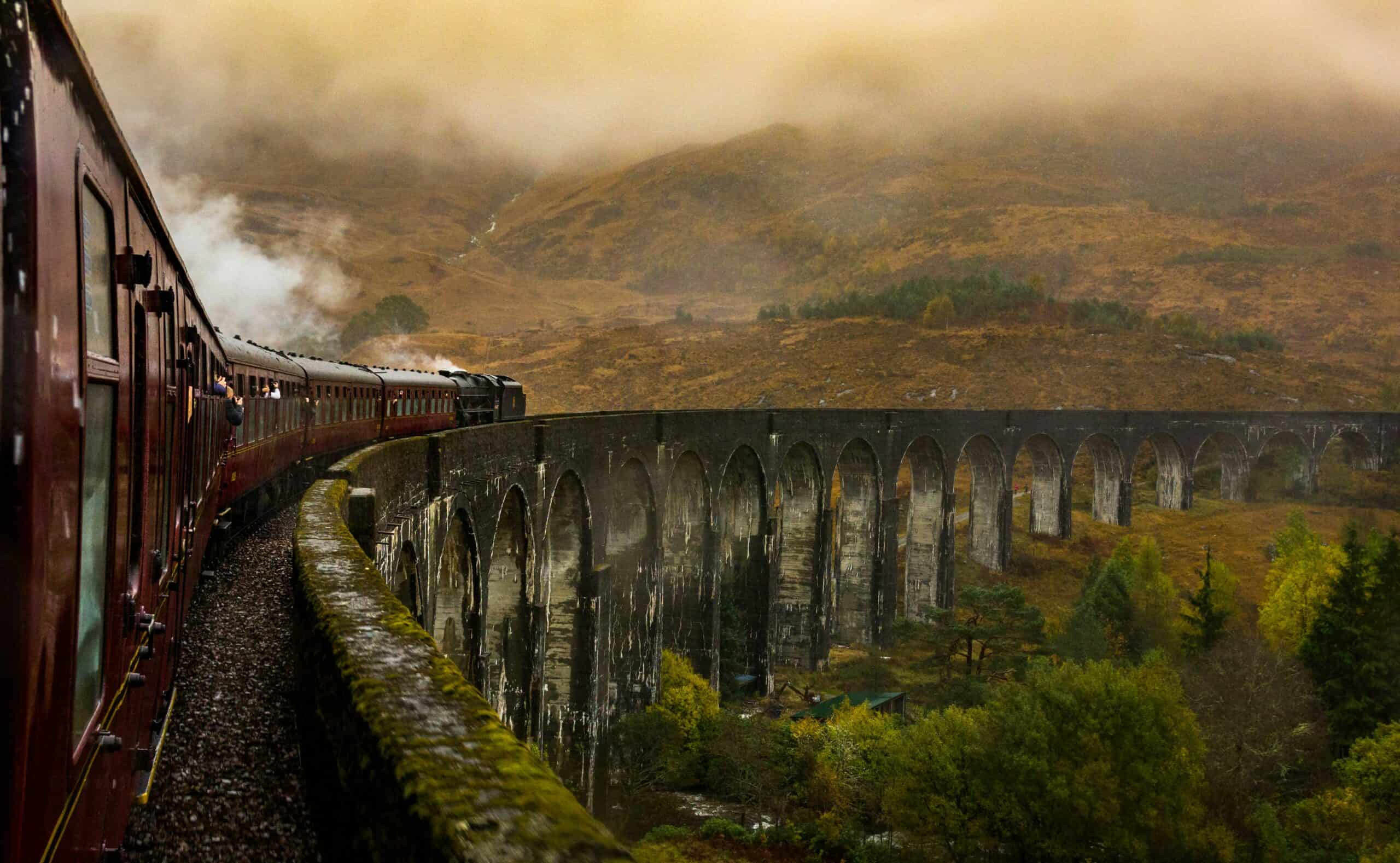
Scotland, a nation defined by its rugged Highlands, historic cities, and enduring cultural heritage, remains one of the most sought-after travel destinations in the United Kingdom. With a land area of approximately 30,414 square miles, the country offers a dense concentration of historical sites, natural wonders, and cultural landmarks, making a week-long journey a popular choice for international and domestic tourists alike. Whether navigating the narrow, winding roads of the Highlands or exploring the medieval architecture of Edinburgh, travelers are encouraged to prepare for the country’s famously unpredictable climate and unique logistical requirements.
As of July 2026, visitors planning overnight stays in Edinburgh should be aware that the city has implemented a 5% visitor levy on all hotel and short-term rental bookings. This policy reflects a growing trend in European tourism management, aimed at supporting local infrastructure and services amidst high visitor volumes.
Strategic Planning and Logistics
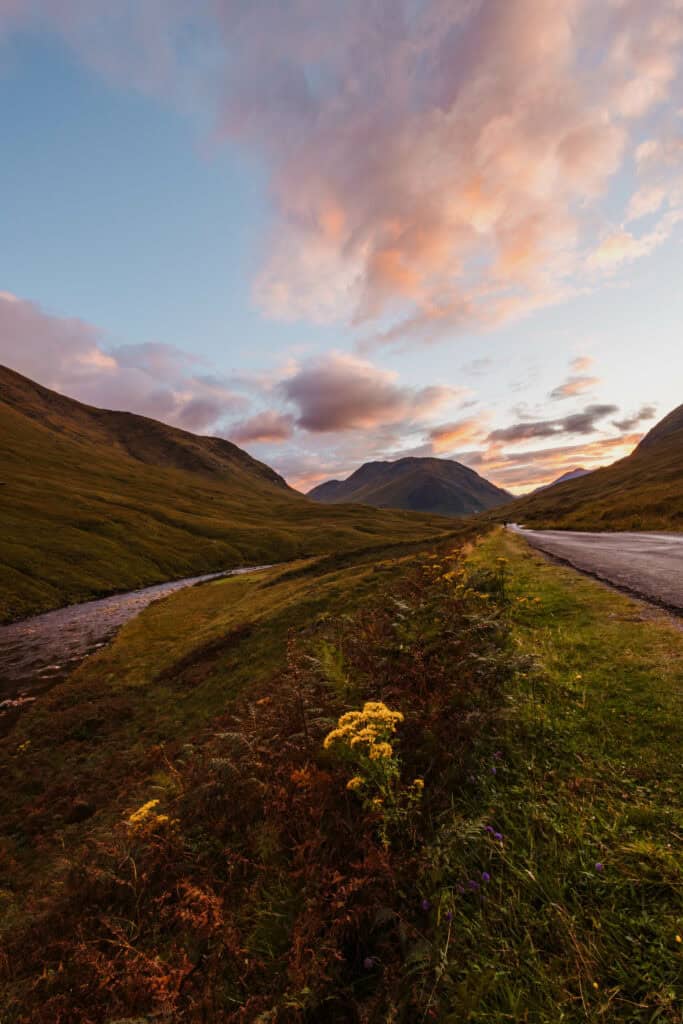
Successful navigation of Scotland within a seven-day window requires careful logistical planning. While public transportation links major urban hubs like Edinburgh and Glasgow efficiently, the most comprehensive way to access the remote landscapes of the Highlands and the Inner Hebrides is by private vehicle.
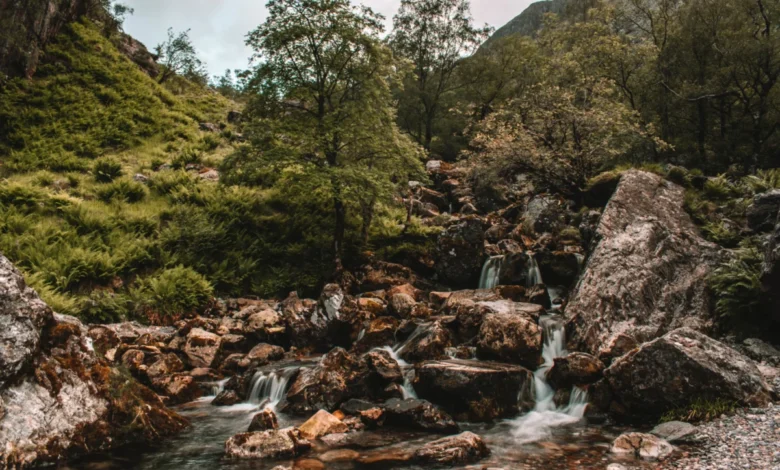

Driving in Scotland necessitates a period of adjustment for international travelers, as vehicles operate on the left side of the road. While major trunk roads are well-maintained, rural routes—particularly in the Highlands—often consist of single-track roads. These require patience and adherence to "passing place" etiquette. Furthermore, due to the nation’s high annual rainfall, which varies significantly by region but averages over 1,000mm in the Highlands, visitors are strongly advised to pack high-quality waterproof gear and footwear suitable for rugged terrain.
The Seven-Day Itinerary: A Chronological Overview
Days 1–2: The Gateway to the Highlands and the Inner Hebrides
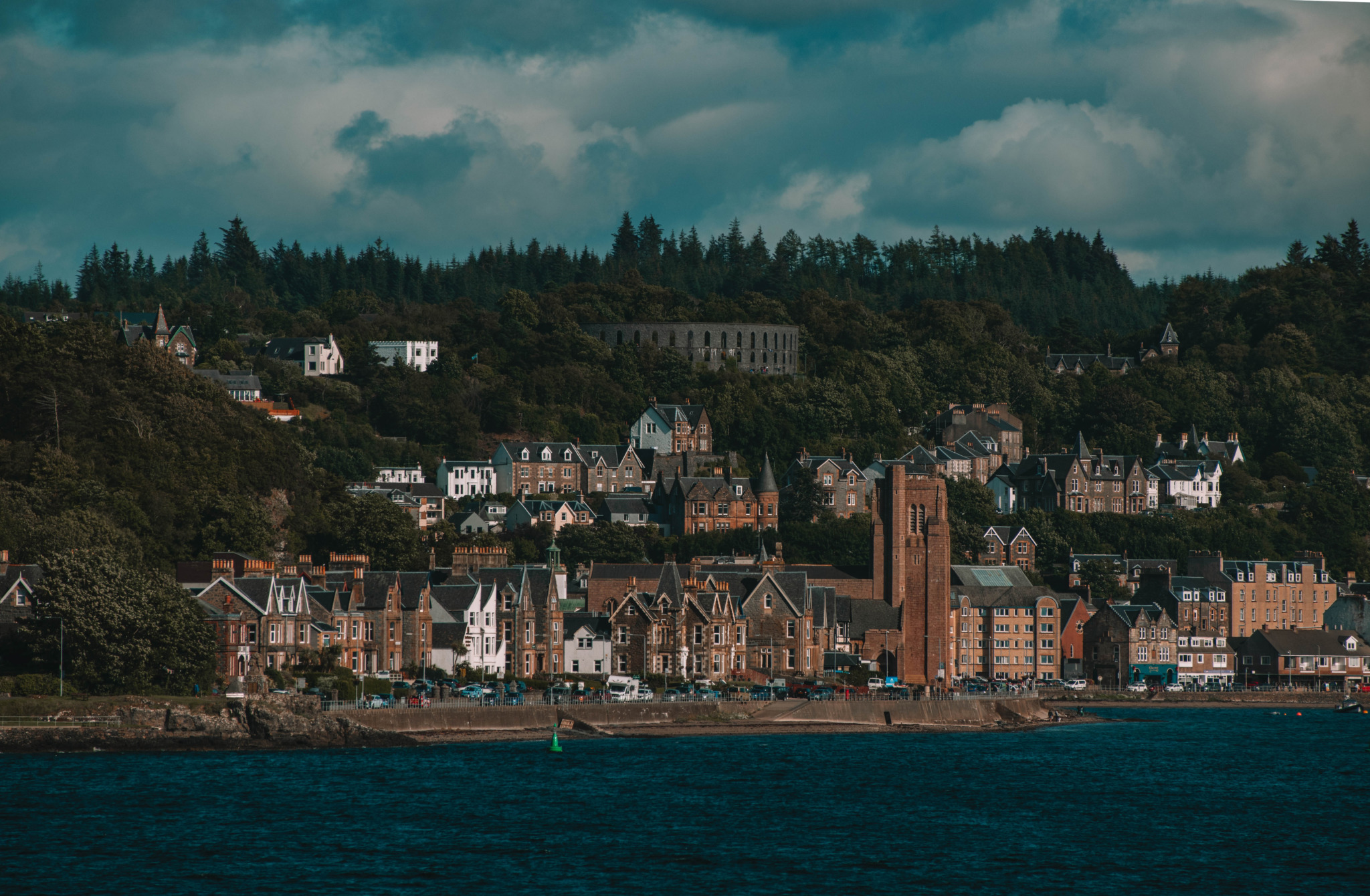
Rather than beginning in the capital, many travelers prefer to head west immediately upon arrival at Edinburgh Airport, driving approximately three hours to the coastal town of Oban. Often referred to as the "Gateway to the Isles," Oban serves as the primary transit point for the Inner Hebrides.

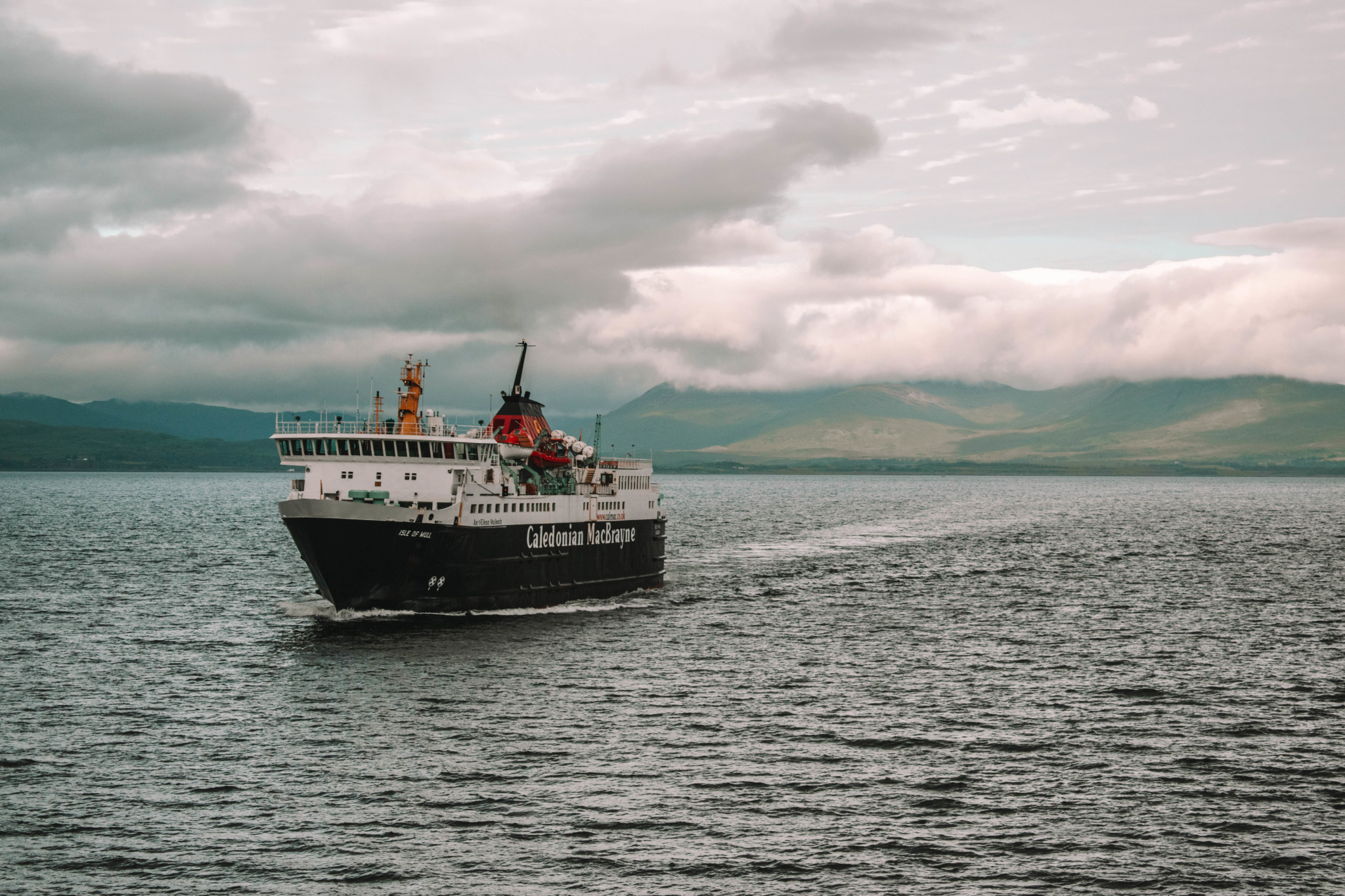
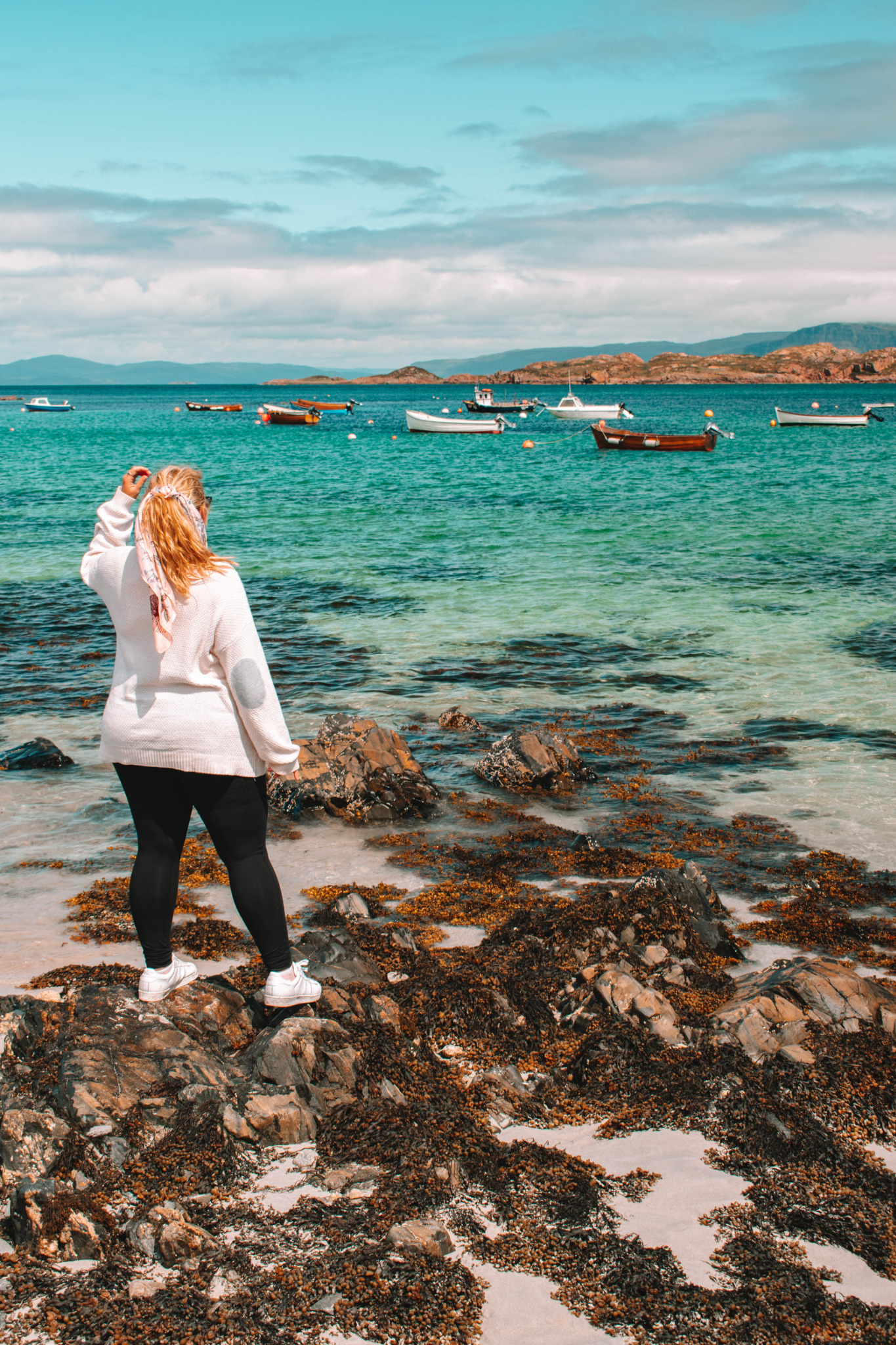
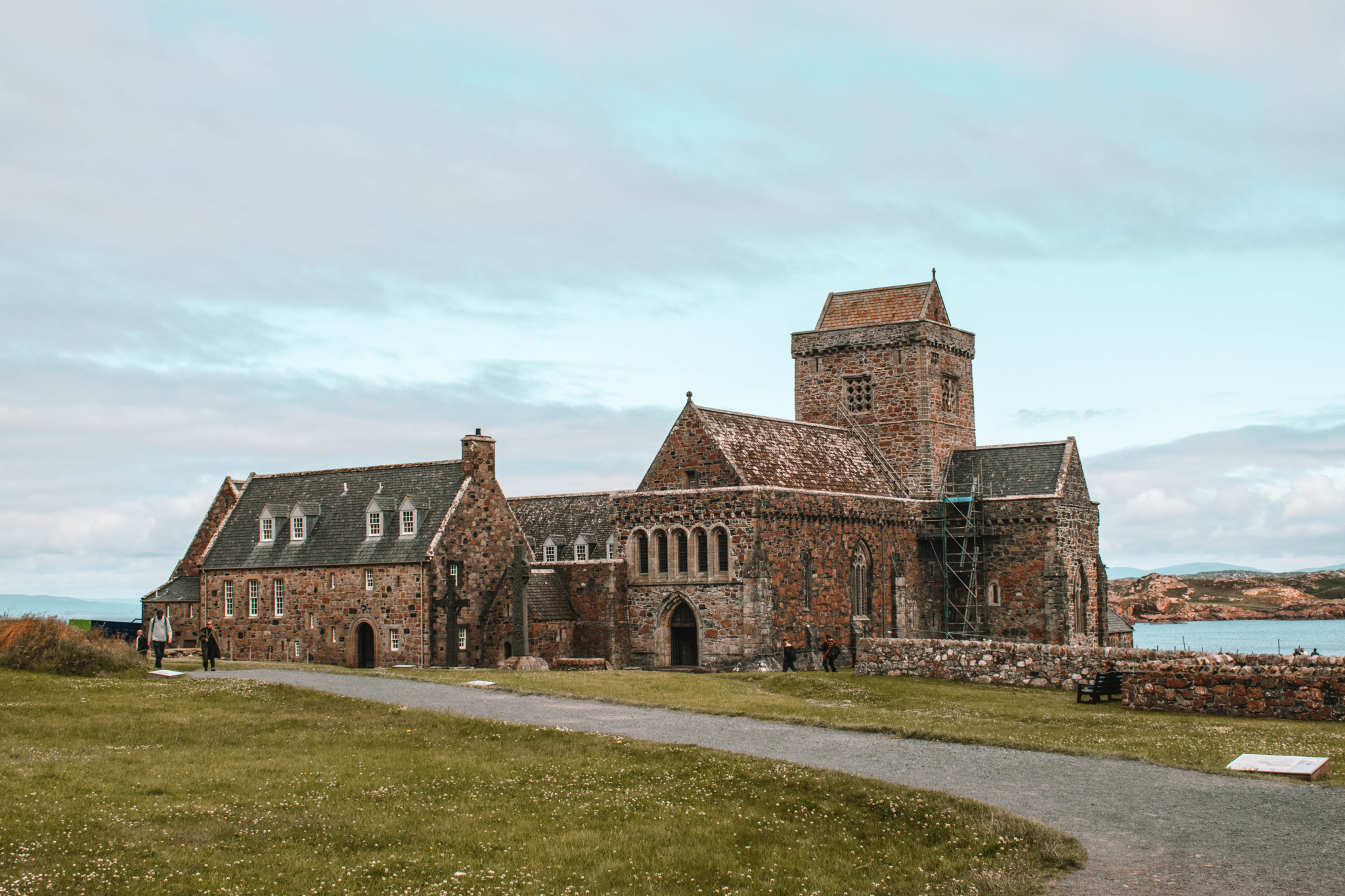
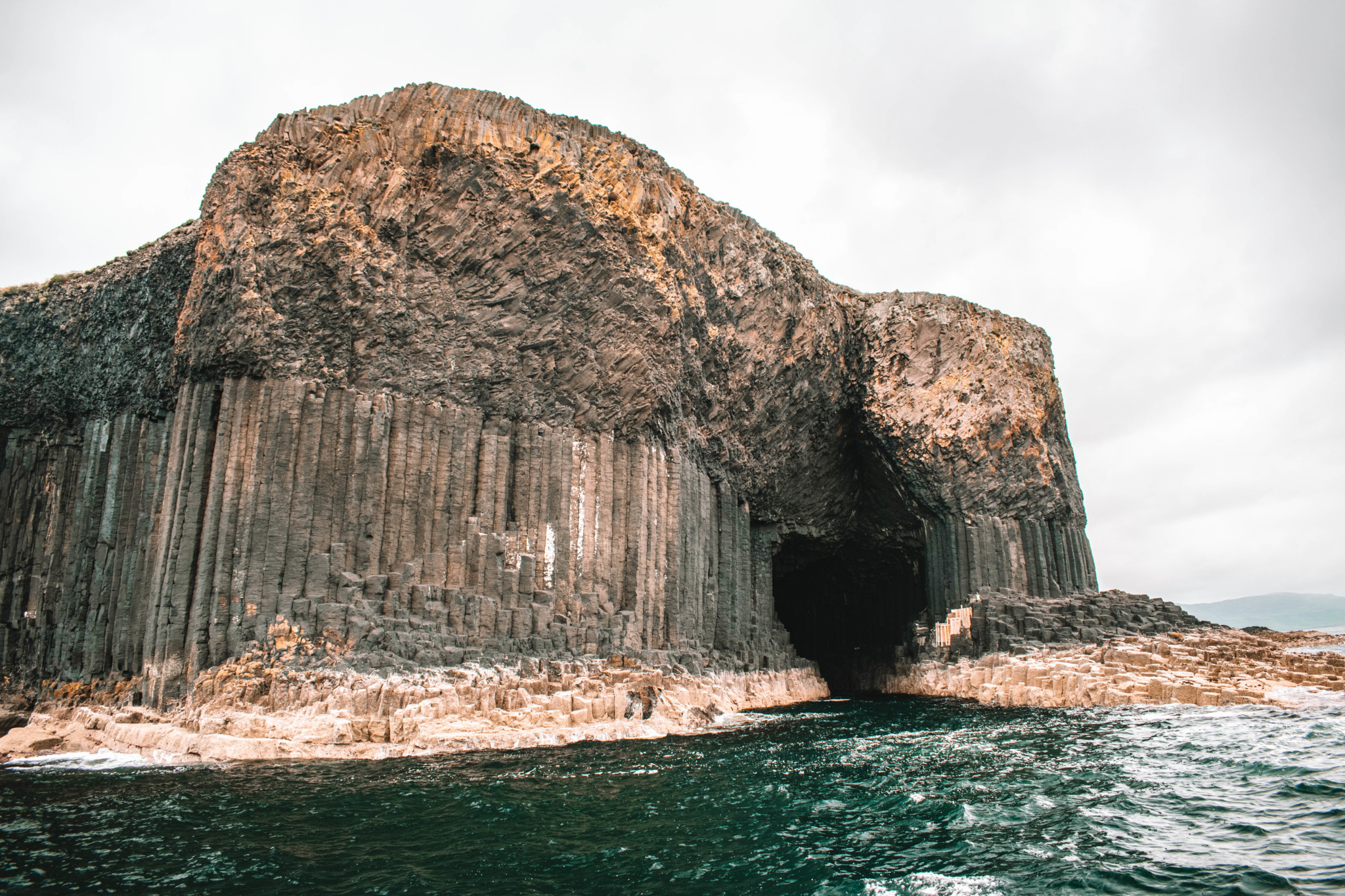
Day two is typically dedicated to the "Three Isles Tour," a seasonal excursion (operating April through October) that connects travelers to the Isle of Mull, the island of Staffa, and the historic isle of Iona. The journey offers significant historical insight: Iona served as a cradle of Scottish Christianity following the arrival of St. Columba in 563 AD. Staffa is renowned for its geological significance, specifically the basalt columns of Fingal’s Cave, which were formed by volcanic activity approximately 60 million years ago.
Days 3–4: The Isle of Skye
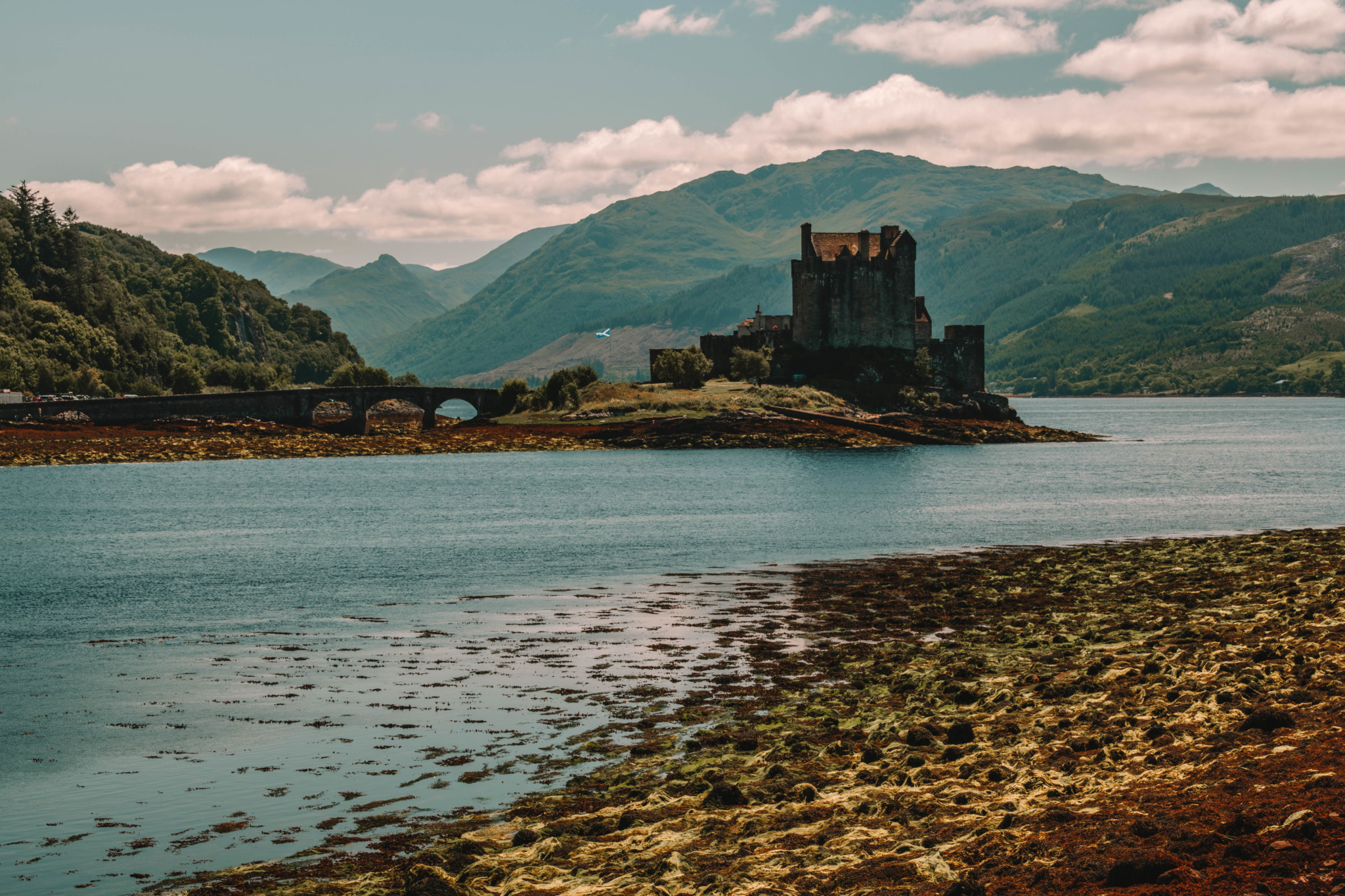
The third day involves a transition to the Isle of Skye, the largest of the Inner Hebrides. The journey from the mainland to Skye via the Skye Bridge often includes a stop at Eilean Donan Castle. Originally built in the 13th century to protect against Viking invasions, the castle has been extensively restored and stands as one of the most iconic images of Scottish history.
Skye itself is characterized by dramatic natural formations, including the Quiraing, a massive landslip that offers some of the most spectacular geological views in the UK, and the Old Man of Storr, a large pinnacle of basalt. For those interested in the cultural history of the island, the Skye Museum of Island Life provides a window into the 19th-century crofting lifestyle, where families lived in small, thatched-roof houses.
Day 5: Loch Ness and Highland Heritage
The fifth day focuses on the Great Glen and the cultural phenomenon of Loch Ness. While the legend of the "Loch Ness Monster" has persisted since the 1930s, the loch itself is a significant geographical feature, containing more water than all the lakes in England and Wales combined.
This day also serves as an introduction to traditional Scottish culture, often through attendance at Highland Games. These events, which feature heavy athletic competitions like the caber toss and stone put, are deeply rooted in Scottish tradition and serve as an important social gathering for local communities. The afternoon can be rounded out with a visit to Inveraray Castle, the ancestral seat of the Duke of Argyll. Built in the Gothic Revival style, the castle is a testament to the influence of the Clan Campbell, one of the most powerful clans in Scottish history.
Days 6–7: The Capital City of Edinburgh
The final two days are best reserved for Edinburgh. As the capital city, Edinburgh presents a stark contrast to the rural Highlands. The city is divided into the medieval Old Town and the neoclassical New Town, both of which are UNESCO World Heritage sites.
Key sites include Edinburgh Castle, which dominates the skyline from atop Castle Rock. The site has been occupied since the Iron Age and houses the Honours of Scotland (the Crown Jewels). Following a visit to the castle, a walk down the Royal Mile—the historic thoroughfare connecting the castle to the Palace of Holyroodhouse—provides access to St. Giles’ Cathedral and numerous close-knit alleyways, or "closes," which hold centuries of urban history.
The New Town, planned in the 18th century by architect James Craig, represents a shift in urban planning and reflects the Enlightenment era’s influence on Scottish society. The National Museum of Scotland is a critical stop for those looking to synthesize the history explored throughout the week, as it houses extensive collections of Scottish antiquities and natural history.
Economic and Cultural Implications
Tourism is a primary pillar of the Scottish economy. According to data from the Scottish Government and VisitScotland, the tourism sector contributes billions of pounds annually to the national GDP and supports tens of thousands of jobs. However, the concentration of tourists in "hotspot" locations like Skye and Edinburgh has led to ongoing discussions regarding sustainable tourism.
The introduction of the visitor levy in Edinburgh is a direct policy response to the need to balance the economic benefits of tourism with the maintenance of public infrastructure. Experts suggest that as tourism continues to grow, similar measures may be considered in rural areas to manage the environmental impact on delicate ecosystems like the Quiraing or the Fairy Pools.
Supplemental Travel Advice
For travelers with additional time beyond the seven-day window, the city of Glasgow offers a vibrant alternative to Edinburgh, characterized by its industrial heritage, world-class art galleries, and a distinct Victorian architectural style. Alternatively, the Cairngorms National Park, the largest in the UK, provides an extensive network of trails for hikers and outdoor enthusiasts.

In the eastern reaches of the country, Aberdeen offers a unique look at the granite industry, which shaped the city’s architectural identity. Nearby, Craigievar Castle—often referred to as the "Pink Castle"—and Dunnottar Castle provide further opportunities to explore Scotland’s fortified past.
Summary
Scotland offers a dense, high-value travel experience that rewards those who plan for both its natural challenges and its historical depth. By balancing time between the remote, rugged landscapes of the west and the sophisticated urban history of the east, travelers can gain a comprehensive understanding of a nation that has consistently shaped global culture, politics, and history. As infrastructure and visitor policies evolve, maintaining a respectful and informed approach to travel will ensure that Scotland remains a viable and beautiful destination for future generations.