The Best Christmas Markets in Switzerland 2026: A Comprehensive Guide to Europe’s Festive Heart

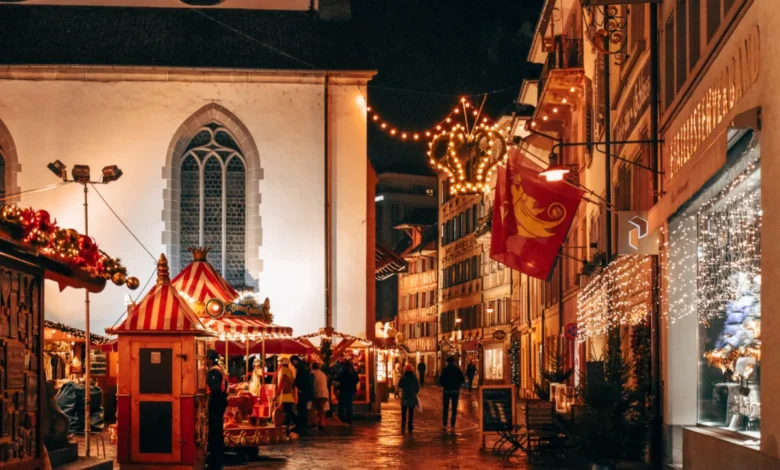
As the 2026 winter season approaches, Switzerland is preparing to host its celebrated annual Christmas markets, transforming its alpine villages and urban centers into hubs of cultural heritage and seasonal commerce. From the historic, three-country crossroads of Basel to the lakeside allure of Montreux, these markets serve as significant economic and cultural pillars for the Swiss tourism industry. This year, officials and local tourism boards anticipate a return to high-volume international attendance, supported by robust infrastructure and a renewed focus on regional artisanal traditions.

The Economic and Cultural Significance of the Swiss Advent Season
The Christmas market phenomenon in Switzerland is far more than a recreational activity; it is a vital component of the nation’s winter tourism strategy. According to data from the Swiss Federal Statistical Office, the period between late November and late December sees a marked increase in hospitality occupancy, particularly in cities that host major, multi-week markets. These events provide a platform for local vendors—ranging from traditional woodworkers and candlemakers to regional culinary producers—to sustain operations during the colder months.

Sociologists often point to the "Advent market" as a mechanism for preserving intangible cultural heritage. By prioritizing locally sourced goods and traditional craftsmanship, such as Swiss Lebkuchen (gingerbread) and handmade ornaments, these markets act as a bulwark against the globalization of retail, ensuring that regional identities remain prominent during the height of the holiday season.

Chronology and Regional Distribution
The 2026 schedule highlights a staggered approach to the season, allowing travelers to experience multiple regions without significant overlap.

- Mid-November Launch: The season effectively begins with the opening of the Zurich Christkindlimarkt (now recognized as Polarzauber) on November 19, 2026, and the Montreux Noel market on November 20.
- Late November Expansion: Basel, Bern, and Lugano follow suit between November 26 and November 27, signaling the full commencement of the national festivities.
- December Milestones: The Einsiedeln market operates on a condensed, high-intensity schedule from November 27 through December 6, emphasizing its exclusivity.
- January Conclusion: Regions such as Stein am Rhein and Lugano extend their offerings into the new year, concluding their markets in early January 2027, which serves to bridge the gap between the Christmas holiday and the start of the primary ski season.
Profile of Premier Market Destinations
Basel: The Tri-National Intersection
Basel remains the epicenter of the Swiss holiday experience. Located at the borders of France, Germany, and Switzerland, the Basel Christmas Market, split between Barfüsserplatz and Münsterplatz, offers a unique synthesis of regional traditions. The 2026 event will run from November 26 through December 23. Its historical status—often cited as the oldest in the country—draws academic and tourist interest alike, as it adheres to strict architectural guidelines that maintain the aesthetic integrity of the Old Town.

Zurich: Urban Innovation and Accessibility
Zurich’s transformation of its main train station (Hauptbahnhof) into the Polarzauber (formerly Christkindlimarkt) represents a logistical triumph. By utilizing a high-traffic transit hub, organizers have effectively maximized exposure to both domestic commuters and international travelers. The 2026 installation features an expanded focus on sustainable, handmade goods, reflecting the city’s broader commitment to ESG (Environmental, Social, and Governance) principles in its public events.

Montreux: The Lakeside Standard
The Montreux Noel market is frequently highlighted by international travel bodies for its integration with the natural landscape of Lake Geneva. Beyond the commercial stalls, the event includes specialized attractions such as the "Wine-Drinking Igloo" and the "Santa’s House" located in the Rochers-de-Naye mountains. Local tourism boards have noted that the 2026 programming aims to reduce the carbon footprint of the event by utilizing electrified rail transport for attendees traveling from nearby regions.

Lugano: A Southern Contrast
For those seeking a departure from the frigid alpine climate, Lugano provides a Mediterranean-influenced alternative. Running from November 26, 2026, through early January 2027, the market in the Piazza Riforma highlights the linguistic and cultural diversity of the Ticino canton. Market organizers have indicated that this year’s expansion into January is designed to capture post-holiday tourism, providing a sustained economic boost to the local hospitality sector.

Operational Logistics and Visitor Guidelines
For the 2026 season, local authorities have issued standardized guidance for visitors to ensure safety and efficiency.

Financial Preparedness: While digital payment adoption has increased across Switzerland, vendors at smaller, municipal markets often favor cash transactions (Swiss Francs). Visitors are encouraged to maintain a supply of local currency, as many traditional stalls may not be equipped with the infrastructure for high-volume credit card processing.

Transportation and Access: The Swiss Federal Railways (SBB) remain the most efficient method for traversing between market locations. The "Swiss Travel Pass" is often cited as the most cost-effective solution for international visitors planning to visit multiple cities. Authorities advise that peak weekend hours (Friday evening through Sunday afternoon) often experience high congestion, and recommend mid-week travel for those wishing to avoid significant crowds.

Analysis of Broader Implications
The continued success of these markets suggests a shift in consumer behavior toward "experiential travel." Rather than engaging in traditional, high-volume retail shopping, visitors are increasingly seeking immersive cultural environments. This trend has significant implications for urban planning in Switzerland. Cities are now integrating market infrastructure into their permanent streetscapes, with many municipalities investing in permanent electrical and safety installations to facilitate faster setup and breakdown times.

Furthermore, the environmental impact of these events has become a subject of scrutiny. In 2026, many Swiss markets have moved toward the "Circular Economy" model. This includes the use of reusable ceramic mugs for Glühwein (mulled wine) rather than disposable plastics, and the implementation of waste-sorting stations throughout the market perimeters.

Official Statements and Expectations
Representatives from Switzerland Tourism have expressed optimism regarding the 2026 season. In a recent briefing, a spokesperson noted, "The Christmas market remains our most potent tool for winter brand positioning. It tells a story of stability, tradition, and community that resonates globally. Our goal for 2026 is to ensure that while we maintain the historic character of these events, we continue to innovate in terms of accessibility and environmental sustainability."

As the dates approach, local chambers of commerce in cities like Chur and Einsiedeln are finalizing their vendor lists, with a reported 15% increase in applications for local, sustainable craft stalls compared to the previous year. This uptick in participation underscores the vitality of the local artisanal sector and the enduring appeal of the Swiss Christmas tradition in an increasingly digitized global economy.

In conclusion, the 2026 Swiss Christmas markets represent a sophisticated blend of heritage and modern logistical management. Whether navigating the historic, narrow streets of Chur or the expansive, light-adorned squares of Basel, visitors will find a highly organized, culturally rich environment that remains a definitive example of European seasonal tourism.
Related posts: