Spooktacular Stays: A Comprehensive Guide to the Best Halloween Hotel Packages and Fall Festivals for 2026

As the crisp autumn air settles across the United States, the hospitality industry is witnessing a significant surge in demand for themed seasonal experiences. For 2026, major resorts and historic properties have curated sophisticated programming that blends traditional fall harvest celebrations with high-octane, immersive horror experiences. These offerings cater to a diverse demographic, ranging from family-oriented weekend getaways to exclusive, age-restricted events designed for enthusiasts of the macabre. Data from the travel industry suggests that "dark tourism" and seasonal immersion are increasingly driving occupancy rates during the shoulder season, with many marquee properties reporting near-capacity bookings for late October.
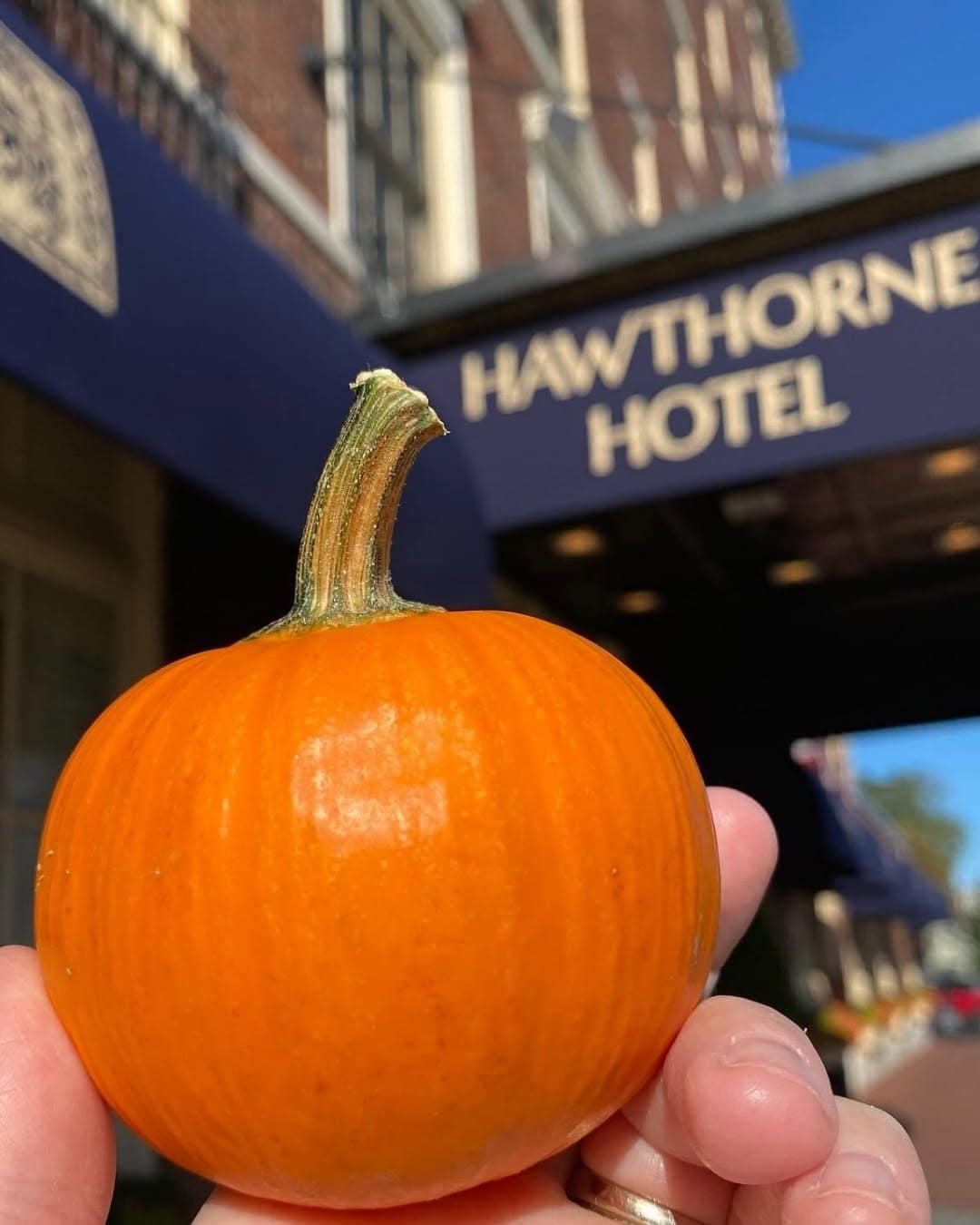
The Hawthorne Hotel: A Case Study in Historical Immersion
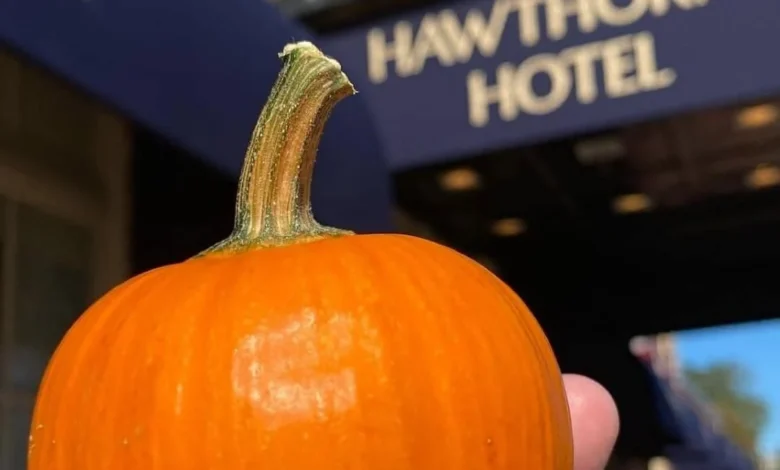
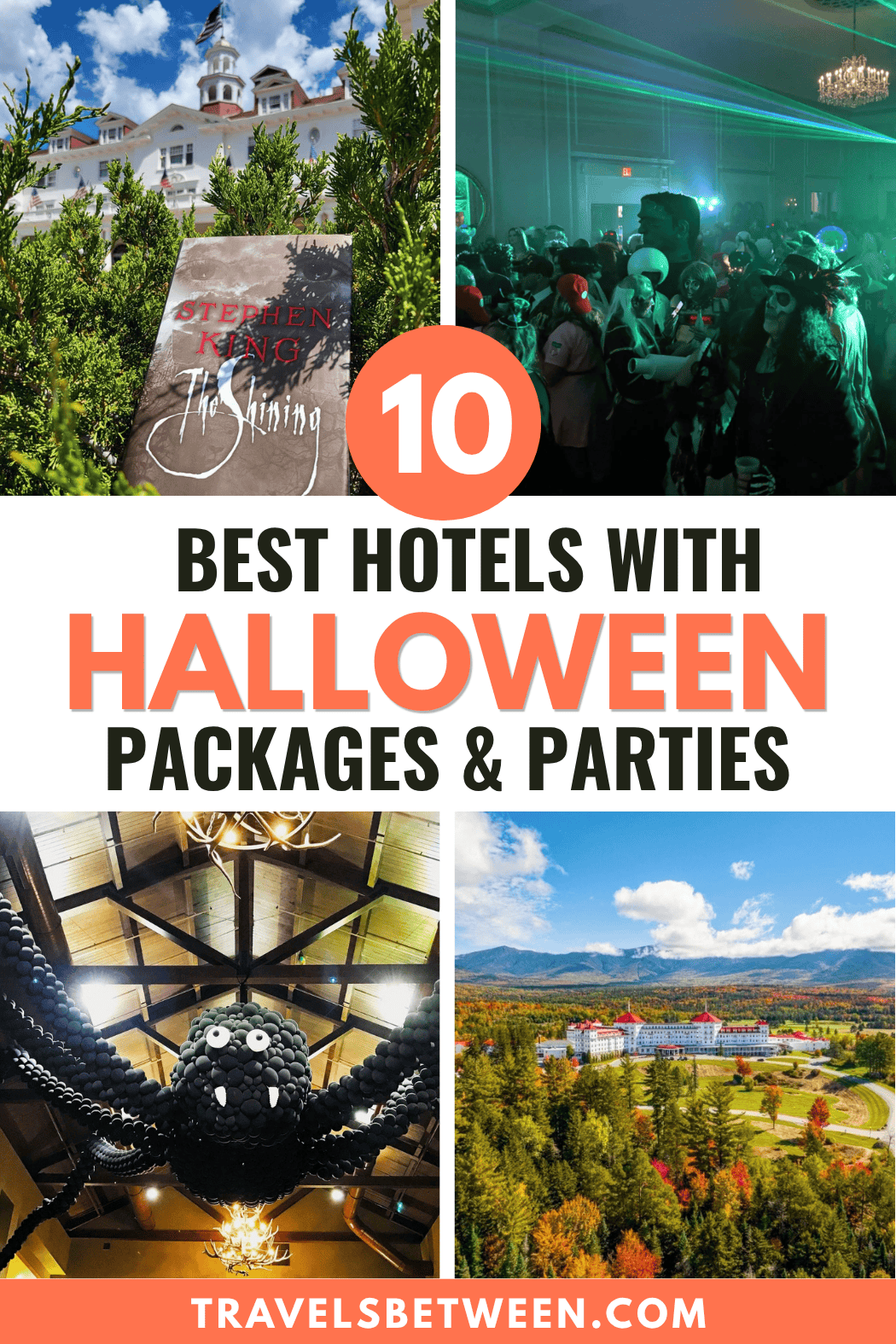
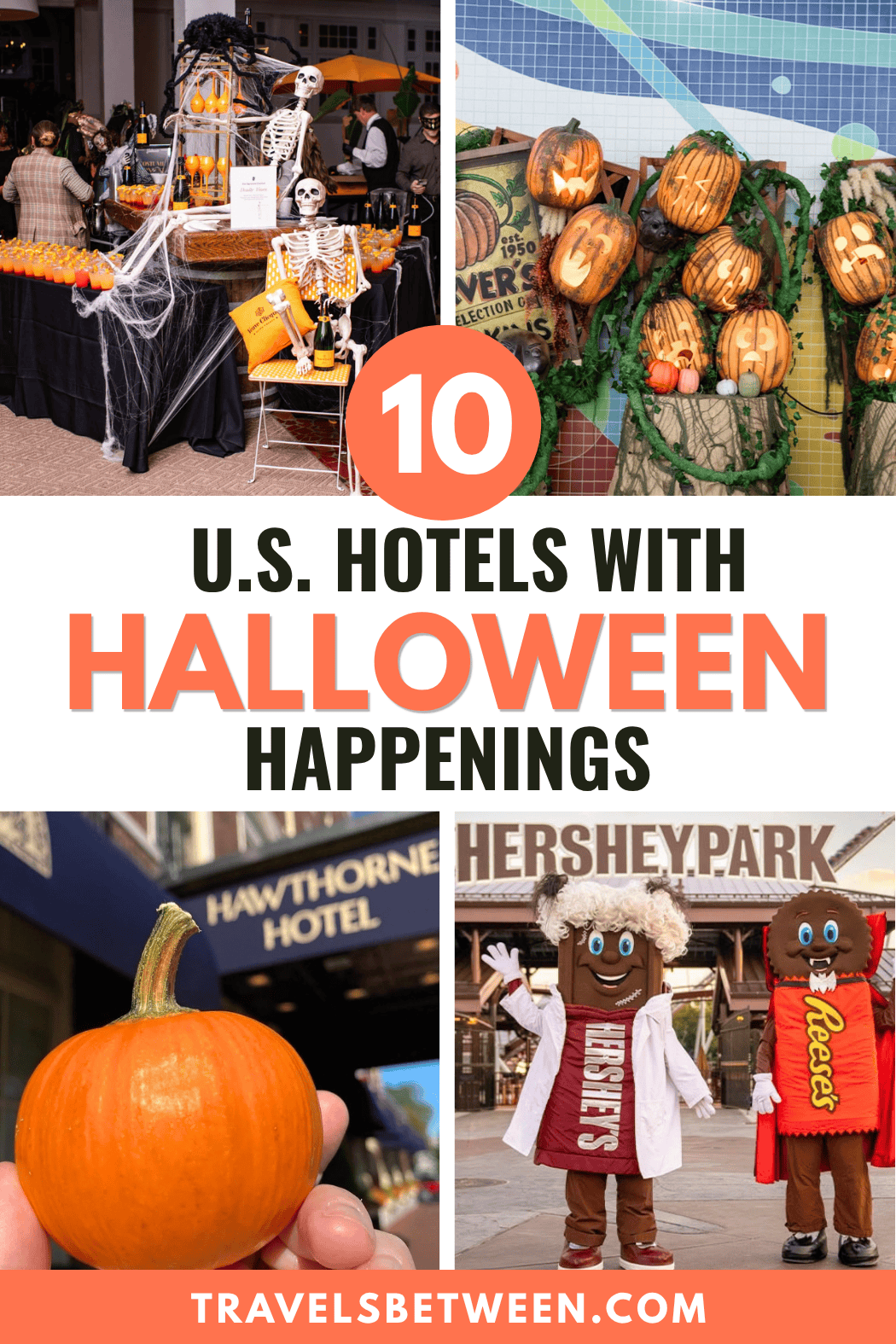
Located in the epicenter of American folklore, Salem, Massachusetts, the Hawthorne Hotel remains a focal point for the city’s October tourism. The hotel’s commitment to its reputation—grounded in centuries of local history and documented reports of paranormal activity—has created a sustainable business model for the fall. On October 24, 2026, the hotel will host its annual Halloween Ball, which serves as a cornerstone of the regional calendar.
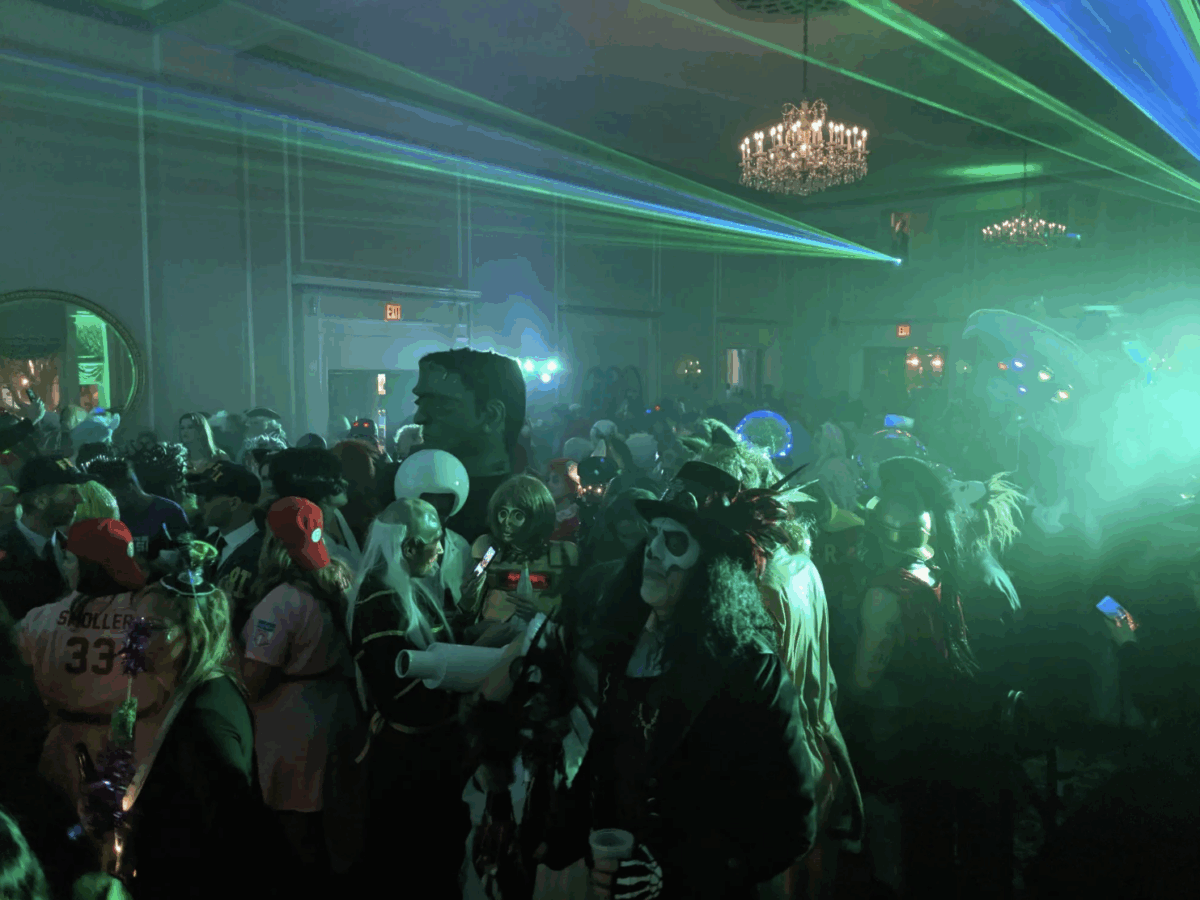
The event is strictly structured, requiring a three-night stay, which effectively manages crowd flow while maximizing revenue per available room (RevPAR). The 2026 theme, "Phobia," represents a departure from traditional costume parties, leaning into psychological horror to appeal to a more mature audience. Beyond the gala, the hotel’s year-round "Hocus Pocus" package illustrates how properties can leverage pop culture to maintain engagement outside of peak weeks. The integration of self-guided film location tours provides an economic boon to the surrounding Essex Street corridor, reinforcing the symbiotic relationship between historic hospitality and local tourism boards.
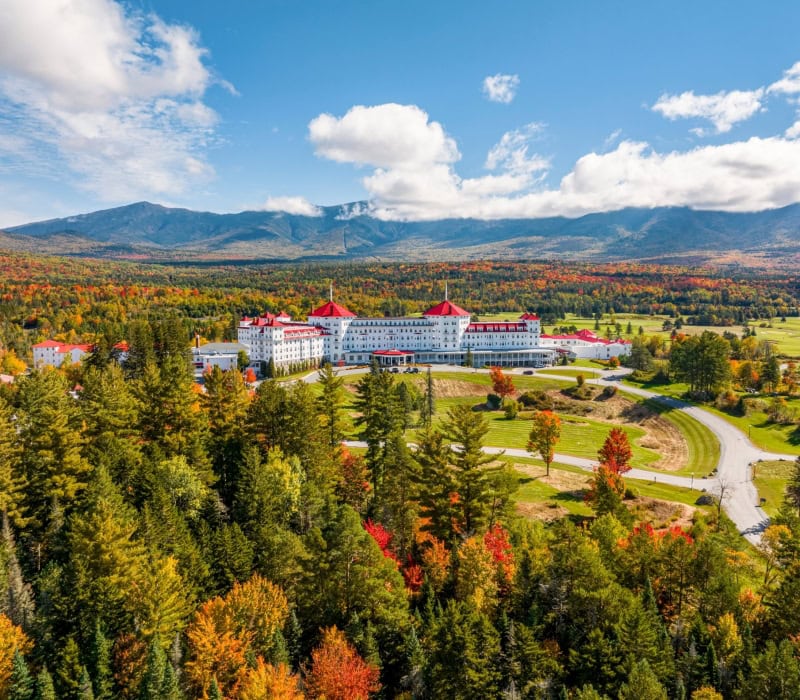
New Hampshire’s Seasonal Pivot
The Omni Mount Washington Resort in Bretton Woods, New Hampshire, demonstrates a dual-phase approach to autumn. By segmenting its offerings into an early-October Oktoberfest and a late-October Halloweekend, the resort captures two distinct market segments. The Oktoberfest, held October 2–3, 2026, focuses on cultural heritage and outdoor recreation, such as axe throwing and traditional Bavarian competition.
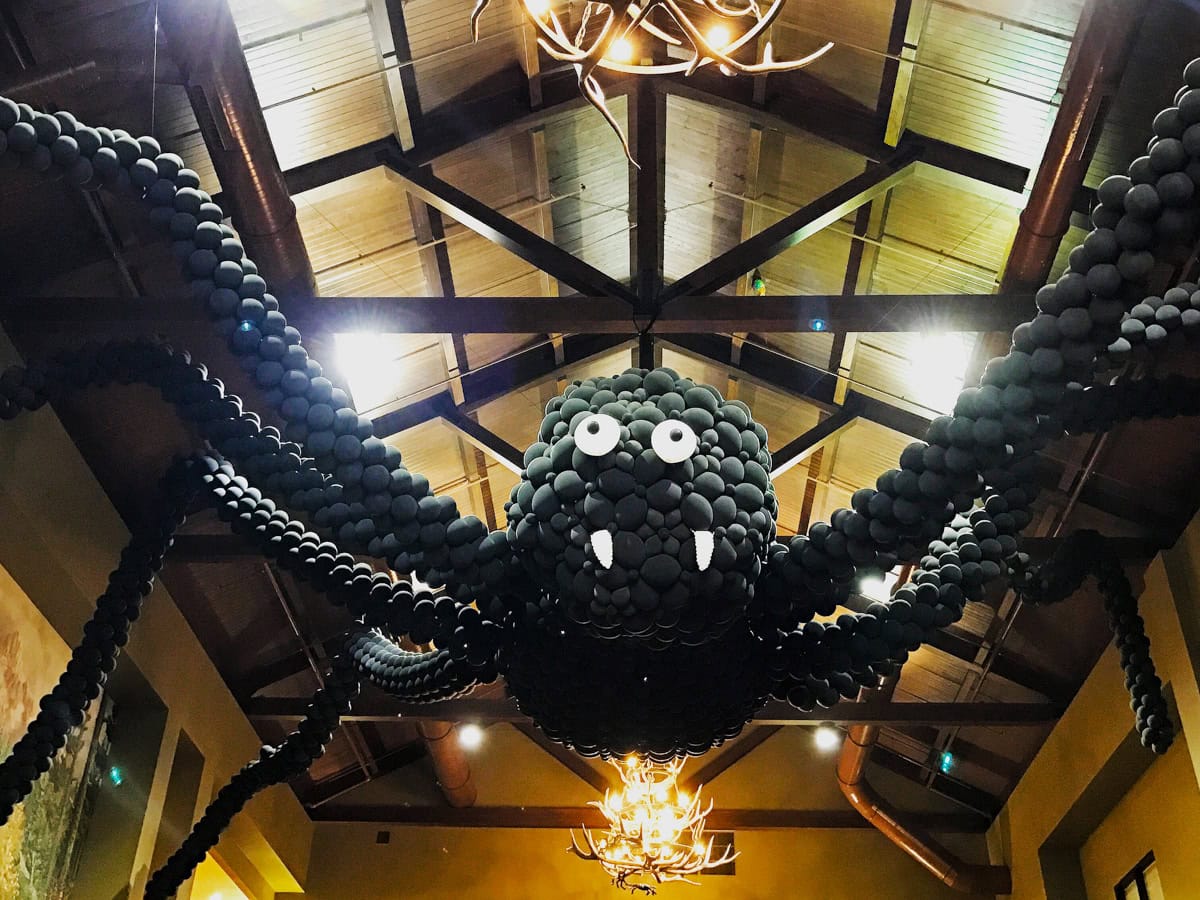
In contrast, the late-month Halloweekend is highly engineered for family demographics. The schedule includes a graduated movie marathon, shifting from G-rated seasonal classics to more intense suspense films as the evening progresses. This strategic curation allows the resort to transition from a daytime family hub to an adult-focused environment after dark, culminating in the "Spirits After Dark" bash. This tiered scheduling is a hallmark of modern resort management, ensuring that all guest segments feel catered to without compromising the integrity of the individual experiences.
The Mechanics of "Not-So-Scary" Family Tourism
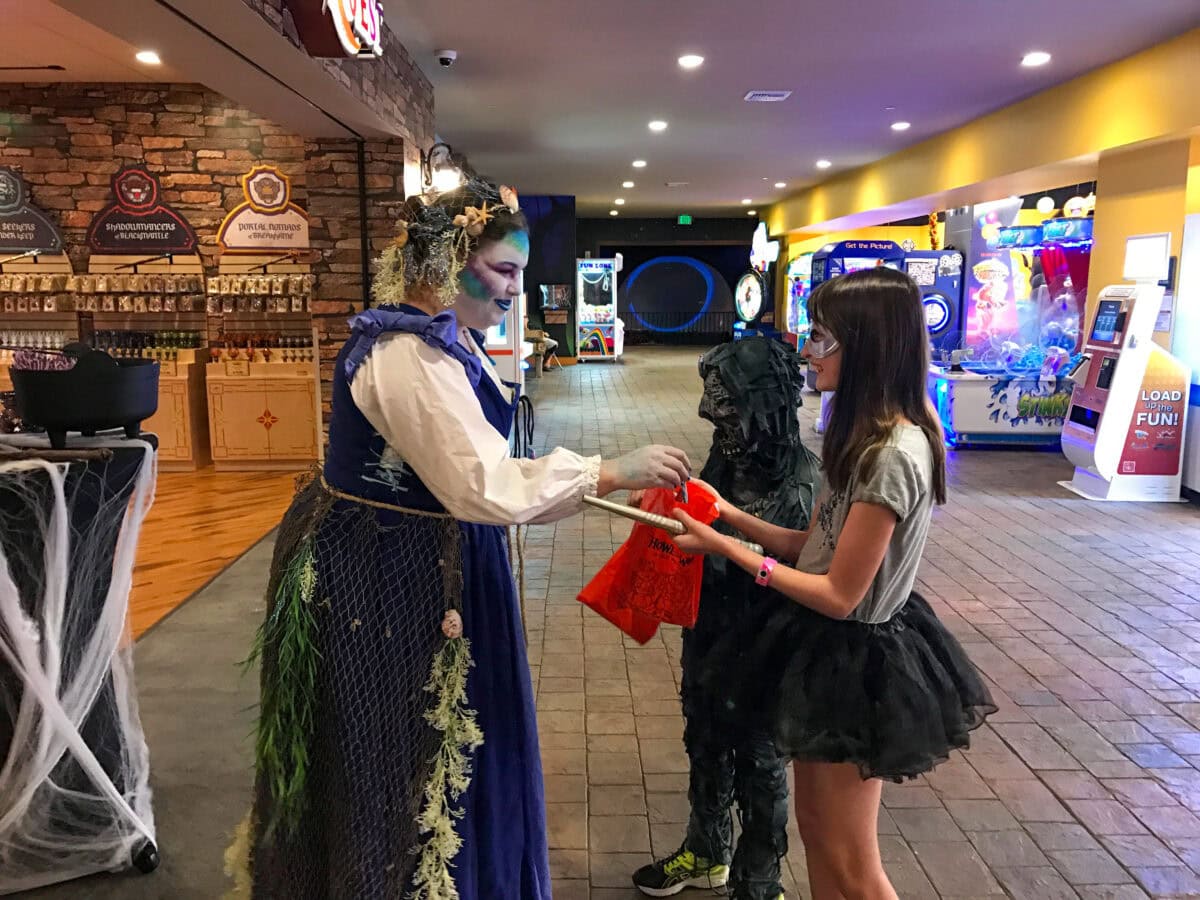
Great Wolf Lodge provides a scalable model for family-centric Halloween programming. Across its 22 U.S. locations, the brand implements a synchronized "Howl-O-Ween" campaign from late September through October 31. The reliance on standardized, high-quality decor and predictable programming—such as the Trick-Or-Treat Trail and Ghoulish Games—reduces operational friction while maintaining a high standard of guest experience. Industry analysts note that this consistency is crucial for brand loyalty, as families often return to the same resort chain expecting specific rituals. The inclusion of seasonal mocktails and specialized yoga sessions ("Yoga Tails") reflects a trend toward holistic, activity-based hospitality, moving away from simple room-only packages.
The Stanley Hotel and the Monetization of Literary Horror
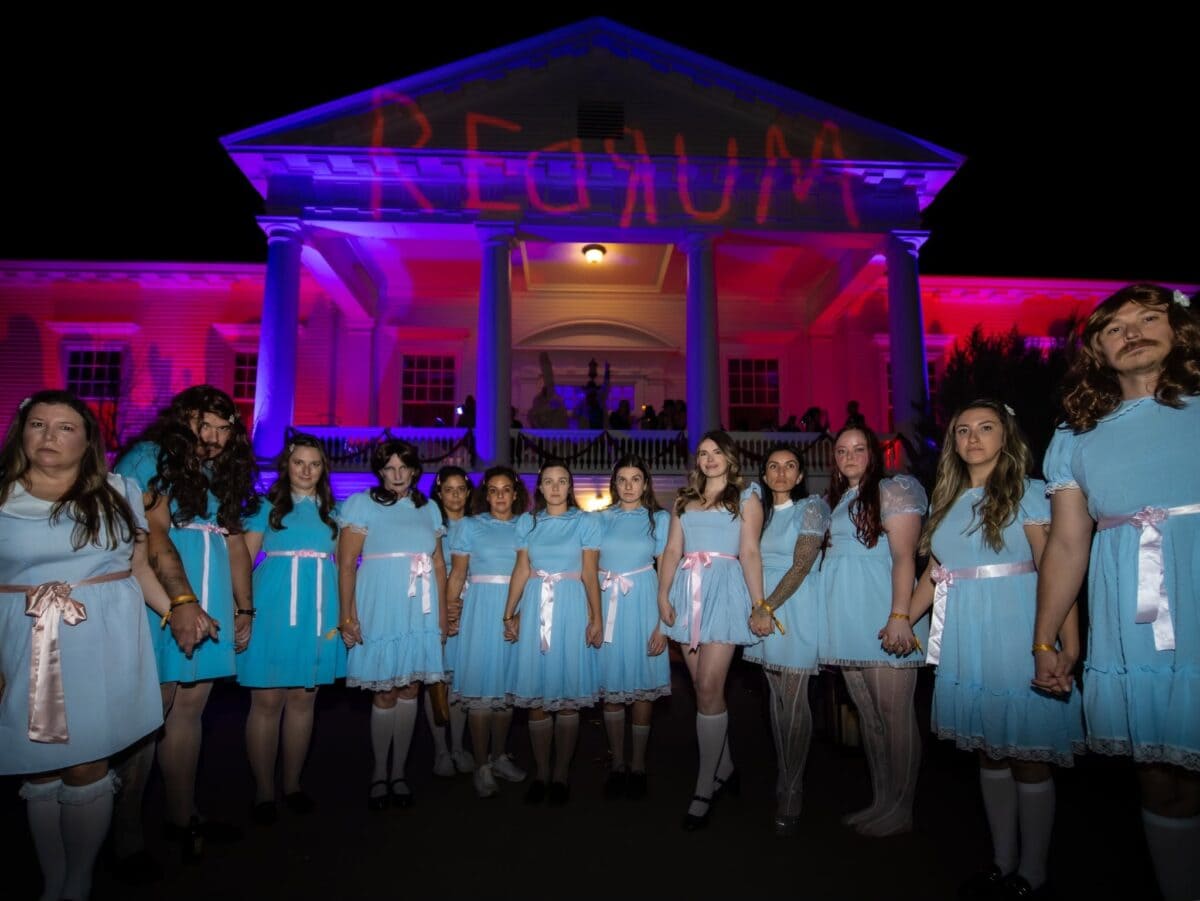
Perhaps no property in the United States capitalizes on its narrative history as effectively as The Stanley Hotel in Estes Park, Colorado. As the primary inspiration for Stephen King’s The Shining, the hotel has moved beyond simple tours to create fully immersive, ticketed events. The 2026 iteration of "The Shining Ball" on October 24 is designed as a destination event, drawing international participants. By integrating high-end entertainment, such as tarot readings and DJ-led dance floors, the property elevates the "haunted hotel" trope into a luxury experience. The inclusion of cash prizes for costume competitions further incentivizes attendance, turning the event into a competitive showcase that generates significant organic social media reach for the resort.
Regional Theme Park Partnerships
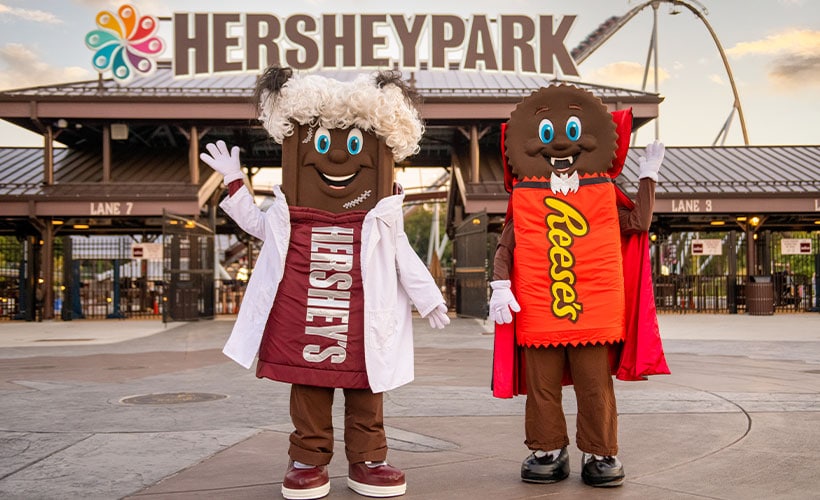
In Pennsylvania, the strategy employed by Hersheypark and its associated lodging—The Hotel Hershey, Hershey Lodge, and the Hersheypark Camping Resort—focuses on the integration of theme park access with hotel stay packages. The "Dark Nights" experience, a separately ticketed haunt attraction, represents a significant investment in specialized, high-intensity entertainment.
By offering tiered packages—ranging from simple one-night stays to the "Dark Nights 2-Night Package"—the Hershey enterprise allows guests to customize their level of intensity. This approach is highly effective in mitigating the "fear factor" risk; guests can opt for a mild, family-friendly weekend or a high-intensity, horror-focused visit. The Camping Resort’s ability to bundle rustic, low-cost accommodations with high-value theme park access highlights the versatility of the Hershey model in attracting diverse socioeconomic demographics.
Evolution of the Florida Fall Festival
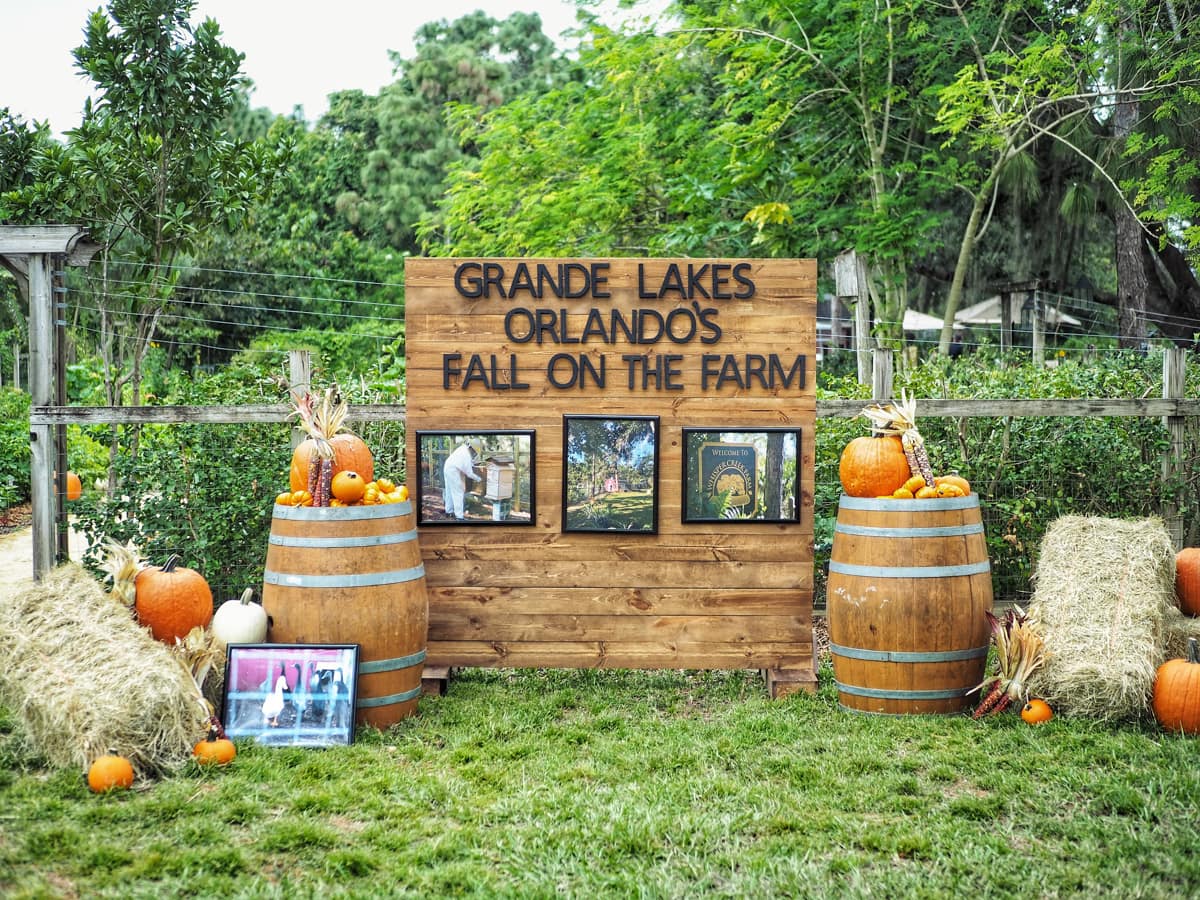
The Grande Lakes Orlando property, encompassing The Ritz-Carlton and the JW Marriott, offers a refined alternative to the more frenetic Halloween offerings in the Orlando market. The Fall Festival, scheduled for October 9–11, 2026, emphasizes luxury, outdoor recreation, and communal activities like pumpkin decorating and lakeside bike rides. By offering free access to the festival for overnight guests, the resort adds intrinsic value to the room rate. This strategy shifts the focus from the "spooky" elements of Halloween to the "seasonal harvest" aesthetic, providing a sanctuary for families seeking a more relaxed pace amidst the high-energy theme parks of central Florida.
New Hampshire’s Artisan Approach
The Mountain View Grand Resort in Whitefield, New Hampshire, provides a unique perspective on the autumn season by integrating agricultural education into its programming. The addition of "The Grand Makers Camp: Fall Edition" (October 23–25, 2026) for adults marks a pivot toward the "experience economy." By hosting workshops on seasonal crafts and dining, the resort moves beyond passive entertainment. This aligns with a growing consumer desire for participatory travel, where guests return home with new skills rather than just memories. The use of resources from the resort’s own farm, including wool from its livestock, adds an authentic, farm-to-table element that resonates with eco-conscious travelers.
The Evolution of the Halloween Bash
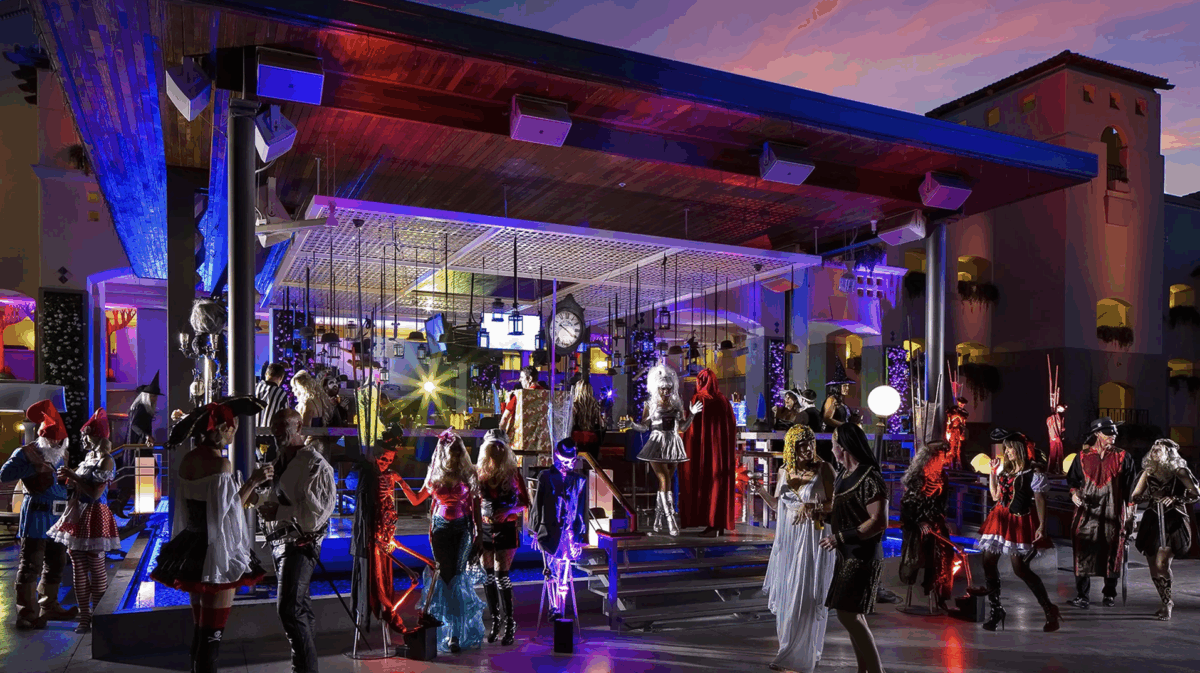
The Fairmont Scottsdale Princess in Arizona has undergone a strategic shift for 2026, moving away from its traditional daytime "Pumpkin Fest" to focus on the adult-only "Nightmare on Princess Drive." This transition suggests a shift in the resort’s demographic targeting. By focusing on a high-energy, nighttime event, the property captures a younger, social-media-savvy audience. The event’s structure—encouraging elaborate costumes and professional-level entertainment—indicates a move toward destination-event hosting, where the hotel property serves as the venue for a broader nightlife experience rather than just a place of lodging.
Luxury and Tradition at The Cavalier
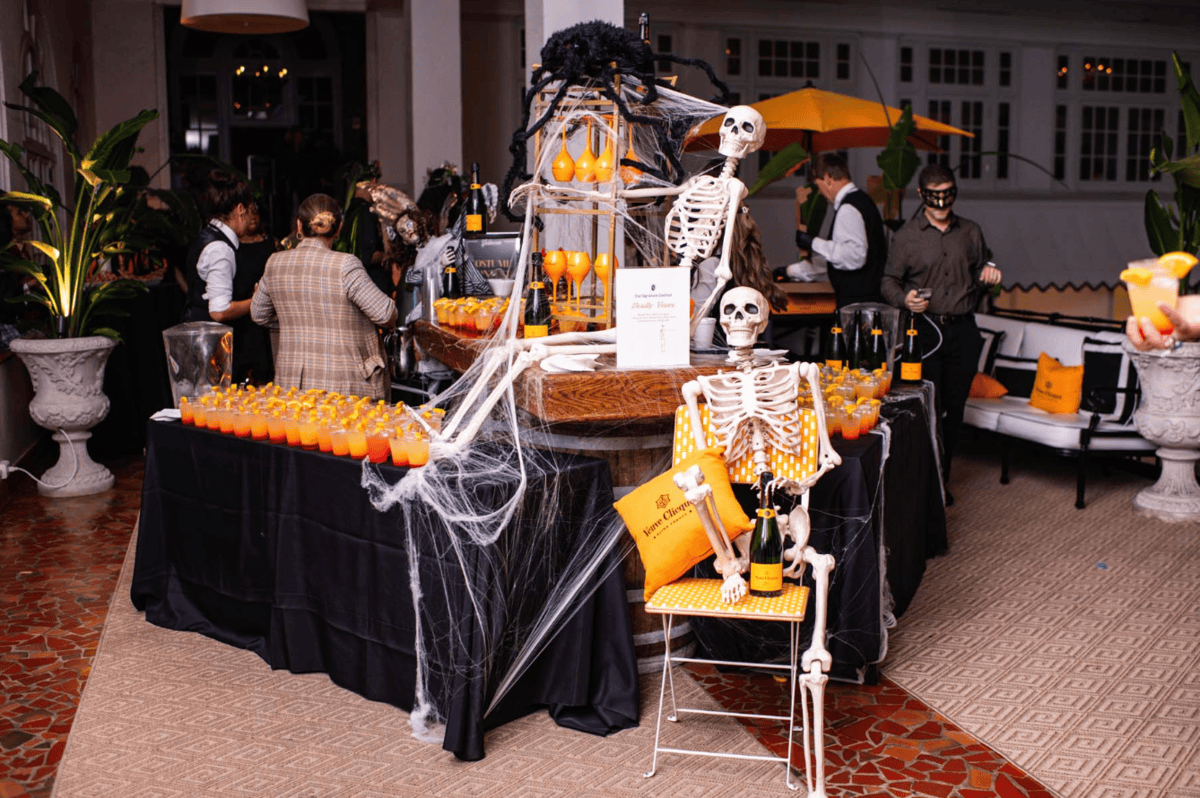
The "Yelloween" event at The Cavalier Resort in Virginia Beach offers a contrast to the rustic or haunted-themed events elsewhere. By partnering with a luxury brand like Veuve Clicquot, the resort positions itself in the high-end, sophisticated segment of the Halloween market. This event demonstrates how heritage properties can participate in seasonal festivities without sacrificing their upscale identity. The inclusion of complimentary admission for overnight guests acts as a significant incentive for high-net-worth individuals to choose The Cavalier over competing local hotels.
Broader Implications for the Hospitality Sector
The data across these diverse properties points to a clear trend: the professionalization and segmentation of Halloween as a high-revenue period. Hotels are no longer just providing beds for travelers visiting local attractions; they are becoming the attractions themselves.
From an economic perspective, the packaging of multi-night stays with high-value events allows hotels to stabilize their revenue during what was once considered a quiet period between summer vacation and the winter holidays. As these events continue to grow in complexity, the industry will likely see increased competition for "immersive" experiences, potentially leading to higher capital expenditures for resorts looking to upgrade their decor, entertainment, and safety infrastructure. For the consumer, this translates to a wider array of choices, allowing for highly personalized experiences that range from the deeply historic and haunting to the festive and opulent. The 2026 season represents a maturation of the Halloween hotel concept, solidifying its place as a cornerstone of the American travel calendar.