Jardin Majorelle and the Yves Saint Laurent Legacy: A Century of Artistic Transformation in Marrakech

The Jardin Majorelle stands as one of Morocco’s most significant cultural landmarks, representing a century-long dialogue between European artistic vision and North African aesthetic traditions. Spanning approximately 12 acres on the periphery of the Marrakech medina, this botanical garden and architectural complex serves as both a testament to the preservation of colonial-era artistry and a primary site of international fashion history. Since its public opening in 1947, the site has evolved from a private sanctuary for a French expatriate painter into a globally recognized institution that anchors the tourism and creative economy of the Marrakech region.
The Chronology of an Artistic Haven
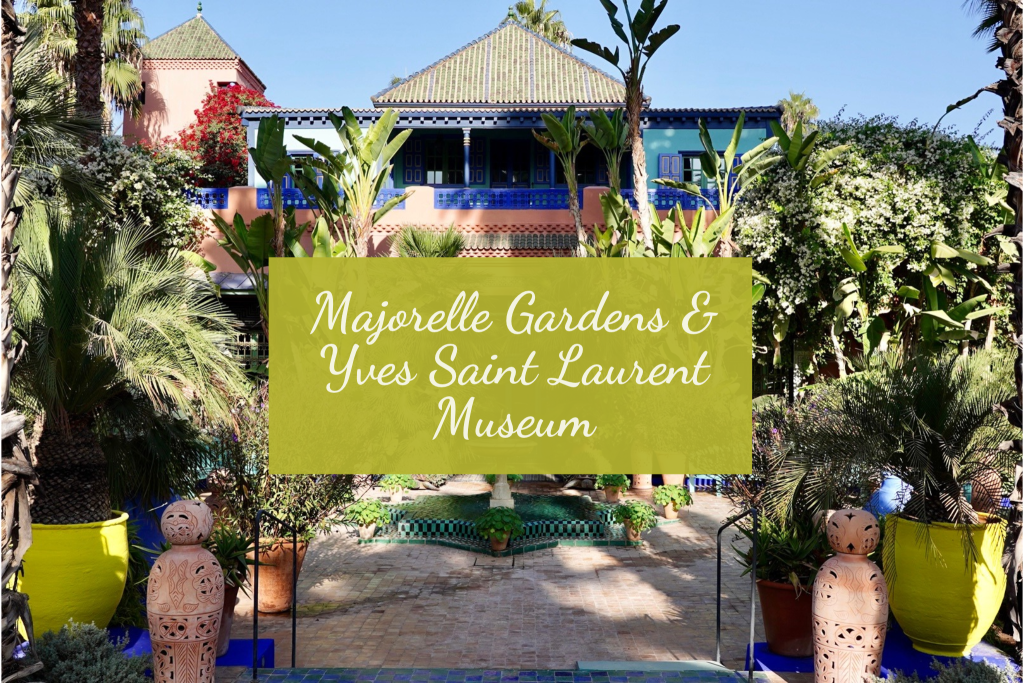
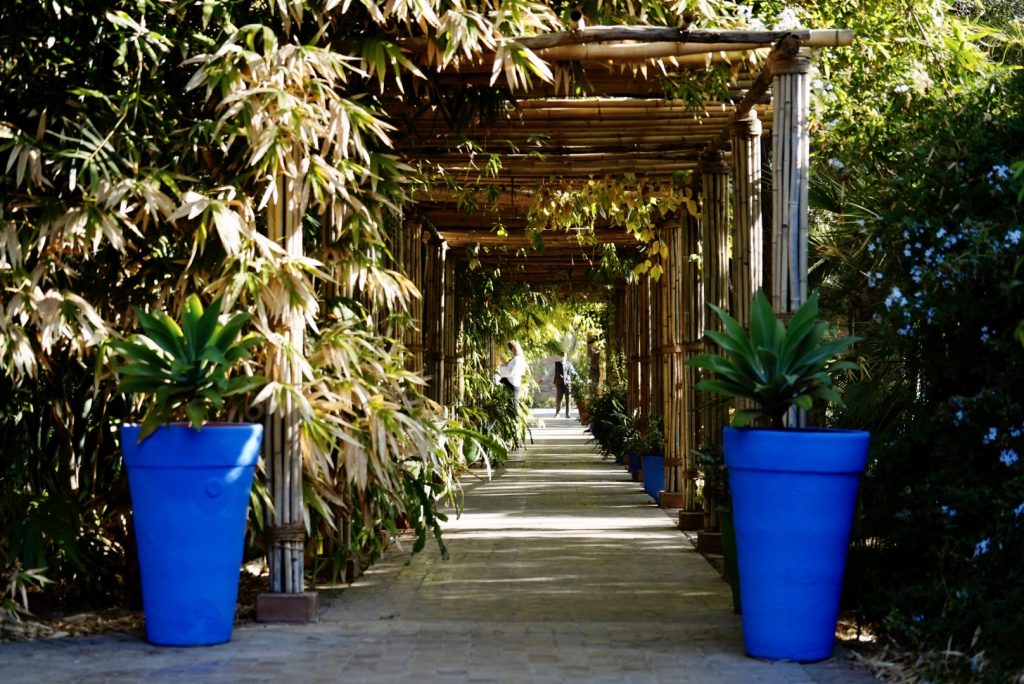
The inception of the garden dates back to 1919, when French painter Jacques Majorelle (1886–1962), the son of the renowned Art Nouveau furniture designer Louis Majorelle, relocated to Marrakech. Seeking to capture the unique quality of light and color characteristic of the Maghreb, Majorelle acquired a palm grove in 1923. Over the subsequent four decades, he systematically curated a collection of botanical specimens sourced from global expeditions, including bamboo from Asia, cacti from the Americas, and various palms from the Caribbean.
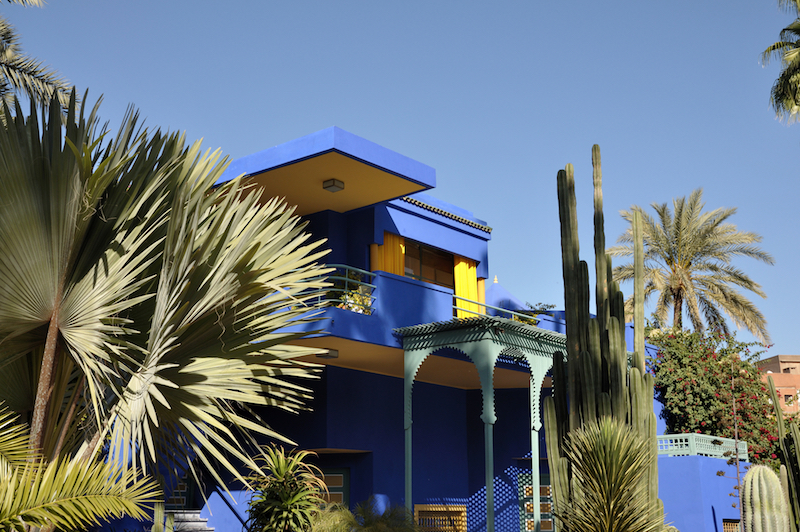
In 1931, Majorelle commissioned architect Paul Sinoir to construct a modernist, Cubist-style villa within the garden. The structure was notable for its exterior finish, painted in a striking, deep ultramarine pigment that would eventually be trademarked as "Majorelle Blue." This specific hue was derived from the traditional indigo dyes used in Tuareg garments and the vibrant, geometric zellige tilework found throughout Fez.
Following Majorelle’s death in 1962, the property fell into a period of neglect. The irrigation systems failed, and the botanical collection began to wither, threatening the integrity of the artist’s life work. The rescue of the site occurred in 1966, when the French fashion designer Yves Saint Laurent and his business partner, Pierre Bergé, visited Marrakech. Recognizing the historical and aesthetic value of the garden, the pair acquired the property in 1980 to prevent its potential conversion into a real estate development. Their intervention included a comprehensive restoration of the villa and the revitalized maintenance of the diverse botanical species.
Institutional Stewardship and the Foundation
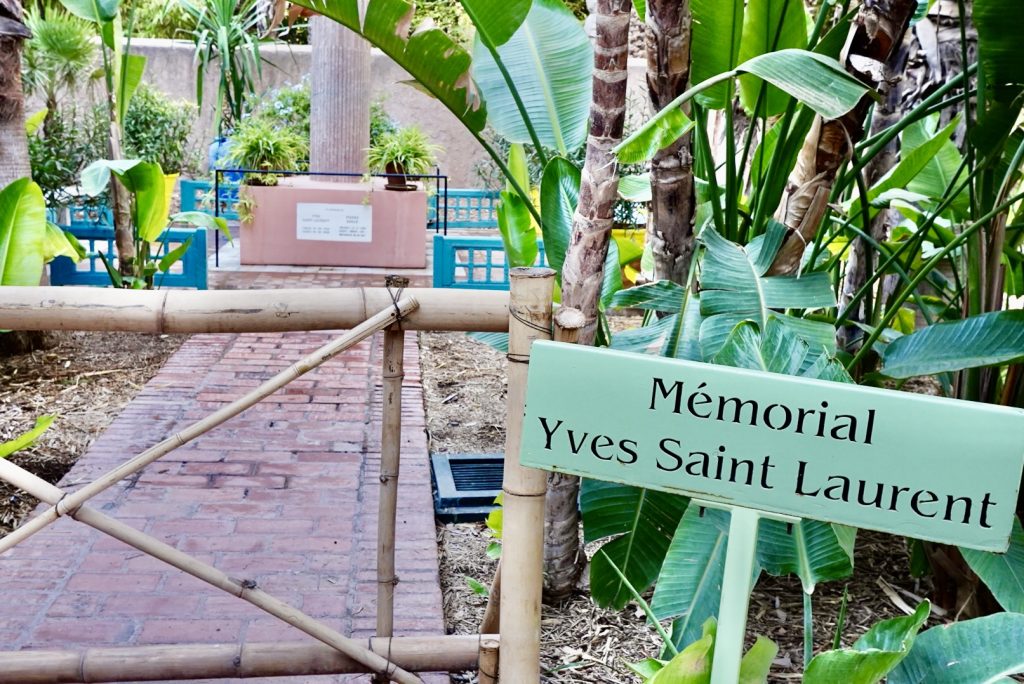
Upon the death of Yves Saint Laurent in 2008, his ashes were scattered in the garden’s rose garden, and a Roman-style commemorative column was erected in his honor. To ensure the long-term preservation of the site, ownership was transferred to the Fondation Pierre Bergé–Yves Saint Laurent. This non-profit organization now manages the Jardin Majorelle as a public trust.
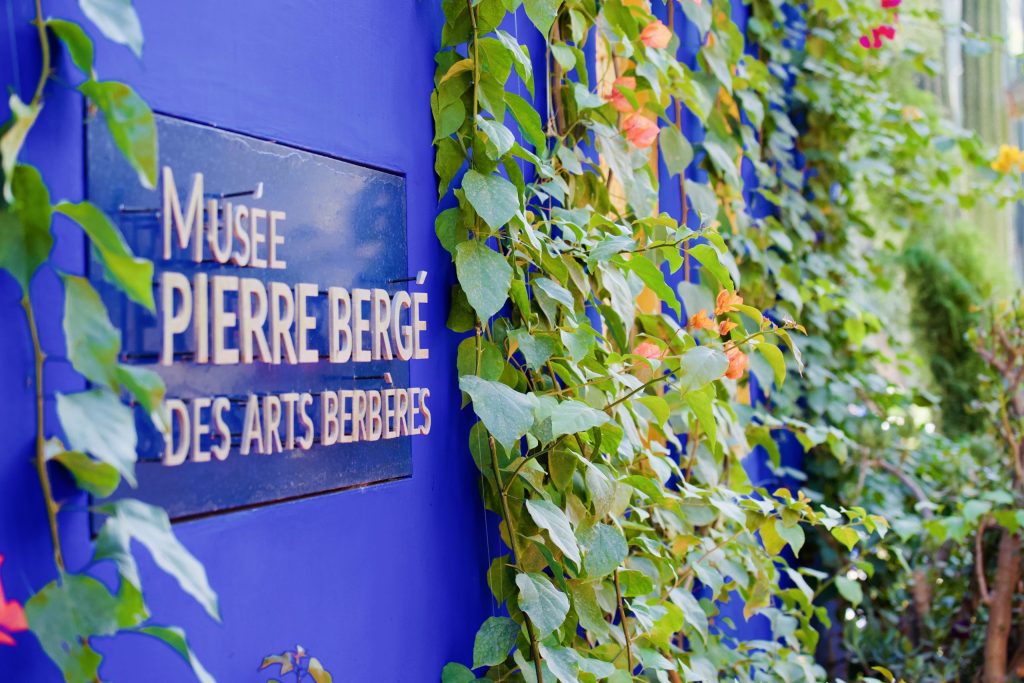
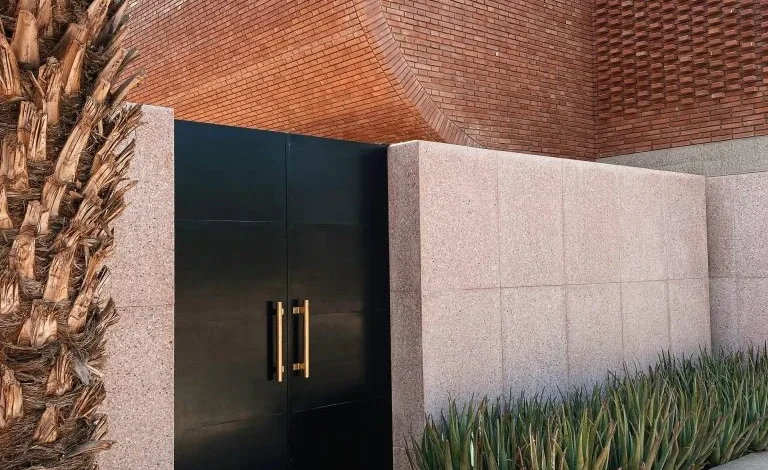
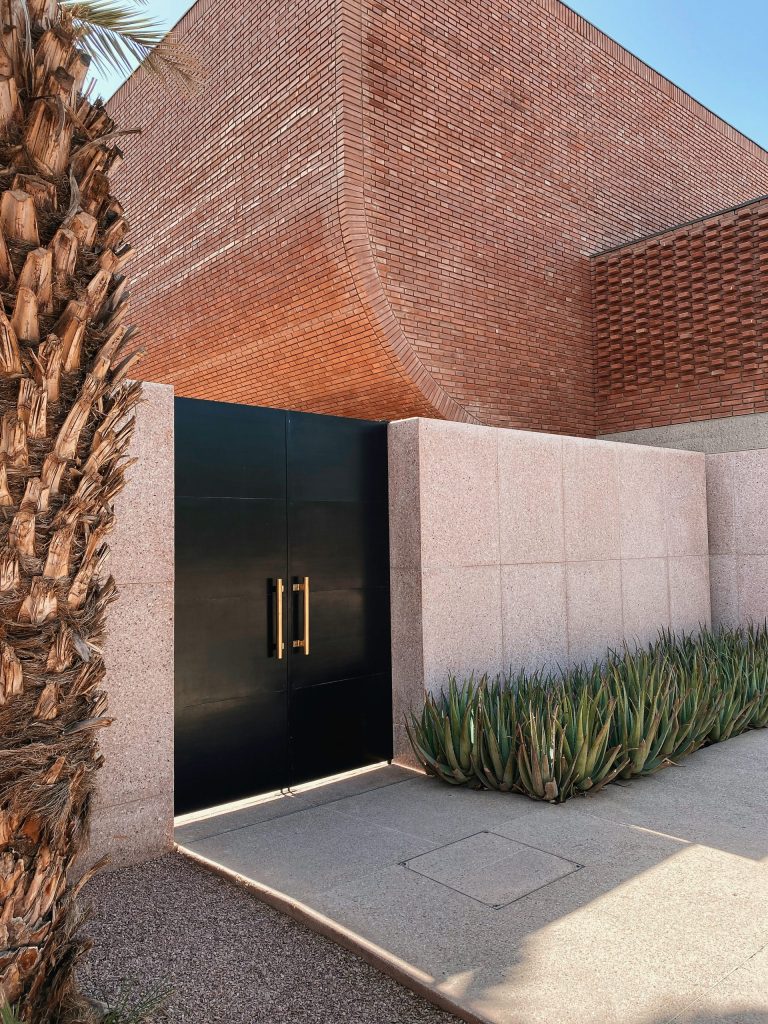
The foundation’s mandate extends beyond mere maintenance; it operates as a major cultural engine. The financial model of the garden relies on entrance fees and retail operations, which in turn fund educational programs, local conservation efforts, and the maintenance of the Musée Yves Saint Laurent, which opened adjacent to the garden in 2017. The museum, designed by the architectural firm Studio KO, provides a specialized space for the exhibition of 5,000 garments and 15,000 accessories from the Saint Laurent archives, analyzing the designer’s reliance on Moroccan cultural motifs, such as the djellaba and the vibrant palettes of the souks, to inform his high-fashion collections.
Impact of Botanical and Architectural Design
The Jardin Majorelle is frequently cited by landscape historians as a prime example of the "Orientalist" garden movement, yet it remains distinct due to its integration of modernism. The site acts as a botanical intersection, housing over 300 species of plants. The strategic placement of these plants creates a controlled, rhythmic environment that stands in stark contrast to the chaotic density of the nearby medina.
Data regarding visitor metrics indicate that the site consistently ranks as one of the most frequented tourist destinations in Morocco. The controlled flow of visitors through the garden paths—designed to minimize environmental impact on the delicate root systems of the palms—demonstrates a commitment to sustainable cultural tourism. The garden’s influence on global design is measurable; the ubiquity of "Majorelle Blue" in interior design and fashion remains a direct result of the site’s enduring visibility.
Economic and Cultural Implications
The transformation of the garden into a public museum complex has had a ripple effect on the economy of Marrakech. The surrounding Gueliz district has experienced significant development, with the museum serving as a focal point for the city’s contemporary art scene. The Fondation’s focus on responsible tourism has set a precedent for other heritage sites in the country, emphasizing the role of private foundations in protecting architectural history.
Furthermore, the integration of the museum into the urban fabric of Marrakech has fostered a symbiotic relationship between local craftsmanship and global high fashion. The museum’s rotating exhibitions frequently highlight the influence of North African textiles on modern tailoring, reinforcing Marrakech’s status as a hub for artistic exchange. By hosting educational workshops and cultural events, the institution facilitates a broader dialogue regarding the role of heritage in modern society.
Technical and Operational Considerations
For the institution, managing a site that experiences such high foot traffic requires rigorous operational standards. The Jardin Majorelle adheres to strict conservation protocols to manage water usage, a critical concern in the semi-arid climate of Morocco. The irrigation systems are monitored to ensure the survival of the varied, non-indigenous species that define the garden’s aesthetic.

The Musée Yves Saint Laurent operates on a conservation-first basis, utilizing climate-controlled storage for the vast collection of sketches, accessories, and haute couture garments. The facility serves as a research center, providing scholars and fashion historians with access to the archives that detail the transition of Saint Laurent’s work from the structured, monochrome aesthetic of his early career to the color-saturated, North African-inspired collections of his later years.
Future Outlook and Sustainability
As of the current decade, the management of the Jardin Majorelle remains focused on the "responsible tourism" framework. The foundation has increasingly sought to align its initiatives with the High Atlas Foundation and other local entities to ensure that the economic benefits of the site’s popularity are distributed within the local community. By supporting initiatives that range from environmental sustainability to social development, the foundation ensures that the legacy of both Majorelle and Saint Laurent remains relevant to the contemporary Moroccan context.
The endurance of the Jardin Majorelle serves as an object lesson in cultural preservation. It demonstrates that the survival of historical landmarks is rarely accidental; it is the result of deliberate institutional strategy, significant financial investment, and a consistent commitment to maintaining the "living" nature of the art. Whether viewed through the lens of a horticulturist, a fashion historian, or a casual observer, the site offers a profound case study in how two distinct eras of creative leadership can harmonize to preserve a singular, iconic vision of beauty. As the garden enters its second century of operation, its role as a bridge between Marrakech’s past and its future remains secure, serving as a testament to the power of aesthetic influence to shape, and eventually define, a city’s global identity.