Montenegro Travel Costs: A Comprehensive Financial Breakdown of the Balkans’ Best-Value Destination Compared to Croatia

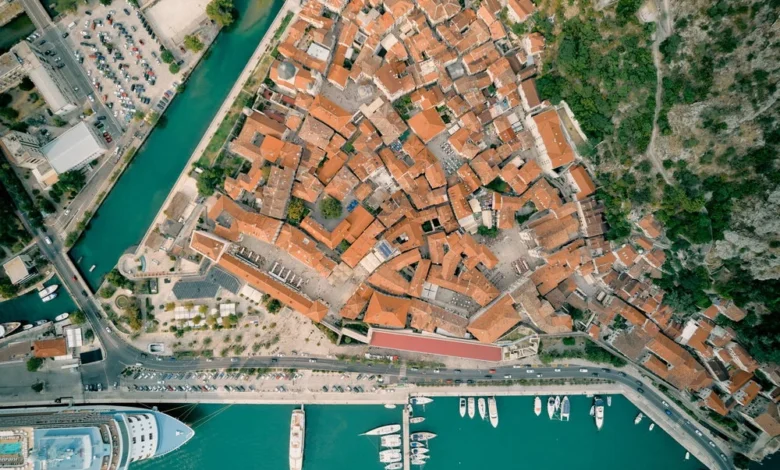
Travelers fresh from the sun-drenched, yet increasingly expensive coastlines of Croatia often look to neighboring Montenegro under the assumption that a shared geography implies identical expenses. Sharing the same dramatic limestone karst topography, azure Adriatic waters, and the euro as an official currency—despite Montenegro not being an official member of the eurozone—it is easy to presuppose parity in vacation expenditures. However, an in-depth financial analysis of a classic ten-day coastal and mountain loop reveals a striking divergence in travel economics, particularly regarding the cost of accessing premier tourist attractions. While accommodation and terrace dining remain subject to regional pressures and seasonal surges, the state-regulated costs of natural wonders and cultural heritage sites present a profound financial contrast to the rest of the Adriatic.
Core Structural Realities of Montenegrin Tourism Economics
Understanding the monetary framework of Montenegro requires acknowledging a unique macroeconomic quirk: the unilateral adoption of the euro. Since abandoning the German mark in 2002, the nation has utilized European currency without participating in the monetary union or maintaining a seat on the European Central Bank’s governing council. Consequently, financial transactions are standardized, with credit cards widely accepted in hotels and major urban dining establishments, while cash remains essential for minor fees, municipal tourist taxes, and rural vendors.

Travel planning for the region must account for the mandatory tourist tax, a statutory levy applied across the country. Adult travelers are required to pay a nominal fee of €1 per night, which is halved for adolescents aged 12 to 18 and waived entirely for young children. Though seemingly minor, this cumulative charge represents an unavoidable line item that is typically settled in cash upon check-in at independent properties and guesthouses.
Accommodation and Lodging Disparities Across Regions
As is standard across Mediterranean destinations, accommodation serves as the primary driver of overall travel expenditure. Market data from late 2026 indicates that location choice outweighs seasonality in determining baseline costs, though the geographical divide between the historic bay, the resort strips, and the northern highlands remains pronounced.
Kotor retains its status as the most financially demanding base for travelers, heavily influenced by maritime tourism and the influx of large cruise liners docking in the Bay of Kotor. Hostel dormitories in Kotor command floor prices starting around €10 per night, though typical listings cluster between €20 and €30. Conversely, Budva, the nation’s premier coastal resort hub, and Žabljak, the alpine gateway to Durmitor National Park, offer slightly lower entry thresholds, with basic hostel beds averaging between €10 and €20 depending on the exact sub-season.
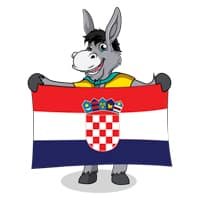
For private rooms, family-run guesthouses, and mid-tier hotels, pricing scales dynamically. Standard guesthouse doubles generally range from €30 to €60 per night, while three- and four-star establishments span €60 to €120. Prime seafront properties in Kotor or Budva routinely exceed €150 per night during the peak summer months of July and August. Budva, in particular, exhibits extreme volatility; its massive inventory of tourist rooms makes it acutely sensitive to high-season spikes. Travel industry analysts consistently advise basing stays in Petrovac or Kotor for those prioritizing a quieter experience, reserving Budva visits strictly for the shoulder months of June and September to mitigate costs.
Dining Out and Culinary Pricing Benchmarks
Culinary expenses in Montenegro closely mirror those of coastal Croatia for basic meals, but diverge significantly when factoring in the auxiliary cost of terrace culture and beverage consumption. Crowdsourced economic data compiled across major urban and tourist centers highlights distinct regional pricing structures.
In the capital city of Podgorica—serving as an authentic baseline unaffected by heavy tourist inflation—a standard casual meal costs approximately €10, while a traditional local cappuccino is priced at an affordable €1.95. In contrast, coastal resort areas experience marked inflationary pressures. A comparable casual meal in Budva averages €13, while Kotor registers around €10 for a low-end dining option.

Beverage pricing highlights the economic impact of location. A standard 0.5-liter serving of local beer costs €2.50 in Kotor and Podgorica, but escalates to €4.25 in Budva’s prime tourist terraces. Over an extended ten-day itinerary, the cumulative variance in beverage and terrace markup can easily match the cost of an additional night of budget accommodation. Mid-range, three-course dinners for two average €52.50 in Kotor and scale up to €60 in Budva.
Transportation Infrastructure and Transit Tariffs
Navigating Montenegro’s challenging terrain requires an understanding of localized transport networks, ranging from coastal ferry crossings to regional bus lines.
A quintessential fixture of regional transit is the Kamenari to Lepetane ferry crossing, which bisects the Bay of Kotor and eliminates approximately 40 minutes of driving time around the perimeter. Official operator tariffs set the crossing fee at €5 for standard passenger automobiles, €2.50 for motorcycles, and zero cost for pedestrians or cyclists. Travelers operating on flexible schedules can alternatively utilize the scenic coastal road encircling the bay at no financial charge.
Intercity bus travel remains economically efficient, though minor administrative practices warrant attention. Standard routes connecting Kotor to Budva range between €2 and €4, while longer journeys from Podgorica to Budva cost €7 to €10, and transit northward to Žabljak runs €10 to €12. A common point of confusion for international visitors involves luggage handling fees: regional bus operators routinely charge a €1 cash fee per bag stored in the vehicle’s hold, payable directly to the driver regardless of whether tickets were purchased in advance online.
The Decisive Factor: National Park Fees and Heritage Sites
The most significant financial revelation for travelers comparing Montenegro to neighboring Balkan destinations lies in the cost of accessing natural and cultural landmarks.
Montenegro’s national park system operates under a unified, highly subsidized pricing structure established by the state. Day admission tickets for major ecological preserves remain remarkably economical:
- Durmitor National Park (including Black Lake and Tara River canyon viewpoints): €5 per person
- Lake Skadar National Park: €5 per person
- Biogradska Gora National Park: €4 per person
- Lovćen National Park (encompassing the mausoleum access road): €3 per person
- Annual multi-park pass covering all five national reserves: €13.50
This pricing strategy creates a stark contrast with regional alternatives. By comparison, Croatia’s Plitvice Lakes and Krka National Parks levy high-season adult admission fees of up to €40 during summer months. Consequently, exploring Montenegro’s rugged interior, glacial lakes, and Europe’s deepest river canyon incurs a fraction of the sightseeing costs associated with the broader Adriatic tourism market.
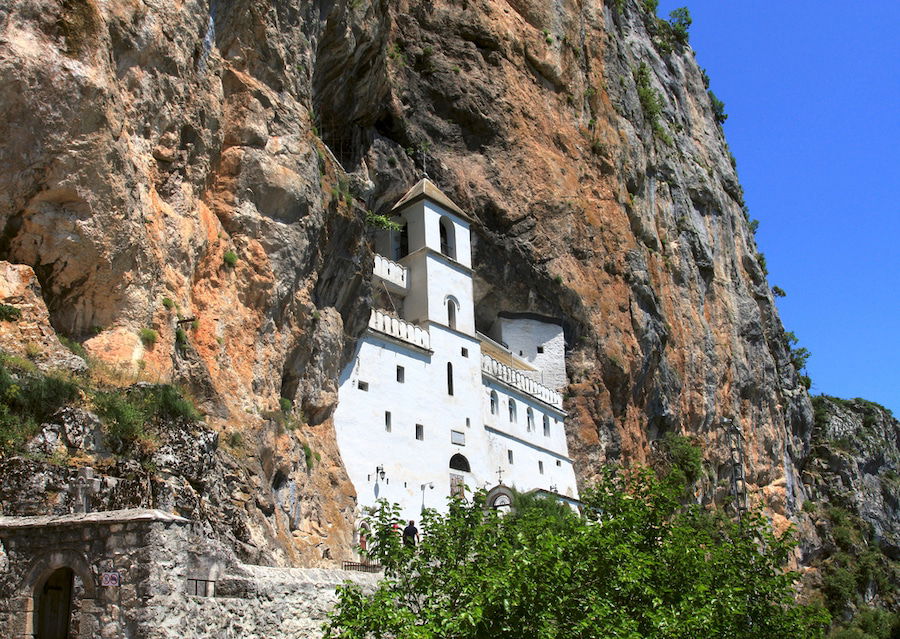
Cultural and historical monuments follow a similarly accessible model. The celebrated Ostrog Monastery, dramatically hewn into a vertical cliff face, charges no formal admission fee, operating strictly on voluntary donations. However, specific high-demand architectural sites reflect localized commercialization. The historic defensive fortifications of Kotor—comprising the strenuous climb to St. John’s Fortress—carry a municipal admission fee of €15 per person, enforced from March 1 through November 30. Outside this window, ticket booths remain unstaffed, allowing free access during the winter months.
Additional landmark pricing includes an €8 entry fee for the Njegoš Mausoleum atop Lovćen (separate from the park entrance fee), and approximately €7 for combined boat transport and museum entry to Our Lady of the Rocks off the coast of Perast.
Comprehensive Ten-Day Itinerary Expense Analysis
To evaluate the aggregate financial impact of a standard ten-day Montenegrin loop—spanning the Bay of Kotor, Lovćen, Ostrog, Durmitor, Lake Skadar, and Budva—analysts have compiled a cumulative breakdown of mandatory sightseeing and administrative fees:
- Kotor fortress walls (peak season): €15
- Our Lady of the Rocks (boat and museum): €7
- Lovćen National Park and Mausoleum: €11
- Ostrog Monastery: €0
- Durmitor National Park (two-day access): €10
- Lake Skadar National Park: €5
- Kamenari-Lepetane car ferry crossing: €5
- Mandatory tourist tax (nine nights): €9
- Total official sightseeing expenditure: €62
When factoring in optional recreational enhancements—such as a full-day Tara River rafting excursion (€50 to €90) or a guided boat tour on Lake Skadar (€20)—total activity expenditures remain exceptionally modest, typically falling below €140 for the entire trip.
Budget Travel Tier Projections
Based on these structural realities, travel expenditure across three distinct stylistic tiers for a ten-day journey breaks down as follows:

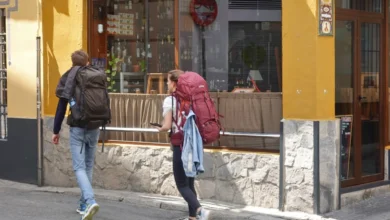
- Backpacker Style: Utilizing hostel dormitories (€10–€20 per night), consuming one casual restaurant meal daily (€10–€13), relying entirely on public intercity buses, and absorbing the baseline €62 in sightseeing fees. Daily expenditures generally hover between €40 and €50.
- Mid-Range Style: Incorporating private guesthouse doubles (€30–€60 per night), regular sit-down dining (€50–€60 for two), car rental integration, and standard ferry tolls. Projected daily expenses range from €100 to €130 per person, excluding vehicle rental fluctuations.
- Comfort Style: Committing to premier seafront accommodations exceeding €150 per night, fine seafood dining, private boating excursions, and chauffeured transport. At this tier, standardized sightseeing fees become financially negligible, aligning total trip costs with high-end Western European travel averages.
Seasonal Implications for Cost-Conscious Travelers
While the state-enforced pricing of national parks and ferry services remains static throughout the calendar year, seasonal fluctuations heavily dictate lodging and hospitality expenses. Peak occupancy rates in July and August drive up accommodation costs in coastal hubs like Budva and Kotor, mirroring broader Mediterranean trends. Conversely, visiting during the shoulder months of September and October preserves favorable sea temperatures and fully accessible alpine hiking trails while restoring local dining and beverage tariffs to baseline levels.
Ultimately, industry experts emphasize that travelers should not select Montenegro strictly under the presumption of universal discount travel, but rather for its exceptional natural value proposition. By keeping park and monument entry fees exceptionally low, Montenegro allows visitors to reallocate travel budgets toward superior accommodations and culinary experiences without sacrificing access to world-class geographical wonders.