The Evolution of Solo Female Travel: Why Your Thirties Are the Golden Decade for Independent Exploration


The modern travel landscape has undergone a profound transformation over the past two decades, driven largely by demographic shifts in independent tourism. As travelers age out of traditional backpacking demographics, industry analysts and lifestyle researchers are noting a significant surge in solo female travel among women in their thirties. Far from slowing down, independent women aged 30 to 39 are redefining the parameters of global exploration, leveraging increased financial stability, heightened personal confidence, and evolved psychological priorities to curate more meaningful travel experiences.
This demographic shift challenges long-held stereotypes about age-appropriate leisure and highlights a broader cultural trend toward delayed conventional milestones, such as marriage and homeownership. According to recent tourism board data and demographic studies, solo travel among women has risen steadily over the last ten years, with the 30-plus segment showing the highest year-on-year growth in booking values and extended trip durations.
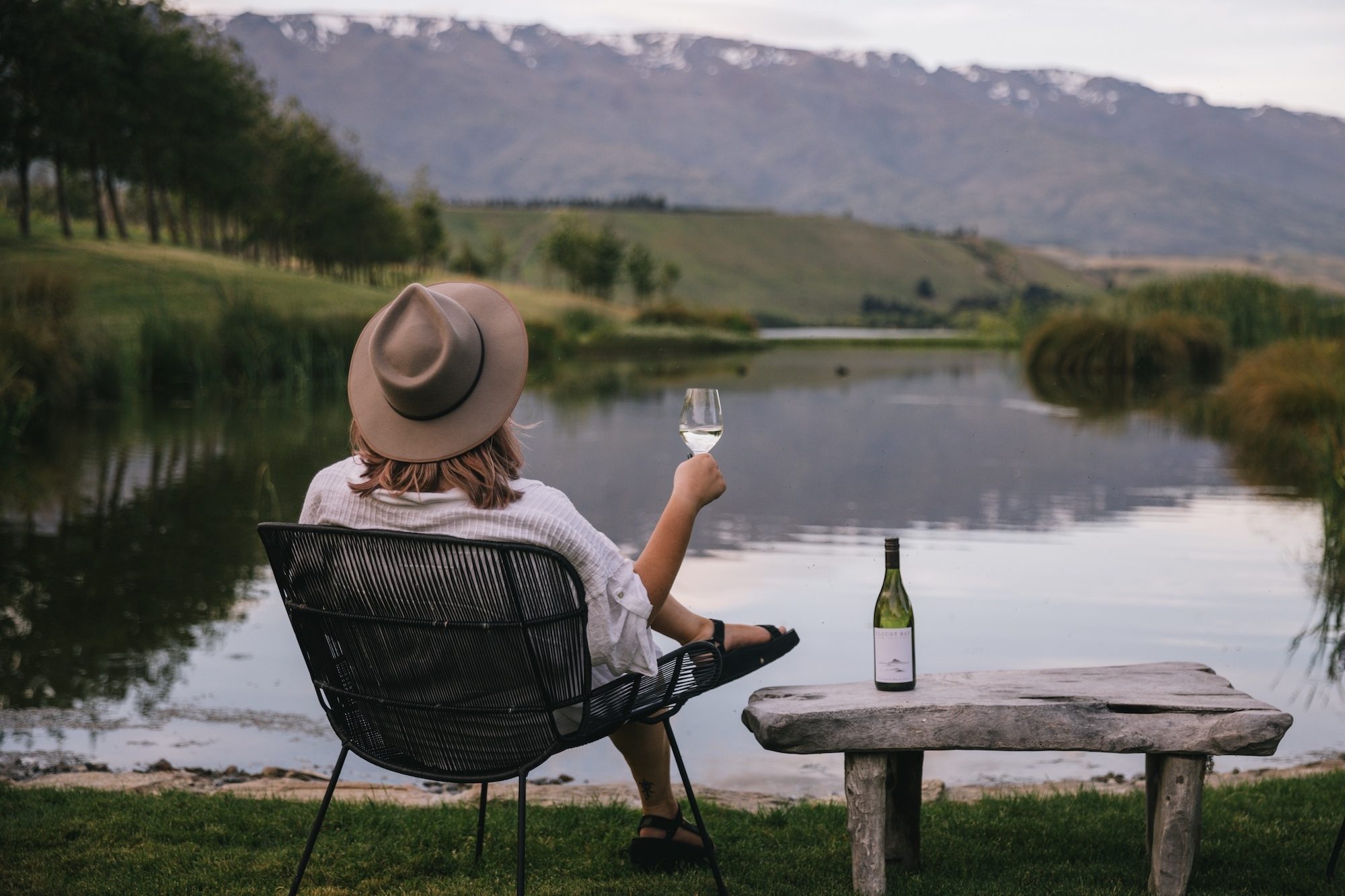
A Changing Global Tourism Landscape
To understand the current resurgence of solo travel among women in their thirties, industry historians point to the technological and logistical evolution of the tourism sector over the past seventeen years. Women currently traveling in their mid-to-late thirties typically took their first independent overseas trips in the mid-2000s—an era defined by analog navigation, payphones, physical paper maps, and internet cafes.
Backpackers from that era routinely relied on physical guidebooks, local tourism information centers, and landline calling cards to maintain contact with home. The absence of smartphones and real-time translation apps forced a high degree of immersion and forced social interaction, cultivating robust baseline survival skills and situational awareness.
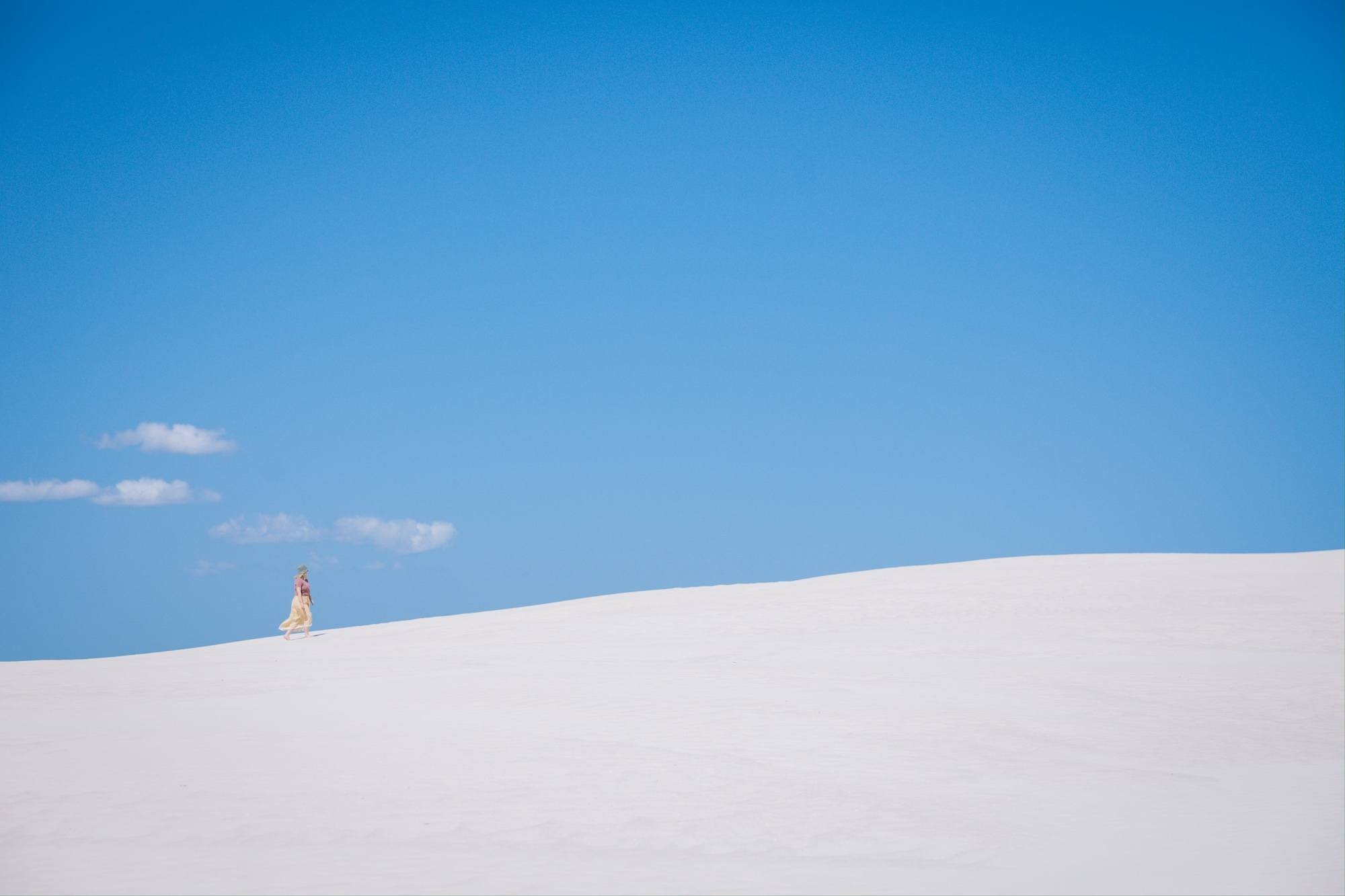
As these travelers transitioned into their thirties, the proliferation of digital travel platforms, premium booking applications, and global connectivity fundamentally altered how they navigate the world. Rather than diminishing the spirit of adventure, modern conveniences have allowed mature solo travelers to optimize their time, prioritizing safety, comfort, and cultural depth over logistical friction.
Financial Maturation and Economic Impact
A primary driver behind the evolution of solo travel in the fourth decade of life is economic consolidation. While tourism industry statistics historically targeted budget-conscious students and young adults in their early twenties, the spending power of the 30-plus solo demographic has become a major economic force.

Economic data tracking generational spending habits indicates that women in their thirties generally possess higher disposable income, lower ratios of high-interest consumer debt, and greater career stability compared to their university-aged counterparts. This financial maturation directly translates into shifting consumer preferences within the hospitality and aviation sectors.
Market researchers note a marked decline in the utilization of high-density hostels, overnight airport terminal stays, and ultra-budget carriers among travelers aged 30 and above. Instead, this demographic fuels demand for boutique accommodations, premium economy and business class air travel, private ground transportation, and curated culinary experiences. Consequently, tourism operators are increasingly tailoring itineraries to accommodate the sophisticated demands of financially independent solo travelers who are willing to pay a premium for comfort, reliability, and exclusivity.
Psychological Development and Assertiveness

Beyond economics, developmental psychologists emphasize that the thirties often mark a period of decisive psychological consolidation. Women in this age bracket frequently report a heightened sense of self-efficacy and a diminished adherence to social conditioning that prioritizes politeness over personal boundaries.
In the context of international travel, this translates into superior risk management and conflict resolution. While younger travelers may hesitate to challenge aggressive vendors, erroneous hotel bookings, or intrusive behavior due to social anxiety or inexperience, mature solo travelers demonstrate a sharpened intuition and an enhanced willingness to enforce firm boundaries.
Criminologists and travel safety experts observe that seasoned solo female travelers rely heavily on developed situational awareness. This psychological resilience significantly lowers vulnerability to scams and harassment, transforming potentially threatening encounters into manageable administrative hurdles. The ability to advocate firmly for oneself in foreign environments remains one of the most cited psychological benefits of independent travel later in life.

Redefining Adventure: From Adrenaline to Mindfulness
The operational definition of adventure has likewise shifted for travelers entering their thirties. Tourism trend analysts contrast the high-adrenaline, bucket-list-driven itineraries typical of younger demographics—such as extreme sports, high-tempo nightlife, and rapid-fire country hopping—with the deliberate, mindfulness-oriented travel styles preferred by older cohorts.
Data from adventure travel associations indicates a pivot toward sustainable tourism, slow travel, wellness retreats, and immersive cultural exchanges. Rather than attempting to visit multiple cities in a single week, mature solo travelers increasingly favor extended stays in single destinations, regional countryside explorations, and educational workshops.

This behavioral evolution reflects broader lifestyle changes, including a greater emphasis on physical health, mental well-being, and environmental consciousness. Activities that once centered on nightlife and high-risk exploits are frequently replaced by culinary tourism, heritage exploration, and nature-based itineraries.
Industry Implications and Future Outlook
The sustained growth of the mature solo female travel market carries significant implications for the global tourism and hospitality industries. Destination marketing organizations and tour operators are re-evaluating traditional marketing strategies that historically assumed solo travelers were exclusively young or seeking group party tours.

Hotels, airlines, and tour providers are increasingly introducing single-supplement waivers tailored to independent adults, alongside enhanced security measures and personalized concierge services designed to cater to the discerning solo guest. Furthermore, the emphasis on quality over quantity among thirty-something travelers has encouraged destinations to focus on sustainable tourism models that value high-yield, low-impact visitors over mass tourism.
As demographic trends continue to show delayed marriage rates and rising numbers of women choosing independent lifestyles, the market share controlled by solo travelers in their thirties and beyond is projected to expand. Industry experts conclude that this segment will continue to shape global tourism standards, proving that independent exploration is not merely a transient phase of youth, but a lifelong pursuit of self-discovery and cultural engagement.
Related posts: