Lufthansa Airlines Announces Major Restructuring Plan Including 1,000 Job Cuts at Frankfurt and Munich Hubs

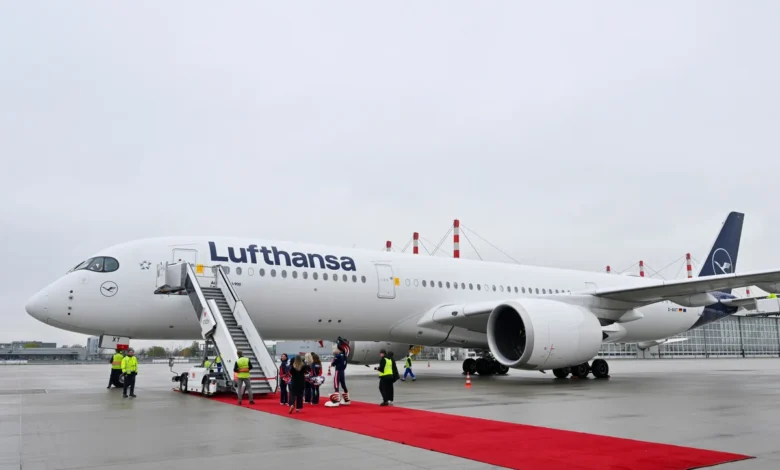
Lufthansa Group, the flag carrier of Germany and one of the world’s most prominent aviation entities, has officially announced a significant restructuring initiative aimed at stabilizing its financial trajectory. Following three consecutive years of fiscal underperformance, the airline confirmed that it will eliminate 1,000 full-time positions across its primary operational hubs in Frankfurt and Munich. This workforce reduction marks a critical juncture for the carrier, which has struggled to navigate a volatile global economic landscape characterized by fluctuating energy prices, intense low-cost carrier competition, and rising operational overheads.
The management board, in a formal letter circulated to employees and reviewed by industry analysts, was candid regarding the severity of the situation. The board noted that the current cost structure is no longer competitive in the modern aviation market, necessitating a fundamental reassessment of the company’s labor efficiency and operational footprint.
A Chronology of Financial Pressure
The decision to cut staff is the culmination of several years of sustained pressure on the airline’s bottom line. Since the global recovery following the 2020 pandemic, the aviation industry has faced a "new normal" of higher costs.
- 2023: Lufthansa, like many European carriers, faced significant inflationary pressure, particularly concerning personnel costs and maintenance, repair, and overhaul (MRO) expenses. Despite a resurgence in leisure travel, yields in certain markets began to soften.
- Early 2024: The airline intensified its efforts to optimize its fleet, focusing on retiring older, less fuel-efficient aircraft. However, supply chain disruptions at manufacturers like Airbus and Boeing constrained capacity growth, limiting the airline’s ability to capitalize on high demand.
- Mid-2026: Rising jet fuel prices reached a multi-year high, severely impacting margins. The company’s quarterly reports indicated a steady decline in operating profits, triggering the need for a comprehensive "cost-efficiency program."
- November 2026: The official announcement of the 1,000-job reduction signals a move from minor cost-trimming to structural downsizing.
Contextualizing the Financial Challenges
To understand the scale of these layoffs, one must look at the specific headwinds facing Lufthansa Group. The airline industry in Europe is currently navigating a period of profound transition. High taxation, stringent environmental regulations, and the rising costs of Sustainable Aviation Fuel (SAF) have placed an outsized burden on legacy carriers compared to their counterparts in North America or the Middle East.
Furthermore, Lufthansa’s reliance on its Frankfurt and Munich hubs makes it uniquely vulnerable to regional labor strikes and ground handling inefficiencies. Throughout 2026, the carrier experienced intermittent disruptions in ground operations, which compounded the financial strain of high fuel costs. By focusing the 1,000 job cuts on these two primary hubs, the management is signaling a desire to streamline "administrative and support functions" that have become bloated during the company’s rapid expansion phase.
Supporting Data and Industry Analysis
Lufthansa is not an outlier in the current European market; rather, it is a primary example of a broader trend of consolidation and retrenchment. According to recent aviation data, European legacy carriers have seen their average operating margins compressed by approximately 3 to 5 percent compared to 2019 levels. This is largely attributed to the "triad of pain": labor, fuel, and regulatory compliance.
The 1,000 roles being cut represent a strategic shift toward digital automation and outsourced services. Historically, Lufthansa maintained a vertically integrated model, managing a high percentage of its own back-office and ground support functions. Industry analysts suggest that the company is now transitioning toward a more agile, "lean-hub" model, which relies more heavily on centralized digital platforms for administrative tasks, thereby reducing the need for traditional office-based staff.
Official Responses and Internal Sentiment
In the internal management letter, the board of directors emphasized that the decision was "painful but necessary." The letter highlighted, "Lufthansa is currently not competitive in terms of its cost structure, efficiency, and agility." The board further clarified that the company’s inability to achieve financial success over the past three years necessitated an immediate pivot.

While labor unions have not yet released a formal, unified response to the announcement, representatives from prominent aviation worker syndicates have expressed "deep concern" regarding the impact on morale and the long-term viability of the Frankfurt and Munich operational bases. Historically, Lufthansa’s labor relations have been characterized by intense, high-stakes negotiations, and observers expect the union response to focus heavily on severance packages and the protection of remaining frontline staff.
The Broader Impact on Global Aviation
The impact of these cuts will likely ripple through the broader German economy. Lufthansa is one of the largest employers in the region, and the Frankfurt hub serves as a critical node in the global logistics and passenger travel network. A reduction in workforce size could lead to a temporary contraction in service frequency or a restructuring of flight schedules to ensure that existing staff are utilized at maximum capacity.
Furthermore, this move may set a precedent for other European airlines currently grappling with similar fiscal hurdles. Should Lufthansa successfully return to profitability through these measures, it is highly probable that other flag carriers—including Air France-KLM and the IAG Group—will pursue similar structural efficiency programs.
Future Outlook and Strategic Implications
For the passenger, the immediate impact of the job cuts is likely to be minimal in terms of direct service. The airline has stated that the reductions will be focused on administrative and support functions rather than flight crews or frontline maintenance staff. However, the long-term implication is a more centralized, digitized, and automated Lufthansa Group.
The company’s roadmap for 2027 and beyond will likely focus on "digital transformation." By leveraging AI-driven administrative tools and streamlining the bureaucratic layers within the Frankfurt and Munich hubs, the airline hopes to regain its status as one of the world’s most profitable carriers.
However, the risk remains that aggressive cost-cutting could impact the "premium experience" for which Lufthansa is known. Maintaining service quality while reducing the human element is a delicate balancing act. As the company moves into the implementation phase of these cuts, the focus for shareholders and the traveling public will remain on whether the cost-savings materialize without compromising the operational safety and service standards that define the brand.
Conclusion
The decision to cut 1,000 jobs is a sobering reflection of the current reality facing legacy aviation. Lufthansa, an icon of German industrial excellence, is being forced to confront the harsh limitations of its current business model. By addressing the cost structure at its most vital hubs, the carrier is attempting to build a foundation that can survive the volatile energy markets and the intense competitive pressures of the late 2020s.
As the airline enters this period of transition, the eyes of the aviation industry remain fixed on Frankfurt. Whether this move provides the necessary fiscal relief or whether it signals a permanent shift in the operational philosophy of legacy carriers remains to be seen. For now, the company’s management is betting that a leaner, more agile Lufthansa is the only path forward in an increasingly difficult economic environment. The coming months will be critical as the company balances labor relations, operational requirements, and its commitment to returning to long-term profitability.