Wildfires Reshape Insurance Landscape, Forcing Hospitality Sector to Prioritize Property Resilience

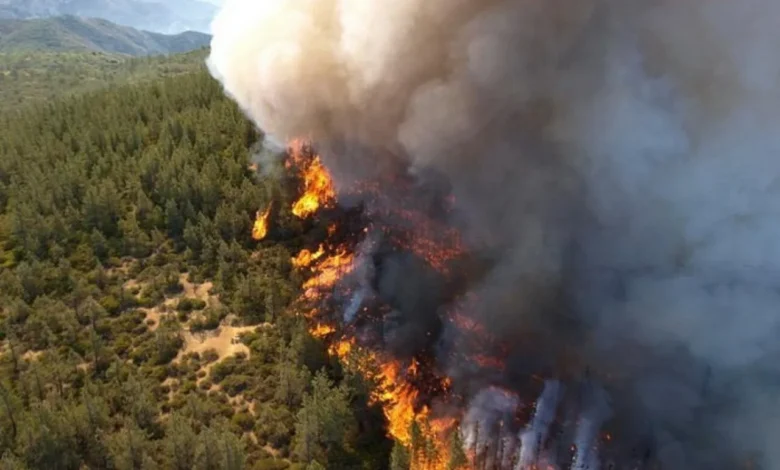
As wildfires grow more frequent and severe across the globe, a fundamental shift is occurring within the insurance industry, moving beyond traditional location-based risk assessment to an underwriting model that heavily scrutinizes a property’s inherent resilience. This evolution is exerting significant pressure on hospitality operators, compelling them to invest substantially in fortifying their hotels and resorts against the escalating threat of climate-driven infernos. The implications for the global tourism sector are profound, impacting everything from operational costs and occupancy rates to long-term investment strategies and the very design philosophy of properties in vulnerable regions.
The Escalating Global Wildfire Crisis
The past decade has witnessed an alarming increase in the frequency, intensity, and geographical spread of wildfires, a trend widely attributed to the compounding effects of climate change. Rising global temperatures contribute to prolonged drought conditions, drier vegetation, and earlier snowmelt, creating vast tracts of tinder-dry land ripe for ignition. Heatwaves, which are becoming more common and severe, further exacerbate these conditions, transforming landscapes into highly combustible environments. The year 2023, in particular, underscored this grim reality, with devastating blazes tearing through vast areas of the United States, Canada, and Southern Europe.
In Europe, the summer of 2023 was characterized by successive heatwaves that left forests and agricultural lands parched, leading to widespread conflagrations in countries such as Greece, Spain, Italy, and Portugal. The island of Rhodes, a popular tourist destination, saw thousands of visitors and residents evacuated, an unprecedented event that brought the climate crisis directly to the doorstep of the European tourism industry. Similarly, in southwestern France, over 10,000 tourists and residents were forced to evacuate from coastal areas as fires raged. Across the Atlantic, Canada experienced its worst wildfire season on record, with smoke plumes traveling thousands of miles to blanket major U.S. cities across the Midwest, Great Lakes, and East Coast, impacting air quality and public health far from the actual fire zones. In the United States, California has long been a hotspot, but recent years have seen major fires erupt in states previously considered less vulnerable, including Hawaii, which suffered one of its deadliest natural disasters in modern history.
A Shifting Landscape for Insurers: From Location to Resilience
Historically, insurers assessed wildfire risk primarily based on a property’s geographical location – proximity to forests, wildland-urban interface (WUI) zones, and historical fire patterns. While location remains a factor, the escalating and unpredictable nature of wildfires has necessitated a more granular and proactive approach. Insurers are now placing a premium on a property’s inherent resilience, evaluating specific measures taken to mitigate damage and enhance survivability during a wildfire event.
This paradigm shift means that a hotel located in a high-risk area, but equipped with robust fire-resistant features, might receive more favorable insurance terms than a less prepared property in a seemingly lower-risk zone. The focus is on quantifiable risk reduction strategies that can demonstrably protect assets. This shift is not merely about pricing risk; it’s about incentivizing preventative action and shifting some of the burden of adaptation onto property owners. For the hospitality sector, this translates into a direct financial imperative to "firm up" their assets.
- Defining Property Resilience: What does it mean for hotels?
Property resilience against wildfires encompasses a range of structural, material, and landscaping interventions. This includes the use of fire-resistant building materials for roofs, siding, windows, and doors, such as non-combustible tiles, stucco, concrete, or treated lumber. Defensible space management is crucial, involving the removal of flammable vegetation within a specified perimeter around the property, strategic landscaping with fire-resistant plants, and regular maintenance to clear debris. Hardened vents and ember-resistant construction techniques are also vital, as embers carried by wind can travel miles and ignite properties far from the main fire front. Water supply systems, on-site reservoirs, and sprinkler systems, both internal and external (e.g., roof-mounted), are increasingly being considered essential components of a resilient design. Furthermore, operational protocols, such as staff training for emergency response, evacuation plans, and continuous monitoring of local fire conditions, are integral to a comprehensive resilience strategy.
Case Studies and Chronology of Impact
The real-world consequences of increased wildfire activity have been stark for the hospitality and tourism sectors.
-
Maui’s Devastation (August 2023): The wildfires that swept through Lahaina on Maui, Hawaii, were a catastrophic illustration of the vulnerability of even seemingly idyllic tourist destinations. The inferno, fueled by dry conditions and strong winds, destroyed thousands of structures, including historic hotels and businesses, and claimed numerous lives. The immediate aftermath saw tourism spending on Maui plummet by an estimated 61% year-on-year, representing hundreds of millions of dollars in lost revenue. While a humanitarian crisis unfolded, the tourism industry grappled with widespread cancellations, closed resorts, and a damaged infrastructure that will take years, if not decades, to fully rebuild. The long-term recovery efforts involve not just physical reconstruction but also rebuilding trust and confidence among potential visitors, a challenge that extends far beyond the immediate fire zones.
-
European Summer of Fire (2023): Greece, a country heavily reliant on tourism, faced unprecedented challenges. Fires on Rhodes, Corfu, and other islands led to mass evacuations of tourists, disrupting tens of thousands of holidays and tarnishing the image of affected destinations. Tour operators reported significant losses, and the economic ripple effect was felt across local businesses dependent on the summer influx. Spain and Portugal also contended with major blazes, forcing the closure of national parks and disrupting travel routes, particularly impacting rural tourism and winery regions.
-
Canadian Wildfires and Transcontinental Smoke (2023): While less direct in terms of property damage to major hospitality assets in the U.S., the Canadian wildfires of 2023 demonstrated the far-reaching impact of these events. Smoke plumes drifted across the border, causing severe air quality alerts in major metropolitan areas like New York City, Chicago, and Washington D.C. This led to a noticeable dip in outdoor activities, event cancellations, and a general reluctance among residents and tourists to engage in leisure travel, even hundreds of miles from the source fires. For hotels, this meant reduced foot traffic, cancellations for outdoor events, and a general dampening of tourism sentiment in affected regions.
-
Impact on Specialized Properties: Many resorts, summer camps, wineries, ski areas, and national park lodges are by design situated close to nature, often in or adjacent to forested areas or wildlands where wildfire risk can be highest. These properties, which rely on their natural surroundings for their appeal, are now facing the most acute pressures. Beyond the immediate threat of destruction, the pervasive presence of smoke and embers, which travel with wind for considerable distances, can render areas uninhabitable for days or weeks, leading to lower occupancy rates, increased operational costs due to disruptions, and, critically, soaring insurance bills.
Industry Reactions and Adaptation Strategies
The hospitality and insurance sectors are grappling with these new realities, leading to a wave of strategic adjustments.
-
Hotel Operators on the Front Lines: Hotel associations and individual operators are increasingly advocating for and investing in fire-resistant construction and landscaping. The American Hotel & Lodging Association (AHLA) and similar bodies globally are reportedly engaging with policymakers to discuss building code updates and incentives for resilient design. Property owners in high-risk zones are exploring innovative solutions, from retrofitting existing structures with ember-resistant materials to implementing sophisticated fire detection systems and on-site water storage. Some are even considering community-level initiatives, such as funding for improved forest management and early warning systems. The costs associated with these upgrades are substantial, often requiring significant capital expenditure, but they are increasingly viewed as a necessary investment to ensure long-term viability and insurability.
-
Insurers’ Perspective on Risk Mitigation: Major insurance carriers are responding by refining their actuarial models and risk assessment tools. Companies like AIG, Chubb, and Travelers, among others, are reportedly incorporating more advanced geospatial data, satellite imagery, and predictive analytics to assess specific property vulnerabilities. This includes evaluating roof materials, defensible space, vent protection, and even the type of vegetation on adjacent properties. Some insurers are offering incentives, such as premium discounts, for properties that demonstrate high levels of resilience. Conversely, properties failing to meet new resilience standards may face significantly higher premiums, reduced coverage, or even non-renewal of policies, particularly in states like California where several major insurers have already pulled back from certain markets due to escalating wildfire risks. This trend underscores a broader industry shift towards encouraging preventative action rather than merely pricing risk after the fact.
-
Government and Community Efforts: Governments are also stepping up efforts in wildfire prevention and response. This includes increased funding for forestry management, prescribed burns, and the development of early warning systems. Tourism boards in affected regions are focusing on recovery marketing campaigns, emphasizing safety measures, and promoting responsible tourism practices. There is a growing recognition that wildfire resilience is a shared responsibility, requiring collaboration between private industry, local communities, and government agencies to protect natural assets and economic livelihoods.
Broader Implications and The Path Forward
The escalating wildfire crisis and the insurance industry’s response have far-reaching implications for the future of hospitality and tourism.
-
The Future of Hospitality in High-Risk Zones: Properties situated in or near wildland-urban interfaces will face ongoing challenges. Operators will need to balance the allure of "nature proximity" with the imperative of safety and resilience. This could lead to new architectural and landscape design philosophies, prioritizing fire safety without sacrificing aesthetic appeal or guest experience. The cost of doing business in these areas will undeniably increase, potentially leading to higher room rates or consolidation within the industry.
-
Policy, Technology, and Sustainable Development: The crisis is spurring innovation in building materials, fire detection technology (e.g., AI-powered surveillance, drone monitoring), and land management practices. Governments are likely to revise building codes to mandate higher fire-resistance standards, especially in new constructions and major renovations. There’s also a growing call for more integrated approaches to land use planning that minimize the expansion of WUI zones and prioritize ecological restoration. Sustainable tourism models that incorporate robust environmental protection and disaster preparedness will become increasingly vital.
-
Consumer Behavior and Travel Patterns: Travelers are becoming more aware of climate risks. While many will continue to seek out nature-based experiences, there may be a growing demand for destinations that can demonstrate strong safety protocols and environmental stewardship. The reputational damage from a major wildfire event can linger for years, influencing booking decisions. This could lead to shifts in travel patterns, with some tourists opting for destinations perceived as less vulnerable, or a greater emphasis on off-season travel to avoid peak fire risk periods.
The imperative for the hospitality sector is clear: adapt or face severe economic repercussions. The era of viewing wildfires as isolated incidents is over. They are an entrenched aspect of a changing climate, demanding a proactive, comprehensive, and resilient approach from every stakeholder involved in the global tourism economy. The convergence of climate science, insurance mandates, and operational realities is fundamentally reshaping how hotels and resorts are designed, built, operated, and insured, forging a path towards a more resilient, albeit more costly, future for travel and leisure.