Short-duration wilderness expeditions: A guide to global long-weekend safari travel

Modern travel trends indicate a significant shift in how time-constrained professionals approach adventure tourism. The rise of the "micro-adventure" has transformed the traditional, multi-week safari into a hyper-efficient, 72-hour logistical feat. By leveraging regional aviation, proximity to urban hubs, and specialized tour infrastructure, travelers can now access remote ecological zones that were once reserved for extended sabbaticals. This shift has profound implications for conservation funding, local economies, and the carbon footprint of the tourism industry.
The Evolution of the 72-Hour Safari
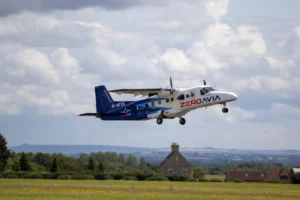
The logistical feasibility of a weekend safari relies heavily on the "hub-and-spoke" model of modern air travel. In regions like East Africa, the integration of domestic bush-plane networks with international airport terminals has effectively collapsed the distance between metropolitan centers and wildlife reserves. For instance, the transition from an urban boardroom in Nairobi or Kigali to a protected savanna or rainforest can now occur in under four hours.
This evolution is not merely a convenience; it is an economic necessity for many emerging markets. By catering to short-term visitors, park authorities and private operators can increase throughput, ensuring that revenue from gate fees and conservation levies remains consistent throughout the work week, rather than peaking only during traditional holiday windows.
Rwanda: A Study in Urban-Wildlife Integration
Rwanda’s Volcanoes National Park serves as the premier example of high-intensity, low-impact wildlife management. A typical three-day itinerary balances the country’s complex history with its current status as a leader in primate conservation. Upon arrival in Kigali, visitors often participate in a structured cultural immersion, including a visit to the Kigali Genocide Memorial. This contextualization is essential; it frames the modern Rwandan success story within the context of resilience and national rebirth.
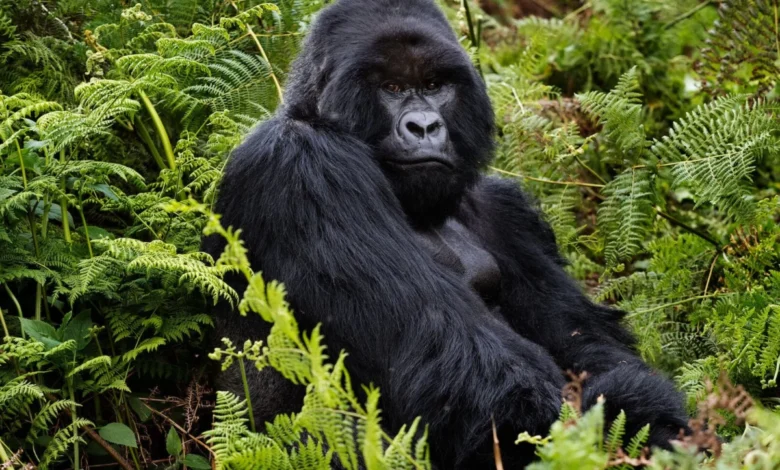
The subsequent trek into the Virunga Mountains requires physical assessment, a mandatory protocol designed to manage risk and ensure the safety of both the visitors and the habituated mountain gorilla families. These treks are strictly regulated to minimize human-wildlife contact, with groups limited in size and duration. Data from the Rwanda Development Board suggests that these regulated interactions are crucial for funding the anti-poaching patrols that have seen the mountain gorilla population rise from approximately 600 individuals in the late 1980s to over 1,000 today.
The Peruvian Amazon: Biodiversity and Logistics
In the Madre de Dios region of Peru, the logistics of a three-day excursion are dictated by riverine navigation. Departing from Cusco, travelers descend into the lowland Amazon basin. The transition from the high-altitude Andes to the dense jungle canopy provides a stark contrast in biodiversity.
The focus here is on wildlife observation within the Madre de Dios River ecosystem, characterized by high concentrations of giant river otters and diverse primate species. Operations here emphasize "low-footprint" tourism, where lodges are constructed to blend into the canopy. The primary implication for this region is the preservation of corridors; as tourism increases, local communities are increasingly incentivized to protect these habitats from illegal logging or gold mining, viewing the tourist dollar as a more sustainable long-term resource.
Tanzanian Game Drives and Operational Efficiency
Tanzania’s Mikumi National Park provides a model for high-density wildlife viewing within a condensed timeframe. Utilizing the infrastructure of Morogoro, operators facilitate rapid-deployment safaris from Dar es Salaam. The strategy here is volume and duration; by maximizing hours spent in the field, these tours provide a "safari-in-a-day" experience.
While critics argue that such rapid transit detracts from the contemplative nature of traditional safari travel, proponents note that the accessibility provided by these short trips democratizes the experience. Younger travelers and those with limited vacation time are increasingly participating in the conservation economy, providing a new stream of funding for the Tanzania National Parks Authority (TANAPA).
Nairobi: The Urban Sanctuary Model
Nairobi National Park stands as a global anomaly—a protected area located mere kilometers from a capital city’s central business district. The park acts as a critical sanctuary for lions, rhinos, and giraffes, and its proximity to Jomo Kenyatta International Airport makes it the world’s most accessible safari destination.
The integration of educational centers and elephant orphanages within the park infrastructure serves a dual purpose: providing an accessible wildlife experience for international travelers and acting as an educational hub for local schools. The presence of the park prevents the urban sprawl of Nairobi from encroaching on essential migration corridors, though urban planners acknowledge that maintaining the boundary between city and wild is an ongoing challenge.
Canadian Wilderness: The North American Perspective
In North America, the concept of the weekend safari has found a niche in British Columbia’s Chilcotin Mountains. Unlike the dense rainforests or savannas of the Global South, these expeditions focus on large mammal tracking—moose, bighorn sheep, and grizzly bears—via horseback.
This model relies on the "working ranch" philosophy, where guests integrate into the daily operations of mountain living. The environmental implications are different here; the focus is on land stewardship and the management of grizzly populations within a managed wilderness. The use of 4x4s and snowmobiles for site access demonstrates a more mechanical approach to exploration compared to the pedestrian-heavy treks of Africa, yet the ecological impact remains a primary concern for local regulatory bodies.
The Maasai Mara: Migration and Aerial Observation
The Maasai Mara remains the gold standard for the quintessential safari experience. Weekend excursions here are increasingly utilizing aerial observation, such as hot air balloon safaris, to mitigate the impact of vehicle traffic on the fragile grasslands.
During the Great Migration, when millions of wildebeest and zebras traverse the Mara-Serengeti ecosystem, the sheer volume of wildlife is staggering. Aerial tours provide a vantage point that does not disturb the herds, allowing for an expansive view of the ecosystem’s mechanics. However, this accessibility necessitates strict regulation. The Mara Conservancy has implemented rigorous entry requirements to ensure that the influx of weekend visitors does not lead to over-tourism, which could otherwise degrade the very landscape that draws the international community.
Socio-Economic and Ecological Implications
The growth of short-duration safaris presents a complex set of trade-offs. On one hand, the increased volume of tourists provides the necessary capital for conservation and community support. In many of these regions, local employment in hospitality and guiding has replaced more extractive industries.
On the other hand, the carbon footprint of these high-frequency, short-distance flights is non-trivial. Climate scientists have noted that the aviation sector remains one of the largest contributors to the degradation of the very ecosystems these safaris visit. As a result, many operators are now investing in carbon-offset programs and electric vehicle fleets within the parks to minimize the environmental impact of the "weekend" traveler.
Furthermore, the "whirlwind" nature of these trips can lead to a surface-level engagement with the local culture and environment. To counter this, many professional tour operators are shifting their marketing focus toward "meaningful travel," where a portion of the trip cost is transparently allocated to specific community projects—such as building clinics or schools—thereby ensuring that the weekend traveler leaves a tangible, positive impact.
Future Outlook
As the global travel market continues to prioritize speed and efficiency, the long-weekend safari is likely to become more refined. Future developments will likely include more stringent "carrying capacity" limits for protected areas, alongside advancements in silent, low-emission transport technology within parks.
The primary challenge remains balancing the democratic access to these wonders of the natural world with the absolute requirement for their preservation. As long as the economic model of the safari continues to favor conservation over development, the short-duration expedition will remain a vital tool in the global effort to protect the world’s most endangered habitats. The successful future of the industry depends on its ability to evolve from a consumer-focused commodity into an integrated, sustainable component of global ecological preservation.