Conquering New Zealand’s Longest Great Walk: Logistics, Biodiversity, and the Allure of the Heaphy Track

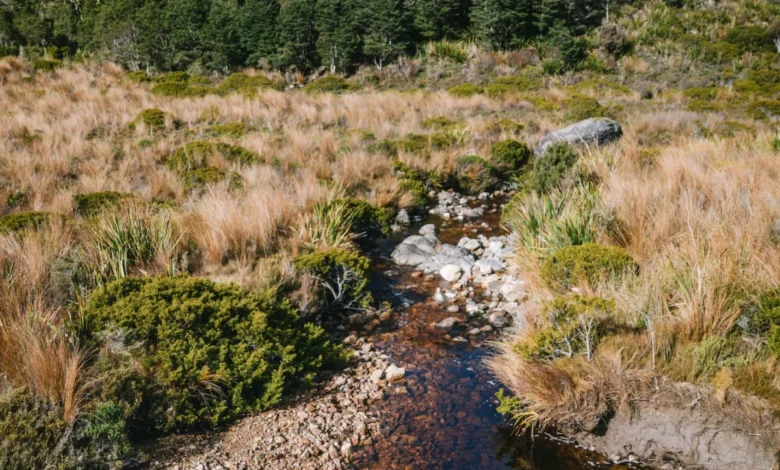
New Zealand’s Department of Conservation oversees ten designated Great Walks, a collection of premier backcountry routes renowned for their superior infrastructure, well-maintained trails, and managed hut systems. Among these, the Heaphy Track stands out as the longest walking route in the country’s premier network, stretching 84 kilometers across the diverse terrain of Kahurangi National Park on the South Island. Despite its reputation as a crown jewel of New Zealand tramping, the route long presented significant logistical hurdles for solo travelers and independent hikers due to the vast geographical separation between its trailheads.
Logistics and the Evolution of Trail Access
The primary impediment for many prospective hikers tackling the Heaphy Track has historically been the transportation puzzle. The track’s termini—Brown Hut in Takaka on the Golden Bay side and the Karamea trailhead on the West Coast—are separated by a 450-kilometer driving distance, requiring approximately seven hours of road travel to connect the start and finish points. For solo adventurers, this geographic disconnect traditionally necessitated expensive vehicle relocation services, often exceeding $500, compounded by rising national fuel costs.
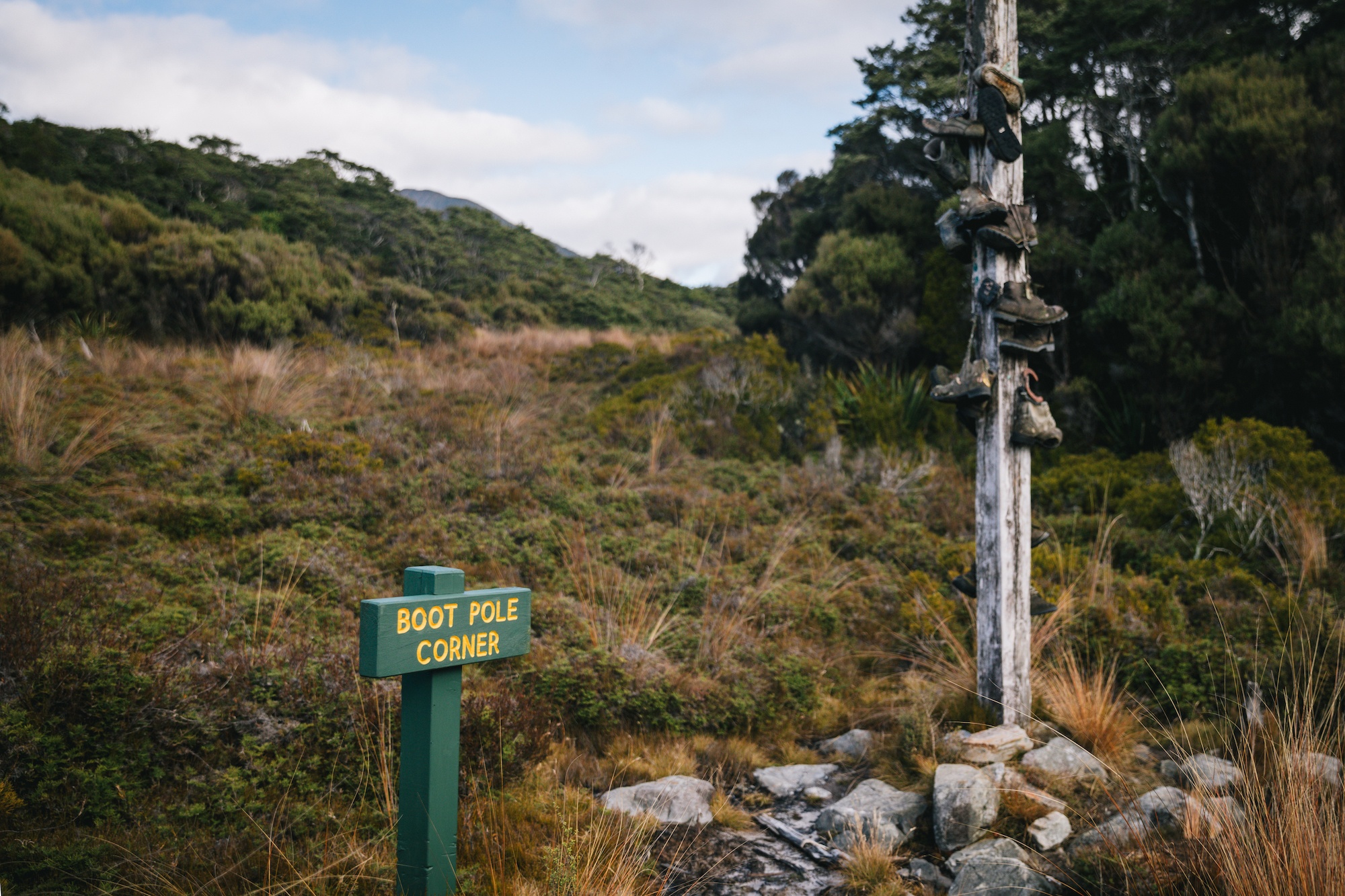
However, regional transport innovations have streamlined access to the remote park. Services such as Golden Bay Air have transformed the planning process by integrating air transfers between Takaka and Karamea with localized shuttle operations. This multimodal approach enables hikers to bypass hundreds of kilometers of driving, providing a cohesive transit schedule that eliminates extended waiting periods at the region’s rural, non-commercial airstrips. By simplifying the journey, such transport options have made New Zealand’s longest backcountry trek increasingly accessible to independent travelers without the need for complex convoy arrangements.
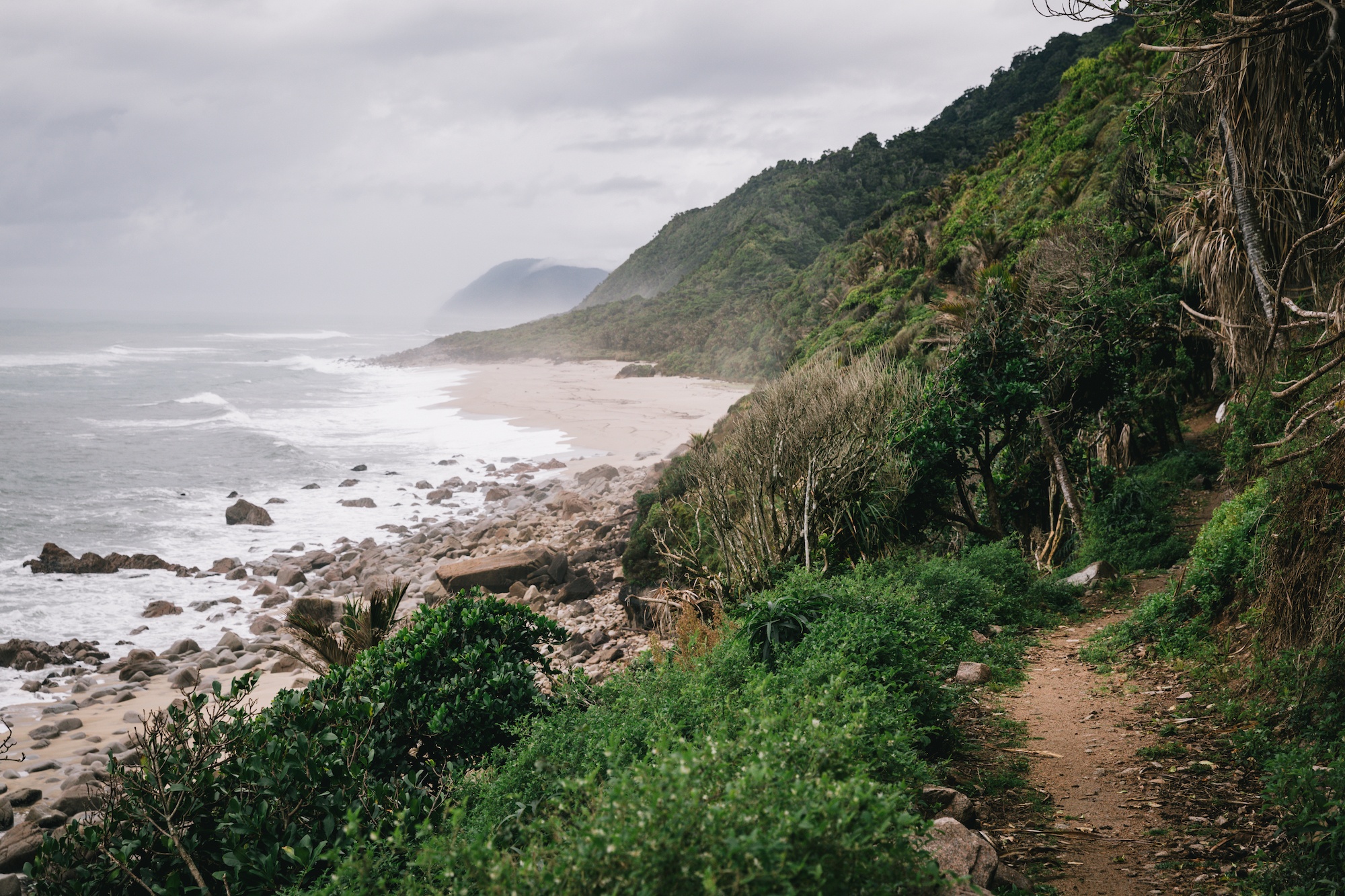
Trail Route, Geography, and Elevation Profiles
Stretching from the humid, green West Coast northward to Takaka, the Heaphy Track can be traversed in either direction with comparable physical demands. Typically completed over a four-day itinerary, daily trekking distances range from 16 to 25 kilometers, with average daily completion times spanning four to five hours.
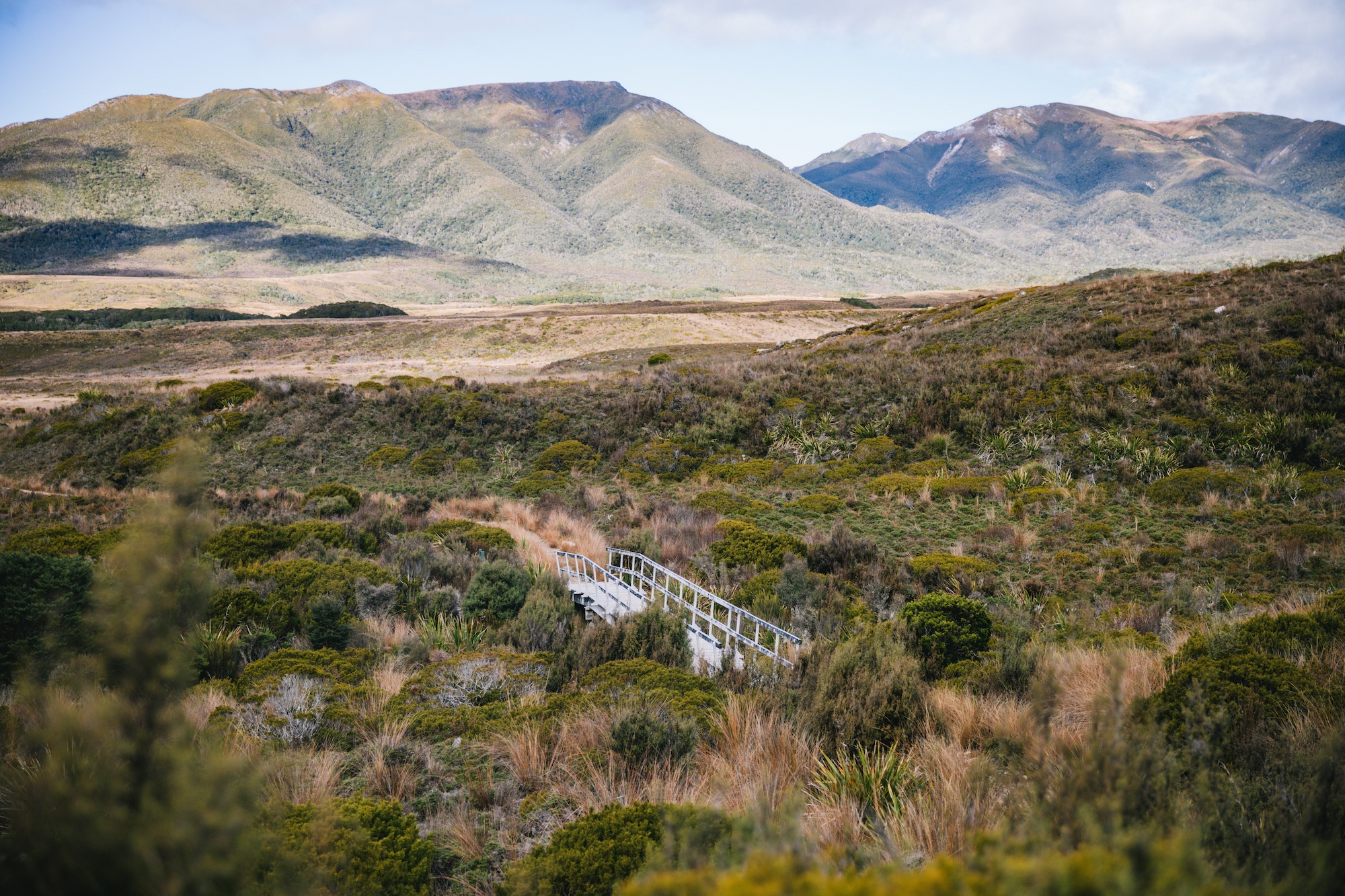
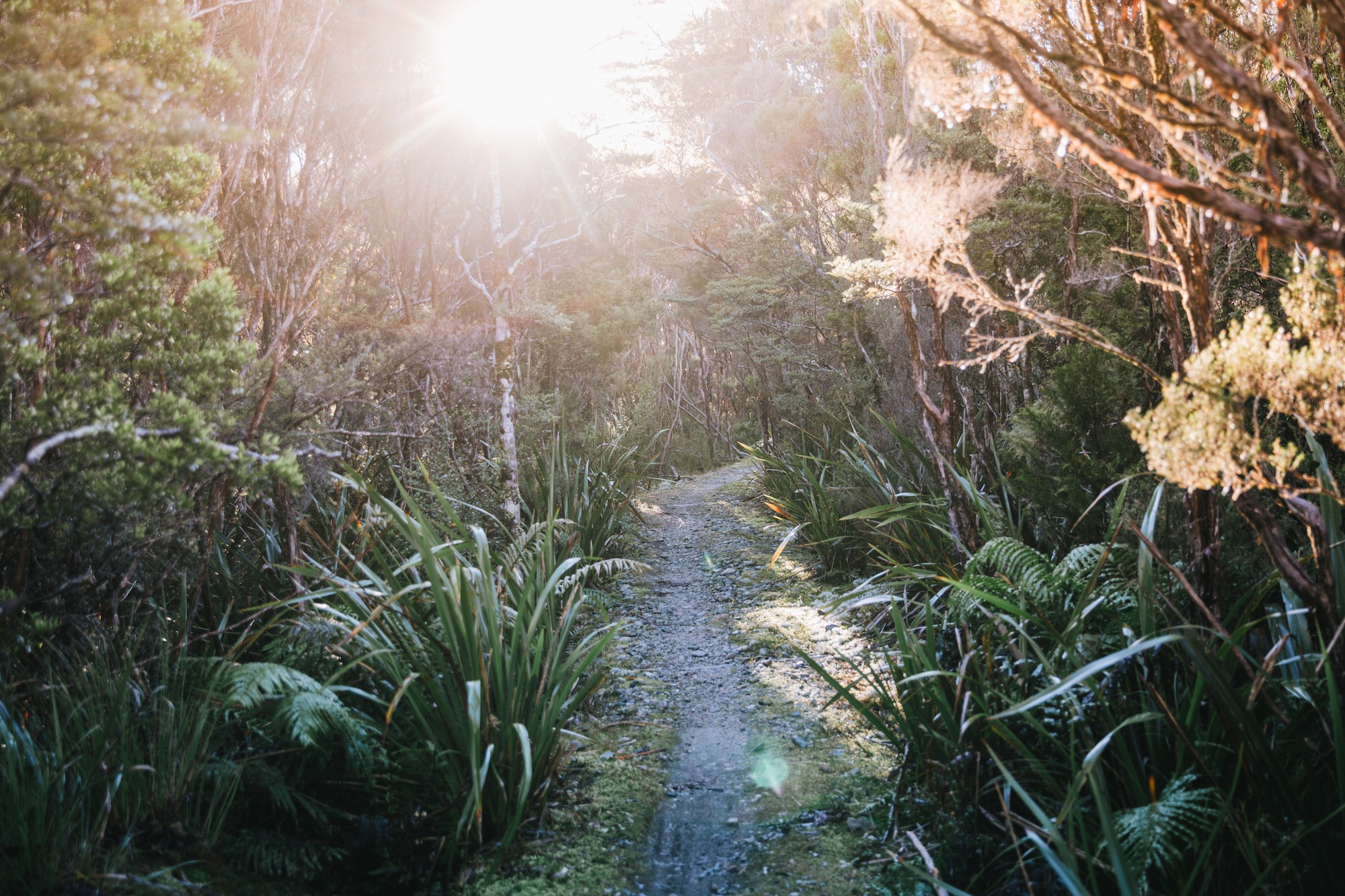
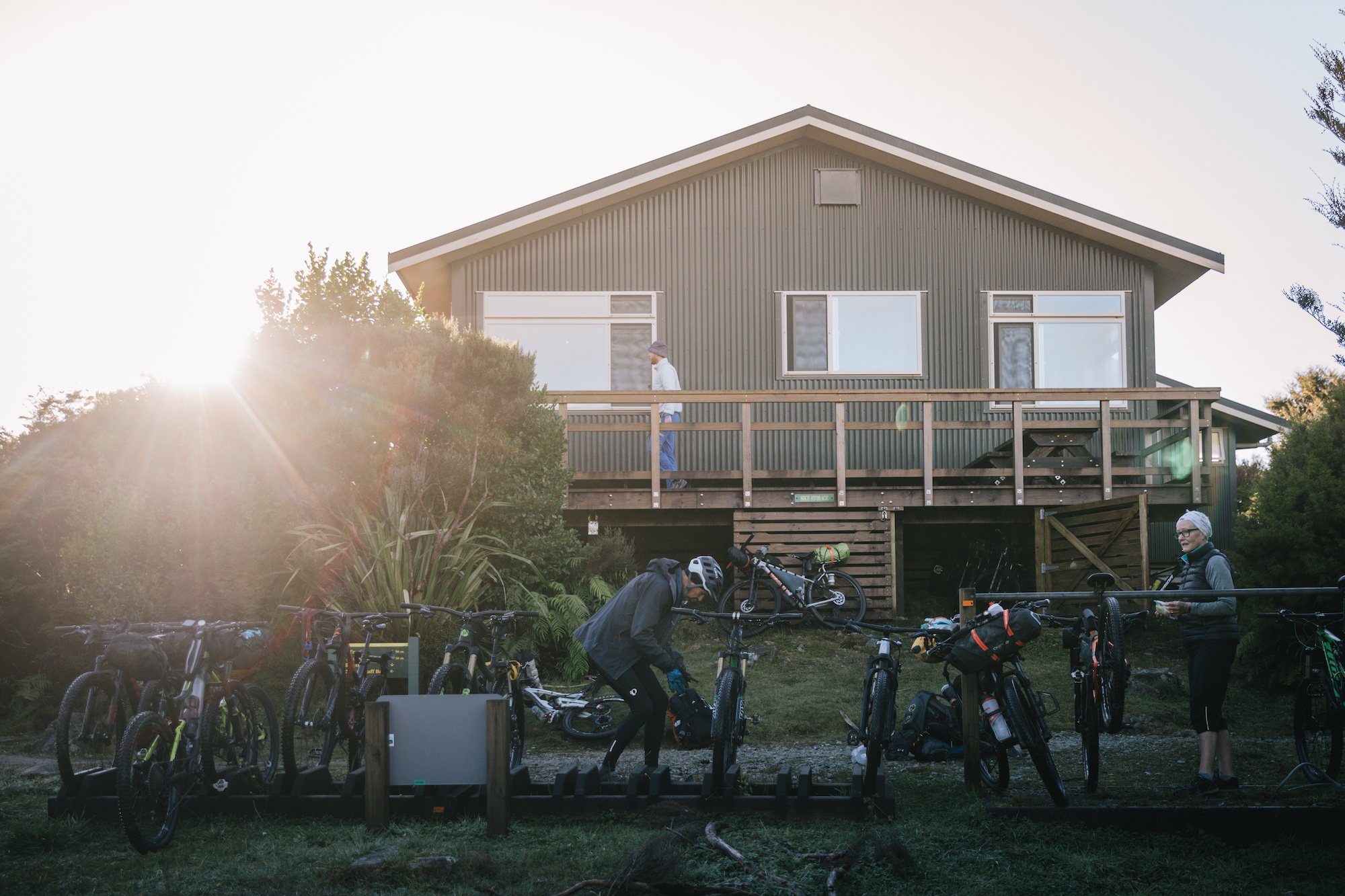
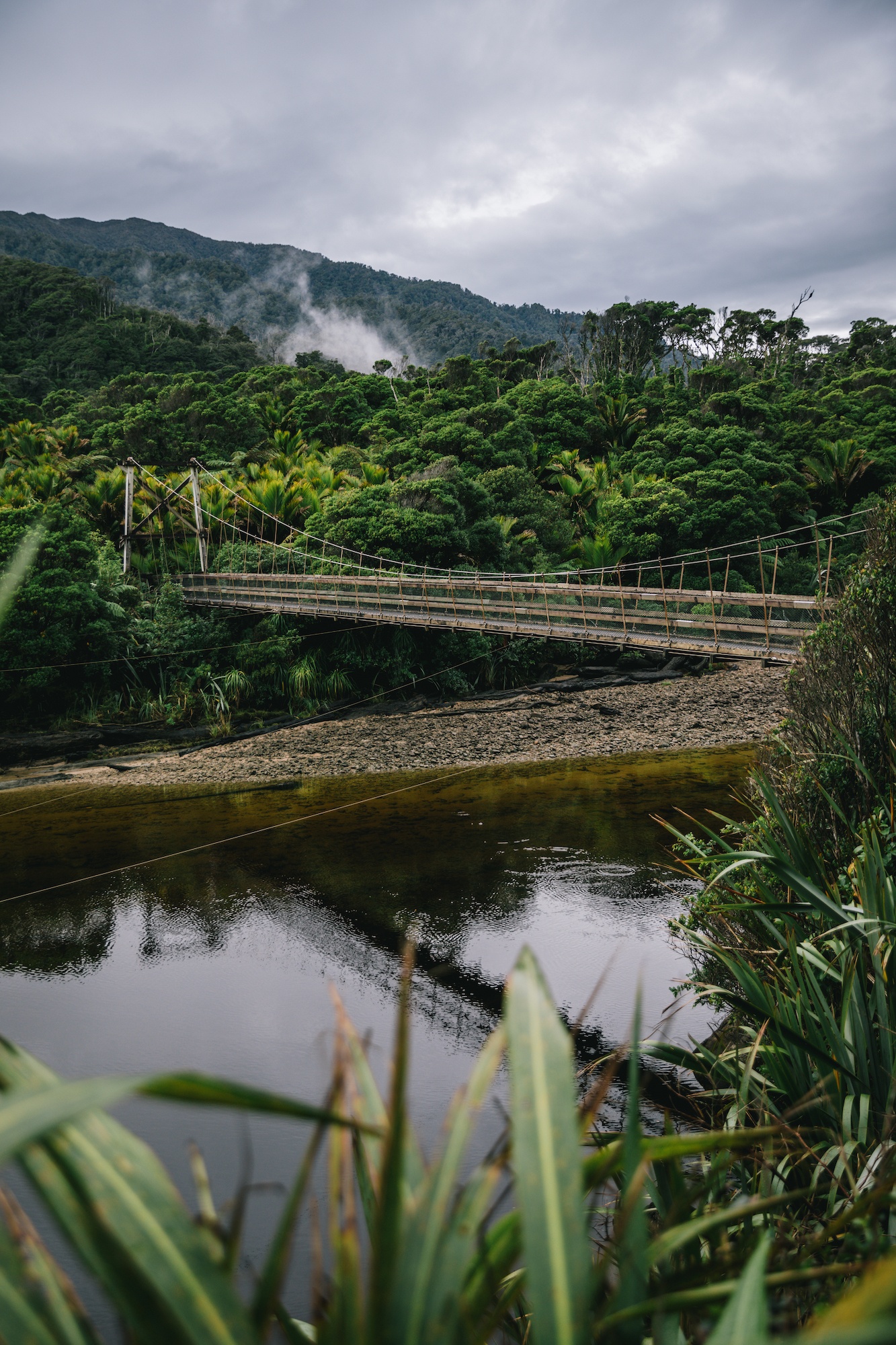
While the Department of Conservation’s official elevation profile indicates a climb to 1,000 meters above sea level, the trail’s engineering utilizes gradual gradients distributed over a span of roughly 20 kilometers. This design avoids the severe, vertical ascents characteristic of more rugged backcountry routes, which often feature unmanaged tree roots, boulder scrambles, and knee-deep mud. Because the Heaphy Track also opens to mountain bikers seasonally from May 1st through November 30th, the infrastructure is maintained to a higher standard, featuring wide paths, minimal staircases outside of bridge approaches, and dependable suspension bridges over major river systems.
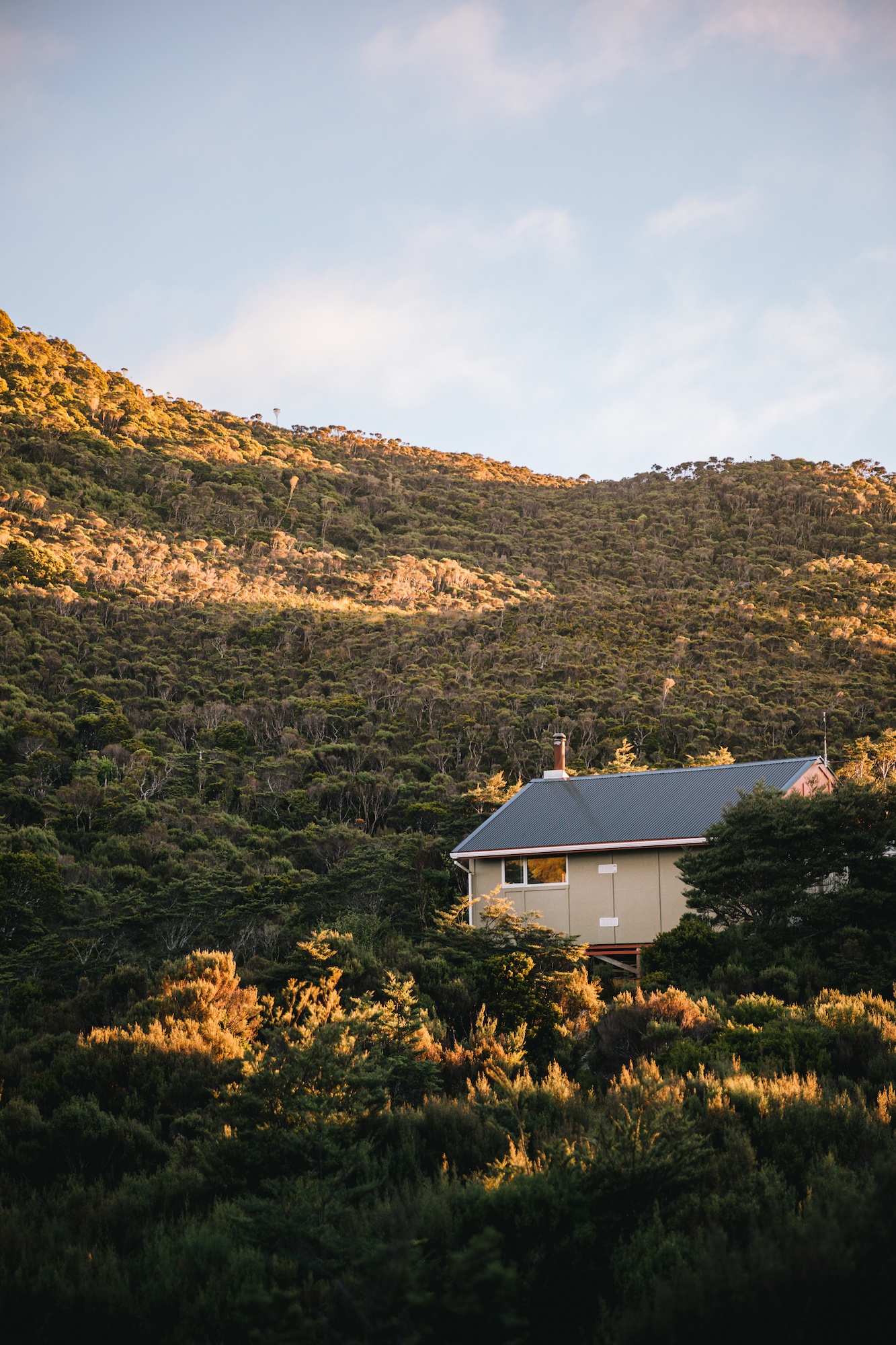
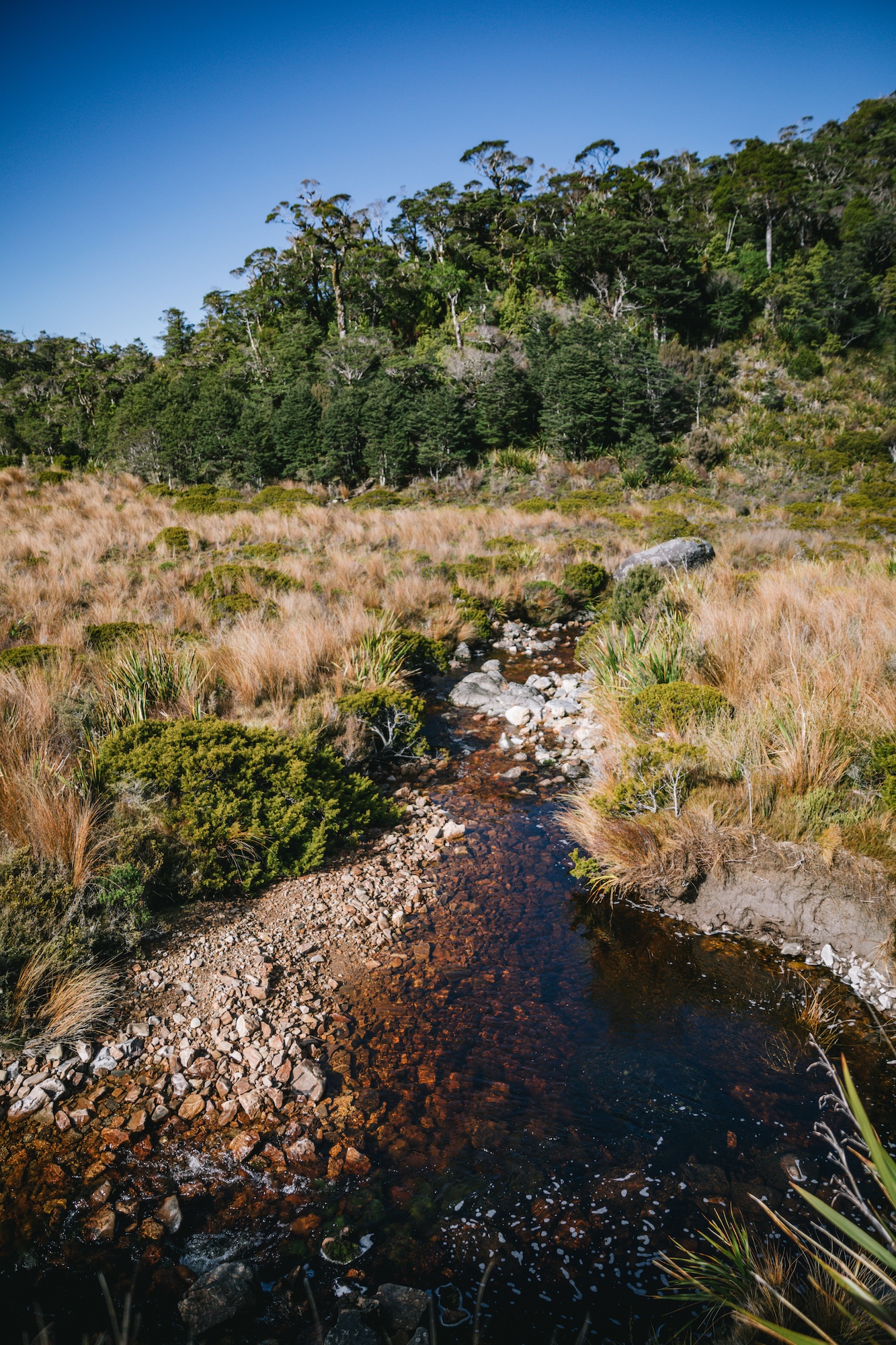
Furthermore, the park’s abundant water sources—distinctly stained brown by natural organic tannins from decaying forest foliage—are certified potable along the length of the track, reducing the need for heavy water-carrying loads or chemical purification systems.
Conservation Milestones and Biodiversity
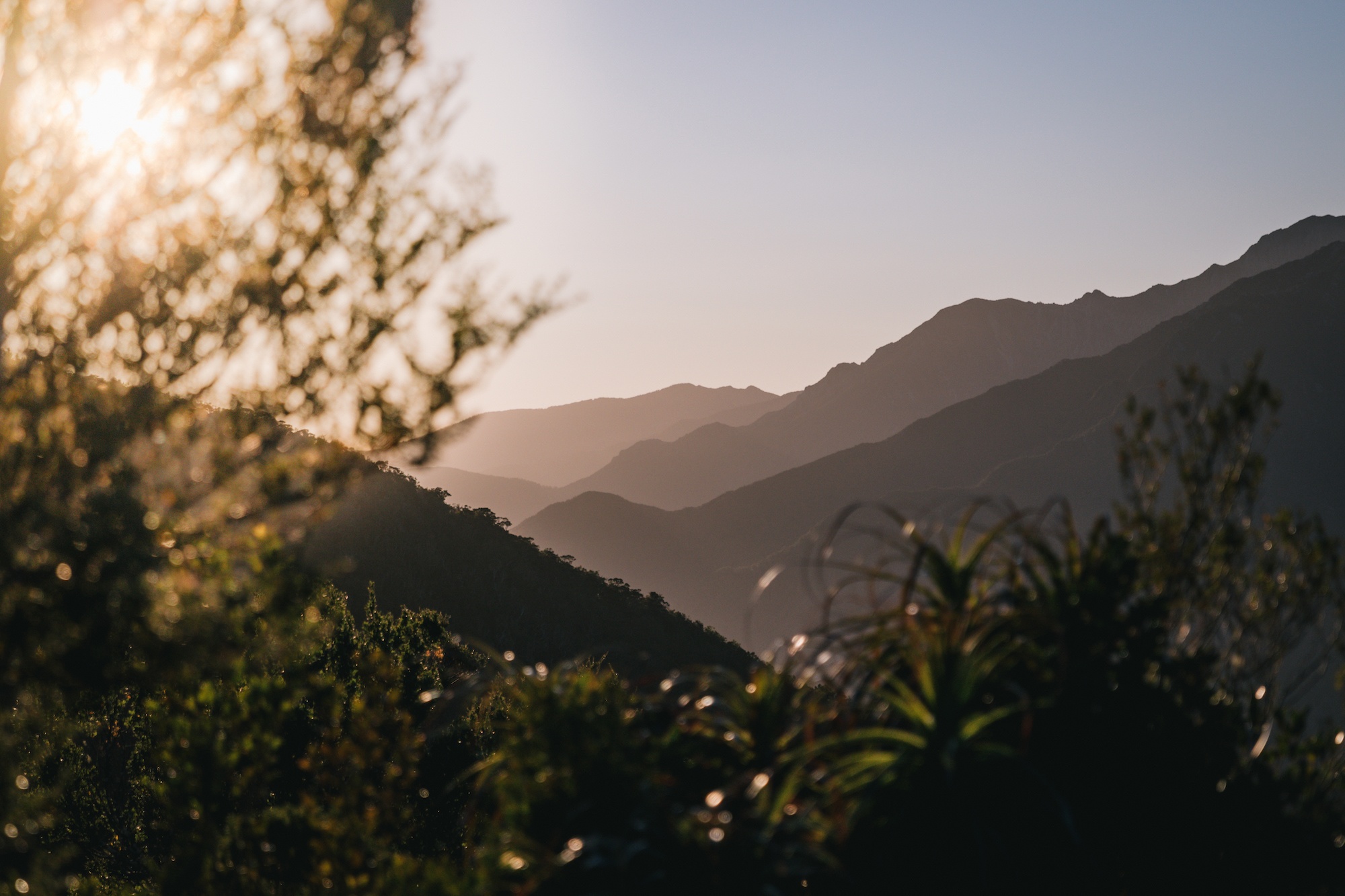
Beyond its geological and infrastructural attributes, Kahurangi National Park is internationally recognized for its ecological diversity and the success of its ongoing intensive predator-control initiatives. The park transitions sharply from coastal nikau palm forests on the West Coast through dense native beech and podocarp forests before opening into expansive subalpine red tussock country.

This habitat restoration has fostered thriving populations of native New Zealand avifauna. Walkers frequently encounter endemic species, including the brown kiwi, tūī, bellbirds, fernbirds, whio (blue ducks), weka, kererū, South Island robins, and riflemen. The region is also the exclusive habitat of the giant carnivorous land snail, Powelliphanta, though living specimens remain elusive to casual observers due to their cryptic nocturnal habits.
Of particular significance to New Zealand’s conservation history is the status of the takahē. Once declared extinct for half a century, the flightless, robust blue bird was rediscovered in 1948 by Dr. Geoffrey Orbell in the remote Murchison Mountains of Fiordland. Through intensive breeding and recovery programs led by the Department of Conservation, the national population has rebounded to approximately 500 individuals, largely distributed across secure, predator-free offshore islands and mainland ecosanctuaries.
A major milestone in this recovery occurred in 2018 with the establishment of the second wild population of takahē in Kahurangi National Park—marking a critical step in the ongoing ecological restoration of mainland New Zealand. While sightings in the vast park require patience and often rely on tracking distinctive ground sign, the presence of these birds near backcountry facilities such as Saxon Hut underscores the tangible progress of national biodiversity targets.
Safety Protocols and Seasonal Considerations
Although the Heaphy Track lacks the severe avalanche hazards associated with alpine routes in the Southern Alps, environmental risks remain a primary consideration for park management. Heavy regional rainfall can trigger rapid river flooding and temporary trail closures, requiring hikers to carry emergency rations and utilize the network of well-appointed huts and emergency shelters distributed along the route.
The Department of Conservation and local mountain safety organizations strongly recommend that all backcountry travelers—particularly solo adventurers—carry a registered Personal Locator Beacon (PLB). These devices transmit precise global positioning data to Search and Rescue authorities in the event of a life-threatening emergency, significantly reducing search radiuses and mitigating risks in remote terrain.

As New Zealand continues to balance wilderness preservation with recreational access, routes like the Heaphy Track demonstrate the viability of integrating modern regional transport logistics with large-scale ecological restoration, offering a model for sustainable backcountry tourism in the Southern Hemisphere.
Related posts: