For years, the discourse surrounding Mexico City as a premier travel destination was almost exclusively centered on its culinary prowess, from the street-side taco stalls of Roma Norte to the world-renowned tasting menus of Pujol. While visitors flocked to the city for its vibrant gastronomy and historic landmarks, the hospitality infrastructure often lagged behind, leaving travelers with few options that matched the sophistication of the city’s cultural scene. However, a seismic shift has occurred within the CDMX hotel landscape. Fueled by an influx of foreign direct investment and a growing demand for high-end experiential travel, the city has emerged as a global luxury hub. Today, the capital boasts a diverse array of accommodations ranging from meticulously restored colonial mansions to glass-clad high-rises that redefine the urban skyline. This transformation marks a maturation of the city’s tourism sector, positioning Mexico City not just as a place to eat and drink, but as a premier destination for luxury lodging.

The Evolution of the CDMX Hospitality Market
The shift toward luxury hospitality in Mexico City is not a recent phenomenon but the culmination of a decade-long development cycle. Historically, the city’s hotel stock was dominated by older international chains or localized, boutique concepts that lacked the amenities expected by the modern luxury traveler. According to data from the Mexico City Secretariat of Tourism (SECTUR), the hospitality sector experienced a significant uptick in capital expenditure beginning around 2016, as global hotel groups identified a "prestige gap" in the region.
The strategy was twofold: renovate existing landmark structures to appeal to the "heritage" traveler and construct modern, amenity-rich towers in the Reforma and Polanco districts to capture the business and affluent leisure markets. This strategic pivot has resulted in a 22 percent increase in high-end room inventory over the last five years, with occupancy rates for luxury properties consistently outpacing the citywide average.

Chronology of a Transformation
The modern era of Mexico City hospitality can be categorized into three distinct phases of growth:
- The Foundation (2010–2015): This period was defined by the success of early adopters like the Four Seasons Mexico City, which solidified the model for high-end, garden-centric urban resorts.
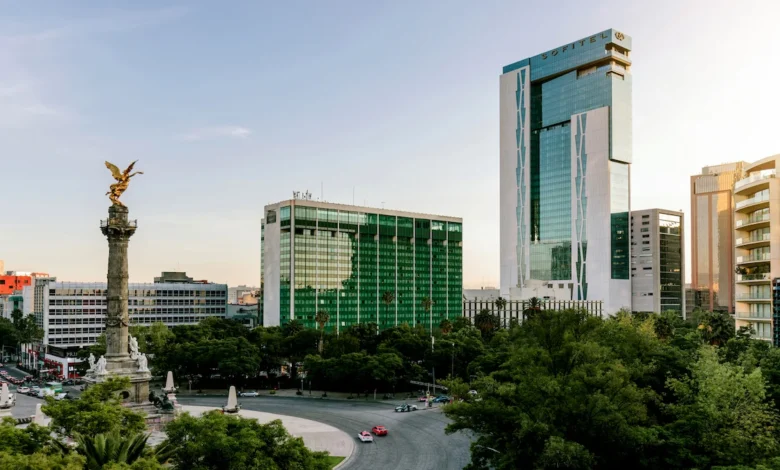
- The Modernization (2016–2020): High-rise development took center stage. The opening of the Sofitel Mexico City Reforma in 2019 served as a catalyst, proving that vertical luxury—complete with rooftop bars and panoramic views—was highly marketable in a city previously dominated by low-rise architecture.
- The Boutique Resurgence (2021–Present): Post-pandemic travel trends shifted toward smaller, hyper-localized properties. Investors pivoted to repurposing mid-century modern residences in neighborhoods like Juárez and San Rafael, creating an intimate, high-service experience that distinguishes itself from the larger, standardized brands.
The 11 Defining Luxury Stays
The current landscape of CDMX hospitality is best represented by a selection of properties that balance architectural heritage with world-class service standards.

1. Sofitel Mexico City Reforma
As one of the tallest buildings in the city, the Sofitel represents the marriage of French elegance and Mexican vibrancy. Its position overlooking the Angel of Independence makes it an architectural landmark, while its multi-level dining options offer a quintessential urban luxury experience.
2. Four Seasons Hotel Mexico City
Operating as a perennial favorite, the Four Seasons remains the gold standard for service. Its inner courtyard, which functions as an oasis from the bustle of Reforma, continues to be a central meeting point for the city’s social and business elite.

3. The St. Regis Mexico City
Situated in the heart of the business district, the St. Regis provides a formal, service-oriented experience that appeals to international travelers accustomed to the brand’s global standards. Its butler service and high-altitude views are defining characteristics of the property.
4. Las Alcobas, a Luxury Collection Hotel
Located in the upscale Polanco district, Las Alcobas is a masterclass in interior design. By focusing on local artisans and materials, the hotel provides a sense of place that is often missing from larger, corporate-run entities.

5. Ritz-Carlton, Mexico City
The entry of the Ritz-Carlton into the Reforma corridor further signaled the city’s arrival as a Tier-1 luxury destination. Its focus on personalized service and residential-style amenities has captured a significant share of the luxury business traveler market.
6. Casa Polanco
Representing the boutique end of the spectrum, this property offers a residential experience within a restored mansion. It serves as a stark contrast to the glass towers of Reforma, focusing on privacy, exclusivity, and personalized guest curation.

7. Brick Hotel
Located in the Roma Norte neighborhood, the Brick Hotel exemplifies the trend of adaptive reuse. By maintaining the historical facade while updating the interior to a modern aesthetic, it bridges the gap between the city’s history and its contemporary cultural identity.
8. Condesa DF
A pioneer of the boutique hotel scene in the early 2000s, Condesa DF remains a fixture. Its rooftop bar and minimalist design have kept it relevant, proving that intentional design can withstand shifting trends.

9. Círculo Mexicano
Housed in a 19th-century building in the historic center, this property by Grupo Habita focuses on a modern, minimalist aesthetic that allows the historic architecture of the Zócalo area to take center stage.
10. Habita
As the namesake property for the group that redefined the boutique hotel model in Mexico, Habita continues to attract a younger, design-conscious demographic. Its rooftop pool and stark, white-on-white aesthetic remain a visual signature of the city’s design scene.

11. Downtown Mexico
Occupying a 17th-century palace, this hotel combines colonial history with industrial-chic interiors. It is a critical component of the revitalization of the historic center, providing a luxury anchor in an area that was previously overlooked by premium brands.
Market Implications and Economic Impact
The concentration of these luxury properties has broader implications for Mexico City’s economic development. According to industry analysts, the rise of the "luxury traveler" has a multiplier effect on the local economy. Luxury hotels demand a higher caliber of supply chain integration—from locally sourced high-end textiles to regional culinary partnerships—which in turn supports local businesses and artisans.

Furthermore, the expansion of the luxury hotel sector has forced infrastructure improvements in surrounding districts. The "gentrification vs. revitalization" debate remains a point of contention for local planners, yet the economic data suggests that the hotel boom has been a primary driver for the restoration of historic buildings that might otherwise have fallen into disrepair.
Official Perspectives and Future Outlook
Industry leaders and hospitality experts view the current state of the market as a "permanent shift." In recent industry briefings, representatives from the Mexico City Tourism Board noted that the growth in luxury supply has allowed the city to compete more aggressively with other global cultural capitals like Paris, Tokyo, and New York.

"The goal is not just to house travelers, but to provide an immersive experience that aligns with the global prestige of the city’s food and art scenes," says a regional development consultant familiar with the Reforma master plan. "We are seeing a move toward ‘destination hotels’—places where the property itself is a reason to visit."
As of late 2026, the pipeline for luxury hospitality in Mexico City remains robust, with several international brands currently finalizing contracts for properties in the Condesa and Roma neighborhoods. While the city navigates the challenges of urban density and infrastructure demands, the consensus among stakeholders is that the luxury hospitality sector will remain a primary engine for growth for the foreseeable future. The maturation of these hotels indicates that Mexico City has successfully transitioned from a stopover for the curious to a destination for the discerning, firmly establishing its place on the global luxury map.
Related posts: