The Renaissance of Lake Como: How a Historic Italian Retreat is Redefining Luxury for the Next Generation

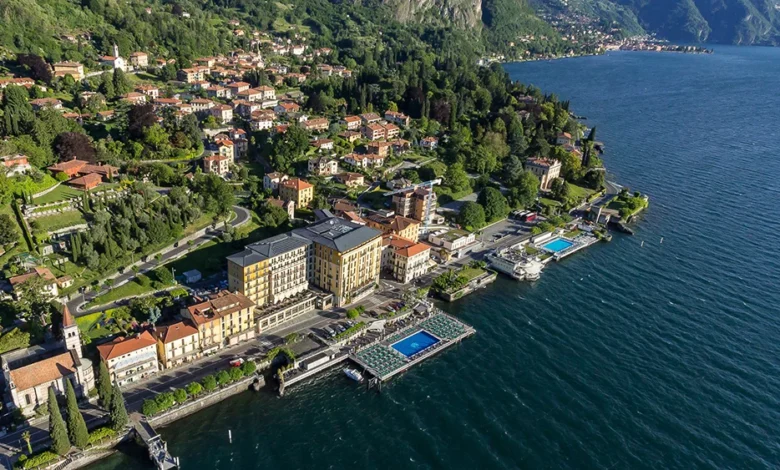
On the western shore of Lake Como, where the tranquil, mist-covered mountains meet the mirror-like surface of the water, a new aesthetic is disrupting the long-standing tradition of quiet, understated elegance. Where once only the muted earth tones of historic villas dominated the landscape, vibrant, avant-garde art installations—such as the playful, neon-pink inflatable Jelly Floats designed by Dutch artist Sabine Marcelis—have signaled a distinct shift in the identity of Italy’s most revered lake. This transformation, catalyzed by the arrival of high-profile, design-forward hospitality brands like the Edition, marks a pivotal moment in the evolution of a destination that has served as a playground for European aristocracy for centuries.
A Shifting Demographic and the Rise of Modern Hospitality
For decades, Lake Como held a reputation as a serene, exclusive sanctuary primarily favored by retirees and the old-money elite. However, current travel data suggests a significant pivot. The demographic profile of visitors to the region has trended sharply downward, with a surge in Gen Z and younger Millennial travelers. This shift is not merely a result of social media exposure but a strategic response from the hospitality sector.
Luxury travel advisors, including Robb Report Travel Master Jason Squatriglia, observe that the demand for Lake Como remains robust, yet the nature of that demand has evolved. "There is renewed excitement for what has historically been a destination in search of esteemed quiet luxury," Squatriglia notes. "While the ultra-high-net-worth traveler continues to flock here in droves, there has been a massive transition in who is traveling and, more importantly, what they are seeking."
The modern visitor, typically in their 30s and 40s, possesses substantial spending power but rejects the rigid formality that characterized the lake’s hospitality in the 20th century. This new cohort prioritizes contemporary design, world-class wellness facilities, and experiential dining over the traditional, white-glove service models of the past.

The Statistical Surge: Growth and Demand
The numbers corroborate this qualitative shift. In 2025, the wider Como area recorded more than 6.8 million overnight stays, representing a 10 percent increase over the previous year. Current projections indicate that 2026 is on track to surpass 7 million overnight stays. This upward trajectory in volume is occurring alongside a rise in average daily rates, suggesting that the "new" Lake Como is not becoming more accessible, but rather more expensive, catering to a global elite that demands a different, more dynamic, and highly curated experience.
Chronology of Transformation: From Aristocracy to Global Brands
The history of Lake Como is long and storied, dating back to the Roman era, but its status as a modern luxury hub was solidified in the 19th and early 20th centuries.
- 1800s–1950s: The era of the "Grand Tour" and European nobility. Private estates and exclusive garden parties set the standard for leisure. Iconic establishments like Villa d’Este, which opened its doors as a luxury hotel in 1873, became the gold standard for global travelers.
- 1960s–2000s: The period of celebrity migration. High-profile figures such as Gianni Versace, Sylvester Stallone, and later George and Amal Clooney, purchased estates, keeping the lake in the global spotlight.
- 2020–2024: The onset of the "Modernization Wave." International brands began securing historic properties for major redevelopment projects, targeting a younger, design-conscious audience.
- 2025–2028: The current and future phase of expansion. The launch of properties like the Edition, followed by the upcoming arrivals of Raffles, Ritz-Carlton, Corinthia, and Six Senses, marks the most significant infusion of capital into the region’s hospitality infrastructure in modern history.
The Institutional Response: Balancing Heritage with Innovation
The challenge for the lake’s legendary, century-old hotels is to integrate modern requirements without eroding their historical character. Giuseppe Fontana, president of the board of directors of Villa d’Este S.p.A., emphasizes that this balance is vital for longevity. "It allows young players to experience the club’s values while feeling that they belong to its future as much as its past," Fontana stated regarding recent sustainability upgrades and the modernization of their golf facilities.
Other historic properties are following suit. The Grand Hotel Tremezzo and various palazzos are undergoing renovations that blend 19th-century architecture with modern technology and wellness centers. The goal is to provide a "contemporary entry point" that appeals to new travelers while respecting the legacy that originally drew them to the region.
The Pipeline of Future Luxury
The influx of international capital is reshaping the skyline and the service landscape of the lake. The competitive environment has reached a point where hotel operators are vying for prestige through architectural prowess and culinary excellence.

- Raffles Lake Como (2027): A multimillion-dollar renovation of the 1920s Art Nouveau Grand Hotel Imperiale, which will focus on high-end, personalized service.
- Ritz-Carlton (Bellagio): Situated in the former Hotel Grande Bretagne, this 177,000-square-foot estate is expected to redefine the scale of luxury accommodations on the lake.
- Corinthia (Menaggio, 2028): A significant entry for the European brand, targeting the increasing demand for high-end, boutique-style large-scale resorts.
- Six Senses (2028): A restoration of the 19th-century Grand Hotel Cadenabbia, slated to become a premier wellness sanctuary, directly addressing the growing market for health-focused luxury travel.
Implications: The Tension Between Growth and Local Character
While the economic implications of this growth are largely positive for the region’s tourism sector, they bring inevitable tensions. Daniel Stoico, co-founder of the Congusto Institute in Milan, points to a growing concern regarding the preservation of the local way of life. "I do hope the lake keeps its local character," Stoico says. "Beyond the beautiful hotels and social media images, there are real communities and a way of life that shouldn’t be lost to a continuous and never-ending wave of tourism."
This anxiety is shared by local residents, who fear that the "Instagrammification" of the lake could dilute its authenticity. The reliance on social media to drive traffic creates a paradox: the more the destination is featured, the more it risks becoming a commodity rather than a place of culture.
Furthermore, the barrier to entry remains high. While the "image" of Lake Como has become younger and more energetic, it has not become more affordable. This creates a bifurcated market: a thriving, elite, younger demographic that can afford the new, high-cost luxury offerings, and a local population increasingly marginalized by the rising costs of living and the overwhelming density of tourists.
Conclusion: A Unique Position in the Global Market
Despite these tensions, experts agree that Lake Como remains in a league of its own. Francesco Capece, co-owner of the acclaimed Milanese restaurant Confine, notes that the lake possesses a unique, enduring quality. "It has always been associated with elegance, old money, and a certain timeless Italian lifestyle," Capece says. "Today, especially among affluent younger Italians, it is still considered a prestigious and desirable destination."
The future of Lake Como hinges on its ability to sustain this high-wire act: satisfying the insatiable demand of a global, ultra-wealthy, and younger demographic while maintaining the quiet, historical gravitas that defines it. As the region moves toward a projected 7 million annual overnight stays, the focus will likely shift from simple capacity expansion to sustainable management, ensuring that the next generation of travelers can experience the same allure that captivated the nobility of the 19th century. The "modernization" of Lake Como is not just about new hotels or flashier marketing; it is about the careful, deliberate adaptation of one of the world’s most enduring luxury brands to the realities of a new era.