The Mediterranean Villa Market Shifts Toward September as Travelers Seek Relief From Peak-Season Overcrowding and Extreme Temperatures

The traditional European summer holiday model, which has long centered around the peak months of July and August, is undergoing a quiet yet significant structural shift. Tourism data from across Southern Europe indicates a rising preference for September villa rentals, driven by shifting weather patterns, a desire to avoid severe overcrowding, and compelling economic incentives. While the mainstream travel industry has historically anchored its marketing around school summer holidays, luxury travel operators report a steady year-on-year increase in autumn bookings, pointing to September as the optimal window for experiencing the Mediterranean region.
This behavioral shift among travelers reflects broader changes in consumer priorities. For decades, the August exodus was treated as an immutable rule of European leisure, despite well-documented drawbacks including extreme heatwaves, congested infrastructure, and inflated pricing. Industry analysts note that travelers are increasingly prioritizing comfort, authenticity, and financial value over rigid adherence to traditional holiday calendars.
Climate Realities and the Evolution of Summer Heat
The primary catalyst for this shift is meteorological. Over recent years, Mediterranean destinations have experienced increasingly intense summer temperatures, with heatwaves regularly pushing daytime readings past 40 degrees Celsius in regions such as Andalusia, Puglia, and the Greek islands. These sustained high temperatures have transformed what should be relaxing outdoor experiences into physical endurance tests, particularly for families and older travelers.
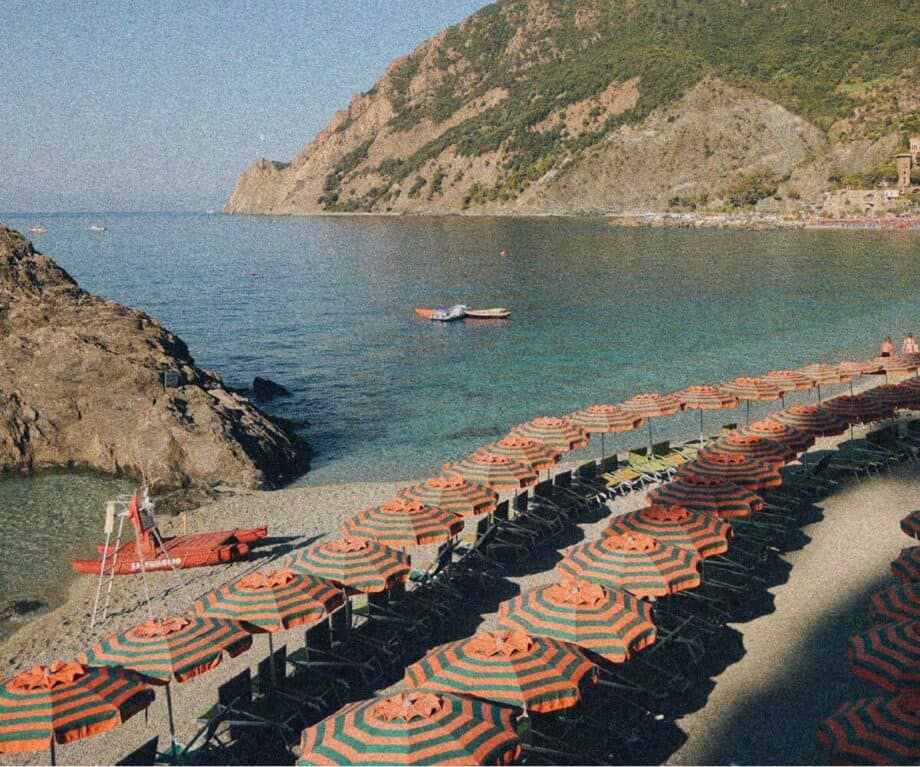
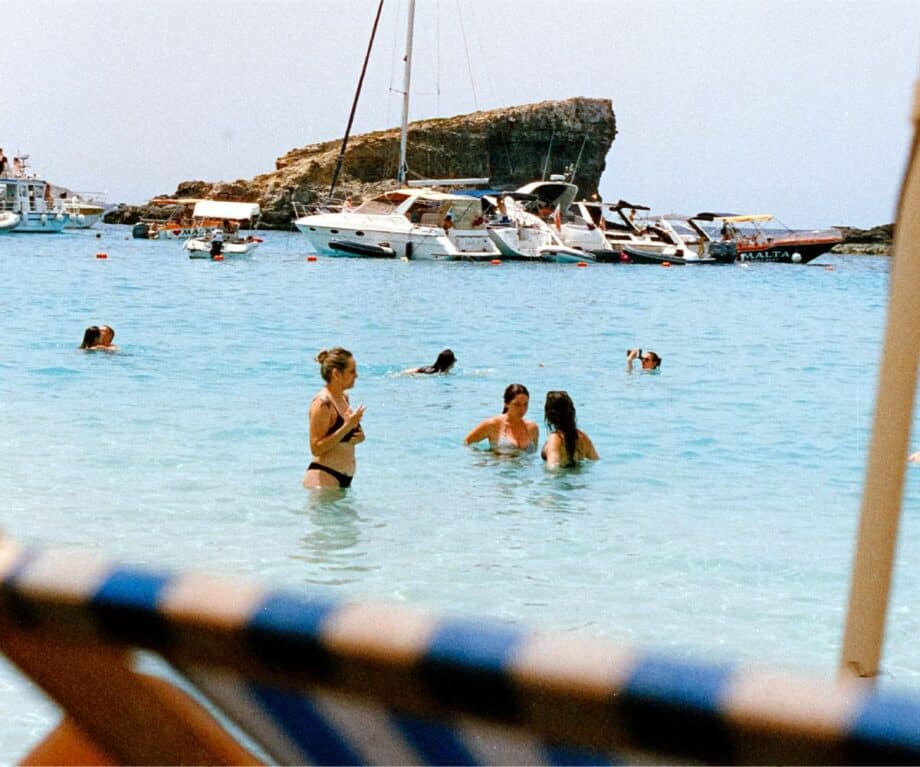
By contrast, September introduces a stabilization of regional temperatures. While daytime highs remain comfortably warm—typically ranging between 26 and 30 degrees Celsius—the oppressive humidity and stifling heat of peak summer dissipate. Sea temperatures, warmed by months of continuous sunlight, remain ideal for swimming, often staying pleasant well into October. Furthermore, the harsh midday glare characteristic of July and August gives way to the softer, golden light of early autumn, a phenomenon long prized by photographers and landscape artists.
Beyond weather comfort, the end of August marks a dramatic decompression of local infrastructure. Road networks that experience severe gridlock during the peak summer months return to normal traffic flows. Public parking spaces, ferry services, and historical sites operate without the severe capacity constraints that often diminish the visitor experience in mid-summer.
Economic Analysis: Value Realization and Flexible Booking
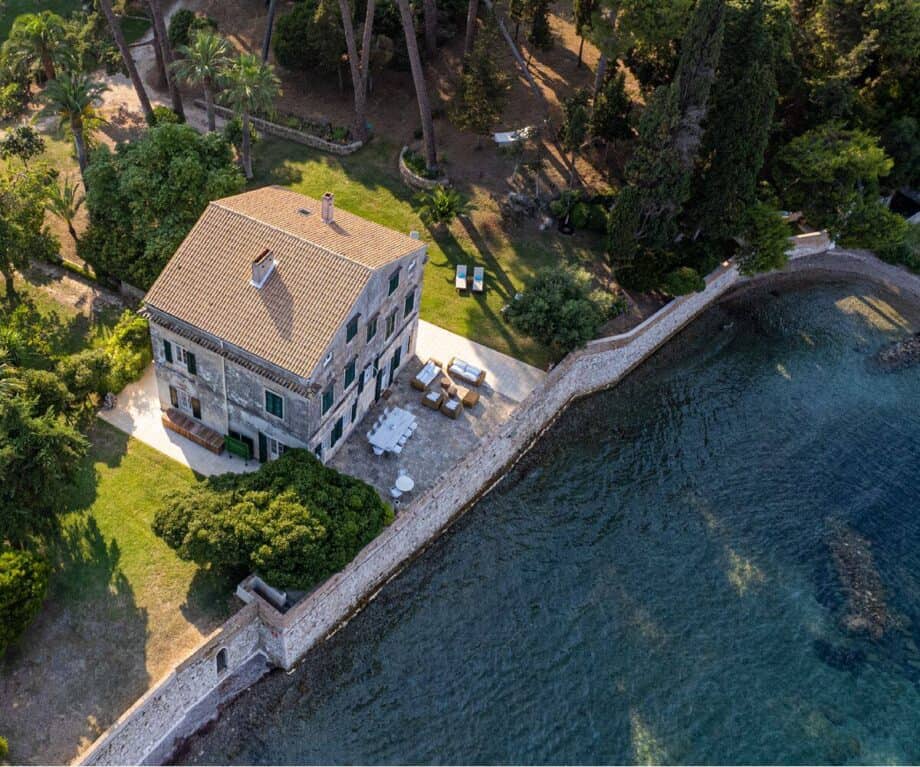
Financial considerations play a substantial role in the growing popularity of September travel. Economic analysis of the short-term rental market reveals a distinct pricing curve across the Mediterranean basin. Villa rental rates in prime destinations such as the Algarve, the Ionian Islands, and the Balearics routinely drop by 20 to 30 percent—and occasionally up to 40 percent—immediately following the conclusion of the traditional school holiday period.
Property owners and management companies are increasingly willing to adjust their operational models to secure bookings during the shoulder season. In August, rigid Saturday-to-Saturday changeover days and strict minimum seven-night stays are enforced universally due to overwhelming demand. In September, however, property managers frequently introduce flexible booking terms, accommodating shorter stays and alternative check-in days.
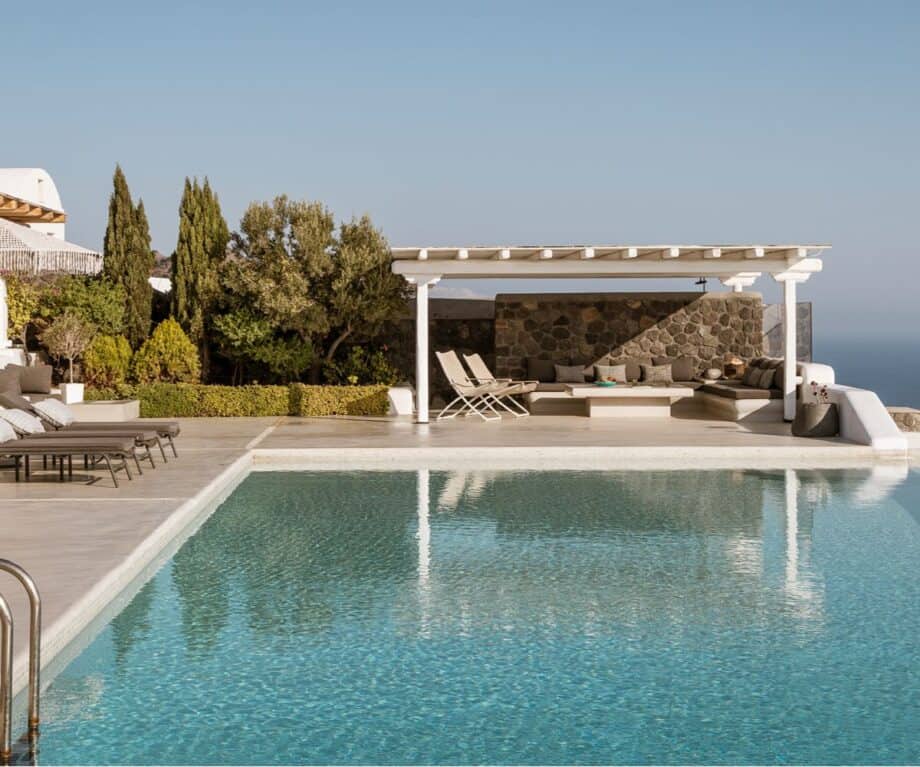
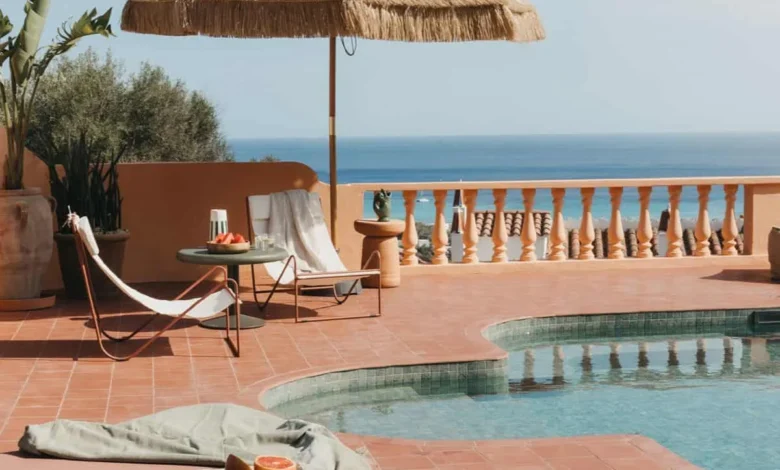
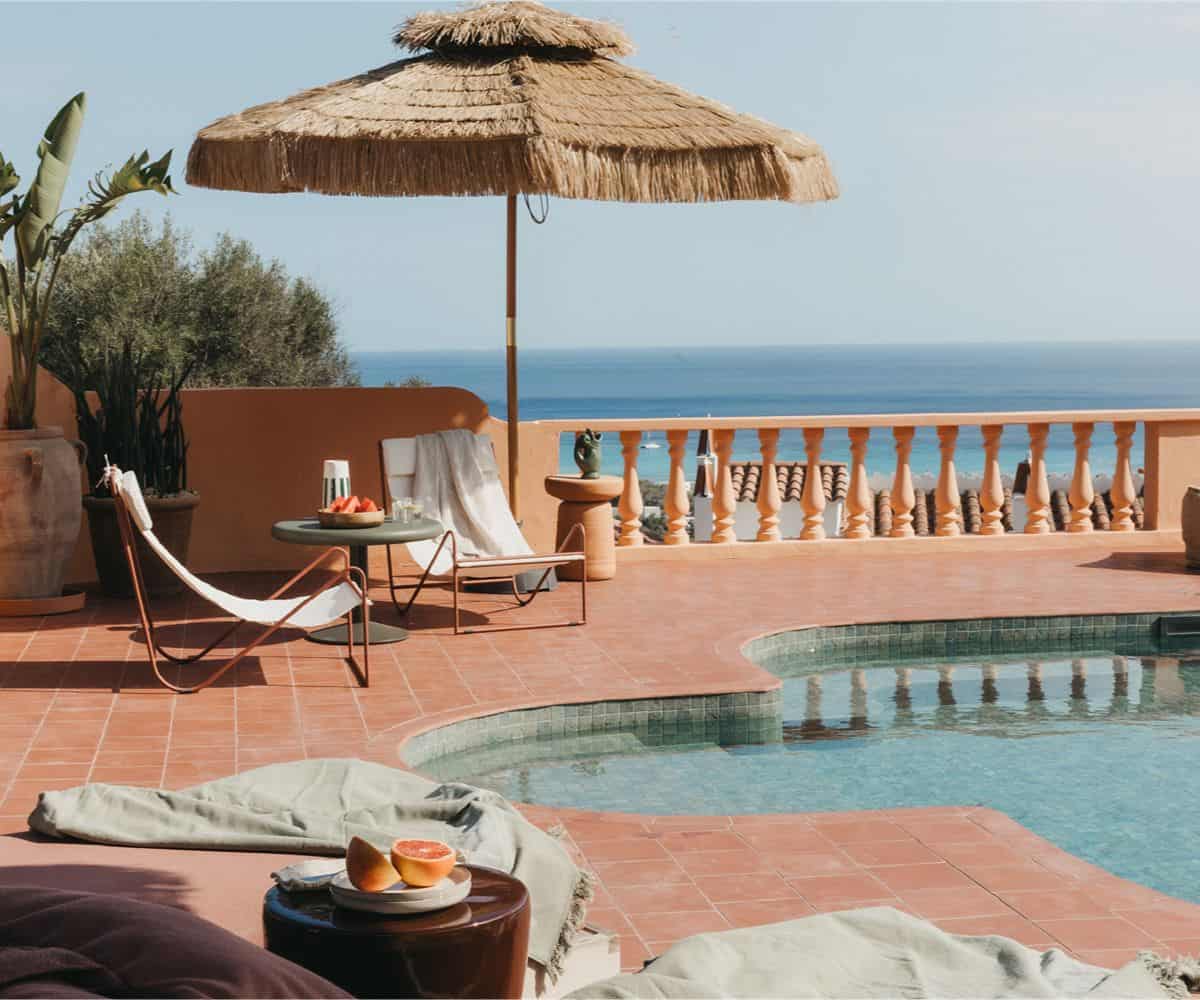
According to luxury travel operators, this flexibility extends to guest amenities. With properties operating at lower occupancy rates, managers are more inclined to include value-added services, such as complimentary private chef dinners or bespoke local excursions, to attract discerning clientele. This dynamic allows travelers to secure equivalent or superior accommodations—complete with private pools, manicured grounds, and dedicated staff—at a fraction of peak-season costs.
Regional Variations: Where September Excels and Where It Falters
The viability of a September holiday varies significantly depending on geography and local tourism infrastructure. A comprehensive assessment of Mediterranean destinations highlights distinct regional characteristics during the autumn transition.
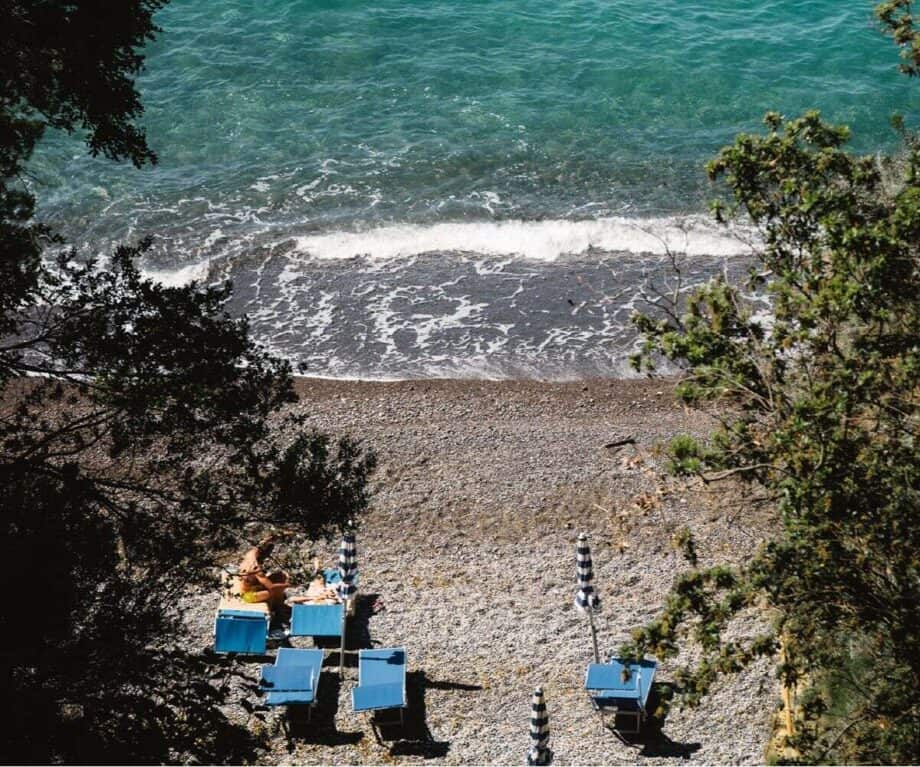
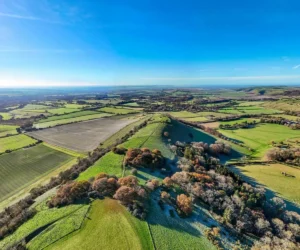
The Greek islands represent one of the most successful adaptations to the shoulder season. Destinations such as Lefkada, Kefalonia, and Crete retain their seasonal infrastructure throughout September. Local tavernas, boutique shops, and excursion operators remain fully operational, while the islands transition from bustling tourist hubs to tranquil retreats. Similarly, the Salento peninsula in Puglia experiences a welcome abatement of summer heat, allowing visitors to fully appreciate the region’s culinary and cultural offerings without contending with heavy crowds.
In agricultural regions such as Tuscany and Umbria, September coincides with the agricultural harvest. The commencement of grape picking and the operation of local olive presses infuse the countryside with authentic local activity, providing an immersive cultural experience that is largely absent during the staged environment of a peak-summer tourist rush.
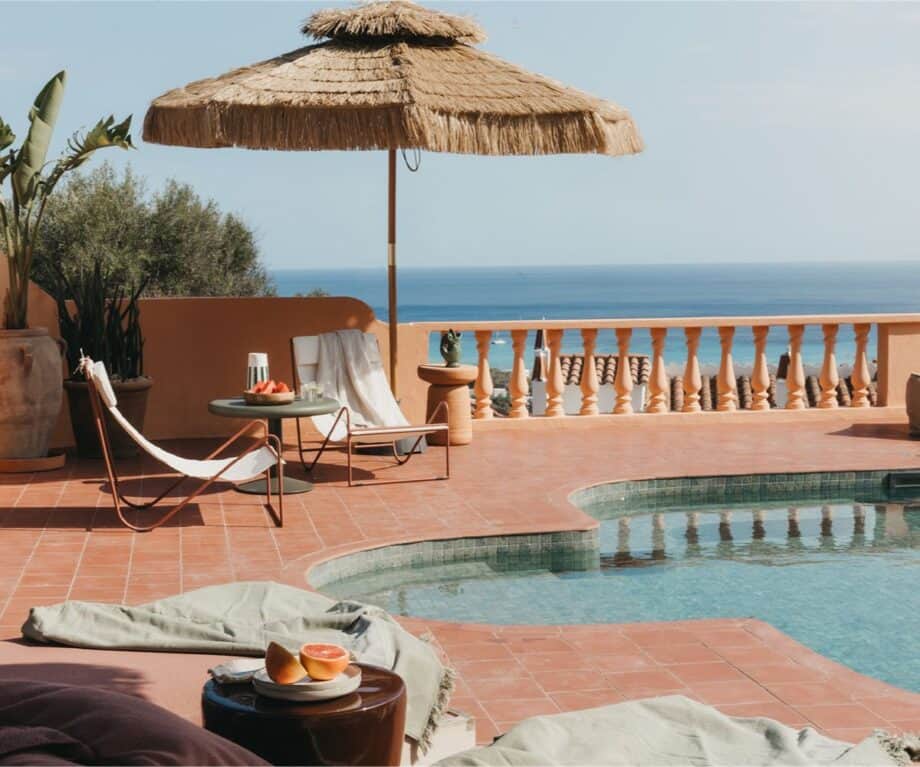
Conversely, travelers must exercise caution when considering smaller Adriatic beach towns or remote islands. Certain coastal destinations rely entirely on a condensed, high-intensity summer season. In these locations, municipal infrastructure, seasonal restaurants, and ferry lines may begin winding down operations immediately after September begins. Travel advisors emphasize the importance of direct confirmation with property managers regarding local amenities before finalizing travel arrangements.
Implications for Families and the Modern Workforce
The most contentious yet rapidly evolving aspect of the September travel trend involves families with school-aged children. Historically, taking children out of school during term time was met with strict institutional disapproval and potential penalties. However, changing perspectives on education, remote work flexibility, and the overall well-being of family units have prompted a reevaluation among parents.
A growing segment of families has concluded that a calm, uncrowded, and economically efficient week in a Mediterranean villa offers substantial experiential benefits that outweigh the disruption of a few days of classroom instruction. Proponents argue that exposure to different cultures, environments, and languages provides practical educational value comparable to traditional classroom learning, while sparing children the exhaustion associated with traveling during peak-summer crowds and extreme heat.
While school attendance policies vary considerably by jurisdiction and individual institution, the increasing normalization of flexible work arrangements has also empowered remote professionals to extend their stays. Digital professionals and corporate executives increasingly utilize September to combine remote work obligations with extended stays in Southern Europe, taking advantage of high-speed broadband infrastructure now standard in luxury villas.
Industry Outlook and Future Projections
The structural shift toward September travel is expected to accelerate in the coming years. As climate change continues to alter Mediterranean weather patterns and travelers become increasingly sophisticated in avoiding over-tourism, the shoulder season will likely transition from an insider’s alternative to a primary market segment.
For property owners, the extension of the viable tourism window offers financial stability and reduces the intense pressure to maximize revenue during an eight-week summer window. For consumers, September represents a recalibration of luxury travel—one defined by authenticity, financial pragmatism, and a higher quality of life during the holiday experience. As the travel industry increasingly acknowledges these shifting dynamics, the traditional dominance of the August holiday is steadily giving way to a more balanced, sustainable approach to Mediterranean leisure.