The Ultimate Guide to Selecting the Best Baby Beach Tents for Sun Protection and Travel Safety

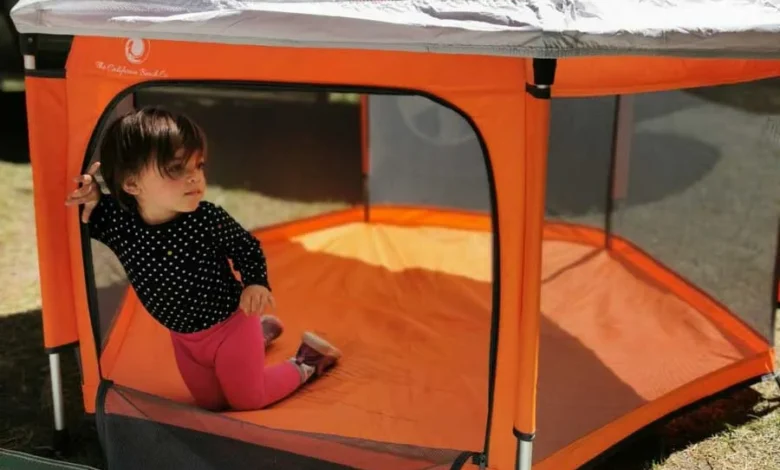
The beach remains one of the most popular destinations for family vacations, yet it presents unique environmental challenges for infants and young children. As the popularity of coastal tourism continues to rise, pediatricians and dermatological experts have increasingly emphasized the necessity of rigorous sun protection protocols. Unlike adults, infants have underdeveloped melanin production, rendering their skin significantly more susceptible to UV-induced damage. Consequently, the adoption of specialized equipment, such as portable, UV-rated beach tents, has shifted from a convenience item to a recommended standard for responsible sun safety.

The Biological Necessity for Enhanced Shade
The American Academy of Dermatology (AAD) and the Skin Cancer Foundation maintain that direct sun exposure should be minimized for infants under six months. During this developmental stage, the skin barrier is thinner and less capable of retaining moisture or blocking radiation. Furthermore, the use of chemical-based sunscreens on very young infants is often discouraged by pediatricians due to potential skin sensitivities, making physical barriers the primary defense against harmful UVA and UVB rays.

A high-quality baby beach tent serves as a critical environmental shield. Beyond providing shade, these structures create a controlled micro-environment that protects the child from direct sunlight and reflective radiation—a phenomenon often overlooked by parents. Sand and water are highly reflective surfaces, bouncing up to 80% of UV rays back onto the skin, meaning even a child under an umbrella may still receive significant exposure. A fully enclosed, UPF 50+ rated tent effectively mitigates this risk by filtering out 98% of solar radiation.

Market Evolution and Technical Standards
In recent years, the market for juvenile travel gear has undergone a transformation. Manufacturers have moved away from cumbersome, heavy umbrella-style setups in favor of lightweight, pop-up designs. These products utilize high-tension flexible frames that collapse into flat, circular carry-bags, facilitating easier transport through airports or across sandy terrain.

Technical advancements in textile engineering have also improved the user experience. Modern tents now prioritize breathability, incorporating high-denier mesh windows that allow for cross-ventilation. This is vital, as heat exhaustion is a significant risk for infants in enclosed spaces. By balancing UV-blocking synthetic fabrics with strategic ventilation, current models ensure that the interior temperature remains regulated even in direct sun.

Comparative Analysis of Leading Models
Selecting the appropriate shelter depends heavily on the specific needs of the family, ranging from frequent air travelers to those requiring a permanent setup for local outings.

- WolfWise AquaBreeze A10: Widely regarded for its balance of utility and portability, this model features a "true" pop-up mechanism. Its inclusion of sandbags and stakes addresses the common challenge of beach wind, which can easily topple lighter, inferior models. The rear-access design is a significant feature for parents, allowing for efficient diaper changes or nursing in a private, shaded setting.
- WhiteFang Pop-Up Series: This model is frequently cited as the optimal budget-conscious solution. It retains the essential UPF 50+ certification while stripping away complex structural elements to keep the weight minimal. While it lacks some of the heavy-duty features of premium tents, its performance in low-to-moderate wind conditions makes it a staple for day-trippers.
- Integrated Pool Models (Monobeach and Babymoov): These specialized tents represent a segment of the market designed for "splash-and-play." By incorporating a shallow, waterproof basin at the base, these tents allow infants to cool off in a contained, shaded environment. However, safety experts advise that even with these features, constant adult supervision is mandatory to prevent accidental water-related incidents.
- Full-Scale Cabanas: For families with multiple children, the transition to larger, cabana-style tents is often necessary. While these are significantly heavier than infant-specific models, they provide a larger footprint, accommodating parents alongside their children. This shared space can be instrumental in keeping the entire family out of peak-hour sunlight.
Ten Critical Considerations for Selection
When evaluating the market for these protective structures, parents are advised to apply a standardized checklist to ensure the safety and longevity of the product.

- UPF 50+ Certification: The "Ultraviolet Protection Factor" (UPF) is the definitive metric for fabric performance. Anything lower than 50 offers insufficient protection for prolonged exposure.
- Structural Stability: The presence of integrated sand pockets or heavy-duty stakes is non-negotiable for coastal environments, where wind gusts can occur without warning.
- Ventilation Design: Look for 360-degree airflow options. Tents that seal too tightly can become ovens in minutes; proper circulation is essential to prevent heat-related illness.
- Portability and Weight: For those traveling by plane, the collapsed dimensions must meet standard luggage or carry-on requirements.
- Setup Complexity: A product is only useful if it can be deployed in under two minutes. "Twist-and-fold" mechanisms are standard, but they require practice at home prior to the actual beach outing.
- Cost-to-Utility Ratio: High-end models often offer multi-purpose functionality, such as serving as a playpen for indoor use or a portable travel bed, which may justify a higher price point.
- Footprint and Occupancy: Consider whether the tent is intended strictly for the infant or if it must accommodate a parent, as this drastically changes the required square footage.
- Multi-Purpose Versatility: The best investments are those that transition from the beach to the backyard or the park, extending the value of the purchase across different seasons.
- Full-Coverage Geometry: Ensure the design prevents sunlight from "creeping" into the tent during the shifting angles of the sun throughout the day.
- Age Appropriateness: As a child moves from the infant stage to toddlerhood, their mobility increases. A tent that worked for a stationary newborn may lack the space required for an active, crawling toddler.
Broader Implications for Child Safety
The shift toward using protective tents at the beach reflects a broader public health movement toward proactive sun safety. Data from dermatological studies consistently demonstrate that blistering sunburns in childhood are strongly correlated with an increased risk of melanoma later in life. By normalizing the use of sun-safe infrastructure, parents are not merely facilitating a more comfortable day at the shore; they are participating in a long-term preventative health strategy.

Furthermore, the integration of mosquito netting—found in several high-end models—addresses the growing concern of insect-borne illnesses, which are becoming a more prevalent topic in tropical and temperate travel discussions.

Conclusion
Ultimately, the choice of a baby beach tent is an investment in both the immediate comfort of the child and their long-term health. As global temperatures fluctuate and awareness of UV risks continues to grow, the industry has responded with increasingly sophisticated and user-friendly products. Whether opting for a high-feature, multi-purpose model or a simple, ultra-portable shade, the priority remains consistent: maintaining a cool, shaded, and protected environment that allows families to enjoy the beach safely. As with all child-safety equipment, it is recommended to conduct a thorough review of manufacturer safety guidelines and ensure that the product is properly anchored at all times during use.
Related posts: