Nichupté Bridge: Transforming Connectivity and Tourism Infrastructure in the Mexican Caribbean

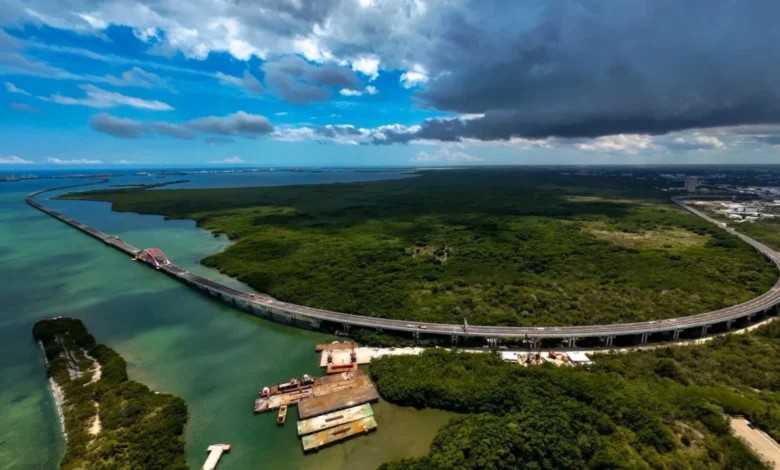
The newly inaugurated Nichupté Bridge represents a milestone in the long-term infrastructure development of the Mexican Caribbean, serving as a critical artery between downtown Cancún and the world-renowned Hotel Zone. As one of the most significant civil engineering projects in the region’s history, the bridge is designed to alleviate the chronic traffic congestion that has historically plagued the primary transit corridors of the coastal destination. By offering a secondary, high-capacity route, the project aims to minimize travel times for both residents and international tourists, fundamentally altering the logistics of the visitor experience in one of Mexico’s most vital tourism hubs.
A Chronology of Infrastructure Evolution
The conceptualization and eventual construction of the Nichupté Bridge did not occur in a vacuum; it is the culmination of years of regional planning aimed at addressing the limitations of Cancún’s geography. The city’s Hotel Zone, a narrow barrier island, has historically relied on a single main road, Kukulcán Boulevard, to manage all traffic flow. As visitor numbers surged over the last decade, reaching record-breaking volumes, the pressure on this single corridor became a point of concern for both local authorities and the tourism industry.
Planning for the project gained significant momentum in the early 2020s, as regional growth forecasts indicated that current infrastructure would be unable to sustain projected tourism spikes. Following rigorous environmental impact assessments and engineering studies, construction commenced with the goal of creating a seamless connection over the Nichupté Lagoon. The project reached its zenith in 2026, coinciding with major industry events such as the EDGE 2026 conference in San Diego, where the announcement of the bridge’s operational status underscored Mexico’s commitment to evolving its tourism infrastructure. This development serves as a precursor to the 2027 edition of the EDGE conference, which is scheduled to take place within the Cancún–Riviera Maya corridor, further cementing the region’s position as a premier global destination.
Technical Scope and Connectivity Benefits
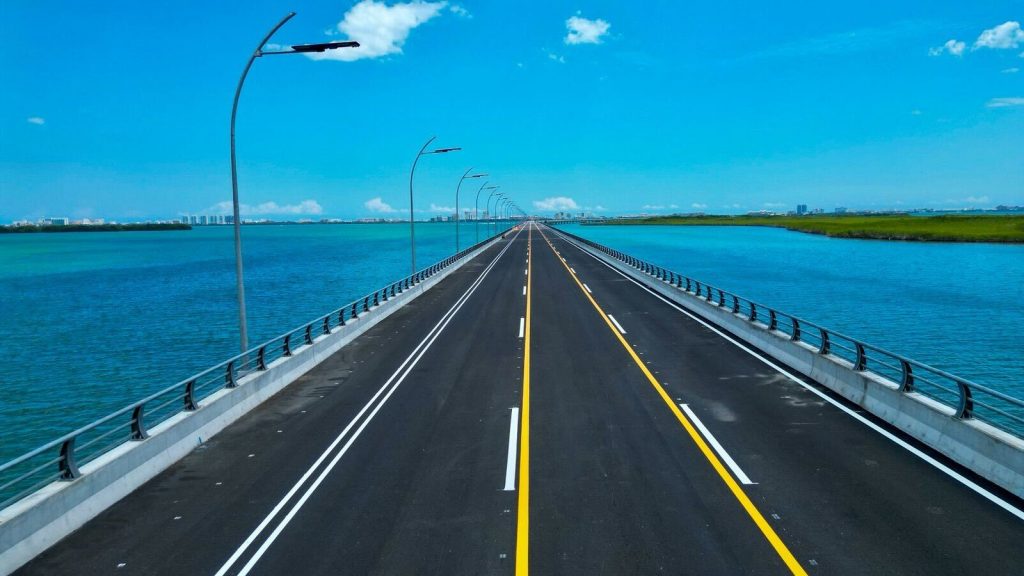
The bridge structure is an engineering feat designed to minimize the environmental impact on the protected lagoon ecosystem while maximizing transit efficiency. By providing a direct link between the urban core of the city and the beachfront resorts, the bridge effectively bifurcates traffic, allowing for a more equitable distribution of vehicle density.
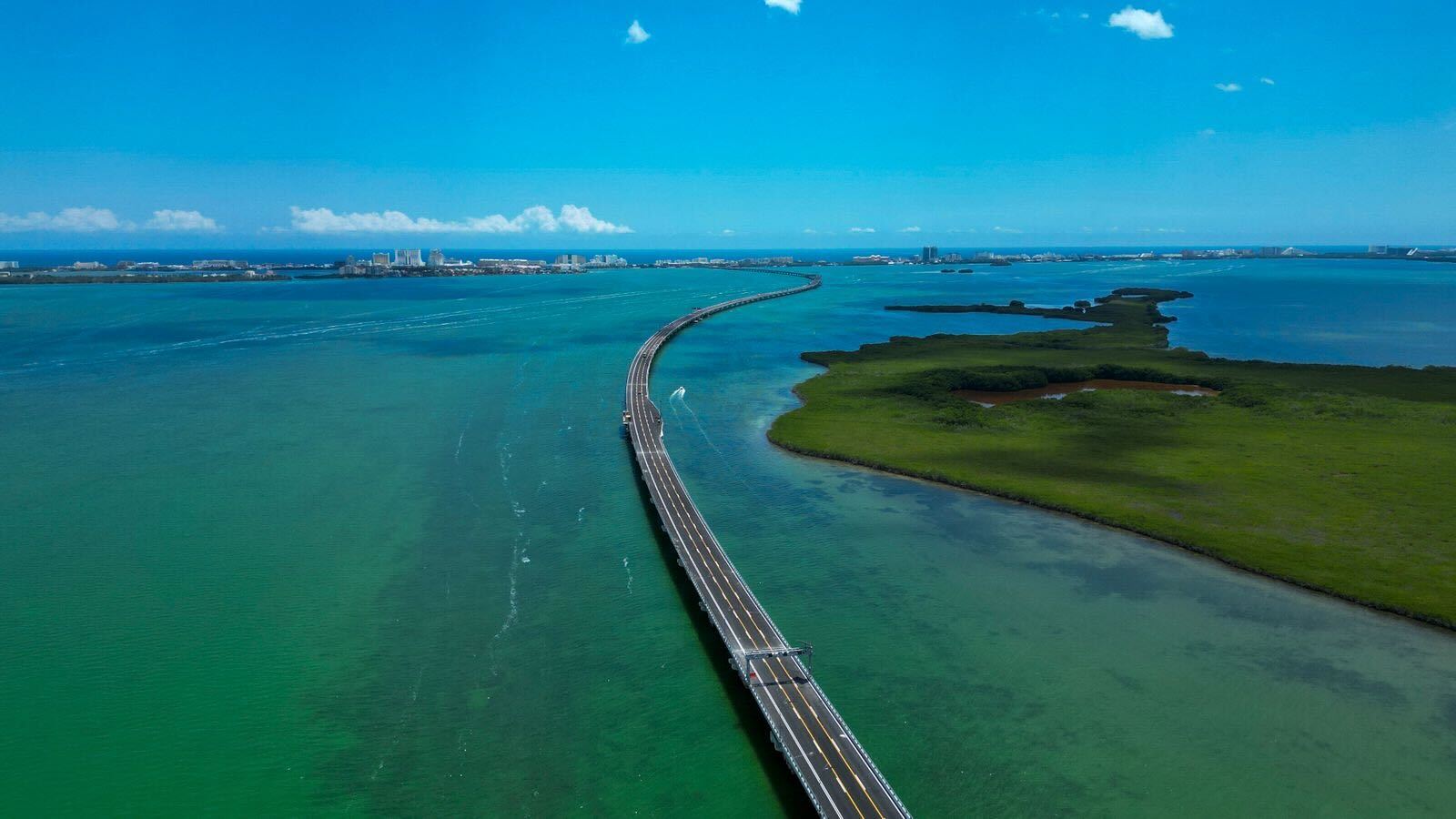
For the average traveler, the implications are immediate. Historically, the journey from the airport or downtown to the Hotel Zone could be significantly delayed by peak-hour traffic, accidents, or weather-related road closures. With the introduction of this new thoroughfare, travel times are expected to stabilize, offering a more predictable transit experience. This improvement is not merely a matter of convenience; it is a critical component of the "seamless travel" mandate that modern international tourism markets increasingly demand. Efficient, stress-free transportation is now considered a fundamental pillar of the luxury travel experience, and the bridge positions Cancún to compete more effectively with other international destinations that have prioritized similar logistical upgrades.
Data-Driven Tourism Growth
The necessity for such an investment is supported by clear statistical trends in the Mexican Caribbean. Over the past decade, the state of Quintana Roo has consistently seen an upward trajectory in annual visitor arrivals. In 2025 and 2026, the region continued to break records, welcoming millions of international tourists who primarily transit through the Cancún International Airport.
However, growth in volume requires proportional growth in capacity. Without the Nichupté Bridge, the region faced the risk of "logistical saturation," where the inability to move people efficiently would detract from the perceived value of the destination. Data from the Mexican Caribbean Tourism Board indicates that the average length of stay and the propensity for tourists to engage in off-property activities—such as dining in downtown Cancún or visiting local cultural sites—are directly linked to the ease of transport. By reducing the "friction" of travel, the bridge is expected to stimulate greater economic activity in urban areas that were previously less accessible to resort-bound visitors.
Official Perspectives and Regional Strategy
Andrés Martínez Reynoso, CEO of the Mexican Caribbean Tourism Board, has described the bridge as a "transformational project" for the region. In official statements following the project’s completion, authorities emphasized that the bridge is not an isolated development but rather a symbol of a broader, more strategic vision for the Mexican Caribbean.
This strategy involves a transition from focusing solely on the "resort experience" to investing in the "total destination experience." This encompasses everything from infrastructure, such as the Maya Train and expanded airport facilities, to modernized road networks like the Nichupté Bridge. The shift is designed to ensure that the destination remains resilient, sustainable, and capable of handling the logistical complexities of 21st-century global tourism. The consensus among regional stakeholders is that such investments are essential to maintain the region’s competitive edge against emerging tourism markets in the Caribbean and Southeast Asia.
The Broader Implications for Sustainable Development
Beyond the immediate relief of traffic congestion, the Nichupté Bridge invites a conversation about the long-term sustainability of the Mexican Caribbean. As the region continues to develop, the balance between infrastructure expansion and environmental stewardship remains a priority. The project’s design includes measures to mitigate impacts on the lagoon’s unique marine biodiversity, reflecting an increased awareness of the need to preserve the natural assets that attract millions of tourists annually.
Furthermore, the bridge facilitates a more integrated regional economy. By connecting the hotel zone to the mainland more efficiently, it allows for a more fluid interaction between the tourist-heavy zones and the residential, commercial, and cultural centers of Cancún. This integration encourages a more diversified tourism product, where visitors are more likely to explore beyond the traditional "all-inclusive" bubble, potentially leading to a more equitable distribution of tourism revenue across the local economy.
Future Outlook: Preparing for 2027 and Beyond
As the focus shifts toward the upcoming EDGE 2027 conference, the Nichupté Bridge stands as a testament to the region’s forward-looking agenda. The conference will bring industry leaders, travel professionals, and investors to the region, providing a global stage to showcase how these infrastructure improvements have been successfully integrated into the existing tourism framework.
The lessons learned during the construction and implementation of the bridge are likely to inform future projects across the Riviera Maya. As destinations like Tulum and Playa del Carmen continue to expand, the demand for high-quality, reliable, and sustainable transit solutions will only grow. The Nichupté Bridge provides a successful model for how public-private cooperation and long-term planning can solve complex logistical challenges.
Ultimately, the bridge is more than just concrete and steel; it is an enabler of a more sophisticated travel ecosystem. For the modern traveler, who values time as the ultimate luxury, the ability to traverse the city with ease significantly enhances the overall quality of the visit. As the Mexican Caribbean continues its ascent as a global tourism powerhouse, the Nichupté Bridge will likely be remembered as the project that allowed the region to overcome its most persistent barrier to growth, ensuring that the destination remains as accessible as it is beautiful. Whether for the business traveler, the family vacationer, or the local resident, the impact of this new connection will be felt for decades to come, signaling a new era of connectivity and ease in one of the world’s most vibrant travel markets.