The Lost City Trek: A Comprehensive Guide to Teyuna and the Sierra Nevada Mountains

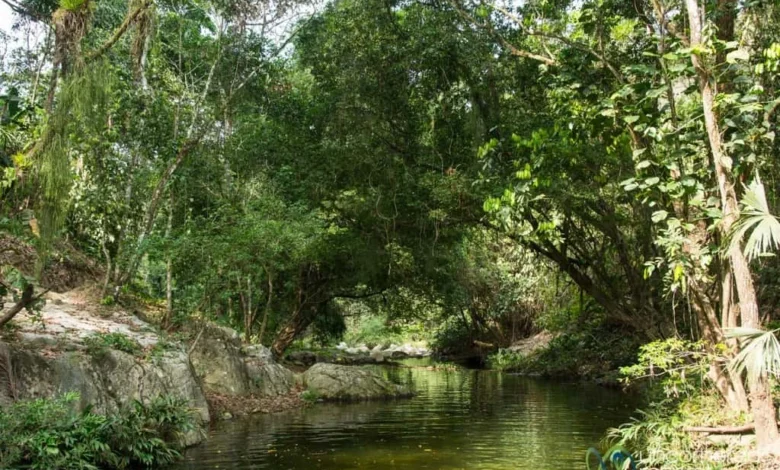
The Lost City Trek, known locally as Ciudad Perdida, stands as one of South America’s most profound archaeological and physical challenges. Located deep within the Sierra Nevada de Santa Marta mountain range in northern Colombia, this 46-kilometer (28-mile) round-trip expedition leads travelers through dense tropical rainforests, rugged river valleys, and steep mountainous terrain to the remnants of an ancient civilization. Constructed by the Tayrona people around 800 A.D., Teyuna predates the famous Incan citadel of Machu Picchu by approximately 600 years, offering a unique window into a pre-Columbian society that flourished long before the Spanish conquest.

Historical Context and Archaeological Significance

Teyuna was established by the Tayrona civilization as a major political and economic hub. Characterized by a sophisticated series of stone terraces, circular plazas, and paved walkways carved directly into the mountainside, the site reflects an advanced understanding of urban planning and sustainable land management. Historical records suggest the Tayrona occupied the region for centuries, utilizing the varied altitudes of the Sierra Nevada to cultivate diverse crops, ranging from tropical fruits at the base to root vegetables in the higher, cooler elevations.

The city was abandoned in the 16th century, likely as a defensive measure against encroaching Spanish colonial forces. For the subsequent 400 years, the site remained largely unknown to the international community, though it was never truly "lost." The indigenous Kogi, Wiwa, Arhuaco, and Kankuamo peoples—all descendants of the Tayrona—maintained knowledge of the city’s location, viewing it as a sacred site reserved for ceremonial purposes by their shamans. It was not until the early 1970s that the site was "rediscovered" by local treasure hunters, an event that led to widespread looting of gold artifacts, pottery, and jewelry. The intervention of the Colombian Institute of Anthropology and History in the mid-1970s halted the destruction and began the long process of site preservation and formal excavation.

Chronology of the Expedition

The journey to the Lost City typically follows a standardized route that requires four to five days of strenuous hiking. The expedition begins in Santa Marta, the primary coastal gateway, followed by a transport phase to the trailhead at Machete.

Day 1 involves a transition from low-lying agricultural zones into the denser jungle, characterized by significant elevation changes. Travelers navigate steep ascents followed by descents into river valleys where the first series of base camps are situated. Day 2 pushes deeper into the Sierra Nevada, requiring multiple crossings of the Buritaca River. This section of the trail is marked by the presence of indigenous communities, particularly the Wiwa and Kogi, who live in traditional round houses or "bohíos." The path is often muddy and humid, with frequent afternoon rainfall typical of the tropical ecosystem.

Day 3 serves as the climax of the trek. Hikers rise before dawn to begin the ascent of 1,200 stone steps, the original infrastructure constructed by the Tayrona to reach the city’s upper terraces. The climb is physically demanding, requiring a steady, measured pace. Upon reaching the summit, visitors explore the extensive network of terraces that define Teyuna. The final days of the trek, Day 4 and potentially Day 5, involve a return journey along the same trail, providing a different perspective of the landscape as hikers descend back toward the coastal lowlands.

Logistical Requirements and Physical Preparation

The Lost City Trek is classified as a medium-to-high difficulty excursion. While no technical climbing skills or specialized mountaineering equipment are required, the trail demands a high level of physical fitness. The primary challenges are environmental: the combination of intense heat, high humidity, and the lack of flat terrain creates a rigorous experience.

Successful completion of the trek relies on effective preparation. Experts recommend that participants prioritize hydration and electrolyte replenishment to mitigate the effects of consistent perspiration. Because the trail passes through a tropical rainforest, precipitation is common. Therefore, the use of moisture-wicking synthetic clothing, waterproof gear for electronic equipment, and sturdy, broken-in hiking footwear is essential.

Regarding health and safety, the presence of insects is a significant factor. Travelers are advised to use high-quality insect repellents, preferably those containing DEET, and to consider wearing long-sleeved shirts and trousers to prevent bites. Furthermore, the use of a sleeping bag liner is recommended to maintain hygiene in shared camp facilities, where hammocks and beds are standard.

Management and Indigenous Involvement

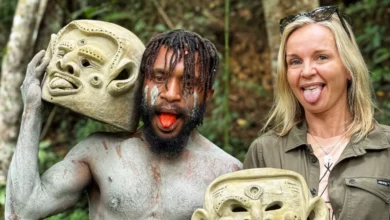
Access to the Lost City is strictly regulated by the Colombian government. It is not possible to trek the route independently; all visitors must be accompanied by authorized tour operators and professional guides. A critical component of the modern trekking experience is the integration of indigenous guides, particularly members of the Wiwa community. These guides provide essential cultural context, explaining the spiritual significance of the mountains and the ongoing efforts of the local indigenous groups to act as stewards of the land.

This collaborative model is designed to ensure that the economic benefits of tourism reach the communities residing within the Sierra Nevada. By employing indigenous guides, tour operators help preserve traditional knowledge and foster a greater understanding of the Tayrona legacy. The G Adventures program, for instance, has been noted for its partnership with local groups, emphasizing the role of the indigenous population in managing the site’s accessibility and cultural integrity.

Broader Impact and Environmental Sustainability

The surge in popularity of the Lost City Trek has prompted discussions regarding the environmental and social carrying capacity of the region. The trail passes through ecologically sensitive areas where soil erosion and waste management are primary concerns. Consequently, all authorized operators are mandated to adhere to strict "leave no trace" principles.

The site itself is a testament to human ingenuity and resilience. The preservation of Teyuna is a delicate balancing act, pitting the need for archaeological study against the reality of increased tourist foot traffic. As of 2025, the trail remains a protected area, and periodic closures—often in the month of September—are implemented to allow for trail maintenance, site conservation, and the performance of traditional indigenous ceremonies.

For the international traveler, the Lost City represents more than just a bucket-list destination. It is a pilgrimage into the history of the Americas, highlighting a civilization that prioritized harmony with nature and established a complex urban footprint that has survived the pressures of time and the elements. As global interest in sustainable, culturally immersive tourism grows, the Lost City serves as a benchmark for how historical sites can be managed with respect for both the environment and the living descendants of those who built them. Whether for the physical challenge of the climb or the intellectual pursuit of understanding the Tayrona civilization, the trek continues to define the landscape of adventure travel in Colombia.