From Digital Nomad to Polar Pioneer: Travel Creator Shifts Focus to Expedition Guiding and Specialized Advisory Services

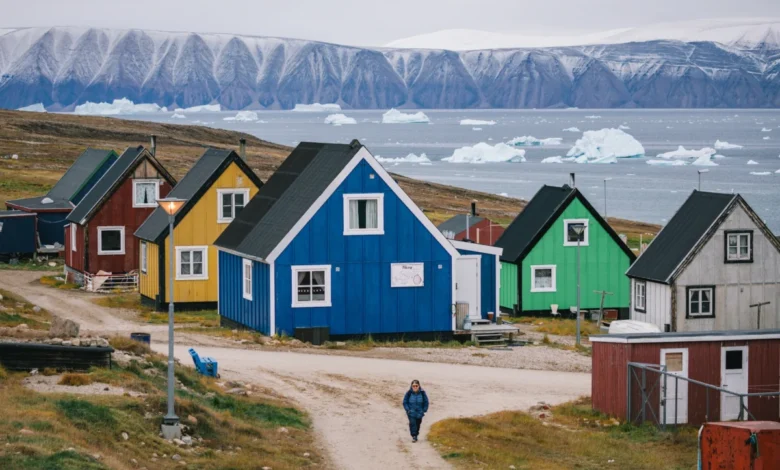
The landscape of professional travel creation is undergoing a quiet yet significant evolution, exemplified by long-form travel writers and photographers shifting away from traditional digital media monetization toward specialized field operations. After years of documenting remote geographies, established travel educators and expedition guides are increasingly embedding themselves within niche tourism sectors, such as high-latitude polar travel. This career pivot highlights a broader fatigue among digital creators regarding the relentless demands of the attention economy, signaling a return to hands-on, community-driven travel leadership.
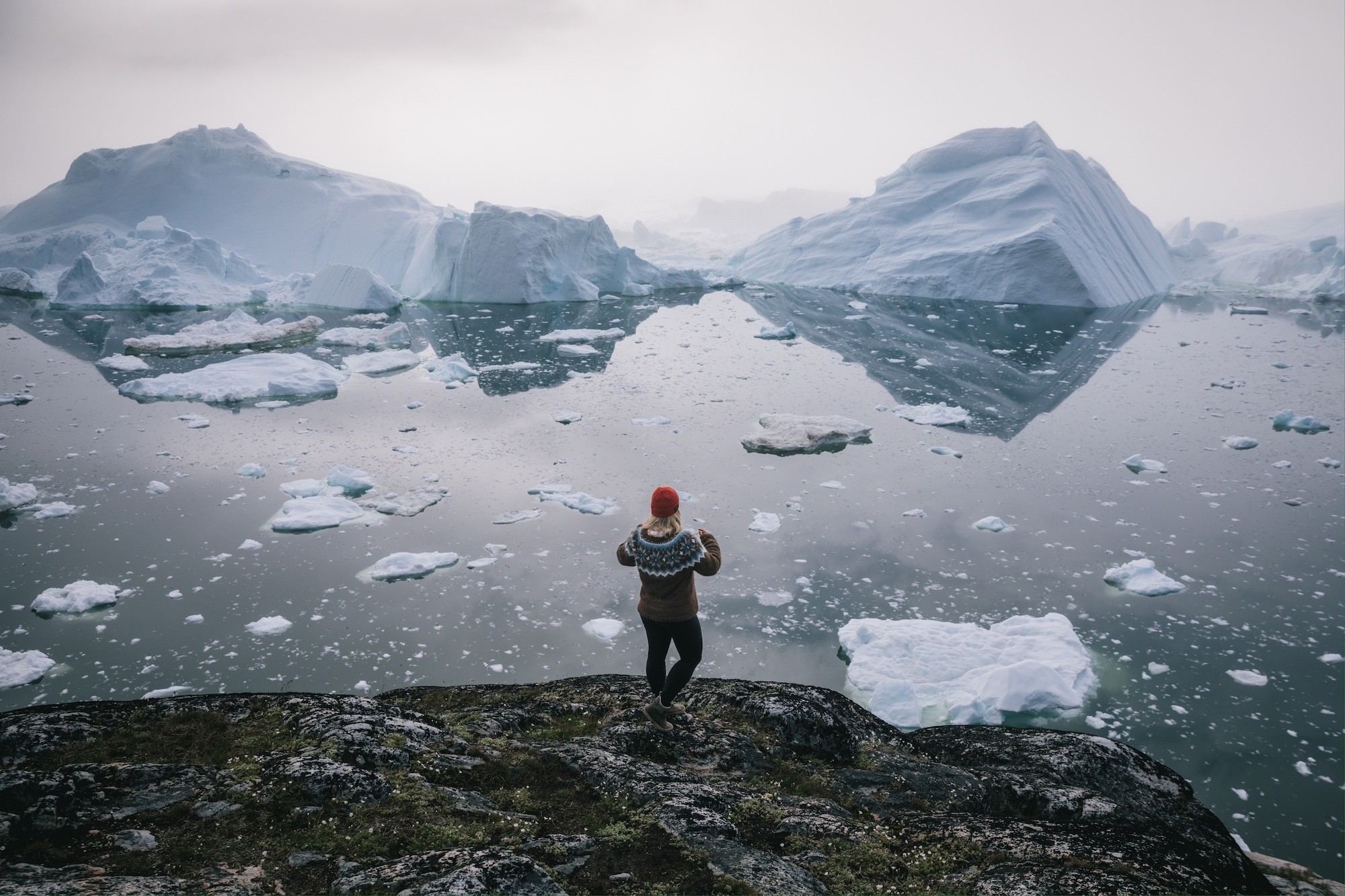
Background Context of the Shift in Modern Travel Media
For over a decade, the contemporary travel media ecosystem relied heavily on the "influencer" model, wherein creators generated revenue through brand partnerships, display advertising, and sponsored social media campaigns. However, the economic disruptions of the COVID-19 pandemic severely impacted global tourism, fundamentally altering the viability of traditional travel blogging.
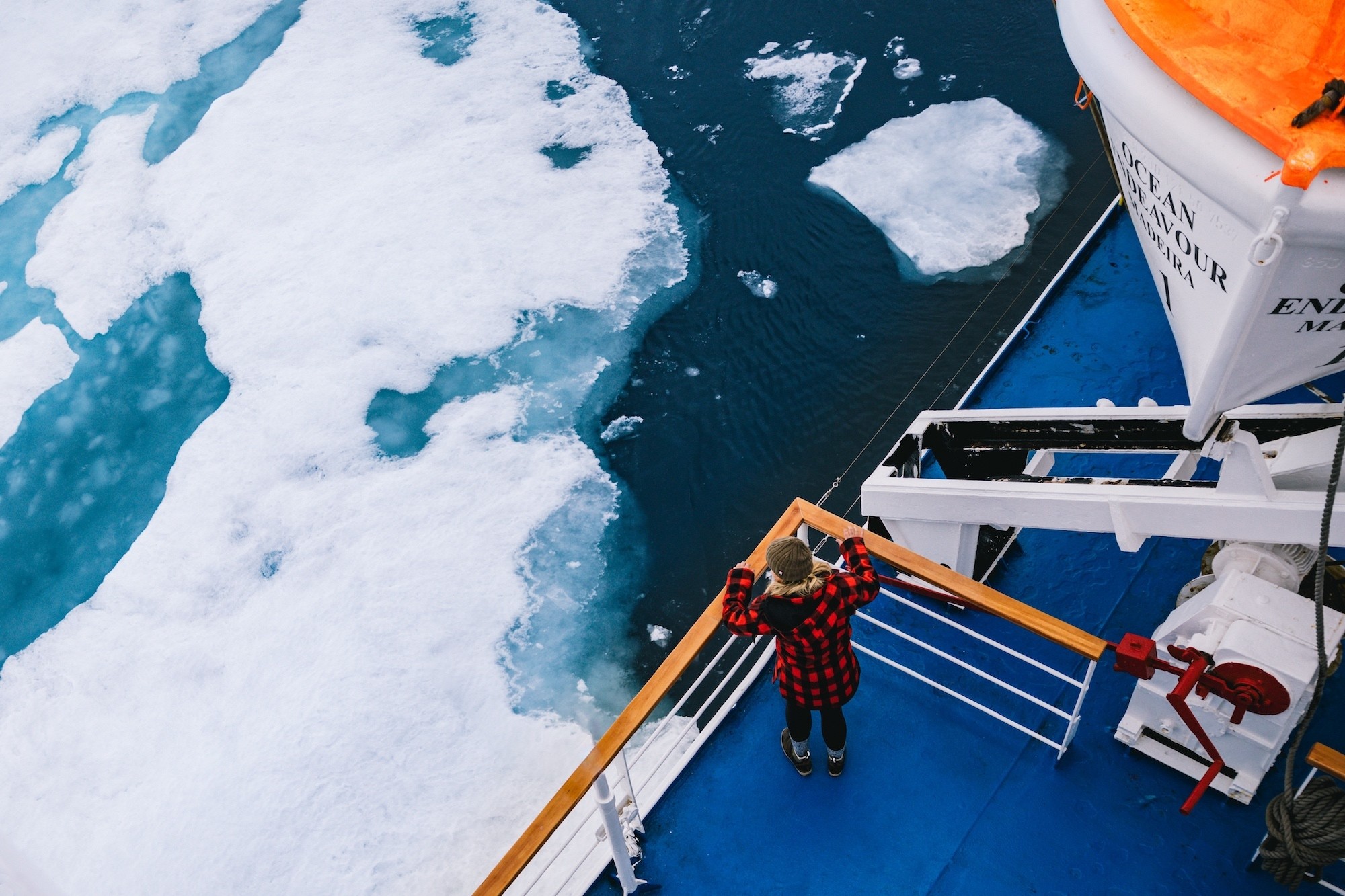
Concurrently, market saturation and algorithm changes across major social platforms led to widespread burnout among content creators. The constant pressure to produce high-volume, highly competitive digital content began to erode the creative fulfillment that initially drew writers to the field. This environment catalyzed a structural retreat from purely digital engagement toward tangible, service-oriented roles within the travel industry. For many seasoned adventurers, this transition manifested as a move from observing remote destinations to actively facilitating safe, educational expeditions in the planet’s most fragile ecosystems.
The Mechanics and Logistics of Modern Polar Tourism
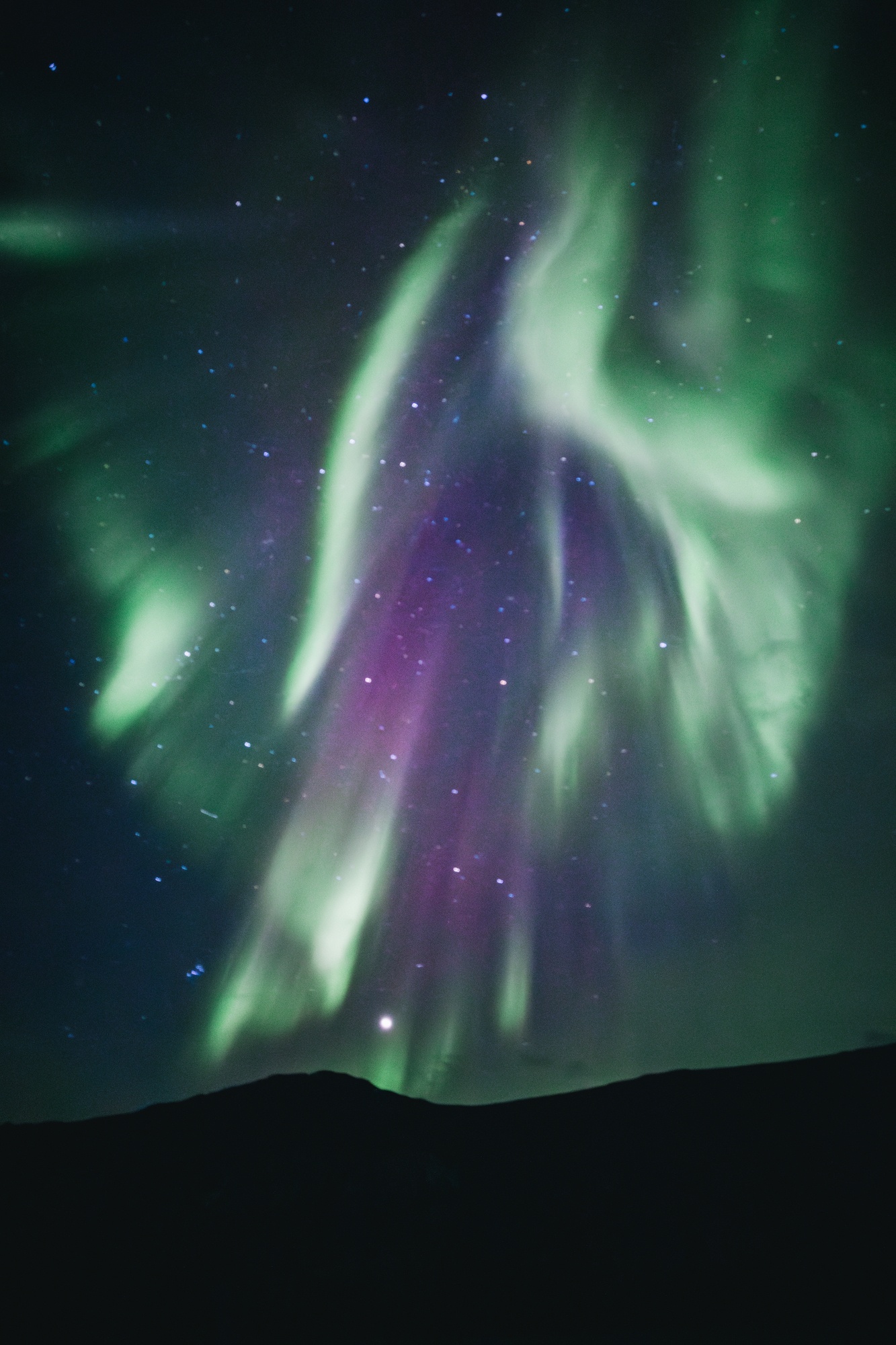
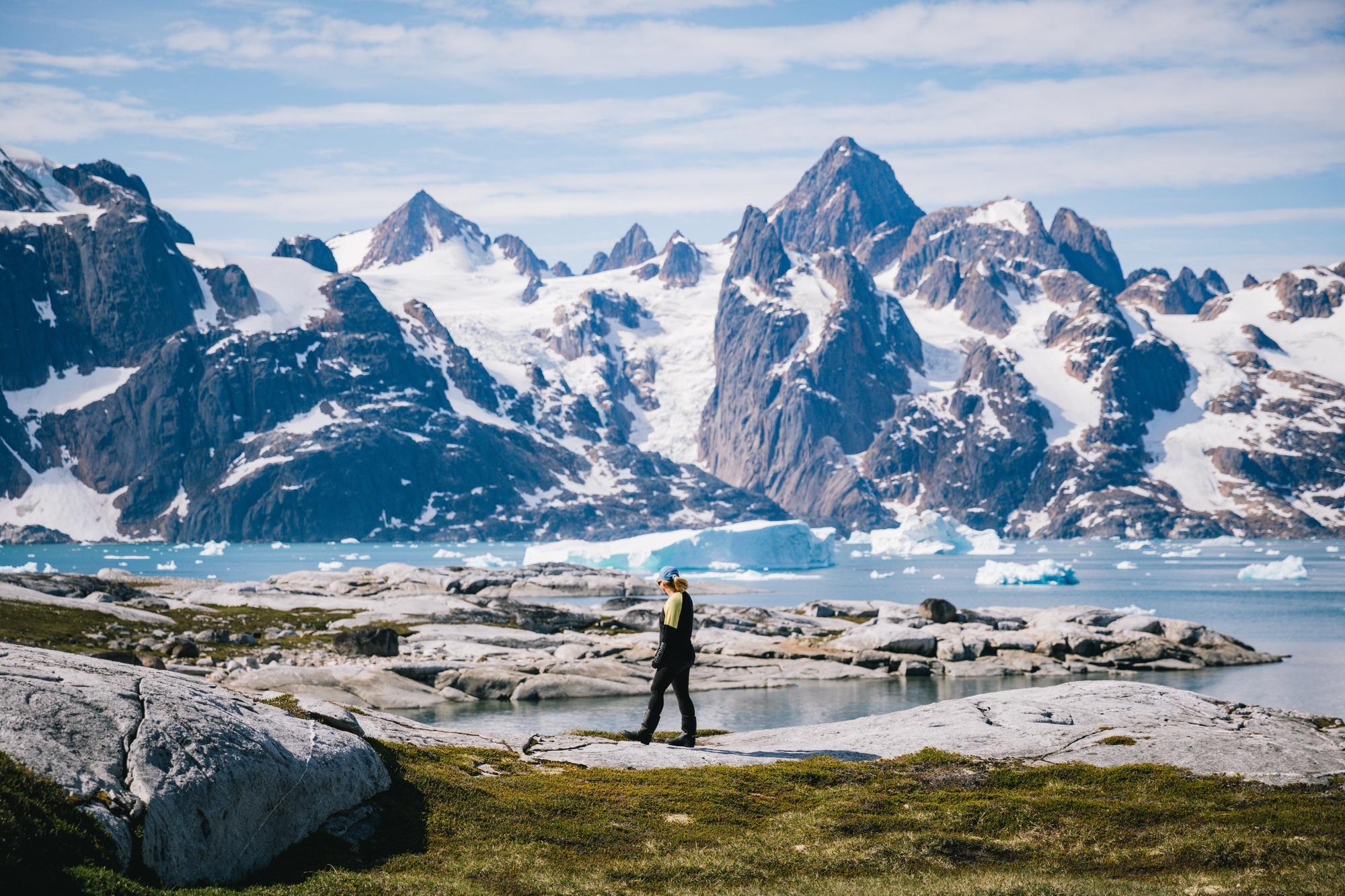
Polar travel—encompassing both the Arctic and Antarctic regions—presents extreme logistical challenges that differentiate it from mainstream tourism. Due to severe climate conditions and vast expanses of sea ice, these territories remain largely inaccessible for the majority of the calendar year. Maritime access is restricted to a narrow window during the peak summer months when shifting ice allows specialized reinforced vessels to navigate coastal waters.
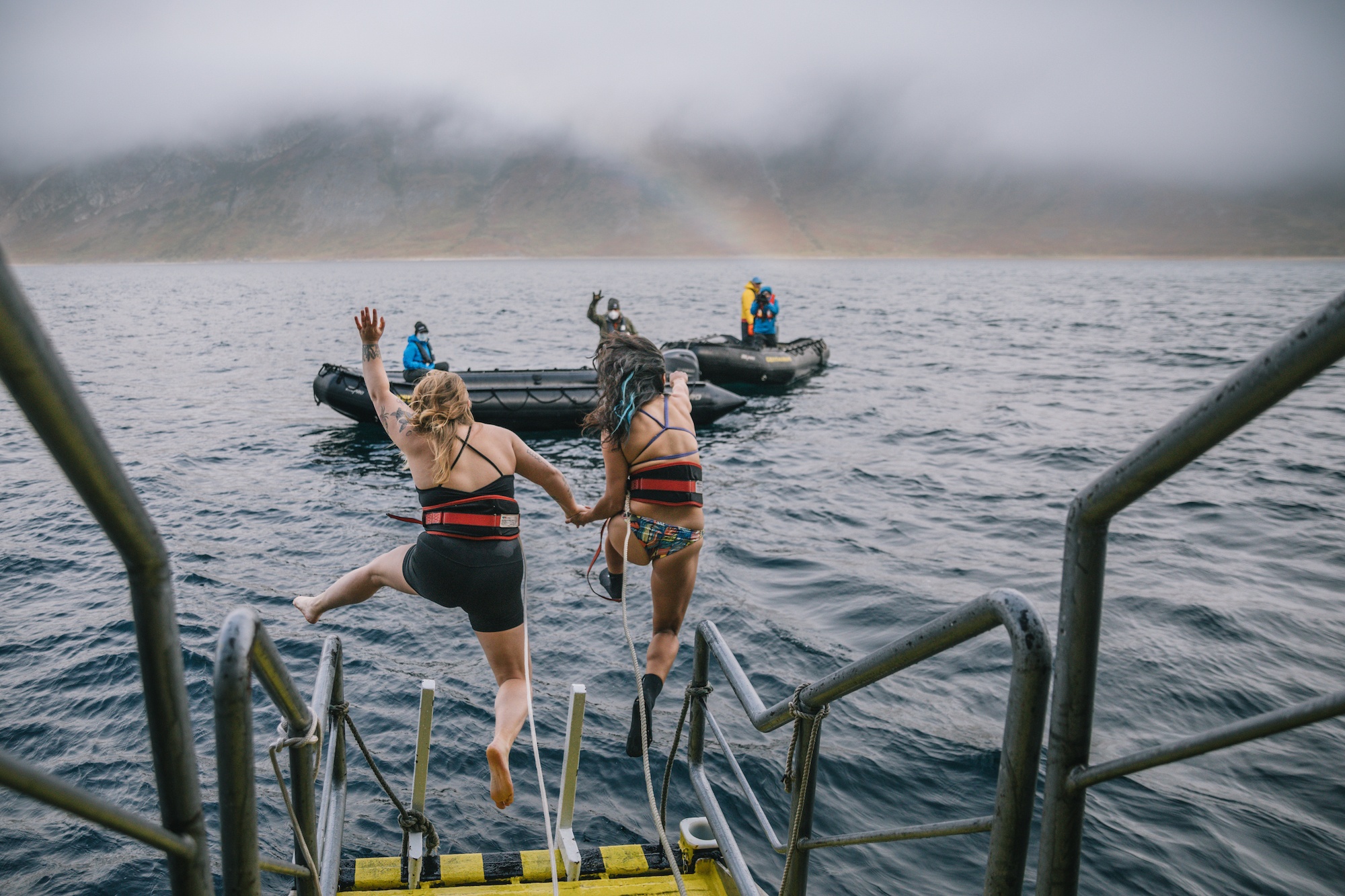
Expedition cruising has emerged as the most efficient and environmentally managed method for travelers to experience these isolated landscapes. Operating within these regions requires a specialized infrastructure consisting of ice-strengthened expedition ships, auxiliary Zodiac watercraft for shore landings, and small aircraft capable of navigating primitive or seasonal airfields.
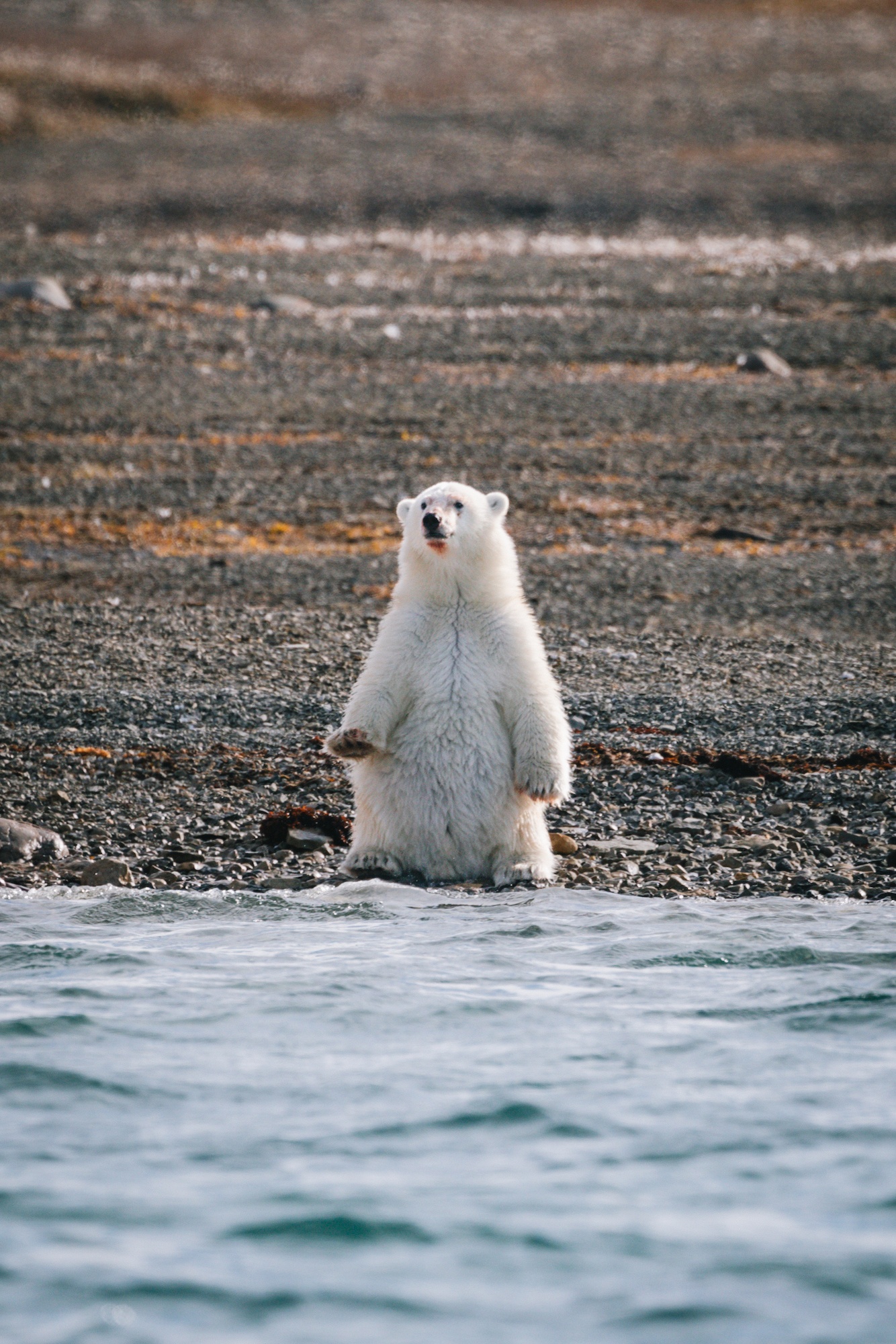
Industry data indicates a steady rise in demand for high-latitude voyages, driven by travelers seeking experiential, off-the-grid itineraries. Companies such as Adventure Canada, a family-owned and operated expedition cruise provider, have carved out significant market share by emphasizing multi-generational community building, cultural immersion, and educational programming led by naturalists, historians, and Indigenous guides.
Chronology of Industry Evolution and Creator Integration

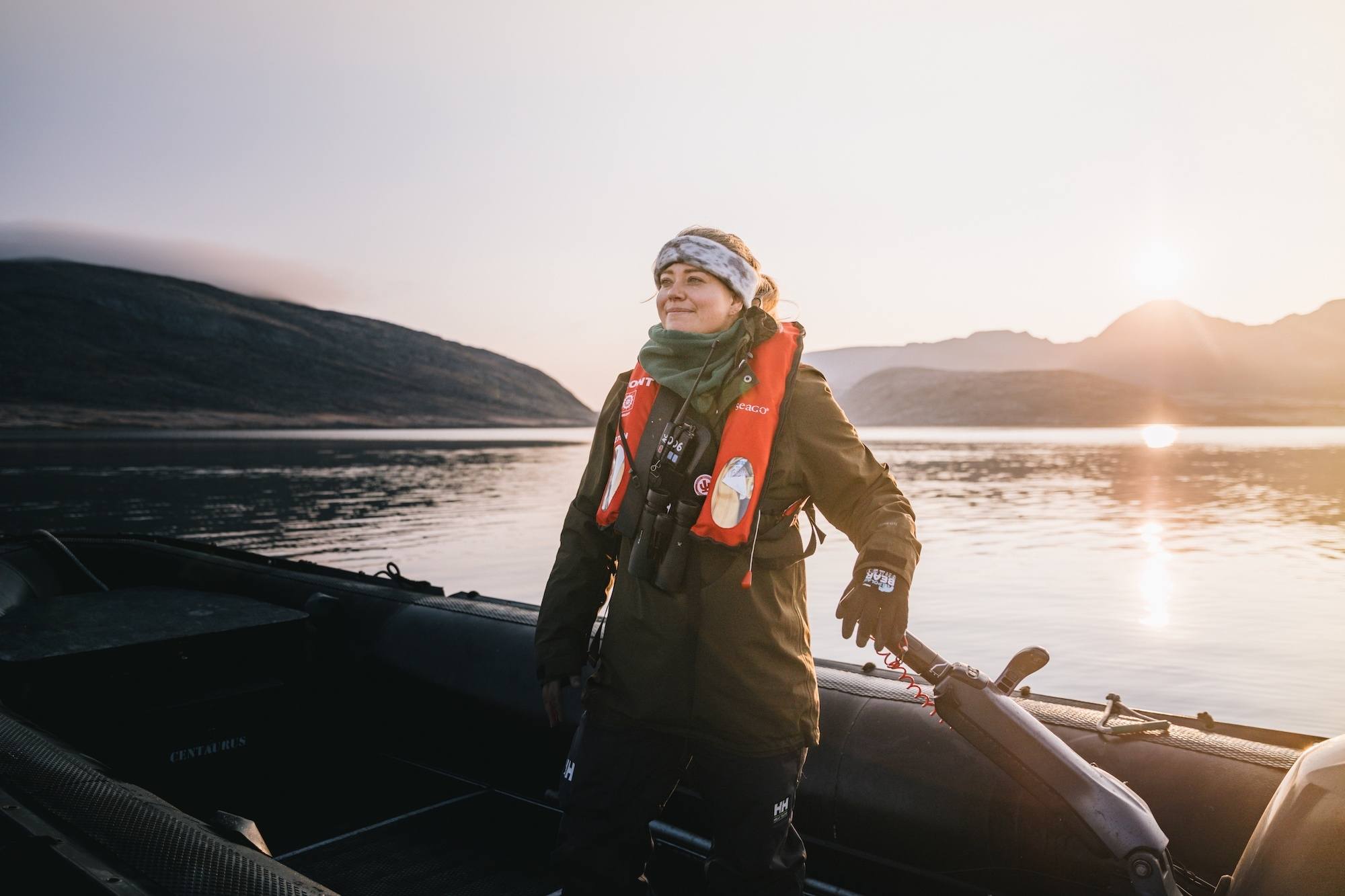
The integration of independent travel creators into formal expedition operations typically follows a multi-stage trajectory. Initially, polar operators invite established photographers and journalists to document voyages, leveraging their audience reach to market remote destinations. Over time, these creators transition from passive documentarians to active expedition team members, taking on responsibilities such as zodiac piloting, wildlife monitoring, lecture delivery, and guest relations.
In recent years, this relationship has deepened further. Rather than operating merely as independent contractors or promotional partners, experienced guides are beginning to act as specialized booking consultants. By leveraging their firsthand familiarity with specific vessels, routes, and regional nuances, these creators function similarly to bespoke travel advisors, earning referral commissions while providing prospective passengers with granular, field-tested guidance.
Statements and Industry Reactions
While independent advisory models are common in luxury and corporate travel, their adoption by former digital creators represents a unique hybrid of content marketing and traditional agency work. Industry analysts note that consumers increasingly value peer-to-peer authenticity over corporate advertising.
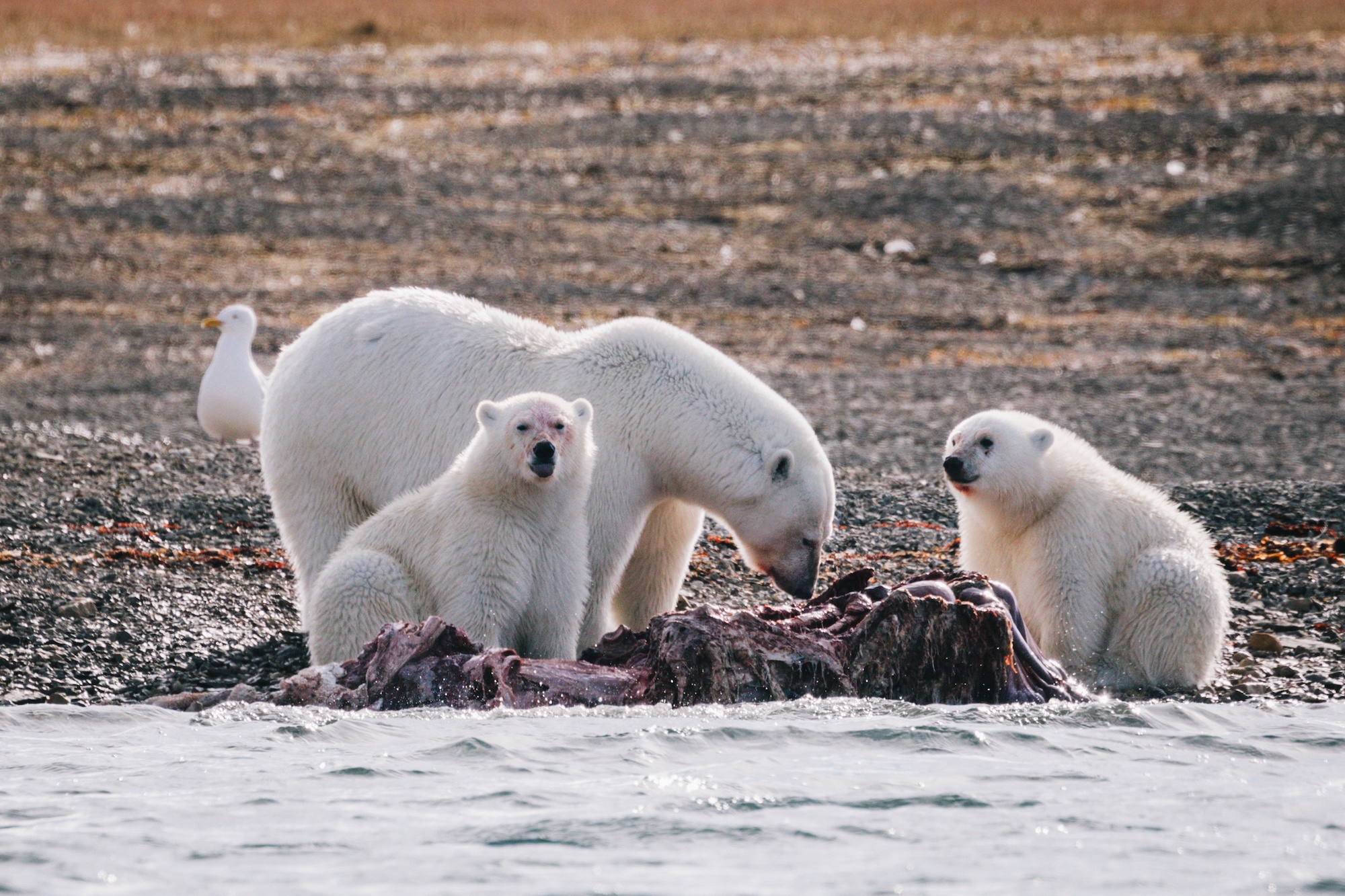
Representatives from polar operators have observed that passengers booking through trusted expedition guides often exhibit higher retention and preparation rates. Because these advisors have spent months at sea navigating unpredictable weather, wildlife encounters, and localized logistical hurdles, they can manage client expectations more effectively than generalist agencies.
"Working in the high latitudes demands a profound respect for the environment and a commitment to rigorous safety protocols," noted an industry logistics coordinator familiar with Arctic operations. "When guides transition into advisory roles, they bring an invaluable layer of operational awareness that ultimately enhances the passenger experience and safeguards fragile ecosystems."
Economic and Creative Implications for Content Creators
The shift from ad-supported media to commission-based expedition consulting carries profound economic and professional implications for travel journalists. By diversifying revenue streams away from platform-dependent metrics—such as page views, ad impressions, and brand sponsorships—creators can decouple their livelihoods from volatile algorithm shifts.
This financial restructuring fosters a healthier creative headspace, allowing writers to focus on long-form storytelling, conservation advocacy, and direct mentorship. Furthermore, embedding within specialized travel companies reinforces sustainable tourism practices. Expedition operators typically adhere to strict environmental guidelines, such as those set by the Association of Arctic Expedition Cruise Operators (AECO), ensuring that increased tourism does not compromise local wildlife populations or sovereign Indigenous communities.
Broader Environmental Impact and the Rise of Polar Ambassadors
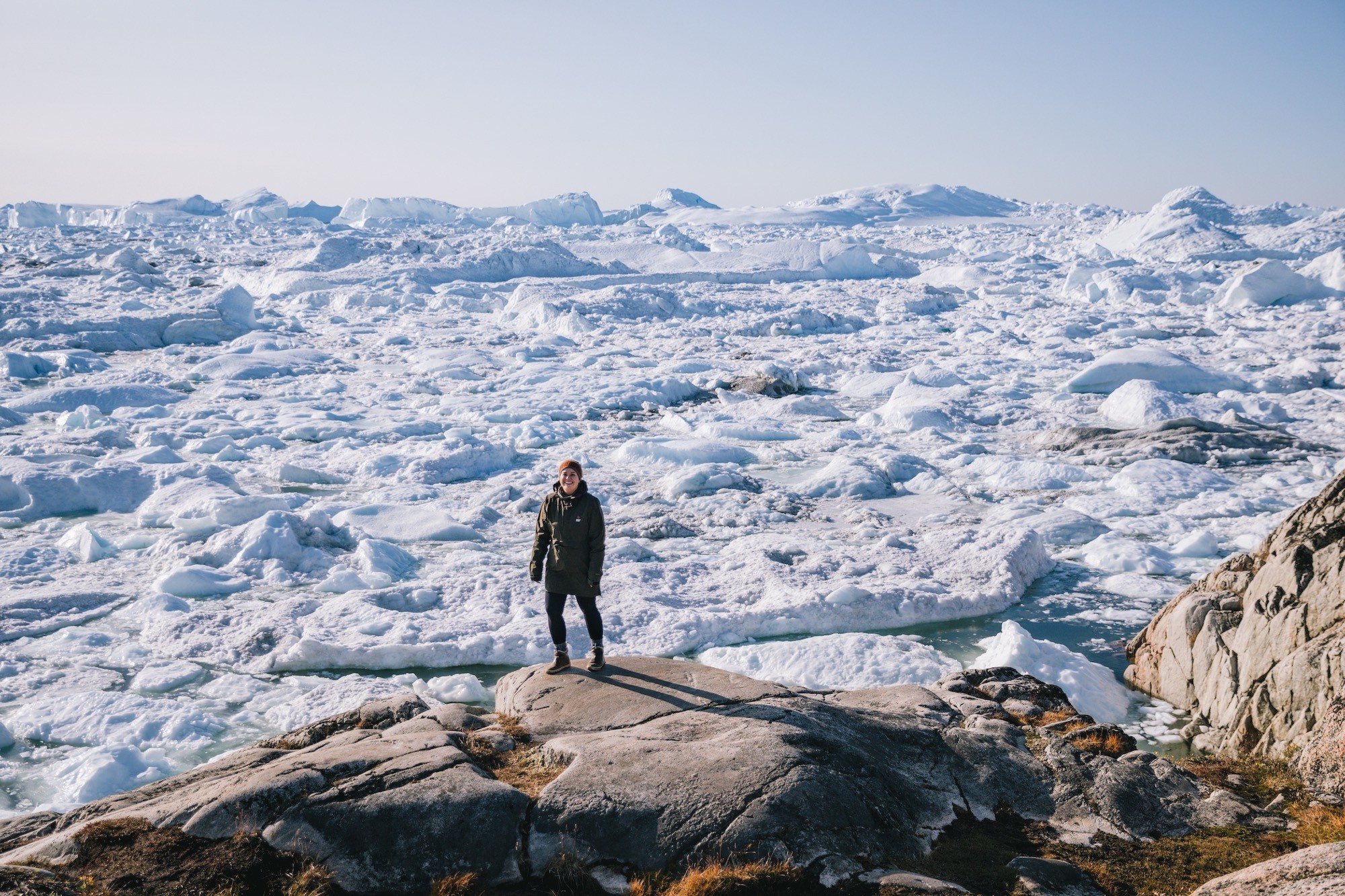
Beyond economic restructuring, the proliferation of specialized polar travel advisors serves a critical conservation function. The Arctic and Antarctic regions are experiencing the accelerated impacts of global climate change, characterized by diminishing sea ice and rapidly retreating glaciers.
Environmental scientists and tourism advocates emphasize that travelers who witness these changes firsthand frequently return as lifelong ambassadors for polar conservation. By demystifying the logistics of high-latitude travel and connecting curious explorers with responsible operators, specialized guides help cultivate a well-informed constituency capable of advocating for environmental protections on a global scale.
As the travel industry continues to adapt to post-pandemic realities, the intersection of field expedition work and personalized advisory services offers a viable blueprint for creators seeking sustainable, community-oriented careers. By prioritizing immersive education and ecological stewardship over digital saturation, this evolving professional model bridges the gap between modern media and responsible global exploration.